Google Blames North Korean Hackers for Axios npm Attack
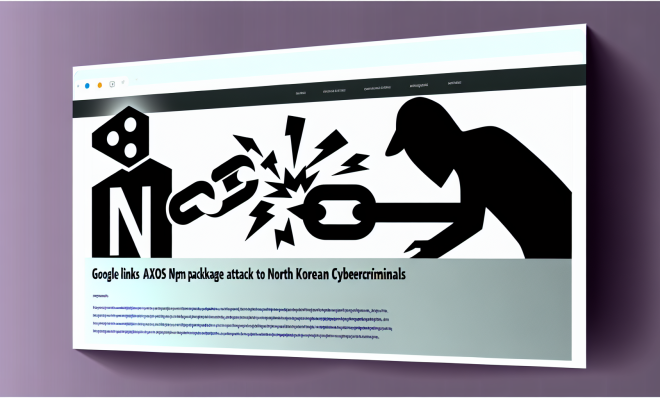
In a significant revelation in the landscape of cybersecurity, Google has attributed a recent supply chain attack targeting the popular Axios npm package to a North Korean threat group known as UNC1069. This incident highlights the ongoing vulnerabilities within the software supply chain and the persistent threat posed by state-sponsored cyber actors.
Understanding the Axios npm Package Compromise
The Axios package, widely utilized in JavaScript applications for making HTTP requests, fell victim to a compromise of its maintainer’s npm account. This breach allowed the attackers to publish two malicious versions of the package—1.14.1 and 0.30.4. These versions included a rogue dependency named plain-crypto-js, which was designed to deploy a sophisticated backdoor known as WAVESHAPER.V2.
The Mechanism of Attack
The WAVESHAPER.V2 backdoor is a cross-platform threat capable of infecting operating systems such as Windows, macOS, and Linux. This versatility makes it particularly concerning, as it can affect a broad range of users and systems. The introduction of this backdoor into the Axios package is a clear indication of the attackers’ intention to infiltrate and exploit a wide audience.
Historical Context of UNC1069
According to John Hultquist, the chief analyst at Google’s Threat Intelligence Group, UNC1069 has a history of engaging in supply chain attacks, particularly those targeting the cryptocurrency sector. This North Korean group has been operational since 2018 and is primarily motivated by financial gain. Their prior attacks have focused on stealing cryptocurrency, leveraging their deep experience in executing sophisticated supply chain compromises.
The Evolution of WAVESHAPER
The WAVESHAPER.V2 backdoor is an updated iteration of a previously deployed threat known as WAVESHAPER, which was a C++ backdoor used by UNC1069 in earlier exploits. The evolution of their tools signifies not only a persistent threat landscape but also the adaptability of these cybercriminals in enhancing their attack vectors.
Implications for Developers and Organizations
The compromise of the Axios npm package serves as a critical reminder for developers and organizations regarding the need for robust security practices in their software supply chains. Here are some key implications:
- Increased Vigilance: Developers must remain vigilant about the security of the packages they use, regularly auditing dependencies for any signs of compromise.
- Two-Factor Authentication: Implementing two-factor authentication for npm accounts can provide an additional layer of security against unauthorized access.
- Community Awareness: Engaging with the community around open-source packages can help in quickly identifying and mitigating threats.
- Regular Updates: Keeping software dependencies up to date can minimize vulnerabilities that could be exploited by threat actors.
The Role of Threat Intelligence
Google’s timely attribution of this attack to UNC1069 underscores the importance of threat intelligence in cybersecurity. By understanding the tactics, techniques, and procedures (TTPs) employed by threat actors, organizations can better prepare and fortify their defenses. The collaboration between cybersecurity firms and intelligence agencies can also lead to faster identification and remediation of vulnerabilities across the software supply chain.
Conclusion
The Axios npm package attack attributed to North Korean hackers serves as a stark reminder of the ongoing threats in the digital landscape. As cybercriminals continue to evolve their strategies, it is imperative for developers and organizations to remain vigilant and proactive in their cybersecurity measures. The lessons learned from this incident will be crucial in shaping the future of secure software development and dependency management.