Renewable Energy Surges Globally: A New Era for Sustainable Development in 2022
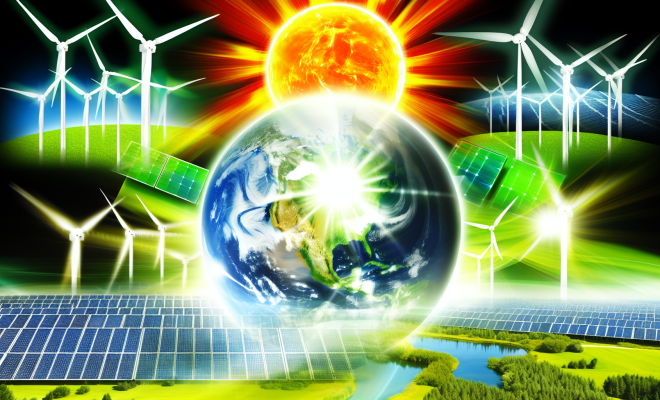
The world is witnessing a remarkable transformation in the energy sector as countries increasingly turn to renewable sources to meet their energy demands. This shift is not only a response to the pressing challenges posed by climate change but also a significant step towards achieving sustainable development. Recent reports indicate a record growth in renewable energy installations, highlighting a pivotal moment in the global push for cleaner energy solutions.
Record Growth in Renewable Energy Installations
According to the latest data from the International Renewable Energy Agency (IRENA), the global capacity for renewable energy reached a staggering 3,065 gigawatts (GW) by the end of 2022. This represents an increase of over 9% from the previous year, showcasing the rapid adoption of technologies such as solar and wind power. In total, renewables accounted for more than 83% of the net increase in global power generation in 2022, underscoring their critical role in the energy landscape.
Solar and Wind Power Leading the Charge
Among the various renewable sources, solar and wind energy have emerged as frontrunners. The solar sector alone saw an addition of 187 GW, bringing the total installed capacity to over 1,200 GW globally. Wind energy also made significant strides, with an additional 82 GW added, totaling nearly 900 GW worldwide. These developments reflect not only technological advancements but also decreasing costs, making renewable energy more accessible than ever.
- Solar Power: The cost of solar energy has dropped by approximately 89% since 2010, making it one of the most affordable sources of electricity.
- Wind Energy: Onshore wind projects are now among the cheapest sources of new power in many regions, with costs falling by around 70% in the last decade.
Investment Trends in Renewable Energy
The investment landscape for renewable energy is also evolving. The total investment in renewable energy technologies reached $495 billion in 2022, marking a historic high. This surge in funding is driven by both public and private sectors, as governments implement policies and incentives to accelerate the transition to clean energy.
China continues to dominate the renewable energy investment scene, accounting for nearly half of the global total. The country invested approximately $281 billion in renewable projects, reflecting its commitment to achieving carbon neutrality by 2060. Other notable investors include the United States and Europe, which have also ramped up their financial commitments to renewables as part of broader climate action plans.
Challenges and Opportunities Ahead
Despite the positive trends, the transition to renewable energy is not without its challenges. Issues such as grid integration, energy storage, and regulatory frameworks need to be addressed to fully harness the potential of renewable sources. Additionally, the supply chain for key components—such as solar panels and wind turbines—faces disruptions due to geopolitical tensions and the ongoing effects of the COVID-19 pandemic.
However, these challenges also present opportunities for innovation and growth. The increasing demand for renewable technologies is spurring advancements in energy storage solutions, such as batteries, which are crucial for balancing supply and demand. Research into new materials and techniques is also paving the way for more efficient and sustainable energy systems.
Global Policy Initiatives Supporting Renewables
International policies are playing a crucial role in promoting renewable energy adoption. The Paris Agreement, adopted in 2015, set ambitious targets for limiting global warming, leading many countries to enhance their commitments to renewable energy. In 2021, over 130 countries pledged to reach net-zero emissions by mid-century, with renewable energy at the forefront of their strategies.
Furthermore, the UN’s Sustainable Development Goals (SDGs) emphasize the importance of affordable and clean energy as a means to promote economic growth and environmental sustainability. As nations align their policies with these goals, the push for renewable energy is expected to gain further momentum.
The Role of Technology and Innovation
Technology and innovation are critical drivers of the renewable energy revolution. Advancements in artificial intelligence (AI), machine learning, and smart grid technologies are enhancing energy efficiency and optimizing resource management. For instance, AI is being utilized to predict energy demand and improve the integration of renewables into existing grids.
Moreover, the rise of decentralized energy systems is empowering communities to generate their own power through solar panels and small wind turbines. This shift not only increases energy security but also fosters local economies and reduces reliance on fossil fuels.
Conclusion: A Sustainable Future Awaits
The global surge in renewable energy installations marks a significant turning point in the fight against climate change and the pursuit of sustainable development. While challenges remain, the rapid advancements in technology, coupled with strong policy support and investment, are paving the way for a cleaner, greener energy future. As nations continue to embrace renewable sources, the world stands on the brink of a new era—one where sustainable energy is not just an aspiration but a reality.