Space Travel’s Impact: Mental & Physical Effects on Astronauts
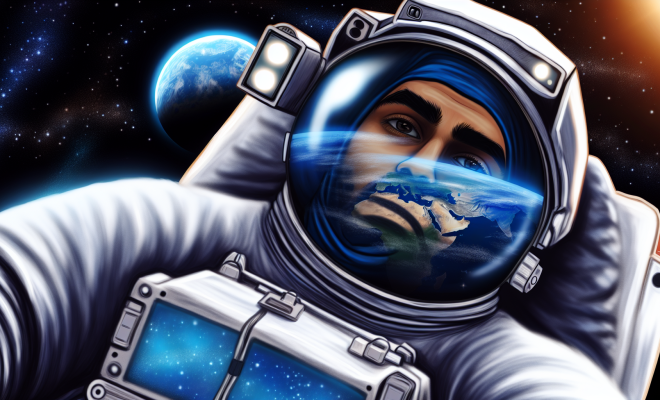
As humanity ventures further into the cosmos, the implications of long-duration spaceflight on the human body and mind are becoming increasingly evident. With missions like Artemis II, which reached an impressive distance of 406,771 kilometers to the moon’s far side, researchers are closely examining how space travel affects astronauts. From bone density loss to psychological challenges, the effects of living and working in microgravity are profound and multifaceted.
The Mental Health Toll of Space Travel
Space travel poses unique challenges to mental health. Astronauts face isolation and confinement, which can lead to increased stress levels. The distance from Earth, combined with the high stakes of their missions, amplifies feelings of loneliness and anxiety. According to NASA, these factors contribute to heightened risks of anxiety, depression, and diminished morale.
Challenges of Isolation and Distance
The psychological impact of being far from home cannot be underestimated. Astronauts live in a confined environment, often for extended periods, which can create a sense of claustrophobia and isolation. The lack of natural light, along with limited personal space, exacerbates these feelings. The physical distance from loved ones on Earth further complicates emotional well-being, making it essential for astronauts to have robust mental health support systems in place.
High-Stress Environments
Additionally, the high-stress nature of space missions can lead to a range of mental health issues. Astronauts are required to perform under pressure, often making critical decisions that could impact their mission and safety. This pressure can lead to feelings of inadequacy and fear, further straining their mental health.
The Physical Consequences of Space Travel
In addition to mental health challenges, space travel presents significant physical risks. One of the most concerning is the loss of bone density. Research indicates that astronauts can experience 1-1.5% monthly bone density loss while in microgravity. This condition is particularly alarming as it increases the risk of fractures and osteoporosis, conditions that can have lasting effects on astronauts’ health.
Cardiovascular Issues
The cardiovascular system also suffers during space missions. Astronauts may face an increased risk of blood clots and arrhythmias due to fluid shifts that occur as the body adjusts to life in microgravity. These changes can lead to serious complications if not monitored and managed appropriately.
Spaceflight-Associated Neuro-Ocular Syndrome
Another significant physical concern is spaceflight-associated neuro-ocular syndrome (SANS). This condition is characterized by changes in vision and eye structure, believed to be caused by fluid shifts that occur in microgravity. Astronauts have reported blurred vision and other visual disturbances, which can impact their ability to perform tasks while in space.
Countermeasures for Mental and Physical Health
To combat these mental and physical challenges, various countermeasures are being implemented. For mental health, NASA encourages astronauts to engage in activities that promote psychological well-being, including:
- Journaling: Writing about their experiences can help astronauts process emotions and reflect on their journey.
- Daily Exercise: Regular physical activity is crucial for maintaining both mental and physical health. Exercise routines help mitigate bone density loss and boost mood.
- Music: Listening to music can provide comfort and improve morale during long missions.
- Communication with Loved Ones: Regular contact with family and friends helps alleviate feelings of isolation and reinforces social connections.
Looking Ahead: The Future of Space Exploration
As space travel becomes more frequent and ambitious, understanding the implications for human health is paramount. With missions like Artemis II paving the way for future exploration, it is essential to prioritize the well-being of astronauts. Ongoing research into the mental and physical effects of spaceflight will help develop better countermeasures and ensure that astronauts can perform their duties effectively while maintaining their health.
The challenges faced by astronauts in space serve as a reminder of the resilience of the human spirit. As we continue to explore the final frontier, addressing the impacts of space travel on our bodies and minds will be crucial in ensuring the success of our endeavors beyond Earth.