AI Plus Symposium 2026: Shaping Education’s Future with AI
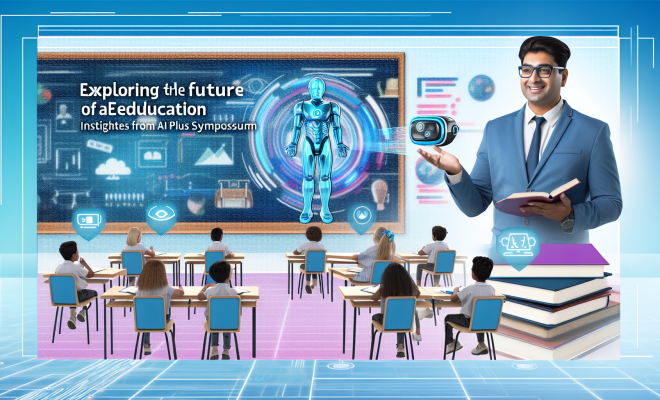
The University at Albany hosted its inaugural AI Plus Symposium from March 6-8, 2026, a groundbreaking event that brought together over 250 participants, including academics, educators, students, and industry professionals. The symposium served as a platform to examine the profound impact of artificial intelligence (AI) on education and society at large.
Fostering Conversations on AI and Education
The event featured a series of keynote presentations, panel discussions, and hands-on demonstrations aimed at exploring the multifaceted effects of AI in educational contexts. Keynote speakers included renowned researchers and thought leaders who shared insights on various aspects of AI research, its ethical implications, and the technological advancements shaping the future of education.
Keynote Highlights
Among the highlights of the symposium were discussions on the ethical challenges posed by AI, emphasizing the need for responsible implementation in educational settings. Speakers stressed the importance of addressing issues such as bias in AI algorithms, data privacy concerns, and the potential for AI to perpetuate existing inequalities in education.
Interactive Demonstrations
In addition to informative talks, the symposium featured interactive demonstrations showcasing innovative applications of AI in education. These presentations illustrated how libraries and educational institutions can engage with AI technologies to enhance learning experiences. Some of the key demonstrations included:
- AI in Libraries: Presenters showcased how libraries can serve as hubs for AI engagement, providing resources and support for both students and faculty.
- Teaching Applications: Various tools were highlighted that utilize AI to improve lesson effectiveness, helping educators tailor their teaching methods to meet the diverse needs of students.
- Research Deployment: Discussions focused on responsible research practices and the ethical use of AI technologies in educational research.
Innovative Uses of AI by UAlbany Students and Faculty
Students and faculty from the University at Albany also took the opportunity to showcase their own AI applications, demonstrating the practical benefits of integrating technology into educational frameworks. Notable projects included:
- Lesson Effectiveness Reflection: An AI tool designed to help educators reflect on the effectiveness of their lessons, providing data-driven insights to enhance teaching strategies.
- Bullying Prevention Training: AI-driven training programs aimed at equipping students and staff with the skills to recognize and address bullying in schools.
- Fake News Detection: A project focused on developing AI tools to help students identify and combat misinformation, enhancing their critical thinking skills.
- Trustworthy Study Materials: An initiative aimed at curating reliable study resources through AI algorithms that assess the credibility of information sources.
- VR Physical Therapy: A pioneering project utilizing virtual reality to assist in physical therapy for injury recovery, showcasing the intersection of technology and health education.
The Role of AI in Shaping Educational Landscapes
The discussions at the AI Plus Symposium underscored the transformative potential of AI in education. As technology continues to evolve, the ways in which students learn, educators teach, and institutions operate are also changing. The symposium aimed to raise awareness about these changes while encouraging collaboration among diverse stakeholders in the education sector.
Building a Responsible Future
As the symposium came to a close, participants were encouraged to consider the ethical implications of AI in education and to advocate for policies that promote equitable access to technology. The conversations initiated at the AI Plus Symposium are expected to continue, fostering a community committed to leveraging AI for positive educational outcomes.
Conclusion: A Call to Action
The inaugural AI Plus Symposium at the University at Albany not only highlighted the current applications of AI in education but also served as a call to action for educators, researchers, and technologists. As we move forward, it is crucial to engage in ongoing dialogue about the implications of AI, ensuring that its integration into education is done thoughtfully and responsibly.
Through collaboration and innovation, stakeholders can work together to harness the power of AI, ultimately transforming educational experiences and preparing future generations for a rapidly evolving digital landscape.