Escalating Tensions: Iran Targets Oil Tankers Amid U.S. Military Response in Strait of Hormuz
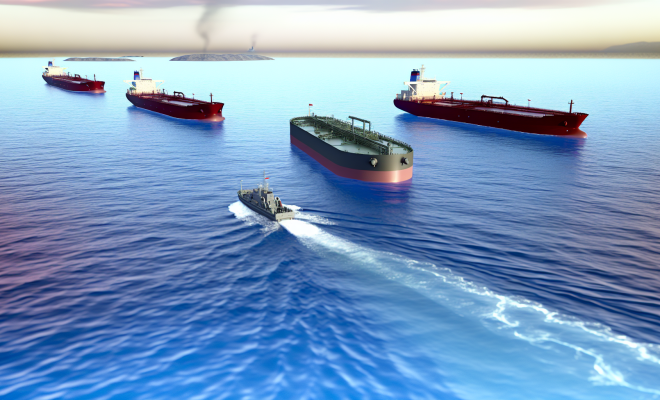
The geopolitical landscape in the Middle East has reached a critical juncture as Iran continues to escalate its aggressive actions against international shipping in the strategically vital Strait of Hormuz. Recent reports indicate that Iran has attacked three oil tankers, effectively halting essential supplies and contributing to a significant surge in global oil prices. This aggressive maneuver comes in the wake of a decisive military response from the United States, which destroyed 16 Iranian mine layers and targeted Iranian air capabilities.
Strait of Hormuz: A Global Oil Lifeline
The Strait of Hormuz is a narrow waterway that serves as a crucial conduit for global oil shipments, accounting for about 20% of the world’s oil supply. With such a substantial portion of energy resources flowing through this region, any disruption can have far-reaching consequences on global markets. The recent Iranian attacks have drawn widespread condemnation and raised alarms over the potential for further conflict.
Iran’s Aggressive Actions
In the latest incidents, Iranian forces targeted three oil tankers overnight, which has drawn international condemnation and heightened tensions in an already volatile region. The attacks not only threaten the safety of maritime navigation but also jeopardize the stability of oil supply chains. As a direct consequence of these actions, global oil prices have seen a sharp increase, reflecting investor fears regarding supply disruptions and escalating military confrontations.
The U.S. Military Response
In response to Iran’s provocations, the United States military has taken decisive action. The U.S. forces successfully destroyed 16 Iranian mine layers, a move aimed at crippling Iran’s ability to threaten maritime navigation in the region. These mine layers are crucial in Iran’s strategy to disrupt shipping routes, and their elimination marks a significant escalation in the U.S. military’s efforts to secure the Strait of Hormuz.
Moreover, the U.S. has targeted Iranian air capabilities, further dismantling the military infrastructure that Iran relies on to conduct its aggressive operations. This demonstrates a clear commitment from the U.S. to protect freedom of navigation and ensure the uninterrupted flow of oil through this vital waterway.
President Trump’s Warning
President Donald Trump has issued stern warnings to Iran, emphasizing that any attempt to restrict access to the Strait of Hormuz will result in intense military retaliation. His administration has consistently maintained a hardline stance against Iranian provocations, underscoring the importance of the Strait not only for the U.S. but for the entire global community. Trump’s comments reflect the administration’s commitment to protecting American interests and those of its allies in the region.
Regional Reactions and Security Measures
Countries in the region, including Qatar, the United Arab Emirates, Saudi Arabia, and Kuwait, have reported incidents involving intercepted Iranian drones and missiles targeting U.S. bases. These developments indicate a broader pattern of Iranian aggression that extends beyond direct attacks on shipping. The regional states are on high alert, and collaborative efforts are being made to bolster security and enhance defensive measures against potential threats.
- Qatar: Increased surveillance and defense protocols around key facilities.
- UAE: Heightened military readiness and cooperation with U.S. forces.
- Saudi Arabia: Strengthening air defense systems to counter Iranian missile threats.
- Kuwait: Ongoing intelligence-sharing initiatives with neighboring countries to enhance regional security.
Israel’s Role in the Escalation
Amidst the rising tensions between Iran and the U.S., Israel has also intensified its military operations against Hezbollah, an Iranian-backed militant group based in Lebanon. Israel’s actions are seen as part of a broader strategy to counter Iranian influence in the region and prevent the establishment of Iranian military bases near its borders.
As Israel continues its operations, the situation remains precarious, with the potential for further escalation. The intersection of these conflicts poses a complex challenge for U.S. foreign policy, as Washington seeks to maintain stability while supporting its allies in the face of Iranian aggression.
Conclusion: A Volatile Future
The recent attacks on oil tankers in the Strait of Hormuz, coupled with the U.S. military’s robust response, illustrate the precarious nature of the situation in the Middle East. With oil prices rising and regional tensions at an all-time high, the potential for conflict remains ever-present. As the international community watches closely, the stakes continue to rise, underscoring the urgent need for diplomatic solutions to mitigate the risks of escalation and ensure the security of vital maritime routes.