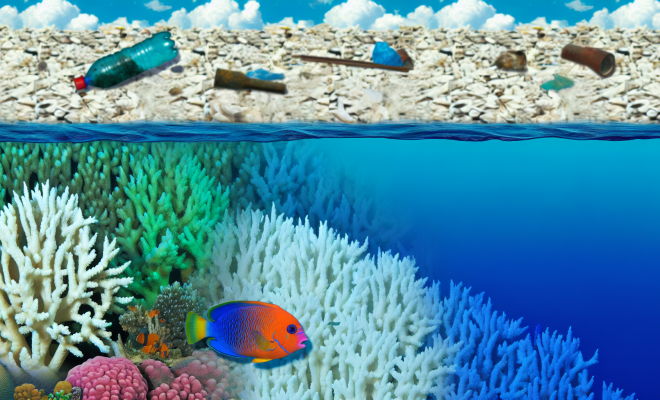
Environmental Devastation: The Hidden Toll of War in the Middle East
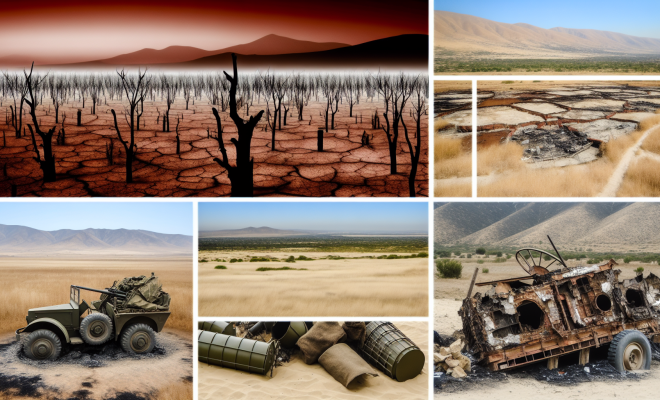
The ongoing conflicts in the Middle East have long been recognized for their profound impact on human lives and economic stability. However, an often-overlooked aspect of these wars is their devastating effect on the environment. As military actions escalate, the resulting environmental destruction is becoming increasingly apparent, with severe implications for the region’s ecology and the health of its inhabitants.
Pollution from Military Operations
One of the most immediate sources of environmental damage comes from military operations themselves. The use of jet fuel during bombing raids creates significant pollution, releasing harmful chemicals and particulates into the atmosphere. These emissions contribute to air quality degradation, which can have dire consequences for public health.
In addition to air pollution, the destruction of oil depots during military strikes leads to acrid smoke that blankets the region. The burning of oil not only releases toxic fumes but also contributes to the greenhouse effect, exacerbating climate change. This scenario is compounded by the fact that oil spills and leaks from damaged infrastructure further contaminate local water sources, posing risks to both human and wildlife populations.
Impact on Biodiversity
The ecological impact of war extends beyond pollution. The destruction of habitats due to military operations disrupts local wildlife and biodiversity. Areas that were once rich in flora and fauna are now scarred by conflict, leading to a loss of species and a decline in ecosystem health. This is particularly concerning in regions where unique species have evolved and are not found anywhere else in the world.
- Habitat Destruction: Bombing campaigns and ground operations can obliterate critical habitats for numerous species.
- Pollinator Decline: The loss of native plants due to warfare can lead to a decrease in pollinator populations, further threatening local agriculture and ecosystems.
- Water Contamination: Chemicals from munitions and fuel can seep into groundwater, affecting both wildlife and human populations.
Long-Term Consequences for Communities
The environmental degradation caused by war has severe implications for the communities that inhabit these regions. As air and water quality deteriorate, the health of residents is at significant risk. Increased rates of respiratory illnesses, cancers, and other health issues can often be traced back to environmental exposure from military activities.
Moreover, the destruction of natural resources hampers economic recovery. Communities that rely on agriculture and fishing are particularly vulnerable, as polluted land and water make it difficult to maintain sustainable livelihoods. The economic costs of environmental destruction must be considered alongside the immediate costs of conflict, as they can hinder long-term recovery efforts and exacerbate poverty.
International Response and Responsibility
The environmental consequences of war in the Middle East call for an urgent international response. Efforts to mitigate environmental damage and promote ecological restoration should be prioritized in post-conflict recovery plans. International organizations and governments must recognize that environmental health is intrinsically linked to human health and security.
Furthermore, the military’s responsibility to minimize environmental impacts during operations must be emphasized. Strategies such as using less harmful alternatives to conventional munitions, implementing better planning to avoid ecological hotspots, and investing in clean-up efforts after conflicts can help mitigate the damage inflicted on the environment.
Conclusion: A Call for Awareness
As the world continues to witness the turmoil in the Middle East, it is crucial to broaden the conversation surrounding the impacts of war. While the human and economic costs are often at the forefront, the environmental consequences deserve equal attention. Understanding the intricate relationship between conflict and environmental degradation is vital for fostering sustainable peace and recovery.
As advocates for the environment, we must push for policies that prioritize ecological health in conflict zones. Only by addressing the environmental toll of war can we hope to create a more sustainable and peaceful future for the Middle East and its people.