US vs. China: The Battle for Global Energy Dominance
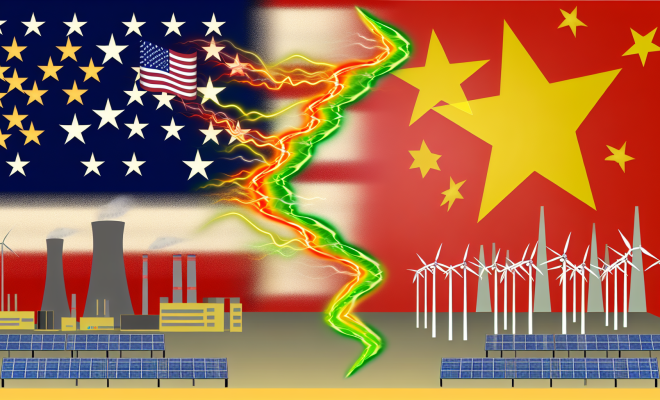
The ongoing tensions in the global energy landscape have reached a fever pitch as the blockade of the Strait of Hormuz disrupts energy markets worldwide. This geopolitical turmoil has far-reaching implications not only for energy security but also for the strategic competition between two of the world’s largest economies: the United States and China. As both nations vie for influence over energy resources and policy, the dynamics of this competition are reshaping the future of energy production and consumption.
The Strait of Hormuz: A Critical Energy Corridor
The Strait of Hormuz, a narrow waterway connecting the Persian Gulf to the Arabian Sea, is a crucial passage for global oil shipments. Approximately 20% of the world’s crude oil passes through this strait, making it an essential artery for international energy trade. Any disruption in this passage can lead to significant fluctuations in oil prices and widespread market instability.
As tensions in the region escalate, including military posturing and economic sanctions, the potential for a blockade poses a dire threat to global energy security. Nations reliant on oil imports face the prospect of supply shortages, prompting them to seek alternative sources of energy and reevaluate their energy strategies.
The U.S. Energy Landscape: Embracing Domestic Production
In response to the shifting dynamics of the global energy market, the United States has adopted an aggressive stance on domestic energy production. The U.S. has become a leader in oil and natural gas production, thanks in part to advancements in hydraulic fracturing and horizontal drilling technologies.
These innovations have unlocked vast reserves of shale oil and gas, transforming the U.S. into one of the world’s top oil producers. According to the U.S. Energy Information Administration (EIA), the U.S. produced approximately 11.2 million barrels of crude oil per day in 2022, making it a key player in global energy markets.
Energy Independence and Security
The push for energy independence has become a cornerstone of U.S. energy policy. By reducing reliance on foreign oil, the U.S. aims to enhance its national security and economic stability. This shift is also reflected in the country’s strategic reserves, including the U.S. Strategic Petroleum Reserve (SPR), which serves as an emergency buffer against supply disruptions.
Furthermore, the Biden administration has emphasized a transition towards renewable energy sources, setting ambitious targets to reduce greenhouse gas emissions and combat climate change. The U.S. aims to achieve a carbon-free power sector by 2035 and reach net-zero emissions by 2050. This dual approach of bolstering domestic production while investing in renewable energy reflects the complexities of U.S. energy policy.
China’s Energy Strategy: A Quest for Resources
In contrast to the U.S. approach, China is heavily reliant on imported energy to fuel its rapid economic growth. As the world’s largest oil importer, China is acutely aware of the vulnerabilities associated with its energy supply chain. The country’s energy strategy is centered around securing access to critical resources, including oil, natural gas, and renewable energy technologies.
China’s Belt and Road Initiative (BRI) plays a pivotal role in its energy strategy. This ambitious infrastructure project aims to enhance connectivity and trade across Asia, Europe, and Africa, while simultaneously securing energy resources. By investing in energy projects abroad, China seeks to diversify its energy supply and reduce dependence on volatile markets.
Investment in Renewable Energy
China is also leading the charge in renewable energy investments. The country is the world’s largest producer of solar panels and has made significant strides in wind energy production. According to the International Energy Agency (IEA), China accounted for nearly 50% of global solar photovoltaic capacity in 2022.
As part of its commitment to achieve carbon neutrality by 2060, China is ramping up efforts to transition to cleaner energy sources. This ambitious goal includes substantial investments in nuclear power, electric vehicles, and battery technologies, positioning China as a formidable competitor in the global energy transition.
Geopolitical Implications of Energy Competition
The rivalry between the U.S. and China over energy resources has significant geopolitical implications. As both nations pursue their respective energy strategies, the competition for influence in key regions, particularly in the Middle East and Africa, intensifies.
In the Middle East, U.S. allies such as Saudi Arabia and the United Arab Emirates are crucial players in the global oil market. However, China’s growing investment in these countries poses a challenge to U.S. dominance. China has established strategic partnerships with Gulf nations, securing energy deals that enhance its foothold in the region.
Energy Security and Diplomacy
Energy security has become a central theme in U.S.-China relations. The U.S. has historically relied on a network of alliances to ensure the stability of energy supplies. However, as China expands its influence, the U.S. is compelled to reassess its diplomatic strategies.
Moreover, the competition for resources has implications for global energy governance. The U.S. has traditionally championed multilateral institutions and frameworks, while China has sought to establish alternative mechanisms that align with its interests. This divergence in approaches complicates efforts to address pressing global energy challenges, such as climate change and energy access.
The Future of Energy: Cooperation or Conflict?
The future of energy is at a crossroads as the U.S. and China navigate their rivalry. While competition is a defining aspect of their relationship, there are also opportunities for cooperation in addressing common challenges, particularly in the realm of climate change and sustainable energy development.
Both nations face the urgent need to transition to cleaner energy sources to mitigate the impacts of climate change. Collaborative efforts in research and innovation could yield breakthroughs in renewable technologies, energy storage, and carbon capture, which would benefit both countries and the global community.
The Role of Technology and Innovation
Technological innovation is critical to the future of energy. The U.S. and China are investing heavily in research and development to advance energy technologies. From artificial intelligence in energy management to breakthroughs in battery technology, the race for innovation is reshaping the energy landscape.
For instance, the development of advanced nuclear reactors and next-generation solar cells could revolutionize energy production. Both nations have the potential to lead in these technologies, but collaboration could accelerate progress and drive down costs.
Conclusion: Navigating a Complex Energy Future
The competition for energy dominance between the U.S. and China is emblematic of broader geopolitical tensions and reflects the complexities of the global energy landscape. As the strait of Hormuz remains a focal point of uncertainty, both nations must navigate their rivalry with a keen awareness of the interconnectedness of energy security, climate change, and technological innovation.
The path forward may not be clear, but the stakes are high. The decisions made today will shape the energy landscape for generations to come. Whether through competition or cooperation, the future of energy will undoubtedly be influenced by the actions and policies of these two global giants.