8 Surprising Potassium-Rich Foods You Need to Eat
“`html
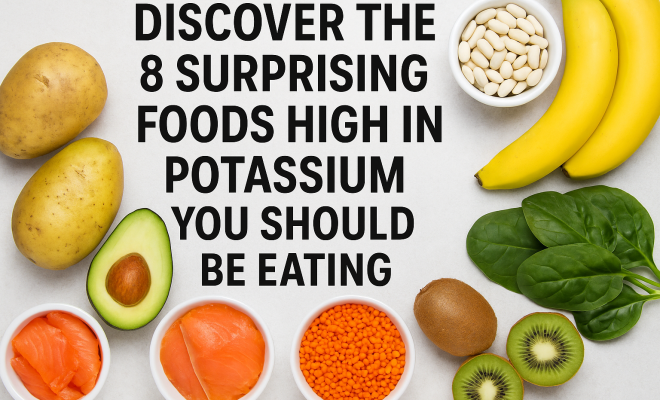
When it comes to foods high in potassium, the first item that often comes to mind is the humble banana. However, this popular perception overlooks a range of nutrient-rich foods that can provide significantly higher levels of potassium. Potassium is an essential mineral that plays a vital role in maintaining healthy blood pressure, supporting heart function, and facilitating muscle contractions. In this article, we will explore eight surprising foods rich in potassium that can help you meet your dietary needs while promoting overall health.
1. Potatoes: The Unsung Hero
When most people think of foods high in potassium, they often overlook potatoes, especially the russet variety. A baked russet potato with its skin on can contain a staggering 952 mg of potassium. This is more than double the potassium found in a medium banana, which holds about 422 mg.
Potatoes are not only versatile but also provide a satisfying source of carbohydrates. You can enjoy them as baked, mashed, or even as a base for various dishes. Incorporating potatoes into your meals can be an easy way to boost your potassium intake while enjoying a comforting staple.
Interestingly, the potassium content in potatoes can vary based on preparation methods. For instance, frying potatoes may reduce their potassium levels, while boiling or baking preserves most of their nutrients. Moreover, keeping the skin on maximizes potassium intake, as many nutrients are concentrated in the skin.
2. Sweet Potatoes: A Nutrient Powerhouse
Sweet potatoes are another excellent source of potassium, offering about 541 mg per medium baked sweet potato. Beyond their high potassium content, sweet potatoes are rich in vitamins A and C, making them a nutritious addition to your diet.
Consider including sweet potatoes in your meals as a sweet, nutrient-dense alternative to regular potatoes. They can be roasted, mashed, or even used in soups and stews. Their naturally sweet flavor makes them a favorite amongst both adults and kids, ensuring that everyone can benefit from their potassium-rich profile.
Additionally, sweet potatoes are packed with antioxidants, particularly beta-carotene, which plays a role in boosting the immune system. They can also help regulate blood sugar levels due to their low glycemic index, making them a healthy choice for diabetics.
3. Beans: Versatile and Healthy
Beans, particularly white beans and kidney beans, are exceptional foods high in potassium. A single cup of cooked white beans can provide around 1,189 mg of potassium, surpassing both bananas and potatoes. Beans are also a great source of protein and fiber, making them a filling and heart-healthy choice.
Incorporate beans into your diet by adding them to salads, soups, tacos, or even blending them into hummus. Their versatility allows for easy integration into various cuisines, making it simple to enjoy their numerous health benefits.
Moreover, beans are an excellent choice for vegetarians and vegans, as they offer a substantial protein alternative. They also contribute to gut health due to their high fiber content, which aids in digestion and can help prevent constipation.
4. Lentils: Tiny but Mighty
Lentils are another plant-based powerhouse, packed with potassium and other essential nutrients. A cup of cooked lentils provides approximately 731 mg of potassium. They are also high in protein and fiber, contributing to improved digestion and long-lasting energy. (See: Potassium and its health benefits.)
Cooking lentils is straightforward, and they can be used in a variety of dishes. Try adding them to salads, stews, or even as a base for lentil burgers. Their hearty texture makes them a satisfying choice for those looking to increase their potassium intake without sacrificing flavor.
Beyond potassium, lentils are rich in iron, which is crucial for preventing anemia. They can be an excellent source of nutrition for those on a plant-based diet, ensuring they receive essential vitamins and minerals.
5. Beet Greens: A Nutritional Treasure
While many people might discard beet greens, they are actually a hidden gem among foods high in potassium. Just one cup of cooked beet greens can contain around 1,300 mg of potassium, making them one of the richest sources available.
Beet greens can be sautéed with garlic and olive oil or added to smoothies for a nutrient boost. Their slightly earthy flavor pairs well with various dishes, and their impressive potassium content makes them a fantastic choice for anyone looking to enhance their diet with nutritious greens.
In addition to potassium, beet greens are also high in vitamins K and A, which are essential for maintaining good vision and proper blood clotting. Incorporating beet greens into your diet can contribute to overall well-being.
6. Spinach: Leafy Green Power
Spinach is widely recognized for its health benefits, and its potassium content is no exception. One cup of cooked spinach can provide roughly 839 mg of potassium. In addition to being high in potassium, spinach is rich in antioxidants, vitamins, and minerals, making it a valuable addition to any meal.
Incorporate spinach into your diet by adding it to salads, omelets, smoothies, or as a side dish. Its mild flavor allows it to blend effortlessly into various cuisines, making it a practical choice for those looking to increase their potassium intake.
Furthermore, spinach contains oxalates, which can inhibit calcium absorption, so pairing spinach with calcium-rich foods can enhance nutrient absorption. Its versatility allows it to be enjoyed in raw or cooked forms, increasing its utility in various dishes.
7. Certain Juices: A Refreshing Source
Many fruit and vegetable juices can serve as excellent sources of potassium. For example, a cup of orange juice contains about 496 mg of potassium, while a cup of tomato juice can provide around 556 mg. Juices can be a refreshing and convenient way to boost your potassium intake, especially during warmer months.
However, it’s essential to choose 100% juice options with no added sugars for the most health benefits. Incorporate these juices into your breakfast routine or as a midday refreshment to enhance your potassium intake while enjoying a burst of flavor.
It’s also worth noting that consuming whole fruits and vegetables often provides additional dietary fiber, which aids in digestion and enhances satiety compared to juice alone. Mixing juices with ingredients like spinach or kale can create nutrient-rich smoothies that pack even more potassium.
8. Certain Fish: A Protein-Packed Option
Many may not realize that certain fish can also be excellent foods high in potassium. For instance, a 3-ounce serving of salmon provides about 628 mg of potassium. Fish is not only rich in potassium but also offers protein and omega-3 fatty acids, which are beneficial for heart health.
Incorporating fish into your diet can be as simple as grilling, baking, or adding it to salads. Consider making fish a regular part of your weekly meals to enjoy both its potassium content and its numerous health benefits. (See: CDC on potassium intake recommendations.)
In addition to salmon, other fish such as halibut, tuna, and cod also provide significant amounts of potassium. Including a variety of fish in your diet not only helps meet potassium needs but also supports overall nutritional balance with essential fatty acids.
Why It’s Important to Increase Potassium Intake
Maintaining adequate potassium levels is crucial for several bodily functions, including:
- Heart Health: Potassium helps regulate blood pressure, reducing the risk of heart diseases such as hypertension.
- Muscle Function: An adequate potassium level is essential for muscle contractions and movements. Deficiencies can lead to muscle weakness or cramps.
- Nerve Transmission: Potassium is vital for transmitting electrical signals in the body, which is necessary for reflexes and other nerve functions.
- Bone Health: Some studies suggest that potassium may help preserve bone density by neutralizing acids that can lead to calcium loss.
Given these health benefits, focusing on potassium-rich foods is a wise dietary choice.
Comparing Potassium Sources
Potassium is found in a variety of foods, but not all sources are created equal. Here’s a comparison of some common potassium-rich foods:
| Food Item | Potassium Content (per serving) |
|---|---|
| Baked Potato (with skin) | 952 mg |
| Sweet Potato (medium) | 541 mg |
| White Beans (cooked) | 1,189 mg |
| Spinach (cooked) | 839 mg |
| Salmon (3 ounces) | 628 mg |
| Orange Juice (1 cup) | 496 mg |
This comparison highlights the potassium density of different foods, emphasizing how easy it can be to meet your potassium needs through dietary choices.
FAQ: Understanding Potassium and Its Sources
What are the daily potassium requirements for adults?
Most adults need about 2,500 to 3,000 mg of potassium daily, depending on age, gender, and overall health. It’s important to adjust this intake based on dietary restrictions or medical advice.
Can you get too much potassium?
Yes, while potassium is essential, excessive intake can lead to hyperkalemia, a condition characterized by high potassium levels in the blood. This can be harmful, particularly for individuals with kidney issues. It is crucial to consult with a healthcare professional about your potassium intake if you have any underlying health conditions.
Are processed foods high in potassium?
While some processed foods may contain added potassium, they often also contain high levels of sodium, which can negate the benefits of potassium. It’s generally healthier to focus on whole, unprocessed foods to meet your potassium needs.
How can I easily incorporate more potassium into my diet?
To increase your potassium intake, try:
- Adding beans or lentils to salads and soups.
- Choosing baked potatoes or sweet potatoes as side dishes.
- Incorporating leafy greens like spinach and beet greens into your meals.
- Drinking 100% fruit juices in moderation, while also eating whole fruits.
- Choosing fish like salmon or tuna regularly in your diet.
Exploring Other Whole Foods High in Potassium
In addition to the foods already mentioned, there are several other whole foods that can significantly contribute to your potassium intake: (See: Harvard's insights on potassium.)
Avocado: The Creamy Fruit
Avocado is not only a source of healthy fats but also provides a good amount of potassium. One medium avocado contains about 975 mg of potassium. This makes it an excellent addition to salads, sandwiches, or smoothies. The creamy texture of avocado also makes it a great substitute for butter or mayonnaise in various recipes, further enhancing your dietary potassium while reducing saturated fats.
Tomatoes: A Juicy Source
Fresh tomatoes contain approximately 292 mg of potassium per medium-sized tomato, while tomato sauce can contain even higher amounts due to concentration during cooking. Tomatoes are incredibly versatile, serving as the base for sauces, salads, and soups. They are also rich in lycopene, an antioxidant linked to numerous health benefits, including a lower risk of certain cancers.
Yogurt: A Creamy Potassium Booster
Yogurt is an excellent source of potassium, with roughly 573 mg per cup. It’s also rich in probiotics, which promote gut health. Opt for plain, low-fat yogurt to avoid added sugars, and consider mixing in potassium-rich fruits like bananas or berries for a nutritious breakfast or snack.
The Role of Potassium in Athletic Performance
For athletes and active individuals, maintaining adequate potassium levels is essential for optimal performance. Potassium plays a key role in muscle contractions and nerve function, which are critical during exercise. Insufficient potassium can lead to muscle cramps and fatigue, hindering athletic performance.
Many athletes turn to electrolyte drinks that contain potassium to replenish lost electrolytes during intense training sessions. However, it’s often better to focus on whole food sources of potassium for sustained energy and health benefits. Incorporating potassium-rich foods before and after workouts can promote recovery and enhance performance.
Potassium-Rich Meal Ideas
Here are some meal ideas rich in potassium that you can easily incorporate into your diet:
- Breakfast: A smoothie made with spinach, banana, and yogurt, or oatmeal topped with sliced avocado and nuts.
- Lunch: A salad featuring mixed greens, chickpeas, and diced tomatoes, or a whole grain wrap filled with sliced turkey, spinach, and avocado.
- Dinner: Grilled salmon served with a side of baked sweet potatoes and steamed beet greens, or a stir-fry made with tofu, broccoli, and bell peppers.
- Snacks: Sliced cucumbers with hummus, or a handful of dried apricots and almonds.
Conclusion: Why Potassium Matters
Potassium is a critical nutrient that plays a significant role in maintaining heart health, regulating blood pressure, and ensuring proper muscle function. By including a variety of foods high in potassium in your diet, you can easily meet your daily requirements and support your overall health.
From the underrated potato to the nutrient-dense beet greens, exploring these potassium-rich foods can broaden your culinary horizons while promoting better health outcomes. Aiming for a balanced diet that includes these foods can also help address hidden nutrient gaps, ultimately contributing to long-lasting wellness.
“`
Trending Now
- read the full story
- TRIBIT Rolls Out Major Firmware Update for StormBox Blast 2, Elevating Summer Audio Experien
- our breakdown of how the charles schwab economy insights can help you navigate today’s financial landscape
- our breakdown of 5 key imperatives for strengthening american economic competitiveness today
- this guide on unlocking social media success: 10 proven strategies to find your niche for affiliate marketing
Frequently Asked Questions
What foods are highest in potassium?
While bananas are often thought of as the go-to source of potassium, other foods like baked russet potatoes, sweet potatoes, spinach, and avocados actually contain higher levels. For instance, a medium baked russet potato has about 952 mg of potassium, significantly more than a banana's 422 mg.
How can I increase my potassium intake?
To boost your potassium intake, incorporate foods like baked potatoes, sweet potatoes, spinach, and avocados into your meals. Preparing these foods by baking or boiling rather than frying helps retain their potassium content, especially when keeping the skins on potatoes.
Why is potassium important for health?
Potassium is vital for maintaining healthy blood pressure, supporting heart function, and facilitating muscle contractions. Adequate potassium intake can help reduce the risk of hypertension and cardiovascular diseases, making it an essential nutrient for overall health.
Are sweet potatoes a good source of potassium?
Yes, sweet potatoes are an excellent source of potassium, providing about 541 mg per medium baked potato. They also offer additional health benefits due to their high vitamin A and C content, making them a nutritious addition to any diet.
Can frying potatoes reduce their potassium content?
Yes, frying potatoes can reduce their potassium levels. To maximize potassium intake, it is recommended to bake or boil potatoes instead, and keeping the skin on helps retain more nutrients, including potassium.
Have you experienced this yourself? We’d love to hear your story in the comments.