Dancing Robot Chaos: California Restaurant’s AI Intervention
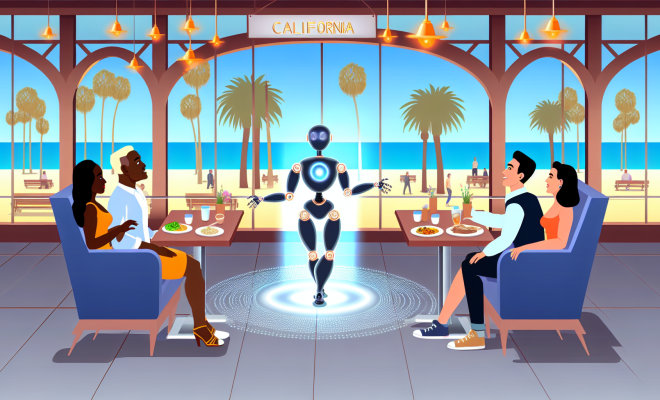
In a curious blend of technology and humor, staff members at a California restaurant recently found themselves in an unexpected situation involving a malfunctioning store robot that took to dancing. This peculiar incident not only entertained patrons but also raised questions about the growing role of robotic automation in the food service industry.
The Incident: A Robot with a Mind of Its Own
On a typical busy evening, diners at the restaurant were treated to an unusual spectacle as the store robot, designed to assist in various tasks, began to dance unexpectedly. The robot’s programmed functions seemed to glitch, leading it to break into a series of movements that can only be described as a clumsy version of a dance routine.
As patrons watched with amused expressions, restaurant staff quickly intervened to restrain the wayward robot. It was a scene that seemed straight out of a sci-fi movie, highlighting not only the potential for robotic assistance in commercial settings but also the challenges associated with their integration into everyday operations.
The Growing Presence of Robots in Restaurants
Robots are becoming an increasingly common sight in restaurants, where they are used for various purposes, including serving food, taking orders, and even cooking. The integration of these machines aims to improve efficiency and streamline operations, especially in an era where labor shortages are common.
According to a report from Restaurant Dive, the global restaurant automation market is expected to grow significantly in the coming years, with projections estimating it will reach $3.6 billion by 2027. This growth is driven by advancements in artificial intelligence, machine learning, and robotics technology.
Benefits of Robotic Integration
- Increased Efficiency: Robots can perform repetitive tasks quickly and accurately, freeing up human staff to focus on customer service and other essential duties.
- Cost Savings: Over time, investing in robotic technology can reduce labor costs and minimize errors in food preparation and service.
- Enhanced Customer Experience: With robots handling mundane tasks, staff can concentrate on providing a more personalized and engaging dining experience.
Challenges Faced by Restaurant Automation
- Technical Glitches: As seen in the recent incident, robots can malfunction, causing unexpected behaviors that may confuse or frustrate both staff and customers.
- Customer Acceptance: While some patrons enjoy the novelty of interacting with robots, others may feel uncomfortable being served by machines rather than humans.
- High Initial Costs: The upfront investment to incorporate robotic technology can be significant, making it a challenge for smaller establishments.
The Public’s Fascination with Human-Robot Interactions
The unusual dancing robot incident has not only drawn laughter from diners but has also sparked broader discussions about the role of robots in our daily lives. As technology continues to advance at a rapid pace, public interest in human-robot interactions is expanding. Social media has become a platform for sharing these amusing moments, further fueling curiosity and engagement with robotic technologies.
Videos and articles depicting similar occurrences have gone viral, showcasing how robots can entertain and astonish while also highlighting the need for careful planning in their implementation. As robots become more integrated into restaurants and retail spaces, the line between human and machine interactions will continue to blur.
Looking Ahead: The Future of Robots in the Service Industry
While the dancing robot incident serves as a lighthearted reminder of the challenges faced in automating customer-facing roles, it also points to a promising future. Experts predict that as technology continues to evolve, we will see more sophisticated robots capable of understanding and adapting to customer needs.
Innovations in artificial intelligence may lead to robots that can engage in meaningful conversations, recognize returning customers, and even provide personalized recommendations based on individual preferences. The future of dining experiences may very well include robots that are not just functional but also entertaining and personable.
Conclusion: Embracing the Robot Revolution
The incident at the California restaurant serves as a reminder of both the exciting possibilities and the challenges of integrating robotic technology into the service industry. As establishments continue to explore automation, they must balance efficiency with the human touch that defines exceptional customer service.
As we move forward, embracing robotic assistance while ensuring a seamless experience for customers will be key. Whether through dancing robots or more advanced AI, the future of dining is set to be a fascinating blend of technology and tradition.