Montgomery Co. Stream Contaminated After 2024 Sewage Spill
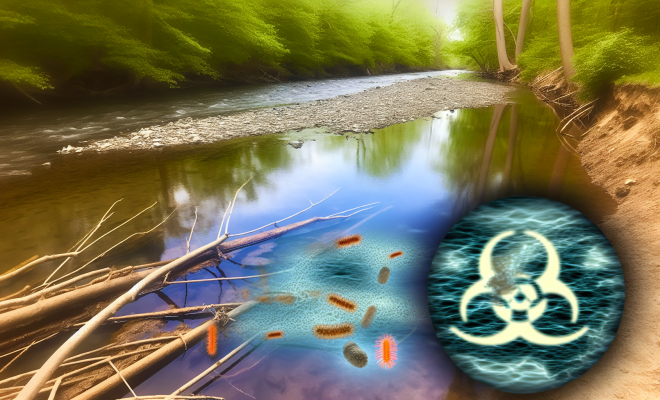
Montgomery County, MD – An alarming report from an environmental group has revealed dangerously high levels of bacteria in a local stream, nearly two months after a catastrophic sewage spill from a wastewater pipeline. This incident, which occurred on January 15, has raised significant concerns regarding the ongoing contamination of waterways in the region, particularly the Potomac River.
The Spill: A Timeline of Events
The sewage spill, which has been described as one of the most significant environmental incidents in recent years, resulted from the collapse of a wastewater pipeline. This disaster unleashed over 200 million gallons of untreated sewage into the Potomac River, posing a severe threat to local ecosystems and public health.
In the aftermath of the spill, officials promptly initiated cleanup and monitoring operations. However, concerns about the long-term impacts of the spill have persisted, particularly as reports of high bacteria levels emerged.
Health Risks Associated with High Bacteria Levels
The recent findings indicate that the bacteria levels in the Montgomery County stream exceed safe limits. The presence of high bacteria levels in water bodies is a significant public health risk, as it can lead to a range of illnesses, particularly gastrointestinal diseases. Exposure to contaminated water can affect individuals who swim, fish, or engage in other recreational activities in the affected areas.
Local health officials have warned residents to avoid contact with the contaminated stream and the Potomac River until the water quality improves. Dr. Lisa Greene, a public health expert, emphasized that the situation needs immediate attention, stating, “Raw sewage carries pathogens that can lead to serious health issues. We urge the community to stay vigilant and report any unusual water conditions.”
Environmental Impact and Recovery Efforts
The environmental implications of the sewage spill extend beyond immediate health concerns. The Potomac River is a critical ecosystem that supports various wildlife and serves as a vital resource for the communities surrounding it. The introduction of untreated sewage can lead to oxygen depletion in the water, adversely affecting fish populations and other aquatic organisms.
In response to the spill, environmental organizations have mobilized to monitor water quality and advocate for stricter regulations on wastewater management. Green River Alliance, a local environmental group, has been at the forefront of these efforts, conducting regular water testing and raising awareness about the incident’s consequences.
- Regular water quality testing in local waterways.
- Community education programs on the impacts of sewage spills.
- Advocacy for improved infrastructure to prevent future spills.
Community Response and Future Actions
The community’s response to the sewage spill has been a mix of concern and proactive engagement. Residents have expressed frustration over the incident and the potential risks it poses to their health and environment. Local governments are under pressure to enhance emergency response protocols and strengthen environmental regulations to prevent similar incidents in the future.
Furthermore, a public meeting is scheduled for March 20, where residents will have the opportunity to voice their concerns and hear from local officials about ongoing recovery efforts. The meeting aims to foster a collaborative approach to addressing the fallout from the spill and improving water safety in the region.
Looking Ahead: Preventing Future Incidents
As the community grapples with the repercussions of the sewage spill, it is imperative to implement long-term solutions to prevent similar disasters. Infrastructure upgrades, routine maintenance of wastewater systems, and comprehensive environmental regulations are essential steps in safeguarding local waterways.
Advocates are calling for increased investment in sustainable sewage management practices, including:
- Upgrading aging infrastructure to prevent pipe failures.
- Implementing advanced treatment technologies for wastewater.
- Enhancing monitoring and reporting requirements for sewage systems.
By prioritizing these measures, local authorities can not only address the immediate crisis but also work towards a more sustainable future for the Potomac River and its surrounding communities.
Conclusion
The recent sewage spill has highlighted significant vulnerabilities in Montgomery County’s wastewater management systems and raised critical questions about the safety of local water resources. With high bacteria levels detected in nearby streams, residents are urged to remain vigilant and engaged in advocacy efforts for better environmental protections. As recovery efforts continue, it is essential that the local community, government, and environmental organizations work together to prevent further contamination and protect the health of residents and the ecosystems they cherish.