ChargePoint Boosts SoCal EV Charging for Cleaner Air
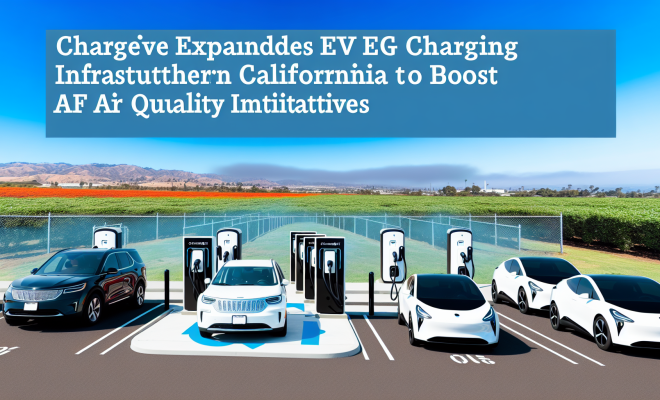
In a significant move to enhance electric vehicle (EV) accessibility, ChargePoint, a global leader in EV charging solutions, has enabled over 90 charging ports for the South Coast Air Quality Management District (AQMD). This initiative is aimed at improving air quality across a region that includes Los Angeles, Orange, Riverside, and San Bernardino counties.
Expanding Charging Infrastructure for a Cleaner Future
The South Coast AQMD plays a crucial role in managing air quality in one of the most densely populated areas of the United States. With the implementation of these new charging ports, ChargePoint is taking a proactive step toward supporting the region’s air quality improvement initiatives. The expansion of EV charging stations is vital in accelerating the adoption of electric vehicles, thereby reducing greenhouse gas emissions and air pollutants.
Commitment to Electric Vehicle Adoption
ChargePoint’s initiative underscores the company’s commitment to expanding charging networks in major metropolitan areas. As the demand for electric vehicles continues to rise, the availability of charging infrastructure becomes increasingly critical. By providing more charging options, ChargePoint is not only facilitating the transition to electric mobility but also encouraging residents and businesses to consider EVs as a viable alternative to traditional gasoline-powered vehicles.
Benefits of Increased Charging Availability
The introduction of over 90 charging ports in the South Coast AQMD area offers a myriad of benefits:
- Enhanced Accessibility: More charging stations mean greater convenience for EV owners, making it easier for them to charge their vehicles while at work, shopping, or engaging in other activities.
- Support for Local Initiatives: This expansion aligns with local government efforts to improve air quality and promote sustainable transportation options.
- Reduction in Emissions: Increasing the number of EV charging stations directly contributes to a decrease in carbon emissions and other harmful pollutants, benefiting public health and the environment.
- Boosting Economic Development: The establishment of charging infrastructure can attract new businesses and enhance property values in the surrounding areas.
Partnerships and Future Plans
ChargePoint’s collaboration with the South Coast AQMD is part of a broader strategy to partner with local governments and organizations to expand EV infrastructure. This initiative is a testament to the growing recognition of the importance of electric mobility in combating climate change and improving air quality.
As part of its ongoing efforts, ChargePoint plans to continue expanding its network of charging stations across the country, with a focus on areas that are underserved. The company aims to make electric vehicle charging more accessible to all, regardless of location.
The Role of Electric Vehicles in Air Quality Improvement
Electric vehicles are becoming an essential component of air quality improvement strategies. The South Coast AQMD has been actively working to reduce the number of fossil fuel-powered vehicles on the road. As more consumers make the switch to electric, the overall emissions from the transportation sector can be significantly reduced.
According to the California Air Resources Board, transportation is the largest source of greenhouse gas emissions in California, accounting for more than 40% of the state’s total emissions. By investing in EV infrastructure, ChargePoint and other stakeholders are contributing to a cleaner, healthier environment for future generations.
Community Engagement and Awareness
In addition to expanding charging infrastructure, it is crucial for organizations like ChargePoint to engage with the community to raise awareness about the benefits of electric vehicles. Educational campaigns, workshops, and partnerships with local businesses can help inform residents about the advantages of switching to EVs.
Furthermore, local governments can play a significant role in incentivizing electric vehicle adoption through rebates, tax credits, and other financial incentives. By creating a supportive ecosystem for EVs, communities can foster a culture of sustainability and environmental consciousness.
Conclusion: A Step Towards Sustainable Transportation
ChargePoint’s enablement of over 90 charging ports for the South Coast AQMD marks a pivotal moment in the journey toward a sustainable transportation future. By enhancing EV charging accessibility, ChargePoint is not only supporting local air quality initiatives but also encouraging the adoption of electric vehicles.
As cities and regions continue to grapple with air pollution and climate change, the expansion of EV infrastructure will be vital in driving the transition towards cleaner transportation options. ChargePoint’s initiative serves as a model for other communities looking to improve air quality and promote electric mobility.