BMW Unveils New i3: Sustainable Mobility with Neue Klasse
Introduction to the New BMW i3
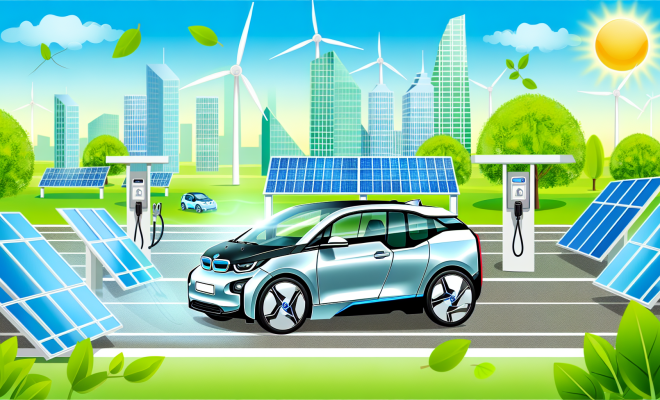
BMW has officially unveiled the new i3, marking the second model in its innovative Neue Klasse lineup. This launch reinforces the brand’s commitment to a holistic approach to sustainability, an initiative that integrates resource efficiency, supply chain decarbonization, and principles of ‘Design for Circularity’. As the automotive industry increasingly pivots towards eco-friendly solutions, the i3 stands out as a significant step in BMW’s journey toward a greener future.
Holistic Sustainability in Focus
The BMW i3 is not just another electric vehicle (EV); it embodies a comprehensive strategy aimed at reducing the environmental impact of car production and usage. The company is making strides to minimize the carbon footprint associated with its manufacturing processes and the lifecycle of its vehicles. This approach encompasses a variety of initiatives:
- Resource Efficiency: The i3 is designed to use materials and energy in a manner that maximizes efficiency while minimizing waste.
- Supply Chain Decarbonization: BMW is actively working to reduce emissions throughout its supply chain, ensuring that every component of the i3 adheres to sustainable practices.
- Design for Circularity: This principle focuses on creating vehicles that can be easily recycled or repurposed, thus reducing the need for new materials.
Performance and Environmental Impact
The i3 50xDrive is designed to deliver impressive performance while also achieving significant reductions in carbon emissions. Depending on the drivetrain, mileage, and the source of charging electricity, the i3 is expected to realize carbon dioxide equivalent (CO2e) benefits compared to traditional internal combustion engine models within just 1-2 years of use. This swift return on investment in sustainability reflects BMW’s commitment to producing vehicles that not only perform well but also contribute positively to the environment.
Production Plans and Timeline
Production of the new i3 is set to commence in 2026 at BMW’s Munich plant, which is undergoing a transformation to support the exclusive manufacturing of electric Neue Klasse vehicles by 2027. This transition is part of a broader initiative to shift the company’s production capabilities towards sustainable practices. Notably, the Munich facility already operates on 100% renewable energy for its external energy needs, underscoring BMW’s commitment to sustainability.
Transitioning to Electric Mobility
The introduction of the i3 is part of BMW’s larger strategy to enhance its electric vehicle offerings and reduce reliance on fossil fuels. The Neue Klasse platform is central to this strategy, designed from the ground up to support electric mobility and integrate advanced technologies that optimize performance and efficiency. The new platform will enable BMW to produce a range of electric vehicles that cater to various consumer needs while adhering to sustainability goals.
Consumer Reception and Market Implications
As consumers increasingly prioritize sustainability in their purchasing decisions, the new i3 is poised to attract environmentally conscious buyers. The vehicle’s combination of performance, innovative technology, and sustainable production practices positions it well in a competitive market that is rapidly evolving. BMW’s focus on sustainability could not only bolster its brand image but also enhance customer loyalty among a demographic that values eco-friendly practices.
Conclusion: A Sustainable Future for BMW
The launch of the new BMW i3 signals a pivotal moment in the automotive industry, as manufacturers grapple with the urgent need to transition to sustainable practices. By embracing a holistic approach to sustainability, BMW is not only addressing environmental concerns but also setting a benchmark for the future of mobility. As production ramps up and the market evolves, the i3 represents a significant milestone in the company’s journey toward a more sustainable automotive landscape.
With its commitment to the principles of resource efficiency, supply chain decarbonization, and circular design, BMW is paving the way for a future where performance and sustainability go hand in hand. The new i3 is more than just a vehicle; it is a testament to what the future of driving can look like when innovation meets ecological responsibility.