Bill Gates’ Bold Call: 10 ‘Human Reserves’ to Survive AI’s Economic Storm
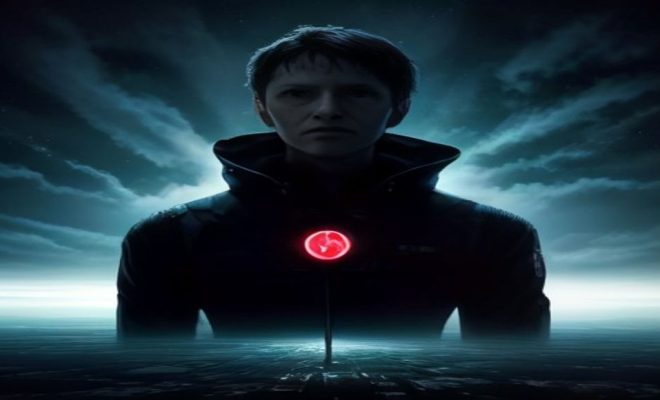
Bill Gates, a man whose name is practically synonymous with the digital revolution, has issued a stark warning about the impending Bill Gates AI disruption. In a comprehensive 6,000-word essay titled ‘The turbulent AI era is here,’ the Microsoft co-founder didn’t just speculate; he laid out a vision of a future where artificial intelligence, if left unchecked, could become ‘the worst source of injustice.’ This isn’t just about robots on an assembly line anymore; Gates is talking about white-collar jobs, blue-collar jobs, and virtually every sector in between feeling the immense pressure of AI’s rapid advancement. What’s truly striking is his proposal: the creation of ‘human-reserved jobs’ – a concept he likens to nature reserves, but for human employment. It’s a fascinating, if somewhat unsettling, idea that speaks volumes about the depth of his concern.
For someone who has championed technological progress for decades, this shift in tone from Gates is significant. It signals a growing awareness, even among tech’s most ardent proponents, that AI isn’t just another incremental improvement. It’s a seismic shift, one that governments and societies, he argues, are woefully unprepared for. We’re talking about fundamental changes to employment, education, and the very fabric of our social safety nets. The debate around job displacement has been simmering for years, but with a figure of Gates’ stature weighing in so forcefully, it’s clear the conversation just got a lot more urgent. So, what exactly are these ‘human reserves’ he’s envisioning, and in which sectors might they be most critical? Let’s explore some areas where human touch, creativity, and empathy might just be our most valuable assets against the encroaching tide of AI. There’s a fuller look at job loss predictions by 2030.
1. Creative Arts and Craftsmanship: The Irreplaceable Spark
When you think about jobs safe from AI, the first things that often come to mind are the arts. And for good reason. While AI can now generate astonishingly realistic images, compose music, and even write poetry, there’s a fundamental difference between mimicry and genuine human expression. The emotional depth, the unique perspective born from lived experience, the raw vulnerability in a painting or a song – these are qualities that AI, for all its sophistication, struggles to replicate in a way that truly resonates with the human soul.
Consider a bespoke tailor, a master potter, or a painter. Their creations aren’t just about the finished product; they’re about the story, the intention, the imperfections that make each piece unique. AI can certainly design a perfect suit pattern or a flawless ceramic vase, but can it infuse it with the subtle narrative of a human hand, the years of practice, or the cultural context that gives a piece its true value? Gates’ ‘human reserves’ here would protect not just jobs, but entire traditions and forms of expression that enrich our lives in ways quantifiable metrics can’t capture.
2. High-Touch Care Professions: Empathy’s Essential Role
Healthcare is an area where AI is already making significant inroads, from diagnostics to drug discovery. However, the human element in caregiving remains paramount. Think about nurses, therapists, counselors, and elder care providers. While AI can monitor vital signs, suggest treatments, and even offer companionship in a rudimentary way, it cannot offer true empathy, emotional support, or the nuanced understanding of a patient’s psychological state.
A compassionate touch, a listening ear, the ability to read non-verbal cues – these are critical components of effective care that foster trust and healing. Gates’ vision for human reserves would prioritize these roles, ensuring that as technology advances, we don’t lose the essential human connection that makes us well, human. It’s about recognizing that some forms of care are not just about efficiency or data, but about dignity and genuine human interaction.
3. Education and Mentorship: Guiding the Next Generation
The role of educators is another prime candidate for human reservation. While AI can personalize learning paths, grade papers, and deliver information with unprecedented efficiency, it cannot truly inspire, mentor, or understand the complex social and emotional needs of a student. A great teacher doesn’t just impart knowledge; they ignite curiosity, foster critical thinking, and help young minds navigate the challenges of growing up.
The dynamic interplay in a classroom, the individualized encouragement, the ability to adapt teaching methods on the fly based on a student’s mood or personal struggles – these are intrinsically human qualities. Bill Gates’ AI disruption concerns extend deeply into how we prepare future generations. Ensuring human educators remain at the core of our learning institutions isn’t just about preserving jobs; it’s about preserving the quality and humanity of education itself, recognizing that learning is as much a social and emotional journey as it is an intellectual one.
4. Strategic Leadership and Diplomacy: Navigating Complexity
At the highest levels of business, government, and international relations, human judgment, intuition, and the ability to navigate complex ethical dilemmas are irreplaceable. While AI can process vast amounts of data, identify patterns, and even suggest optimal strategies, it lacks the capacity for true moral reasoning, understanding of geopolitical nuances, or the ability to build genuine trust through personal relationships.
Leaders make decisions that impact millions, often with incomplete information and under immense pressure. These decisions require a blend of analytical prowess, emotional intelligence, and a deep understanding of human nature. Diplomacy, in particular, relies on subtle cues, cultural understanding, and the ability to forge relationships – skills far beyond the current (or foreseeable) capabilities of AI. Human reserves in these critical leadership roles would safeguard against purely algorithmic governance, which could have unintended and potentially disastrous consequences.
5. Scientific Research and Discovery (Conceptual): The Leap of Imagination
AI is already a powerful tool in scientific research, accelerating data analysis, simulating experiments, and discovering new compounds. However, the truly groundbreaking leaps in science often come from human intuition, creative problem-solving, and the ability to ask novel questions that AI wouldn’t conceive. The ‘aha!’ moment, the unexpected connection, the willingness to pursue a seemingly irrational hypothesis – these are hallmarks of human ingenuity. (See: AI job displacement concerns.)
While AI can optimize existing frameworks, it’s the human mind that often challenges those frameworks, leading to paradigm shifts. Think of Einstein’s thought experiments or Marie Curie’s relentless pursuit of new elements. Gates’ concern about Bill Gates AI disruption in this domain suggests reserving the conceptual, hypothesis-generating, and truly innovative aspects of scientific inquiry for humans, allowing AI to serve as a powerful assistant rather than a replacement for fundamental discovery. See also AI's effect on job safety.
6. Ethical Oversight and Legal Interpretation: Justice in a Data-Driven World
The legal and ethical fields are already seeing AI’s influence, from legal research to predictive policing. However, the core functions of justice – interpreting complex laws, discerning intent, mediating disputes, and upholding ethical principles – demand human judgment. AI can identify precedents or optimize courtroom scheduling, but it cannot truly understand the nuances of human morality or the subjective experience of justice.
Consider a judge weighing the circumstances of a case, a jury deliberating on guilt, or an ethicist grappling with the implications of new technologies. These roles require empathy, an understanding of societal values, and the ability to make decisions that resonate with a sense of fairness, not just efficiency. Human reserves in these areas would ensure that our legal and ethical frameworks remain grounded in human values, preventing a purely algorithmic form of justice that could easily become unjust.
7. Community Building and Social Work: Fostering Connection
In an increasingly digital world, the need for human connection and community building is more critical than ever. Social workers, community organizers, and counselors play vital roles in supporting vulnerable populations, fostering social cohesion, and addressing complex societal challenges. These roles are inherently human, relying on trust, rapport, and the ability to navigate delicate interpersonal dynamics.
While AI can certainly help identify needs or streamline administrative tasks, it cannot replace the nuanced work of building relationships, mediating conflicts, or providing genuine emotional support to individuals in crisis. Gates’ proposal for ‘human reserves’ highlights the importance of preserving these roles, ensuring that as technology advances, we don’t inadvertently erode the very social fabric that holds our communities together. It’s about recognizing the profound value of human connection in an age of increasing digital interaction.
8. Skilled Trades and Artisanal Labor: The Value of Craft
Many might assume blue-collar jobs are the most vulnerable to automation, but there’s a significant distinction to be made. While repetitive manufacturing tasks are indeed prime targets for robots, skilled trades often require a level of adaptability, problem-solving, and hands-on dexterity that remains challenging for AI and robotics. Think of master carpenters, plumbers diagnosing complex issues in old buildings, or electricians dealing with custom installations.
These professions often involve unique, non-standardized problems that require human ingenuity and experience to solve. An artisan creating a custom piece of furniture or a skilled mechanic troubleshooting an elusive engine problem brings a level of intuitive understanding and adaptability that AI, for now, struggles to match. Establishing human reserves in these areas acknowledges the enduring value of craftsmanship and the practical intelligence that comes from years of hands-on experience, pushing back against the idea that all manual labor is simply reducible to automation.
9. Entrepreneurship and Innovation (Early Stage): The Visionary Spark
While AI can optimize business processes and analyze market trends, the initial spark of entrepreneurship – the radical new idea, the willingness to take a calculated risk, the ability to inspire a team around an untested vision – remains a deeply human endeavor. AI can assist in market analysis or product development, but it rarely originates the truly disruptive, out-of-the-box concepts that define successful startups.
The drive to create something new, to challenge the status quo, and to navigate the immense uncertainties of launching a venture requires a unique blend of creativity, resilience, and human intuition. Gates’ concerns about Bill Gates AI disruption certainly touch on economic shifts, and ensuring a space for human-led innovation, especially in its nascent stages, would be crucial for future economic dynamism. It’s about nurturing the human capacity for visionary thinking that pushes society forward in unexpected ways.
10. Environmental Conservation and Fieldwork: Hands-On Planetary Stewardship
The analogy Gates uses for ‘human reserves’ comes from nature reserves, making this category particularly resonant. While AI can analyze ecological data, monitor wildlife, and even help manage conservation efforts from afar, the hands-on work of environmental conservation and fieldwork still heavily relies on human presence, judgment, and dedication. Park rangers, wildlife biologists, conservationists working in remote areas, and even volunteers participating in clean-up efforts embody this.
These roles involve navigating unpredictable environments, interacting with local communities, making on-the-spot decisions about animal welfare or ecosystem management, and performing physically demanding tasks that require human adaptability. The passion for protecting our planet, the willingness to brave challenging conditions, and the unique human connection to nature are not qualities AI can replicate. Reserving these roles ensures that the stewardship of our natural world remains a deeply human endeavor, informed by technology but ultimately driven by human care and responsibility.
11. The Economic Implications of Human Reserves: A New Social Contract
Gates’ vision of “human-reserved jobs” isn’t just about preserving certain professions; it carries profound economic implications that necessitate a re-evaluation of our social contract. If society intentionally reserves jobs for humans, how do we fund these roles? Will it be through government subsidies, new tax structures, or perhaps a universal basic income (UBI) that allows individuals to pursue these less “efficient” but highly valuable human tasks? (See: impact of technology on jobs.)
The traditional economic model, which often prioritizes efficiency and automation for cost reduction, would need a significant overhaul. We might see a societal shift where the value of a job isn’t solely measured by its economic output or its susceptibility to automation, but by its contribution to human well-being, culture, and social cohesion. This could lead to a dual economy: one highly automated and driven by AI for goods and services, and another, protected sector focused on human interaction, creativity, and care. Gates’ proposal challenges us to consider whether we are prepared to pay a premium for human connection and unique human skills in an AI-dominated world.
12. Policy Frameworks for Implementation: From Concept to Reality
Turning the concept of human reserves into a tangible reality would require significant policy development. Governments would need to define what constitutes a “human-reserved” job, establish criteria for these roles, and potentially create regulatory bodies to oversee their implementation. This isn’t a simple task; it involves complex debates about job classification, labor laws, and economic incentives.
Imagine a global summit where leaders convene to discuss which jobs are deemed essential for human preservation. Would there be international standards, or would each nation define its own list based on cultural priorities? Furthermore, how would we prevent potential abuses, like reserving jobs for cronies or using the system to stifle innovation? Clear, transparent, and adaptable policy frameworks would be crucial to ensure these reserves genuinely serve their intended purpose of protecting human dignity and meaningful work, rather than becoming another bureaucratic hurdle.
13. The Role of Education and Reskilling: Adapting to a Hybrid Workforce
Even with human reserves, the vast majority of the workforce will need to adapt to a world where AI is a powerful co-worker. This means a radical shift in education and reskilling initiatives. The focus will move away from rote memorization and towards critical thinking, creativity, emotional intelligence, and complex problem-solving – precisely the skills AI struggles with. (trends in workplace AI bias)
Educational institutions would need to pivot rapidly, integrating AI literacy into curricula while simultaneously emphasizing human-centric skills. Lifelong learning would become not just a buzzword, but an absolute necessity. Governments and corporations would likely need to invest heavily in robust reskilling programs, helping displaced workers transition into human-reserved roles or jobs that leverage AI effectively. Bill Gates’ AI disruption emphasizes that simply setting aside jobs isn’t enough; we need to equip people with the tools to thrive in the jobs that remain, whether reserved or AI-augmented.
14. Psychological and Societal Impact: Finding Meaning in a New Era
Beyond the economic and policy challenges, the rise of AI and the potential for job displacement, even with human reserves, carries significant psychological and societal implications. For many, work is tied to identity, purpose, and social status. If a large segment of the population finds their traditional roles automated, how will society help individuals find meaning and fulfillment?
Human reserves could provide some answers, offering avenues for meaningful contribution in areas valued by society. However, we also need to consider the psychological impact on those whose jobs are automated, even if they are supported by UBI or other safety nets. There’s a risk of a two-tiered society: those performing “essential human” roles and those in a more passive, consumption-oriented existence. Addressing this requires a deeper conversation about the nature of human purpose and how we define a “good life” in an age of abundant AI.
15. Global Collaboration and Ethical AI Development: A Shared Responsibility
The challenges posed by AI disruption are global in nature. No single country can effectively address these issues in isolation. Gates’ concerns highlight the urgent need for international collaboration on ethical AI development, regulatory standards, and shared strategies for managing the workforce transition.
Developing AI responsibly means not just focusing on its capabilities, but also on its impact on human society, labor, and justice. This includes discussions around bias in AI algorithms, data privacy, and the development of AI systems that augment human capabilities rather than simply replacing them. International forums, research partnerships, and shared policy initiatives will be critical to navigate the complex ethical landscape of AI and ensure its benefits are broadly shared, rather than concentrated in the hands of a few. The Bill Gates AI disruption is a global call to action.
Frequently Asked Questions About Bill Gates’ AI Disruption and Human Reserves
Q1: What exactly does Bill Gates mean by “human-reserved jobs”?
Bill Gates proposes “human-reserved jobs” as a concept where specific roles or sectors are intentionally protected from full automation by AI. He likens them to nature reserves, but for human employment. The idea is to ensure that even as AI becomes incredibly capable, there are still areas of work where human involvement is prioritized due to its unique value, such as emotional intelligence, creativity, ethical judgment, or complex physical dexterity that AI struggles to replicate. (See: AI and economic disruption research.)
Q2: Why is Bill Gates, a tech pioneer, expressing such strong concerns about AI?
Gates has been a long-time advocate for technological progress. However, his recent warnings reflect a growing understanding among many tech leaders that AI is fundamentally different from previous technological advancements. He sees AI not as an incremental improvement but as a “seismic shift” that could lead to unprecedented job displacement and exacerbate societal inequalities if not managed proactively. His concerns stem from a desire to ensure AI’s benefits are widely distributed and don’t lead to widespread injustice or social disruption. This builds on AI's role in transforming education jobs.
Q3: What types of jobs are most likely to be “human-reserved” according to Gates’ vision?
Based on his writings and the analysis, jobs that require high levels of empathy, creativity, complex ethical reasoning, strategic leadership, nuanced human interaction, or highly adaptable physical dexterity are prime candidates. This includes roles in creative arts, high-touch care professions (nurses, therapists), education, strategic leadership, ethical oversight, community building, and specialized skilled trades. The common thread is the irreplaceable human element that AI, despite its advances, cannot fully replicate.
Q4: How would “human-reserved jobs” be funded or supported economically?
This is one of the major economic challenges. Gates hasn’t laid out a detailed funding model, but potential solutions could involve government subsidies, new tax structures (perhaps on automated labor or AI profits), or the implementation of a universal basic income (UBI) that allows individuals to pursue these human-centric roles without the sole pressure of market efficiency. The underlying principle would be a societal decision to value and invest in human work beyond purely economic metrics.
Q5: Couldn’t reserving jobs stifle technological progress or economic efficiency?
This is a valid concern. The goal isn’t to halt AI’s progress but to guide its integration responsibly. The argument is that unchecked efficiency at the cost of widespread job loss and social inequality could lead to greater societal instability and long-term economic harm. Human reserves aim to strike a balance, allowing AI to thrive in areas where it offers clear benefits while protecting essential human functions and ensuring meaningful employment. It’s about optimizing for human well-being, not just pure economic efficiency.
Q6: What role would education play in a future with “human-reserved jobs”?
Education would be absolutely critical. The emphasis would shift dramatically from rote learning to developing uniquely human skills like critical thinking, creativity, emotional intelligence, collaboration, and complex problem-solving. Lifelong learning and robust reskilling programs would be essential to help workers transition into human-reserved roles or jobs that effectively leverage AI as a tool, rather than being replaced by it. It’s about preparing people to work alongside AI, or in roles where human skills are paramount.
Q7: Is this concept feasible, or is it too idealistic?
Implementing human reserves would be incredibly complex, requiring significant policy changes, economic restructuring, and societal buy-in. It’s certainly an idealistic vision in some ways, but Gates’ prominence gives it weight, prompting serious discussion. The alternative, an unmanaged AI disruption leading to mass unemployment and social unrest, could be far more disruptive. The feasibility will depend on global collaboration, political will, and a willingness to redefine the relationship between technology, work, and human value.
Bill Gates’ call for ‘human reserves’ isn’t just a fascinating thought experiment; it’s a profound challenge to how we envision the future of work in the face of accelerating AI. His concerns underscore a critical need for proactive planning, not just by tech companies, but by governments, educational institutions, and individuals. The future isn’t about halting AI’s progress, but about intelligently integrating it in a way that preserves our humanity, our societal values, and meaningful employment for as many people as possible. It’s a daunting task, but one we simply cannot afford to ignore.
Trending Now
Frequently Asked Questions
What are Bill Gates' concerns about AI?
Bill Gates warns that unchecked AI could lead to significant economic disruption and societal injustice. He emphasizes that AI's rapid advancement threatens various job sectors, not just blue-collar roles, highlighting a need for urgent discussions on its impact.
What does Gates mean by 'human reserves'?
Gates proposes the idea of 'human reserves' as a way to protect certain jobs from AI displacement, similar to nature reserves. These positions would prioritize human skills like creativity and empathy, essential in sectors where AI cannot fully replicate human touch.
Which job sectors might be safe from AI according to Gates?
Gates suggests that sectors like creative arts and craftsmanship may be more resistant to AI pressures. He believes that jobs requiring human creativity, emotional intelligence, and unique skills will remain valuable in an AI-dominated economy.
Why is Gates' warning about AI significant?
Gates' warning is significant because it comes from a leading tech visionary who has historically championed technological progress. His shift in tone indicates a serious recognition of AI's potential to disrupt employment and social structures, prompting urgent dialogue.
How might AI impact employment by 2030?
Experts predict that AI could lead to substantial job losses across various sectors by 2030. Gates highlights the importance of preparing for these changes by establishing 'human reserves' to safeguard jobs that rely on uniquely human attributes.
What's your take on this? Share your thoughts in the comments below — we read every one.