Best of the Best Smart Parking Solutions 2026
Introduction: The Future of Parking Management
As urbanization continues to accelerate, cities worldwide face increasing challenges related to traffic congestion, pollution, and the efficient use of limited space. One area where technology is making a significant impact is parking management. Smart parking solutions are evolving rapidly, leveraging advancements in the Internet of Things (IoT), artificial intelligence (AI), and mobile applications. By 2026, the best smart parking solutions will not only enhance the parking experience for users but also optimize space utilization and reduce the environmental footprint of urban transport. This article explores the top smart parking solutions projected to lead the market in 2026.
Section 1: Understanding Smart Parking Solutions
Subsection 1.1: What are Smart Parking Solutions?
Smart parking solutions refer to technologies that improve the efficiency, convenience, and accessibility of parking facilities. These solutions utilize sensors, mobile applications, and data analytics to provide real-time information about parking availability, streamline payment processes, and enhance user experience.
Subsection 1.2: Key Features of Smart Parking Solutions
The essential features that define leading smart parking solutions include:
– Real-time parking availability: Users can access current parking availability in various locations via mobile apps or digital signage.
– Automatic payment systems: Touchless payment options through mobile wallets or automatic billing reduce the friction in payment processes.
– Reservation systems: Users can reserve parking spaces in advance, ensuring a spot upon arrival.
– Data analytics: These solutions gather and analyze usage patterns, which can help municipalities plan infrastructure improvements.
Section 2: Leading Smart Parking Solutions for 2026
Subsection 2.1: ParkMobile
ParkMobile has established itself as a leader in the smart parking space with user-friendly mobile apps that allow users to find, reserve, and pay for parking through their smartphones. In 2026, ParkMobile is expected to expand its reach even further, offering enhanced features such as:
– AI-powered recommendations: Using machine learning algorithms to suggest the best parking locations based on user preferences and historical data.
– Integration with public transportation: Allowing users to plan their journeys seamlessly by combining parking with transit options.
Subsection 2.2: SpotHero
SpotHero is another major player, focusing on simplifying the parking experience in busy urban areas. The company has a strong presence in the United States and is poised to grow with features like:
– Dynamic pricing: Adjusting parking prices based on demand to encourage optimal space usage.
– Enhanced user interface: A more intuitive app design will make it easier for users to find and reserve parking spots quickly.
Subsection 2.3: Parkplus
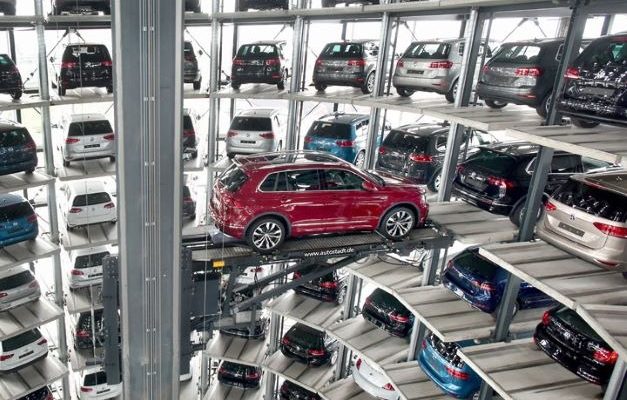
Parkplus stands out by integrating robotics into its smart parking solutions. The company’s automated parking systems use robotic technology to park and retrieve vehicles, minimizing space usage and maximizing efficiency. By 2026, Parkplus is expected to offer:
– Greater capacity: Its vertical parking structures will allow more vehicles to be parked in less space.
– User-friendly interface: A mobile app that guides users through the entire process from arrival to retrieval, ensuring a seamless experience.
Section 3: Comparative Analysis of Smart Parking Solutions
Subsection 3.1: Usability
When considering usability, factors such as app design, ease of payment, and the overall user experience are crucial. ParkMobile and SpotHero excel due to their intuitive interfaces and straightforward payment processes. Parkplus, while innovative, may require users to adapt to new technology.
Subsection 3.2: Cost-Effectiveness
Cost is a significant factor for both users and municipalities. Dynamic pricing models, like those offered by SpotHero, may provide cost savings during off-peak hours. Parkplus’s initial setup costs may be high, but the long-term savings in space and efficiency could offset the investment.
Subsection 3.3: Environmental Impact
Smart parking solutions can contribute to reduced emissions by minimizing the time vehicles spend searching for parking. Solutions that integrate public transit options, like ParkMobile, can further enhance environmental benefits by promoting less reliance on cars.
Section 4: Challenges Facing Smart Parking Solutions
Subsection 4.1: Infrastructure Limitations
Many cities still lack the necessary infrastructure to support advanced smart parking solutions. Updating existing systems to accommodate new technologies can be costly and time-consuming.
Subsection 4.2: User Adoption
Convincing users to embrace new smart parking technologies can be challenging, especially for those who are accustomed to traditional parking methods. Education and incentives will be crucial for widespread adoption.
Subsection 4.3: Data Privacy Concerns
As smart parking solutions rely heavily on data collection, concerns about user privacy and data security must be addressed. Companies will need to implement robust security measures to protect user information.
Section 5: The Future of Smart Parking Solutions
Subsection 5.1: Integration with Smart Cities
As cities evolve into smart cities, smart parking solutions will play a crucial role in enhancing urban mobility. Integrating these solutions with other smart city initiatives, such as traffic management and public transportation, will optimize city operations.
Subsection 5.2: Advancements in Technology
Emerging technologies, such as 5G networks and enhanced AI algorithms, will drive further innovation in smart parking solutions. These advancements will enable faster data processing and more accurate predictive analytics, improving overall efficiency.
Section 6: User Perspectives on Smart Parking Solutions
Subsection 6.1: User Experience and Satisfaction
The success of smart parking solutions heavily relies on user satisfaction. Surveys and feedback mechanisms will play a pivotal role in understanding user preferences and improving services. Many users appreciate the convenience of mobile apps that provide real-time updates, reducing stress during the parking search.
Subsection 6.2: Community Engagement
Engaging communities in the planning and implementation of smart parking solutions is essential. Initiatives that inform residents about the benefits of these technologies can foster a sense of ownership and encourage adoption.
Conclusion: The Road Ahead for Smart Parking Solutions
The evolution of smart parking solutions is set to transform urban mobility by 2026. With leaders like ParkMobile, SpotHero, and Parkplus at the forefront, the future looks promising. As technology continues to advance, these solutions will not only enhance user experiences but also contribute to more sustainable urban environments. By addressing current challenges and embracing innovation, cities can pave the way for smarter parking solutions that serve the needs of their residents and visitors alike.
The journey towards effective smart parking management is filled with opportunities for innovation and improvement. By embracing these developments, we can expect a future where parking challenges are minimized, and urban spaces are utilized more efficiently, ultimately leading to more livable cities.