Best of the Best Hydrogen Fuel Cell Vehicles 2026
Introduction: The Rise of Hydrogen Fuel Cell Technology
As the automotive industry continues to evolve in its quest for sustainable energy solutions, hydrogen fuel cell vehicles (FCVs) have emerged as a promising alternative to traditional gasoline and electric vehicles. With zero tailpipe emissions and the potential for quick refueling, hydrogen FCVs are gaining traction among manufacturers and consumers alike. As we look ahead to 2026, several hydrogen fuel cell vehicles stand out as the best of the best, showcasing advancements in technology, efficiency, and design. This article explores these leading models, providing insights into their features, performance, and what sets them apart in the burgeoning hydrogen market.
Toyota Mirai: Pioneering Hydrogen Mobility
The Toyota Mirai has long been at the forefront of hydrogen fuel cell technology, and the 2026 model continues to push boundaries.
Performance: The 2026 Mirai offers an impressive range of over 400 miles on a single tank of hydrogen, making it one of the most practical options for consumers. With a power output of 182 horsepower, it delivers a smooth and responsive driving experience.
Design: The exterior design is sleek and modern, with a spacious interior that accommodates five passengers comfortably. The vehicle also features advanced safety technologies, including adaptive cruise control and lane-keeping assistance.
Sustainability: Toyota’s commitment to sustainability is evident in the Mirai’s production process, which focuses on reducing carbon emissions. The company continues to invest in hydrogen infrastructure, ensuring that refueling stations are more accessible to consumers.
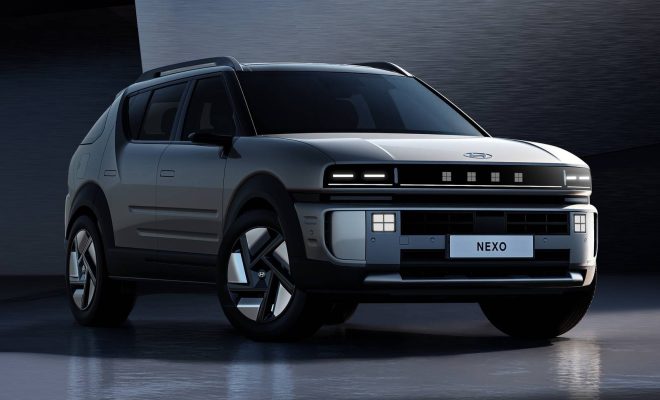
Hyundai Nexo: A Blend of Style and Efficiency
Hyundai’s Nexo has garnered attention for its elegant design and outstanding performance, making it a top contender in the hydrogen vehicle market.
Performance: The 2026 Nexo boasts a range of approximately 380 miles and a power output of 161 horsepower. Its acceleration is responsive, allowing for quick merging and passing on highways.
Technology: The Nexo is equipped with a comprehensive infotainment system, incorporating features such as a large touchscreen display, navigation, and smartphone integration. Its safety suite includes forward collision warning, blind-spot monitoring, and rear cross-traffic alert.
Environmental Impact: Like the Mirai, the Nexo is built with sustainability in mind. Hyundai is actively working on expanding hydrogen infrastructure, supporting the growth of the hydrogen ecosystem.
Honda Clarity Fuel Cell: Innovative Engineering
The Honda Clarity Fuel Cell continues to impress with its innovative engineering and focus on user-friendliness.
Performance: The 2026 Clarity offers a range of about 360 miles and a power output of 130 horsepower. Its driving dynamics are smooth and comfortable, making it an ideal choice for city driving and longer journeys alike.
Interior Features: The Clarity is designed for comfort and convenience, featuring a spacious cabin with premium materials. The infotainment system includes intuitive controls and connectivity options, ensuring that drivers remain connected on the go.
Hydrogen Infrastructure: Honda is committed to the hydrogen future, collaborating with various stakeholders to improve hydrogen fueling infrastructure, making it easier for consumers to adopt FCVs.
Mercedes-Benz GLC F-CELL: Luxury Meets Sustainability
The 2026 Mercedes-Benz GLC F-CELL stands out not only for its luxury but also for its innovative hybrid powertrain that combines hydrogen fuel cells and battery electric technology.
Performance: This model offers a combined range of approximately 300 miles, with the ability to switch seamlessly between electric and hydrogen power. The GLC F-CELL delivers 197 horsepower and offers a smooth, luxurious ride.
Interior Design: The interior is nothing short of opulent, featuring high-quality materials, advanced technology, and a focus on passenger comfort. The infotainment system is equipped with the latest features, including voice control and smartphone integration.
Environmental Commitment: Mercedes-Benz is actively promoting hydrogen fuel cell technology as part of its broader sustainability goals, striving to reduce the carbon footprint associated with vehicle production and use.
Comparison: Evaluating the Top Contenders
As we evaluate the leading hydrogen fuel cell vehicles of 2026, it’s essential to compare their performance metrics, design features, and environmental impacts side by side.
Range Comparison: When examining the range of these vehicles, the Toyota Mirai leads with over 400 miles, closely followed by the Hyundai Nexo at approximately 380 miles, and the Honda Clarity at around 360 miles. The Mercedes-Benz GLC F-CELL offers a unique hybrid approach but has a lower range at 300 miles.
Performance Metrics: In terms of power output, the Mirai again takes the lead with 182 horsepower, enhancing its driving experience. The Hyundai Nexo follows with 161 horsepower, while the GLC F-CELL provides 197 horsepower through its combined system. The Clarity offers a modest 130 horsepower, focusing more on efficiency than power.
Design and Comfort: All models emphasize comfort but cater to different tastes. The Mirai and Nexo offer modern aesthetics, while the Clarity focuses on user-friendly interiors. The GLC F-CELL merges luxury with functionality, appealing to a premium market.
Conclusion: The Future of Hydrogen Fuel Cell Vehicles
As we look towards 2026, it is clear that hydrogen fuel cell vehicles are on the rise, offering a viable alternative to traditional fuel sources. The Toyota Mirai, Hyundai Nexo, Honda Clarity, and Mercedes-Benz GLC F-CELL each showcase unique strengths that cater to different consumer needs, from performance and design to technology and sustainability.
The advancements in hydrogen fuel cell technology not only provide a glimpse into a cleaner automotive future but also raise awareness of the importance of investing in hydrogen infrastructure. As manufacturers continue to innovate and governments support the development of refueling stations, the hydrogen FCV market is poised for growth.
In conclusion, the best hydrogen fuel cell vehicles of 2026 demonstrate that sustainability and performance can coexist, paving the way for a greener tomorrow. As these vehicles gain more recognition and acceptance, they may play a crucial role in reducing greenhouse gas emissions and addressing environmental challenges in the transportation sector. The future looks promising for hydrogen fuel cell vehicles, offering a compelling solution to the urgent need for sustainable transportation options.