Austria Implements Social Media Ban for Children Under 14 Amid Global Concerns
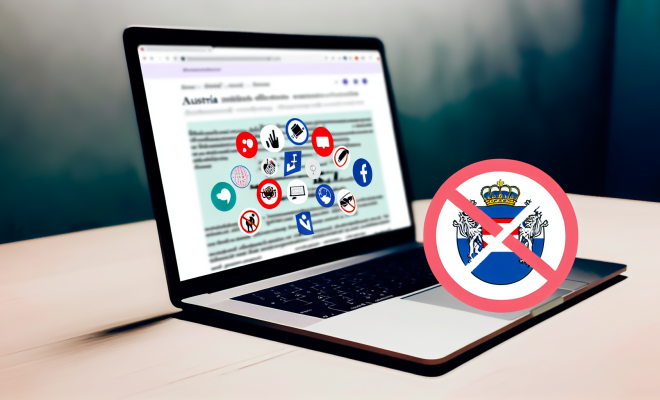
In a significant move to protect its youth, Austria has officially approved a ban on social media use for children under the age of 14. This decision, highlighted in the Morning Briefing on March 28, 2026, reflects a growing trend across the globe aimed at addressing the mental health challenges associated with social media usage among younger populations.
The Rationale Behind the Ban
The Austrian government’s decision stems from mounting evidence suggesting that excessive exposure to social media can adversely affect children’s mental health. Issues such as anxiety, depression, and body image concerns have been linked to social media use, prompting countries like Austria to take proactive measures to safeguard their younger citizens.
Health experts and child psychologists have long warned about the potential dangers of social media, particularly for those who are still in formative stages of emotional and psychological development. The ban is considered a necessary step in mitigating risks associated with online interactions that can lead to harmful behaviors.
Global Trends in Youth Online Restrictions
Austria’s decision is not an isolated one. Countries like Indonesia and Australia have previously implemented similar restrictions, highlighting a global recognition of the urgent need to regulate children’s access to social media platforms. In Indonesia, for instance, the government enforced strict age limits on social media accounts to combat cyberbullying and inappropriate content exposure. Australia has also been vocal about the risks associated with social media, advocating for stricter guidelines to ensure a safer online environment for children.
This growing trend points to a broader shift in public policy regarding youth engagement with technology. Many governments are now prioritizing mental well-being over unrestricted access, a move that reflects societal concerns about the implications of a hyper-connected world on young minds.
Concerns Regarding Mental Health
The mental health impacts of social media are well-documented. Studies have indicated that young users often face increased levels of anxiety, depression, and feelings of isolation. The constant comparison with curated online personas can lead to unrealistic expectations and dissatisfaction with one’s own life.
- Anxiety: Social media can exacerbate feelings of anxiety, especially among young users who may feel pressured to maintain a certain online image.
- Depression: There is a strong correlation between heavy social media usage and increased rates of depression among adolescents.
- Body Image Issues: Exposure to idealized body images can lead to negative self-perception and eating disorders.
As governments respond to these alarming trends, the implementation of age restrictions on social media platforms appears to be a logical step in safeguarding mental health.
Strategic Communication and Global Stability
The discussion surrounding social media regulations also ties into broader themes of strategic communication and global stability. Events like Stratcom 2026 in Istanbul have featured conversations about the role of social media in shaping public opinion and influencing social dynamics. Experts argue that while social media can foster communication and connectivity, it also has the potential to destabilize societies if left unchecked.
Austria’s initiative is part of a larger dialogue about the responsibilities of governments to protect vulnerable populations and navigate the complexities of digital engagement. The implications of such policies extend beyond mere access restrictions; they also invite conversations about digital literacy, parental control, and the role of educators in teaching children about safe online practices.
What This Means for Parents and Educators
For parents and educators, Austria’s ban on social media usage for children under 14 presents both challenges and opportunities. On one hand, it creates a structured environment where children can develop social skills and emotional intelligence without the pressures of online validation. On the other, it necessitates a dialogue about technology use and digital citizenship.
- Open Communication: Parents are encouraged to engage in discussions with their children about the implications of social media and the importance of mental health.
- Education on Digital Literacy: Schools can play a crucial role in educating students about safe online practices, fostering critical thinking about content consumption.
- Encouraging Offline Activities: Promoting extracurricular activities can help children develop social skills and emotional resilience outside the digital realm.
Conclusion
Austria’s decision to ban social media for those under 14 marks a pivotal step in prioritizing youth mental health amidst rising concerns about online risks. As countries worldwide grapple with the implications of digital engagement, Austria’s approach may serve as a model for effective policy-making aimed at protecting children in an increasingly interconnected world. The conversation surrounding social media’s impact on young users is far from over, and as evidence mounts, more countries may follow suit in implementing similar restrictions.