Airlines Stabilize Airfares Amid Fluctuating Jet Fuel Prices
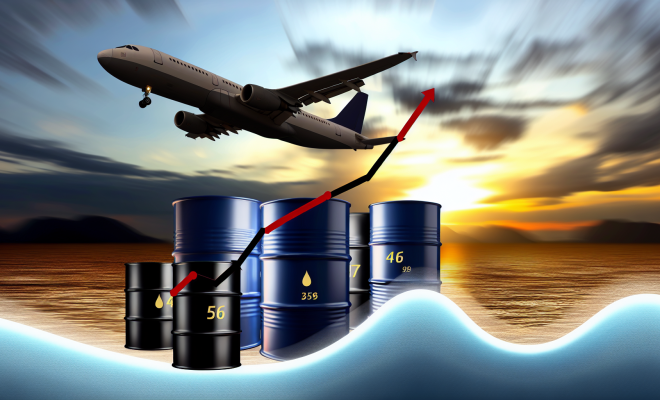
In a rapidly changing economic landscape, airlines are adjusting their pricing strategies in response to soaring jet fuel costs, a trend exacerbated by geopolitical tensions such as the ongoing conflict in Iran. As fuel prices spike, airlines are not only increasing fares but are also strategizing to maintain these elevated rates even when fuel costs eventually taper off. This article delves into the implications of these fare increases for consumers and the airline industry, exploring the broader context of travel sector challenges fueled by global events.
The Impact of Geopolitical Conflicts on Air Travel Costs
The war in Iran has had a profound effect on global oil prices, which in turn affects jet fuel costs. Historically, airlines have been vulnerable to fluctuations in fuel prices, which can constitute a significant portion of their operating expenses. When fuel prices rise due to geopolitical tensions, airlines often feel compelled to pass these costs onto consumers in the form of higher ticket prices.
As reported by CNN’s Chris Isidore, airlines are not just responding to current conditions; they are also proactively adjusting their pricing strategies to ensure that fare increases stick. This approach marks a significant shift in the airline industry, which has traditionally been reactive to fuel price changes.
Current State of Airline Fare Increases
While specific percentages for fare increases have not been disclosed, the trend is clear: airlines are raising prices significantly. This strategy is designed to lock in higher revenue streams to offset potential future declines in profit margins that could occur if fuel prices drop. By establishing higher fares now, airlines hope to stabilize their financial performance regardless of future fluctuations in the cost of jet fuel.
Airlines are particularly keen on ensuring that the latest fare increases do not revert once fuel prices stabilize or even decline. This objective is complicated by the fact that consumers are already facing increased costs across a range of sectors, leading to potential resistance to higher airfares.
Challenges in the Travel Sector
The airline industry is not operating in isolation. The broader travel sector is grappling with multiple challenges, including labor shortages, supply chain disruptions, and changing consumer behaviors post-pandemic. These factors compound the difficulties airlines face in maintaining profitability amid fluctuating fuel costs.
Moreover, as more travelers resume their plans for leisure and business trips, airlines are tasked with meeting rising demand while managing operational costs. This scenario creates a precarious balance that necessitates careful pricing strategies.
Consumer Reactions and Market Dynamics
The potential for sustained fare increases raises questions about consumer behavior. Travelers may start to reconsider their travel plans if ticket prices rise significantly, leading to a possible decrease in demand. In a competitive market, airlines must be attentive to these shifts. If consumers begin to prioritize cost over convenience, airlines may find themselves in a challenging position.
Future Outlook: What Lies Ahead for Airlines?
As airlines navigate the complexities of pricing strategies amid fluctuating fuel costs, several key factors will influence their decisions moving forward:
- Fuel Price Trends: Monitoring global oil markets will be crucial. A decrease in oil prices could lead to renewed discussions about fare adjustments.
- Consumer Demand: Understanding how travelers respond to fare increases will be essential for airlines to maintain profitability.
- Geopolitical Stability: The resolution of conflicts affecting oil supply will impact fuel costs and, consequently, airline pricing strategies.
- Regulatory Environment: Changes in regulations related to pricing transparency and consumer rights could affect how airlines set fares.
Conclusion: Navigating a Complex Landscape
The airline industry is at a crossroads, facing challenges that could redefine its operational and pricing strategies. As airlines seek to sustain higher fares in the face of fluctuating jet fuel costs, the implications for consumers and the broader travel sector are significant. Understanding the interplay of geopolitical conflicts, market dynamics, and consumer behavior will be vital for airlines as they chart their future in a complex and often unpredictable environment.
In conclusion, the ongoing adjustments in airline fare structures showcase the industry’s resilience and adaptability, even as it grapples with external pressures. As travelers navigate this evolving landscape, the effects of these fare increases will be felt far beyond the ticket counter.