Boost Health: Fortify Plant-Based Meats in the UK
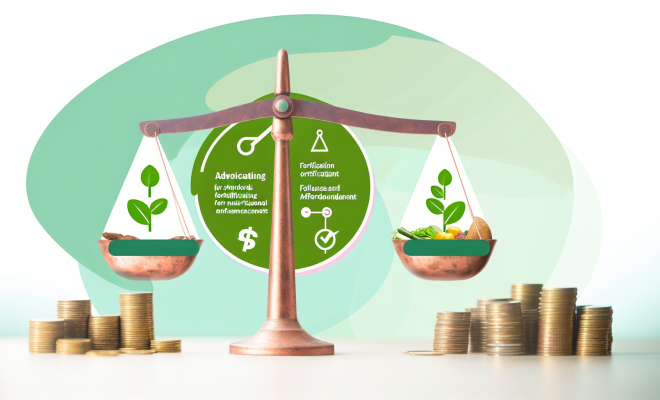
In recent years, the rise of plant-based meat alternatives has been a significant development in the food industry, particularly in the United Kingdom. As consumers become more health-conscious and environmentally aware, the demand for these alternatives has surged. However, while plant-based meats offer numerous health benefits, experts are now calling for enhanced regulations regarding their nutritional content and pricing strategies to ensure they are both effective and accessible.
Key Findings from Recent Research
Researchers from the London School of Hygiene and Tropical Medicine conducted two pivotal studies that shed light on the implications of swapping processed meats for plant-based options within UK diets. Their findings reveal that such dietary changes can lead to significant health improvements:
- Increased Fiber Intake: Participants increased their fiber intake by an impressive 4 to 6%.
- Reduced Saturated Fat: The studies indicated a reduction in saturated fat consumption by 6 to 7%.
- Lowered Salt Intake: A decrease in salt intake was also observed, with reductions of 3 to 4%.
These statistics are particularly notable given that approximately 96% of adults in the UK fail to meet their daily fiber intake goals and many exceed the recommended limits for saturated fat. The shift to plant-based meats could thus play a critical role in addressing these dietary shortcomings.
The Nutritional Profile of Plant-Based Meats
While the studies highlight the advantages of plant-based meats, they also emphasize a crucial caveat: the nutritional content of these products can vary widely. Some plant-based alternatives are rich in fiber and lower in saturated fat, but they may fall short in essential micronutrients such as vitamins and minerals. This inconsistency raises concerns about the overall health implications of such products.
The Need for Standardization
In light of these findings, experts are advocating for the establishment of national guidelines concerning the fortification of plant-based meats. The goal would be to ensure that these alternatives are consistently enriched with vital nutrients, such as:
- Vitamin B12
- Iron
- Calcium
- Zinc
By mandating fortification, the UK could help close the nutritional gap that currently exists, enabling consumers to make healthier choices without compromising on their dietary needs.
Making Plant-Based Options Affordable
Another significant barrier to the widespread adoption of plant-based meats is their cost. Currently, many plant-based products are priced higher than their processed meat counterparts, making them less accessible to the average consumer. Experts argue that reducing the prices of these healthier options is essential for promoting a dietary shift among the population.
According to the researchers, introducing price cuts would not only encourage more consumers to choose plant-based meats but would also contribute to improved public health outcomes. This is particularly important given the economic disparities that exist within the UK, where lower-income households may struggle to afford healthier food options.
Potential Strategies for Price Reduction
Several strategies could be implemented to reduce the cost of plant-based meats:
- Subsidies: Government subsidies could be provided to manufacturers of plant-based products, reducing production costs and ultimately lowering retail prices.
- Tax Incentives: Offering tax breaks for companies that prioritize sustainability and health in their product lines could encourage the expansion of affordable options.
- Public Awareness Campaigns: Educating consumers about the benefits of plant-based diets and how to incorporate these foods into their meals could drive demand, leading to economies of scale that reduce prices.
Conclusion: A Necessary Shift for Health and Sustainability
The findings from the London School of Hygiene and Tropical Medicine underscore the importance of promoting plant-based meats as a healthier alternative to processed meat. However, without proper fortification standards and affordability measures, the full potential of these products may not be realized. By establishing clear guidelines for nutritional content and implementing strategies to make these options more accessible, the UK can foster a healthier population while also addressing environmental concerns associated with meat production.
As the demand for plant-based options continues to grow, it is crucial for policymakers, manufacturers, and consumers to work together towards a future where nutritious, affordable, and sustainable food choices are available to all.