The Tech Edvocate

Top Menu

  • Advertisement
  • Apps
  • Home Page
  • Home Page Five (No Sidebar)
  • Home Page Four
  • Home Page Three
  • Home Page Two
  • Home Tech2
  • Icons [No Sidebar]
  • Left Sidbear Page
  • Lynch Educational Consulting
  • My Account
  • My Speaking Page
  • Newsletter Sign Up Confirmation
  • Newsletter Unsubscription
  • Our Brands
  • Page Example
  • Privacy Policy
  • Protected Content
  • Register
  • Request a Product Review
  • Shop
  • Shortcodes Examples
  • Signup
  • Start Here
    • Governance
    • Careers
    • Contact Us
  • Terms and Conditions
  • The Edvocate
  • The Tech Edvocate Product Guide
  • Topics
  • Write For Us
  • Advertise

Main Menu

  • Start Here
    • Our Brands
    • Governance
      • Lynch Educational Consulting, LLC.
      • Dr. Lynch’s Personal Website
      • Careers
    • Write For Us
    • The Tech Edvocate Product Guide
    • Contact Us
    • Books
    • Edupedia
    • Post a Job
    • The Edvocate Podcast
    • Terms and Conditions
    • Privacy Policy
  • Topics
    • Assistive Technology
    • Child Development Tech
    • Early Childhood & K-12 EdTech
    • EdTech Futures
    • EdTech News
    • EdTech Policy & Reform
    • EdTech Startups & Businesses
    • Higher Education EdTech
    • Online Learning & eLearning
    • Parent & Family Tech
    • Personalized Learning
    • Product Reviews
  • Advertise
  • Tech Edvocate Awards
  • The Edvocate
  • Pedagogue
  • School Ratings

logo

The Tech Edvocate

  • Start Here
    • Our Brands
    • Governance
      • Lynch Educational Consulting, LLC.
      • Dr. Lynch’s Personal Website
        • My Speaking Page
      • Careers
    • Write For Us
    • The Tech Edvocate Product Guide
    • Contact Us
    • Books
    • Edupedia
    • Post a Job
    • The Edvocate Podcast
    • Terms and Conditions
    • Privacy Policy
  • Topics
    • Assistive Technology
    • Child Development Tech
    • Early Childhood & K-12 EdTech
    • EdTech Futures
    • EdTech News
    • EdTech Policy & Reform
    • EdTech Startups & Businesses
    • Higher Education EdTech
    • Online Learning & eLearning
    • Parent & Family Tech
    • Personalized Learning
    • Product Reviews
  • Advertise
  • Tech Edvocate Awards
  • The Edvocate
  • Pedagogue
  • School Ratings
  • A Visitors Guide to Long Beach (CA), United States

  • A Visitor’s Guide to Fresno (CA), United States

  • A Visitors Guide to New Orleans (LA), United States

  • A Visitors Guide to Sacramento (CA), United States

  • A Visitors Guide to Lyon, France

  • JisuLife Ultra2 Portable Fan: A Powerful Multi-Function Cooling Solution

  • A Visitors Guide to Viña del Mar, Chile

  • A Visitors Guide to Århus, Denmark

  • A Visitors Guide to Bakersfield (CA), United States

  • A Visitors Guide to Aurora (CO), United States

Tech Advice
Home›Tech Advice›A Guide to Blackouts: Why They Happen and How to Stay Safe

A Guide to Blackouts: Why They Happen and How to Stay Safe
By Matthew Lynch
July 8, 2023
0
Spread the love

Introduction

Blackouts are one of the most frightening and disorienting events that can happen to an individual or an entire city. However, understanding how and why they occur can help prepare us for these unexpected occurrences and ensure we remain safe during these challenging times. In this article, we will explore the causes of blackouts, identify different types of blackouts, and provide practical tips on staying safe if you find yourself in a situation where one occurs.

Why Blackouts Happen

Blackouts typically occur due to one or more of these factors:

1. Power grid failure: The most common cause for a blackout is a power grid failure. This can result from extreme weather events such as thunderstorms, hurricanes, tornadoes, or ice storms which damage power lines and electrical infrastructure.

2. Overload on the power system: During periods of high energy demand, such as hot summer days when everyone has their air conditioners running, the power grid can become overloaded, resulting in a blackout.

3. Deliberate blackouts: In some cases, utility companies intentionally create temporary blackouts called “rolling blackouts” to conserve power during periods of high demand. The goal is to avoid a more severe and widespread blackout caused by an overloaded grid.

4. Technical issues: Mechanical failures within power plants or electrical components can also cause blackouts.

Types of Blackouts

There are three primary types of blackouts:

1. Brownout: A brownout is a temporary drop in voltage that results in reduced electrical power. While brownouts don’t lead to complete interruptions of the power supply, they can still cause problems for electronic devices.

2. Rolling blackout: A rolling blackout is a deliberate measure used by utility companies to alleviate stress on the already overloaded power grid during periods of high demand.

3. Total blackout: A total blackout is a complete loss of power resulting from a significant event or cascading failures within the power grid.

Staying Safe During a Blackout

If you find yourself in a blackout, follow these safety tips:

1. Stay calm: Many people panic during a blackout, which can make a difficult situation even worse. It’s crucial to remain calm and think clearly in order to react effectively.

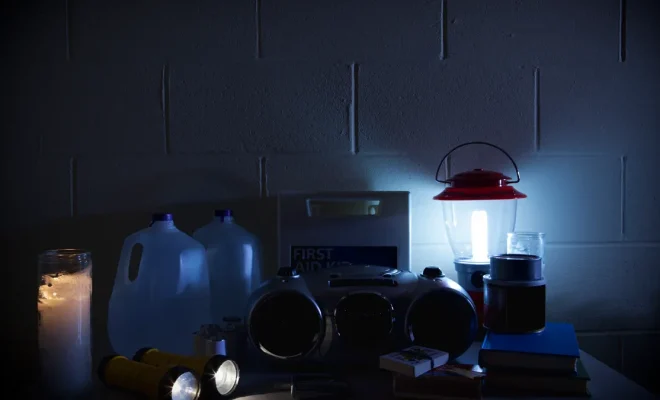
2. Use alternative light sources: Battery-operated candles or flashlights can provide sufficient light during a blackout. Avoid using real candles as they pose a fire risk.

3. Stay informed: During a blackout, it’s essential to stay informed of any updates and instructions from local authorities, either through battery-operated radios or mobile devices with charged batteries.

4. Turn off major appliances: Unplug or turn off appliances such as air conditioners, water heaters, and refrigerators to reduce the risk of electrical surges when power is restored.\

5. Don’t open the fridge: Keep your refrigerator and freezer doors closed to maintain their cold temperatures for as long as possible.

6. Stay hydrated and avoid heatstroke: If you’re in the middle of a heatwave during a blackout, drink plenty of water and go to the coolest part of your home to avoid overheating.

7. Check on neighbors: If it’s safe, make sure to check on elderly neighbors or those with medical conditions who might need assistance during a blackout.

Conclusion

Understanding why blackouts happen and how they impact us is crucial for staying safe during these unpredictable events. As we become more aware of their root causes, we can better plan and prepare for these timely occurrences, keeping ourselves and our communities safe during trying times.


Previous Article

25 Dorm Room Essentials You Can Find ...

Next Article

Why Getting Solar Panels in Alabama Is ...

Matthew Lynch

Related articles More from author

  • Tech Advice

    T-Mobile Home Internet Review: Plans, Prices, and Speed 2023

    August 8, 2023
    By Matthew Lynch
  • Tech Advice

    Can a Buyer Cancel a Car Dealership Contract?

    August 18, 2023
    By Matthew Lynch
  • Tech Advice

    Google 3D animals: How to conjure AR animals with Google search and more

    July 16, 2023
    By Matthew Lynch
  • Tech Advice

    Samsung Galaxy S21 Makes Google Messages App Native, but There’s a Catch

    July 24, 2023
    By Matthew Lynch
  • Tech Advice

    AMD’s Radeon RX 6000 GPUs for Laptops Still on Track to Arrive This Quarter

    July 24, 2023
    By Matthew Lynch
  • Tech Advice

    Biotech vs Pharma: What’s the Difference?

    September 7, 2023
    By Matthew Lynch

Search

Login & Registration

  • Register
  • Log in
  • Entries feed
  • Comments feed
  • WordPress.org

Newsletter

Signup for The Tech Edvocate Newsletter and have the latest in EdTech news and opinion delivered to your email address!

About Us

Since technology is not going anywhere and does more good than harm, adapting is the best course of action. That is where The Tech Edvocate comes in. We plan to cover the PreK-12 and Higher Education EdTech sectors and provide our readers with the latest news and opinion on the subject. From time to time, I will invite other voices to weigh in on important issues in EdTech. We hope to provide a well-rounded, multi-faceted look at the past, present, the future of EdTech in the US and internationally.

We started this journey back in June 2016, and we plan to continue it for many more years to come. I hope that you will join us in this discussion of the past, present and future of EdTech and lend your own insight to the issues that are discussed.

Newsletter

Signup for The Tech Edvocate Newsletter and have the latest in EdTech news and opinion delivered to your email address!

Contact Us

The Tech Edvocate
910 Goddin Street
Richmond, VA 23231
(601) 630-5238
[email protected]

Copyright © 2025 Matthew Lynch. All rights reserved.