The Tech Edvocate

Top Menu

  • Advertisement
  • Apps
  • Home Page
  • Home Page Five (No Sidebar)
  • Home Page Four
  • Home Page Three
  • Home Page Two
  • Home Tech2
  • Icons [No Sidebar]
  • Left Sidbear Page
  • Lynch Educational Consulting
  • My Account
  • My Speaking Page
  • Newsletter Sign Up Confirmation
  • Newsletter Unsubscription
  • Our Brands
  • Page Example
  • Privacy Policy
  • Protected Content
  • Register
  • Request a Product Review
  • Shop
  • Shortcodes Examples
  • Signup
  • Start Here
    • Governance
    • Careers
    • Contact Us
  • Terms and Conditions
  • The Edvocate
  • The Tech Edvocate Product Guide
  • Topics
  • Write For Us
  • Advertise

Main Menu

  • Start Here
    • Our Brands
    • Governance
      • Lynch Educational Consulting, LLC.
      • Dr. Lynch’s Personal Website
      • Careers
    • Write For Us
    • The Tech Edvocate Product Guide
    • Contact Us
    • Books
    • Edupedia
    • Post a Job
    • The Edvocate Podcast
    • Terms and Conditions
    • Privacy Policy
  • Topics
    • Assistive Technology
    • Child Development Tech
    • Early Childhood & K-12 EdTech
    • EdTech Futures
    • EdTech News
    • EdTech Policy & Reform
    • EdTech Startups & Businesses
    • Higher Education EdTech
    • Online Learning & eLearning
    • Parent & Family Tech
    • Personalized Learning
    • Product Reviews
  • Advertise
  • Tech Edvocate Awards
  • The Edvocate
  • Pedagogue
  • School Ratings

logo

The Tech Edvocate

  • Start Here
    • Our Brands
    • Governance
      • Lynch Educational Consulting, LLC.
      • Dr. Lynch’s Personal Website
        • My Speaking Page
      • Careers
    • Write For Us
    • The Tech Edvocate Product Guide
    • Contact Us
    • Books
    • Edupedia
    • Post a Job
    • The Edvocate Podcast
    • Terms and Conditions
    • Privacy Policy
  • Topics
    • Assistive Technology
    • Child Development Tech
    • Early Childhood & K-12 EdTech
    • EdTech Futures
    • EdTech News
    • EdTech Policy & Reform
    • EdTech Startups & Businesses
    • Higher Education EdTech
    • Online Learning & eLearning
    • Parent & Family Tech
    • Personalized Learning
    • Product Reviews
  • Advertise
  • Tech Edvocate Awards
  • The Edvocate
  • Pedagogue
  • School Ratings
  • This One Skill Is Quietly Reshaping Every Career — And How to Master It Now

  • The Silent Threat: How AI Is Reshaping Recent College Graduates’ Job Prospects

  • This Crucial Shift in AI Will Devastate Millions of College Grads

  • The Brutal Truth: Zero-Day Exploit Analysis vs. Traditional Cybersecurity Careers — Which Path Pays $300,000?

  • The Urgent Truth: Why These Certifications Are Your Only Defense Against Zero-Day Attacks

  • The FBI Investigates a Zero-Day Attack on Your Job Applications

  • The Startling Truth About AI’s Impact on Your Coding Job by 2026

  • The Shocking Truth About Your Code: AI Is Already Rewriting Your Future

  • Is This Why Code Review Is Dead? AI’s Staggering Impact on Tech Jobs

  • The Shocking Truth About CogniBoost vs Focus Drugs: What No One Is Telling You

Assistive Technology
Home›Assistive Technology›How to Use Do Not Disturb on Android

How to Use Do Not Disturb on Android
By Matthew Lynch
June 8, 2023
0
Spread the love

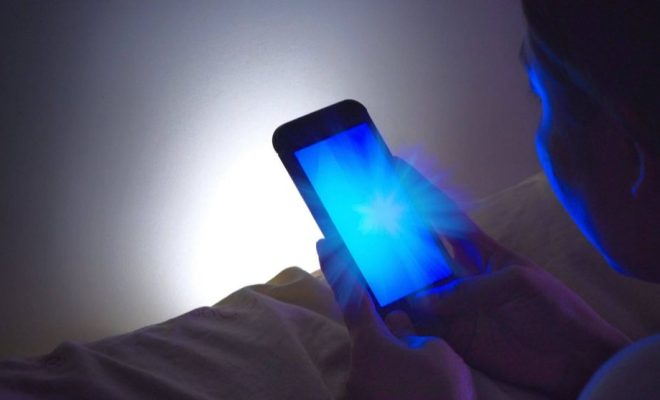
Do not disturb is a feature present on most Android devices. As the name suggests, it allows you to mute notifications and other disturbances from your device so you can focus on important tasks, relax, or sleep without your phone buzzing every minute. Here’s everything you need to know about how to use Do not disturb on Android.

Enabling Do not disturb

Enabling Do not disturb is easy. Swipe down from the top of the screen to show the notification shade, then tap on the Do not disturb button. Some Android devices may have the icon represented by a moon or crescent shape. For more options, you can long press the icon to access the settings.

Configuring Do not disturb settings

Once you’re in Do not disturb settings, you can customize how the feature works by tweaking the different options.

– Behavior: This option controls when Do not disturb should turn on automatically. You can choose when you’re sleeping, when the device is in use, or when you’ve scheduled it.

– Schedule: Here, you can set a schedule for Do not disturb to turn on and off automatically every day. You can also set priorities for some notifications to come through.

– Exceptions: You can choose to allow certain calls, messages, and app notifications to bypass Do not disturb settings. This is useful if you only want to mute certain distractions but don’t want to miss important ones.

– Turn off: This option lets you quickly turn off Do not disturb temporarily without going to the settings. You can choose to turn it off for an hour, until the next alarm, or indefinitely.

Managing notifications

Even with Do not disturb enabled, some notifications may still get through based on your settings. You can customize notifications as follows:

– Alarms: If you don’t want to miss important alarms, make sure the ‘Alarms’ option is turned on. That way, your alarm will still sound even if Do not disturb is activated.

– Priority mode: You can select ‘Priority only’ mode under the ‘Behavior’ option to only receive important notifications. You can customize which notifications are considered important in the ‘Priority only’ settings.

– Allow exceptions: You may also allow some calls, messages or app notifications from specific contacts to come through.

Conclusion

Do not disturb is a handy tool for limiting distractions on your Android device. Configuring the right settings can help you maximize its benefits while still receiving important notifications. Whether you use it to focus on work, screen time control, or catch some Zs, Do not disturb can help you take control of your device’s notification system. Try it out today and see the difference it makes!

Previous Article

What Are Audiobooks?

Next Article

How to Use Facebook Image Search to ...

Matthew Lynch

Related articles More from author

  • Assistive Technology

    How to Add a USB Device to VirtualBox on Windows

    June 13, 2023
    By Matthew Lynch
  • Assistive Technology

    How to Remove Local OneDrive Files Without Deleting Them

    June 6, 2023
    By Matthew Lynch
  • Assistive Technology

    How to Install and Uninstall Wireless Display in Windows 11

    June 12, 2023
    By Matthew Lynch
  • Assistive Technology

    Ways to Fix the “These Files Can’t Be Opened” Error on Windows

    June 21, 2023
    By Matthew Lynch
  • Assistive Technology

    How to Manage Your Windows Clipboard Like a Pro

    June 6, 2023
    By Matthew Lynch
  • Assistive Technology

    How to Use Figma: A Beginner’s Guide

    June 22, 2023
    By Matthew Lynch

Search

Login & Registration

  • Log in
  • Entries feed
  • Comments feed
  • WordPress.org

Newsletter

Signup for The Tech Edvocate Newsletter and have the latest in EdTech news and opinion delivered to your email address!

About Us

Since technology is not going anywhere and does more good than harm, adapting is the best course of action. That is where The Tech Edvocate comes in. We plan to cover the PreK-12 and Higher Education EdTech sectors and provide our readers with the latest news and opinion on the subject. From time to time, I will invite other voices to weigh in on important issues in EdTech. We hope to provide a well-rounded, multi-faceted look at the past, present, the future of EdTech in the US and internationally.

We started this journey back in June 2016, and we plan to continue it for many more years to come. I hope that you will join us in this discussion of the past, present and future of EdTech and lend your own insight to the issues that are discussed.

Newsletter

Signup for The Tech Edvocate Newsletter and have the latest in EdTech news and opinion delivered to your email address!

Contact Us

The Tech Edvocate
910 Goddin Street
Richmond, VA 23231
(601) 630-5238
[email protected]

Copyright © 2026 Matthew Lynch. All rights reserved.