The Tech Edvocate

Top Menu

  • Advertisement
  • Apps
  • Home Page
  • Home Page Five (No Sidebar)
  • Home Page Four
  • Home Page Three
  • Home Page Two
  • Home Tech2
  • Icons [No Sidebar]
  • Left Sidbear Page
  • Lynch Educational Consulting
  • My Account
  • My Speaking Page
  • Newsletter Sign Up Confirmation
  • Newsletter Unsubscription
  • Our Brands
  • Page Example
  • Privacy Policy
  • Protected Content
  • Register
  • Request a Product Review
  • Shop
  • Shortcodes Examples
  • Signup
  • Start Here
    • Governance
    • Careers
    • Contact Us
  • Terms and Conditions
  • The Edvocate
  • The Tech Edvocate Product Guide
  • Topics
  • Write For Us
  • Advertise

Main Menu

  • Start Here
    • Our Brands
    • Governance
      • Lynch Educational Consulting, LLC.
      • Dr. Lynch’s Personal Website
      • Careers
    • Write For Us
    • The Tech Edvocate Product Guide
    • Contact Us
    • Books
    • Edupedia
    • Post a Job
    • The Edvocate Podcast
    • Terms and Conditions
    • Privacy Policy
  • Topics
    • Assistive Technology
    • Child Development Tech
    • Early Childhood & K-12 EdTech
    • EdTech Futures
    • EdTech News
    • EdTech Policy & Reform
    • EdTech Startups & Businesses
    • Higher Education EdTech
    • Online Learning & eLearning
    • Parent & Family Tech
    • Personalized Learning
    • Product Reviews
  • Advertise
  • Tech Edvocate Awards
  • The Edvocate
  • Pedagogue
  • School Ratings

logo

The Tech Edvocate

  • Start Here
    • Our Brands
    • Governance
      • Lynch Educational Consulting, LLC.
      • Dr. Lynch’s Personal Website
        • My Speaking Page
      • Careers
    • Write For Us
    • The Tech Edvocate Product Guide
    • Contact Us
    • Books
    • Edupedia
    • Post a Job
    • The Edvocate Podcast
    • Terms and Conditions
    • Privacy Policy
  • Topics
    • Assistive Technology
    • Child Development Tech
    • Early Childhood & K-12 EdTech
    • EdTech Futures
    • EdTech News
    • EdTech Policy & Reform
    • EdTech Startups & Businesses
    • Higher Education EdTech
    • Online Learning & eLearning
    • Parent & Family Tech
    • Personalized Learning
    • Product Reviews
  • Advertise
  • Tech Edvocate Awards
  • The Edvocate
  • Pedagogue
  • School Ratings
  • US Battery as a Service Market Shifts Toward Fleet-Based Energy

  • The Startling Truth: Why Americans Distrust AI with Their Health

  • This Crucial Deadline for Banks Is Closer Than You Think

  • Baffling: CrowdStrike’s $500 Million AI Bet Reshapes Cybersecurity

  • This Crucial Autonomous Driving Rule Could Cost You Everything

  • Baffling: Microsoft AI CEO Demands Halt to Conscious AI Development

  • O seară în ritmul tău: atmosfera divertismentului de cazinou pe internet

  • Outrageous: AppLovin Hit With Lawsuit Over AI Claims — What Investors Need to Know

  • 9 Critical Ways AI Investment Fraud Is Quietly Draining Your Bank Account

  • Is the AI Bubble Bursting? OpenAI’s Funding Woes Revealed

Digital & Mobile Technology
Home›Digital & Mobile Technology›The Best Ways to Secure Remote Access

The Best Ways to Secure Remote Access
By Matthew Lynch
June 4, 2023
0
Spread the love

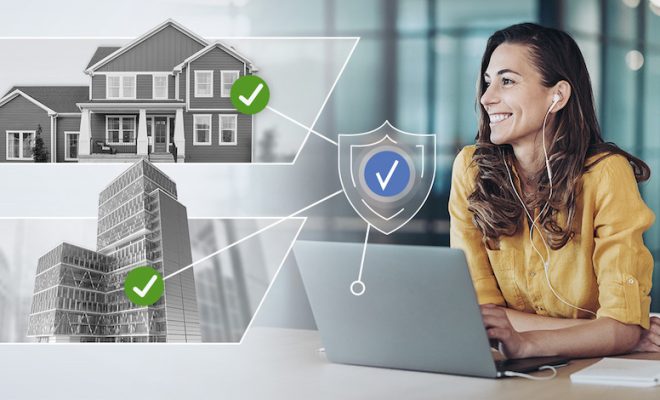
In today’s digital age, remote access has become an integral part of business processes, allowing employees to work from any location. However, this convenience comes with its own security challenges, leaving your data vulnerable to cyber threats. Therefore, remote access policies should be aimed at implementing robust security measures to safeguard sensitive data. Here are some of the best ways to secure remote access:

1. Limit Access

The first step in securing remote access is to limit access. Only employees who need remote access should be granted it. Additionally, the level of access should be based on their roles and responsibilities. Restricting access will limit the possibility of unauthorized access or data breaches.

2. Multi-Factor Authentication

Passwords alone are not enough to protect against cyber threats, especially when it comes to remote access. Multi-factor authentication adds another layer of security, making it harder for hackers to gain unauthorized access. Multi-factor authentication involves a combination of something you know, something you have, and something you are, such as a password, fingerprint, or a verification code sent to your phone.

3. Use VPN

A Virtual Private Network (VPN) creates a secure connection between remote users and the company’s network. This encrypted connection ensures that all data transmitted between the remote employee and the network is protected from interception. It also ensures that remote users can access company resources securely, such as intranet, databases or cloud applications.

4. Regularly Update Software

Software updates often contain security patches that address current vulnerabilities. Regularly updating software for remote access tools is, therefore, essential to eliminate any known security loopholes. This will protect your systems from evolving cyber threats, as well as improve system performance and efficiency.

5. Monitor and Log Remote Access Activity

Remote access activity should be monitored and logged to identify suspicious or unauthorized use. Monitoring allows you to track who is accessing your sensitive data, and detect any unusual behavior, such as multiple login attempts, use of unknown IP addresses, or access outside normal business hours. Logging access details provides a record of every activity performed by remote users, which can be valuable in identifying and stopping a data breach.

In conclusion, securing remote access should be a top priority for any organization that records sensitive and confidential data. By implementing the above measures, your company can protect your data from unauthorized access, ensuring the smooth running of your business operations.

Previous Article

How to Download YouTube Videos on Linux ...

Next Article

Reasons You Shouldn’t Use Discord

Matthew Lynch

Related articles More from author

  • Digital & Mobile Technology

    How to Unlock Your Apple Watch with iPhone or Passcode

    June 9, 2023
    By Matthew Lynch
  • Digital & Mobile Technology

    Tips to Have Secret Text Conversations on Your iPhone

    June 6, 2023
    By Matthew Lynch
  • Digital & Mobile Technology

    What You Need to Know About the “Kill Switch Law”

    June 8, 2023
    By Matthew Lynch
  • Digital & Mobile Technology

    9 Reasons Why Employers Don’t Post Salaries in Job Ads

    July 31, 2023
    By Matthew Lynch
  • Digital & Mobile Technology

    What Is an Instagram Photo Dump?

    June 5, 2023
    By Matthew Lynch
  • Digital & Mobile Technology

    How to Tame a Cat in Minecraft

    June 3, 2023
    By Matthew Lynch

Search

Login & Registration

  • Log in
  • Entries feed
  • Comments feed
  • WordPress.org

Newsletter

Signup for The Tech Edvocate Newsletter and have the latest in EdTech news and opinion delivered to your email address!

About Us

Since technology is not going anywhere and does more good than harm, adapting is the best course of action. That is where The Tech Edvocate comes in. We plan to cover the PreK-12 and Higher Education EdTech sectors and provide our readers with the latest news and opinion on the subject. From time to time, I will invite other voices to weigh in on important issues in EdTech. We hope to provide a well-rounded, multi-faceted look at the past, present, the future of EdTech in the US and internationally.

We started this journey back in June 2016, and we plan to continue it for many more years to come. I hope that you will join us in this discussion of the past, present and future of EdTech and lend your own insight to the issues that are discussed.

Newsletter

Signup for The Tech Edvocate Newsletter and have the latest in EdTech news and opinion delivered to your email address!

Contact Us

The Tech Edvocate
910 Goddin Street
Richmond, VA 23231
(601) 630-5238
[email protected]

Copyright © 2026 Matthew Lynch. All rights reserved.