The Moon’s Gold Rush: Why Scientists Demand a Lunar Mining Moratorium Now
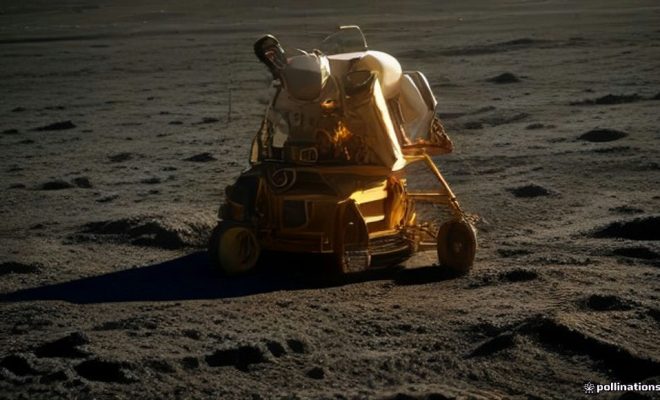
Imagine a future where the pristine, dusty surface of the Moon is scarred by industrial operations, its invaluable geological records erased, and its resources plundered without a second thought for humanity’s shared heritage. This isn’t science fiction; it’s a very real concern that has prompted a compelling call for a lunar mining moratorium. On November 22, 2026, researchers Florian Rabitz and Xiao-Shan Yap published a significant proposal in the journal Global Environmental Politics, sounding the alarm about an impending “lunar gold rush.” Their core argument? We need to hit the brakes on commercial extraction until robust, binding international rules are firmly in place.
This isn’t just an academic debate; it’s a deeply controversial and emotionally charged issue that’s grabbing headlines and dominating conversations across social media, often trending with hashtags like #MoonBelongsToAll. The stakes couldn’t be higher. We’re talking about the potential for irreversible environmental damage to a celestial body that holds profound scientific value, not to mention the geopolitical ramifications of powerful states and private entities staking claims in what many believe should be a shared commons. The very idea of who owns space resources is at the heart of this dispute, making the call for a lunar mining moratorium a critical point of discussion for anyone interested in the future of space exploration and international law.
The Looming Lunar Gold Rush: A Race Against Time
For decades, the Moon has primarily been a destination for scientific inquiry and symbolic achievement. From Sputnik to Apollo, our interactions with Earth’s closest celestial neighbor have largely been about exploration and understanding. But a paradigm shift is underway. As technology advances and terrestrial resources become scarcer, the Moon is increasingly viewed through an economic lens, its vast potential for valuable resources — from helium-3 for fusion energy to rare earth elements and, crucially, water ice for rocket fuel and life support — becoming tantalizingly clear. This shift has ignited what Rabitz and Yap rightly term a “lunar gold rush.”
The urgency stems from the fact that this isn’t some distant future scenario. Private companies are already making significant strides in developing the technologies needed for lunar resource extraction. Missions are being planned, investments are pouring in, and the race to establish a foothold on the Moon is accelerating. Without a clear regulatory framework, this rapid commercialization risks turning into a free-for-all, where the first to arrive and extract dictates the terms. That’s a recipe for conflict, environmental devastation, and the potential loss of invaluable scientific opportunities before we even fully understand what we’re destroying.
What Exactly is a Lunar Mining Moratorium?
When Rabitz and Yap advocate for a lunar mining moratorium, they aren’t suggesting that humanity should abandon the idea of utilizing lunar resources forever. Instead, they’re proposing a temporary halt, a pause button on large-scale industrial extraction until a comprehensive, globally agreed-upon set of rules and regulations can be established. Think of it as a timeout before the game gets out of control. It’s a call for prudence and foresight, rather than a blanket prohibition.
Such a moratorium would ideally involve a commitment from all spacefaring nations and private entities to refrain from commercial mining operations beyond exploratory or scientific endeavors. The goal is to create a window of opportunity for diplomats, scientists, legal experts, and policymakers to converge and hammer out the intricate details of space resource governance. Without this pause, the rapid pace of technological development and commercial interest could easily outstrip our ability to create thoughtful, equitable, and sustainable policies.
The Environmental and Scientific Dangers of Unregulated Extraction
It’s easy to think of the Moon as a barren, lifeless rock where human activity would have little impact. But that perspective is dangerously shortsighted. The lunar environment, while seemingly desolate, is incredibly fragile and scientifically invaluable. The Moon’s surface, particularly its permanently shadowed regions, contains water ice, volatile compounds, and other materials that have been preserved for billions of years, offering an unparalleled archive of the early solar system, cometary impacts, and even the origins of life itself. Industrial mining operations, with their associated dust, exhaust, vibrations, and habitat construction, could irreversibly contaminate or destroy these pristine records.
Imagine the deep scars left by open-pit mines, the fine lunar dust kicked up and spread across vast distances, potentially obscuring astronomical observations or even contaminating future human habitats. The Moon’s exosphere is extremely thin, making it vulnerable to even small-scale atmospheric pollution from rocket launches and industrial processes. Rabitz and Yap emphasize that these are not just theoretical concerns; they are direct threats to our ability to conduct future scientific research, understand the cosmos, and potentially even search for extraterrestrial life in unique lunar environments. A lunar mining moratorium would give us the chance to properly assess these risks before it’s too late.
The Geopolitical Chessboard: Who Owns the Moon?
Perhaps the most contentious aspect of lunar resource utilization is the question of ownership. International space law, primarily embodied in the 1967 Outer Space Treaty, declares space to be the “province of all mankind” and prohibits national appropriation of celestial bodies. However, the treaty is notoriously ambiguous when it comes to the ownership of resources extracted from space. Does preventing national appropriation extend to preventing private companies from claiming resources once they’ve been mined?
This legal gray area has created a geopolitical chessboard where powerful states and private corporations are jockeying for position. The United States, for example, has enacted legislation like the SPACE Act of 2015, which grants U.S. citizens the right to possess and sell resources they obtain from space, though it explicitly states this does not imply sovereignty over celestial bodies. Other nations, like Luxembourg, have followed suit with similar laws. Meanwhile, countries like China and Russia view such unilateral actions with suspicion, advocating for a more comprehensive international framework, perhaps through the United Nations. This fundamental disagreement over legal interpretation is a powder keg, and a lunar mining moratorium could provide the necessary time to defuse it. (See: NASA's Moon Exploration Overview.)
The Outer Space Treaty and its Limitations
The 1967 Outer Space Treaty (OST) is the cornerstone of international space law, having been ratified by over 110 countries. Its core principles are admirable: space is free for exploration and use by all states, no celestial body can be appropriated by any nation, and all activities must be conducted for the benefit of all countries. But as our technological capabilities have evolved, the treaty’s limitations have become glaringly obvious.
The OST was drafted in an era when space exploration was primarily a state-led endeavor, and the concept of commercial space mining was pure fantasy. It simply doesn’t address the intricate legal and ethical questions surrounding resource extraction by private entities. For instance, while Article II prohibits national appropriation, it doesn’t explicitly forbid a private company from extracting and owning resources. This loophole is precisely what proponents of a lunar mining moratorium want to close. They argue that without a clear, universally accepted interpretation or an updated legal framework, the OST’s noble intentions could be undermined by unchecked commercial exploitation. For more context, see systems thinking in resource management.
The Artemis Accords: A Counter-Narrative?
In contrast to a moratorium, the United States, through NASA, has championed the Artemis Accords, a series of bilateral agreements with partner nations. Launched in 2020, the Accords aim to establish a common set of principles for lunar exploration and resource utilization, building upon the Outer Space Treaty. Key provisions include transparency, interoperability, registration of space objects, and emergency assistance. Crucially, the Accords also include a provision on space resources, stating that “the ability to extract and utilize space resources is vital to support safe and sustainable lunar and Martian exploration and utilization.” They also affirm that signatories can extract and utilize space resources in accordance with the OST.
While the Artemis Accords promote peaceful and transparent operations, critics argue they represent an attempt to create a legal framework outside the UN, potentially favoring the interests of the signatory nations and private companies from those nations. Some view them as a step towards legitimizing resource extraction without a broader international consensus, thus exacerbating the very issues a lunar mining moratorium seeks to address. The debate between a UN-led, globally inclusive approach and a coalition-based framework like the Accords highlights the deep divisions in how we envision the future of space governance.
Drawing Parallels: Lessons from Earth’s Resource Exploitation
When considering the potential pitfalls of unregulated lunar mining, we don’t have to look far for cautionary tales. Our own planet provides a stark reminder of the environmental and social consequences of unchecked resource exploitation. From the devastation of rainforests for timber and minerals to the pollution of oceans by deep-sea mining, human history is replete with examples of short-term economic gains leading to long-term ecological damage and geopolitical strife.
The rush for oil, diamonds, and rare earths on Earth has often resulted in conflict, displacement of indigenous populations, and irreversible environmental degradation. Do we really want to export these same destructive patterns to the Moon? Advocates for a lunar mining moratorium argue that we have a unique opportunity to learn from our past mistakes and establish a more responsible, sustainable, and equitable approach to extraterrestrial resources from the outset. This isn’t just about protecting the Moon; it’s about demonstrating humanity’s capacity for foresight and responsible stewardship on a cosmic scale.
The Path Forward: Building a Consensus for Lunar Governance
So, if a lunar mining moratorium is the proposed solution, what does the path forward look like? It’s undoubtedly complex, requiring significant diplomatic effort and a willingness from all stakeholders to compromise. The United Nations Committee on the Peaceful Uses of Outer Space (COPUOS) is the primary forum for discussing these issues, but progress can be painstakingly slow, often bogged down by the divergent interests of its member states.
A moratorium would create the necessary breathing room for COPUOS, or a specially convened international conference, to develop a new international treaty or a robust set of protocols that specifically address space resource utilization. Key elements of such an agreement would need to include: clear definitions of what constitutes a resource and who has the right to extract it; environmental protection standards for lunar operations; mechanisms for benefit-sharing to ensure that the “province of all mankind” principle is upheld; and dispute resolution mechanisms to prevent conflicts. It’s an ambitious undertaking, but one that is absolutely essential if we are to avoid a chaotic and destructive scramble for lunar riches.
Economic Opportunities vs. Ethical Imperatives
It’s important to acknowledge that the drive for lunar mining isn’t solely about greed; it also presents genuine economic opportunities that could benefit humanity. Proponents of lunar resource extraction often highlight the potential for new industries, job creation, and the development of technologies that could solve terrestrial challenges. For example, helium-3, if successfully harnessed, could provide a clean, abundant energy source. Water ice on the Moon could dramatically reduce the cost of space travel by enabling “in-situ resource utilization” (ISRU), meaning rockets could refuel in space rather than carrying all their fuel from Earth. This could open up deep space exploration in ways we can barely imagine today.
However, the ethical imperative to protect a shared celestial body and ensure equitable access often clashes with these economic aspirations. The question isn’t whether we should ever use lunar resources, but how and under what conditions. A lunar mining moratorium aims to find a balance, ensuring that economic benefits don’t come at the cost of irreversible damage or perpetuate terrestrial inequalities in a new cosmic arena. It’s about setting up a framework that allows for sustainable development rather than a speculative rush.
The Role of Indigenous Perspectives and Cultural Heritage
The discussion around lunar mining often centers on legal, scientific, and economic aspects, but it’s crucial not to overlook the cultural and spiritual significance of the Moon for various communities around the world. Many indigenous cultures hold the Moon in high reverence, incorporating it into their myths, spiritual practices, and understanding of the cosmos. For these groups, the idea of industrializing the Moon can be deeply unsettling, akin to desecrating a sacred site. (See: Scientific Analysis of Lunar Mining.)
While the Moon doesn’t have indigenous populations in the traditional sense, the principle of respecting cultural heritage and shared human values extends beyond Earth. The call for a lunar mining moratorium aligns with a broader movement to incorporate diverse perspectives into space governance. This means considering not just the immediate material benefits but also the long-term impact on humanity’s shared cultural heritage and the symbolic value of the Moon as a beacon of wonder and inspiration. Any future framework for lunar resource utilization should ideally include mechanisms for acknowledging and protecting these intangible values, ensuring that the Moon remains a source of awe for all, not just a quarry for a few.
The Challenge of Enforcement and Compliance
Even if an international consensus for a lunar mining moratorium or a comprehensive regulatory framework were achieved, the challenge of enforcement and compliance would remain. Unlike terrestrial environments, the Moon is far away, and monitoring activities there presents unique logistical and technological hurdles. Who would police the Moon? What mechanisms would be in place to detect violations? How would non-compliant nations or private entities be sanctioned? For more context, see creative thinking about lunar conservation.
These are not trivial questions. The current international space law framework relies heavily on the principle of state responsibility, meaning nations are responsible for the activities of their governmental and non-governmental entities in space. However, without a strong international body with enforcement powers, or a clear set of punitive measures, any moratorium or treaty could be rendered ineffective. This highlights the need for a robust institutional framework alongside any new legal rules, perhaps involving enhanced satellite monitoring, independent auditing, and internationally recognized dispute resolution tribunals. The credibility of a moratorium hinges on the belief that it can actually be upheld.
The Potential for a “Tragedy of the Commons” in Space
The concept of the “Tragedy of the Commons” is highly relevant to the debate around lunar mining. This economic theory describes situations where individuals, acting independently and rationally according to their own self-interest, deplete a shared resource even when it is clear that it is not in anyone’s long-term interest for this to happen. The Moon, widely considered the “province of all mankind,” fits the definition of a global commons.
Without proper governance, the lunar gold rush could easily devolve into a tragedy of the commons. Each nation or company, seeking to maximize its own short-term gain, might extract resources without regard for the cumulative environmental impact, the scientific value, or the equity concerns of other nations. This competitive scramble could lead to rapid depletion, environmental damage, and a breakdown of international cooperation, ultimately harming everyone’s long-term interests in a sustainable and peaceful use of space. A lunar mining moratorium is essentially an attempt to prevent this tragedy before it unfolds, by establishing collective rules and responsibilities.
The Future of Space Habitats and Human Settlements
Beyond resource extraction, the future of human presence on the Moon is also tied to this discussion. Many envision permanent lunar bases, research stations, and even tourist facilities. These long-term settlements would undoubtedly rely on some form of lunar resource utilization for sustenance, construction, and energy. The question then becomes: how do we balance the need for resources to support human life and expansion with the imperative to protect the lunar environment?
A moratorium isn’t just about stopping mining; it’s about strategizing. It allows time to develop technologies and policies that promote sustainable human settlement. This could involve strict zoning regulations for lunar activities, designating protected scientific and heritage sites, and developing closed-loop resource systems that minimize waste and environmental impact. The decisions made during a moratorium would shape whether future lunar habitats are integrated responsibly with the environment or become isolated, resource-intensive outposts that mirror our less sustainable practices on Earth.
Frequently Asked Questions about the Lunar Mining Moratorium
What exactly is meant by “lunar resources”?
Lunar resources refer to any naturally occurring materials on the Moon that could be useful to humanity. The most talked-about resources include: water ice (found primarily in permanently shadowed craters at the poles, crucial for drinking, oxygen, and rocket fuel); helium-3 (a rare isotope thought to be abundant on the Moon, a potential fuel for nuclear fusion reactors); rare earth elements (minerals used in electronics); and regolith (lunar soil, which can be used for construction or as a source of other elements).
Who proposed the lunar mining moratorium and why?
The specific proposal for a “lunar mining moratorium” was put forth by researchers Florian Rabitz and Xiao-Shan Yap in November 2026, published in Global Environmental Politics. They argued for a temporary halt to commercial extraction to prevent a “lunar gold rush” and allow time for the establishment of robust, binding international rules for space resource governance, citing environmental, scientific, and geopolitical risks.
Is the Moon currently being mined?
No, not in a commercial, industrial sense. While various probes and landers have sampled lunar regolith and confirmed the presence of water ice, large-scale commercial mining operations haven’t begun. However, numerous private companies and national space agencies are actively developing the technology and planning missions for resource extraction, making the moratorium debate incredibly timely.
What are the main arguments against a lunar mining moratorium?
Opponents of a moratorium often argue that it would stifle innovation, delay human expansion into space, and prevent the economic benefits that lunar resources could offer. They might also argue that existing international law (like the Outer Space Treaty) is sufficient, or that a “first-mover advantage” is necessary for technological development. Some believe that specific nations or blocs should lead the way in establishing norms, rather than waiting for slow, multilateral consensus.
How would a moratorium be enforced?
This is one of the biggest challenges. Ideally, enforcement would come from a globally agreed-upon framework, perhaps overseen by the United Nations. Mechanisms could include international monitoring (e.g., satellite surveillance), transparent reporting requirements for all lunar missions, and potentially a system of sanctions or penalties for non-compliant nations or private entities. Building trust and cooperation among spacefaring nations would be key.
What is the difference between a “moratorium” and a “ban”?
A moratorium is a temporary suspension or halt of an activity, typically until certain conditions are met or further information is gathered. In this context, it’s a pause on commercial lunar mining until international rules are established. A ban, on the other hand, is a permanent prohibition of an activity. Proponents of a lunar mining moratorium are generally not advocating for a permanent ban on resource utilization, but rather a temporary, responsible pause.
Could a lunar mining moratorium hinder scientific research?
Generally, no. A moratorium would typically apply to large-scale commercial extraction, allowing scientific and exploratory missions to continue. In fact, by creating a pause, it could enable more thorough scientific assessment of lunar environments and resources before any irreversible industrial activities begin, potentially safeguarding unique scientific sites from destruction.
What role do private companies play in this debate?
Private companies are central to the debate because they are driving much of the innovation and investment in lunar resource extraction technologies. Their commercial interests often push for rapid development and less restrictive regulations. A lunar mining moratorium would require their cooperation and adherence, which would necessitate strong incentives or international legal obligations that apply to non-state actors.
How do the Artemis Accords relate to a moratorium?
The Artemis Accords, led by the U.S., represent a different approach to lunar governance than a global moratorium. While they promote principles like transparency and peaceful cooperation, they also affirm the right of signatories to extract and utilize space resources. Critics see them as potentially preempting a broader international consensus and legitimizing resource extraction before a comprehensive, globally agreed-upon framework is in place, thus standing in contrast to the spirit of a moratorium.
Why should I care about lunar mining?
The decisions made about lunar mining will affect everyone. They impact our shared scientific heritage, the potential for future scientific discoveries, the geopolitical stability of international relations, and our collective understanding of humanity’s role as stewards of celestial bodies. Unregulated mining could lead to environmental damage on the Moon, international conflicts, and the loss of unique opportunities for all of humanity, not just spacefaring nations.
Trending Now
Frequently Asked Questions
What is the lunar mining moratorium?
The lunar mining moratorium is a proposed pause on commercial extraction of lunar resources until binding international regulations are established. Researchers argue this is essential to prevent environmental damage and protect the Moon's geological records, which are invaluable for scientific research.
Why do scientists want to halt lunar mining?
Scientists advocate for a halt to lunar mining due to concerns about irreversible environmental impacts, loss of scientific heritage, and the potential for conflict over resource ownership. They emphasize the need for international guidelines to manage space resource extraction responsibly.
What are the potential consequences of lunar mining?
Lunar mining could lead to severe environmental degradation, erasing geological records that hold scientific value. Additionally, it may create geopolitical tensions as nations and private companies vie for control over lunar resources, challenging the concept of space as a shared commons.
How could lunar mining affect international law?
Lunar mining raises critical questions about resource ownership and rights in outer space, potentially leading to conflicts over international law. The call for a moratorium highlights the need for global agreements to ensure that lunar resources are managed equitably and sustainably.
What resources are being targeted for lunar mining?
Lunar mining targets various valuable resources, including helium-3 for fusion energy and rare earth elements. As technology advances and terrestrial resources dwindle, the Moon's potential as an economic resource is increasingly recognized, prompting calls for careful regulation.
Agree or disagree? Drop a comment and tell us what you think.