This Is Why Millions Are Drowning In US Credit Card Debt
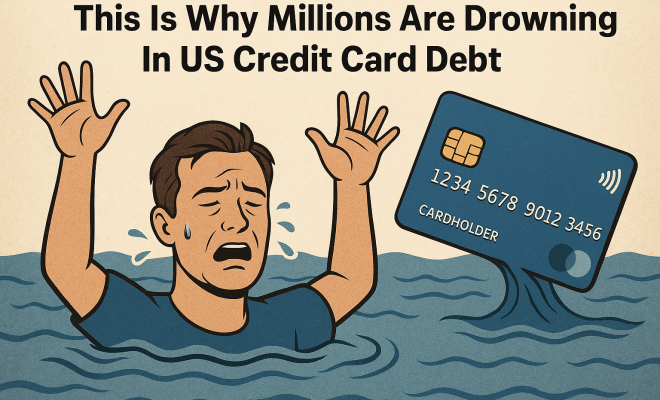
The numbers are in, and they paint a stark picture: US credit card debt has soared to an eye-watering $1.26 trillion. Think about that for a moment. That’s not just a big number; it’s a 64% increase since the lowest point we saw during the pandemic. And it’s not just the sheer volume that’s concerning; delinquencies, those missed payments that signal real trouble, are also climbing. If you’re feeling the pinch, you’re certainly not alone. This isn’t just about overspending on luxuries; for many, it’s about trying to keep pace with a cost of living that feels increasingly out of reach, and it’s creating immense stress in households across the country.
It’s easy to point fingers, but the reality is far more complex than simple fiscal irresponsibility. What we’re witnessing is a perfect storm brewing, driven by forces far beyond individual control. Wages, for a significant chunk of the population, just haven’t kept up with the relentless march of inflation. Everything from the groceries in your basket to the rent payment due next week, and even the gas in your car, has gotten dramatically more expensive. When your income stagnates but your essential expenses skyrocket, something has to give. For millions of Americans, that ‘something’ has become their credit cards, used not for discretionary spending, but for the bare necessities of life.
This isn’t merely an economic statistic; it’s a deeply personal struggle playing out in homes everywhere. People are turning to credit cards to bridge the gap, essentially borrowing from their future just to make it through the present. And with average credit card interest rates hovering around a brutal 22%, that debt becomes a monstrous beast, growing faster than many can hope to pay it down. It’s a cycle that’s incredibly difficult to break, pushing more and more families into a precarious financial position. Let’s dig into the layers of this crisis and understand why US credit card debt has become such a dominant, and frankly, distressing, feature of our current economy.
The Staggering Surge: A Post-Pandemic Reality Check
To truly grasp the scale of the current situation, we need to rewind a bit. During the initial phases of the COVID-19 pandemic, many households actually saw a reduction in their credit card balances. This wasn’t necessarily due to newfound financial prudence; rather, it was a confluence of factors. Government stimulus checks provided a temporary boost, enhanced unemployment benefits offered a safety net, and widespread lockdowns severely limited opportunities for discretionary spending. People weren’t commuting as much, dining out was restricted, and travel largely ground to a halt. This unusual period created an artificial dip in US credit card debt, giving many a brief respite from the constant pressure of revolving balances.
However, as economies reopened and government aid programs phased out, the underlying financial vulnerabilities of many Americans quickly resurfaced. The 64% increase from that pandemic low isn’t just a bounce back; it represents a significant overshoot. We’re not simply returning to pre-pandemic levels; we’ve blown past them, reaching new record highs. This suggests that the initial dip was an anomaly, and the current surge reflects deeper, more systemic issues that were perhaps masked by the unique circumstances of the pandemic. It’s a sobering reality check that the financial health of many households remains fragile, and credit cards are increasingly becoming the default solution for everyday survival.
The speed of this accumulation is particularly alarming. It wasn’t a gradual climb; it was a rapid ascent, mirroring the rapid escalation in the cost of living. This acceleration points to a broad swathe of the population struggling to absorb higher costs without a corresponding increase in their income. When you see numbers like $1.26 trillion, it’s not just the sum total that matters, but the velocity and the underlying reasons behind it. It’s a clear signal that a significant portion of the American populace is living on the financial edge, relying on borrowed money to maintain a semblance of stability.
The Silent Killer: Stagnant Wages vs. Soaring Prices
At the heart of the ballooning US credit card debt crisis lies a fundamental imbalance: the chasm between what people earn and what they have to spend on essentials. For years, economists and labor advocates have highlighted the issue of wage stagnation. While productivity has generally increased, and corporate profits have often soared, the average worker’s paycheck, when adjusted for inflation, hasn’t seen the kind of meaningful growth needed to keep pace with a modern economy. This isn’t a new phenomenon, but its effects are being acutely felt now more than ever. There’s a fuller look at Key inflation trends analysis.
Simultaneously, we’ve witnessed an unprecedented surge in the cost of basic necessities. Think about your last trip to the grocery store. Are you paying more for milk, eggs, bread, and meat than you were a year or two ago? Absolutely. Housing costs, whether you’re renting or trying to buy, have become prohibitive in many regions, consuming an ever-larger portion of household budgets. And don’t forget transportation; even with recent fluctuations, gas prices remain elevated compared to pre-pandemic levels, and the cost of vehicle maintenance or public transit has also climbed. These aren’t discretionary expenses; they are non-negotiable costs of living, and when they rise significantly without a corresponding increase in income, the math simply doesn’t add up. Credit cards become the unavoidable bridge.
This dynamic creates a vicious cycle. People use credit to cover the shortfall, but because their wages aren’t increasing, they struggle to pay off the balance. This leads to carrying over debt month after month, incurring hefty interest charges, which further eats into their already strained budgets. It’s a continuous drain, making it incredibly difficult for individuals and families to build any kind of financial buffer or save for the future. The pressure is immense, and it’s a direct contributor to the record levels of US credit card debt we’re seeing today. (See: financial stress and its impacts.)
The Unbearable Weight of High Interest Rates
One of the most insidious aspects of the current US credit card debt problem is the punishing effect of high interest rates. When you’re forced to use credit to cover essential expenses, you’re not just borrowing money; you’re effectively paying a premium for that money, often a very steep one. The average credit card interest rate is currently hovering around 22%. Let that sink in for a moment. If you’re carrying a balance, nearly a quarter of every dollar you owe is essentially extra money you’re paying just for the privilege of borrowing. For more context, see triple tax bills on forgiven student loans.
To put this into perspective, imagine you have a $5,000 credit card balance at 22% interest. If you only make the minimum payment each month, you could end up paying thousands of dollars in interest alone, and it could take you years, if not decades, to pay off the principal. The interest accrues rapidly, making it feel like you’re running on a financial treadmill that’s constantly speeding up. This isn’t an exaggeration; credit card companies profit handsomely from these high rates, and for those struggling with debt, it feels like an inescapable trap.
These elevated interest rates aren’t just a minor inconvenience; they’re a significant barrier to financial recovery. They transform a temporary stop-gap measure into a long-term burden, preventing people from getting ahead. For someone already struggling to afford groceries or rent, the thought of paying an extra 22% on their balance is not just daunting, it’s demoralizing. It’s a major reason why many feel like they’re drowning in US credit card debt, with little hope of ever getting to solid ground.
Delinquencies on the Rise: A Harbinger of Hardship
While the overall volume of US credit card debt is certainly a headline grabber, the increase in delinquencies offers an even more concerning signal about the underlying financial health of American households. A delinquency isn’t just a late payment; it’s a missed payment, typically defined as being 30, 60, or 90 days past due. When these numbers start to climb, it indicates that a growing number of people are not just struggling to keep up, but are actively falling behind.
Rising delinquency rates are a clear indicator of widespread financial stress. It suggests that individuals and families are reaching a breaking point where they simply cannot manage their existing debt obligations alongside their mounting essential expenses. They’re forced to make impossible choices: pay the credit card bill or buy groceries? Cover the rent or keep the electricity on? These aren’t theoretical dilemmas; they are daily realities for millions of people caught in this economic squeeze.
Historically, an uptick in delinquencies has often served as an early warning sign for broader economic troubles. It implies that consumer spending power is weakening, and that the financial safety nets for many are stretched thin, or have completely disappeared. For the credit card industry, it signals potential losses, but for the average American, it means damaged credit scores, increased fees, and the added stress of collections calls. It’s a painful cycle, and the current trend in rising delinquencies is a stark reminder of the personal hardship underpinning the macro-level statistics of US credit card debt.
The ‘Economic Storm’ and Personal Financial Stress
Financial commentators aren’t mincing words; many are describing the current situation as an ‘economic storm.’ This isn’t just about abstract economic indicators; it’s about the very real and deeply personal financial stress that millions of Americans are experiencing. Imagine living paycheck to paycheck, then seeing your food bill jump by 10%, your rent by 15%, and your gas expenses by even more. Now imagine your paycheck hasn’t moved an inch. This is the reality for countless households. See also Impact of inflation on mortgages.
The constant worry about making ends meet, the anxiety over impending bills, and the fear of falling further into debt can take a severe toll on mental and physical health. It impacts relationships, productivity at work, and overall quality of life. This isn’t just about money; it’s about dignity and stability. When people are forced to rely on credit cards to cover basic needs, it erodes their sense of security and future prospects. It feels like a relentless treadmill, where no matter how hard you work, you just can’t get ahead.
The widespread nature of this stress is what makes the current surge in US credit card debt so significant. It’s not an isolated issue affecting a small segment of the population; it’s a systemic problem impacting a broad cross-section of society. From young families trying to establish themselves to retirees on fixed incomes, the pressure to make ends meet is palpable. This collective financial strain has ripple effects throughout communities and the broader economy, painting a picture of an economy that, for many, simply isn’t working. (See: New York State's consumer protection on credit cards.)
Beyond the Numbers: The Viral Nature of Financial Hardship
Why has the topic of US credit card debt gone viral? It’s simple: it hits home for millions. Social media platforms, news outlets, and online forums are buzzing with discussions about financial hardship, the soaring cost of living, and the seemingly impossible task of getting out of debt. People are sharing their stories, their frustrations, and their fears, creating a powerful emotional resonance that transcends mere statistics.
This isn’t an abstract economic theory; it’s tangible, immediate, and deeply personal. When someone reads that average credit card interest rates are 22%, they don’t just see a number; they see their own monthly statement, the growing balance, and the seemingly endless cycle of minimum payments. When they hear about rising food costs, they remember the shock of their last grocery bill. This direct impact on daily life is what fuels the emotional discussions and makes the topic so relatable and shareable. For more context, see AI agents hacking major banks.
The viral nature also stems from a sense of shared experience. People realize they aren’t alone in their struggles. This collective acknowledgment can be both validating and alarming. It fosters a sense of community, but also highlights the systemic nature of the problem, sparking broader conversations about economic policies, wage growth, and consumer protections. It’s a testament to how deeply intertwined personal finance is with our collective well-being and societal stability.
Pathways to Relief: Debt Consolidation and Balance Transfers
Given the challenging landscape of rising US credit card debt, many are actively seeking ways to alleviate the pressure. Two common strategies that frequently come up are debt consolidation and balance transfer credit cards. Both aim to simplify and potentially reduce the cost of existing debt, offering a glimmer of hope for those feeling overwhelmed.
Debt consolidation involves taking out a new loan, usually a personal loan, to pay off multiple existing debts, typically credit card balances. The goal here is usually twofold: to combine several payments into a single, more manageable monthly payment, and to secure a lower interest rate than what you’re currently paying on your credit cards. A personal loan often comes with a fixed interest rate and a set repayment schedule, providing more predictability and a clear end date for your debt. For someone juggling multiple high-interest credit cards, this can be a significant relief, streamlining their finances and potentially saving them a considerable amount in interest over time.
Balance transfer credit cards offer another popular option. These are credit cards designed specifically to allow you to move high-interest debt from one or more existing credit cards to the new card. The key appeal here is often an introductory 0% APR period, which can last anywhere from 6 to 21 months. During this promotional period, all your payments go directly toward the principal balance, as no interest is being charged. This can be an incredibly powerful tool for aggressively paying down debt, but it requires discipline. If the balance isn’t paid off before the promotional period ends, the remaining debt will typically be subject to a much higher, standard APR, often comparable to or even higher than typical credit card rates. It’s crucial to understand any balance transfer fees involved, which are usually a small percentage of the transferred amount.
Both options require careful consideration of your credit score, the terms and conditions, and your ability to stick to a repayment plan. They are not magic bullets, but they can provide a much-needed breathing room and a structured approach to tackling high-interest US credit card debt. For more on this, see Inflation's intersection with climate.
Seeking Expert Help: Credit Counseling and Legal Advice
For some, the weight of US credit card debt becomes too heavy to manage on their own, and that’s where professional help can be invaluable. Credit counseling services and legal advice for debt management offer structured support and guidance, helping individuals navigate complex financial situations and find viable solutions. For more context, see zero-fee refinance scandal. (See: latest news on credit card debt trends.)
Credit counseling agencies, typically non-profit organizations, offer a range of services designed to help consumers manage their debt. A certified credit counselor can review your entire financial situation, including your income, expenses, and debts, and help you create a personalized budget. They can also explore options like a Debt Management Plan (DMP), where the agency negotiates with your creditors for lower interest rates or more favorable payment terms, and you make a single monthly payment to the agency, which then distributes the funds to your creditors. This can simplify the repayment process and potentially reduce the overall cost of your debt. These services can also provide education on financial literacy, helping you build better spending habits and long-term financial stability.
In more severe cases, when debt becomes truly unmanageable, or if you’re facing aggressive collection efforts, seeking legal advice from an attorney specializing in debt relief or bankruptcy might be necessary. A lawyer can explain your rights, help you understand options like debt settlement (negotiating with creditors to pay a lump sum that is less than the full amount owed) or, as a last resort, bankruptcy. Bankruptcy can offer a fresh start by discharging certain types of debt, but it comes with significant long-term consequences for your credit score and financial standing. It’s a serious step that should only be considered after exploring all other options and with the guidance of a qualified legal professional.
The important takeaway here is that you don’t have to face overwhelming US credit card debt alone. There are resources and professionals available who can offer a lifeline and help you chart a path toward financial recovery, no matter how dire your situation may seem.
Looking Ahead: What Does This Mean for the Economy?
The surge in US credit card debt isn’t just a personal finance issue; it has broader implications for the economy as a whole. When a significant portion of the population is dedicating an increasing share of their income to servicing high-interest debt, it leaves less money available for other forms of spending and investment. This can act as a drag on economic growth, as consumer spending is a major driver of the US economy.
Furthermore, rising delinquencies could signal increased instability within the financial system. While the banking sector is generally more resilient than it was during the 2008 financial crisis, a widespread inability of consumers to repay their debts could still lead to losses for lenders and potentially tighten credit availability for others. It’s a delicate balancing act, and policymakers are undoubtedly watching these trends closely.
The current situation also fuels discussions about the need for systemic changes. Is it sustainable for wages to lag so far behind the cost of living? Are current consumer protection laws adequate to prevent predatory lending practices or to help individuals caught in a debt spiral? These are complex questions without easy answers, but the sheer volume of US credit card debt and the personal hardship it represents make them increasingly urgent. Until we see a meaningful shift in the underlying economic conditions, many Americans will continue to rely on credit cards as a lifeline, perpetuating a cycle that is proving incredibly difficult to break.
Trending Now
Frequently Asked Questions
Why is credit card debt increasing in the US?
Credit card debt in the US has surged to $1.26 trillion, driven by rising costs of living that outpace stagnant wages. Many Americans are using credit cards not for luxuries but to cover essential expenses, leading to increased delinquencies and a cycle of debt that is hard to escape.
What is the current state of credit card debt in America?
As of now, US credit card debt stands at a staggering $1.26 trillion, marking a 64% increase since the pandemic's low point. This rise reflects broader economic pressures, including inflation and stagnant wages, impacting millions of households.
How are rising costs affecting credit card usage?
Rising costs for essentials like groceries, rent, and gas have forced many Americans to rely on credit cards just to make ends meet. This shift indicates that credit cards are increasingly used for necessities rather than discretionary spending.
What are the consequences of high credit card interest rates?
With average credit card interest rates around 22%, debt can escalate quickly, making it difficult for individuals to pay it down. This burden contributes to a cycle of financial stress for many Americans, pushing them deeper into debt.
How can people manage their credit card debt effectively?
To manage credit card debt, individuals should prioritize budgeting, cut unnecessary expenses, and consider consolidating debts at lower interest rates. Seeking professional financial advice can also help create a sustainable plan to reduce debt over time.
Have you experienced this yourself? We'd love to hear your story in the comments.