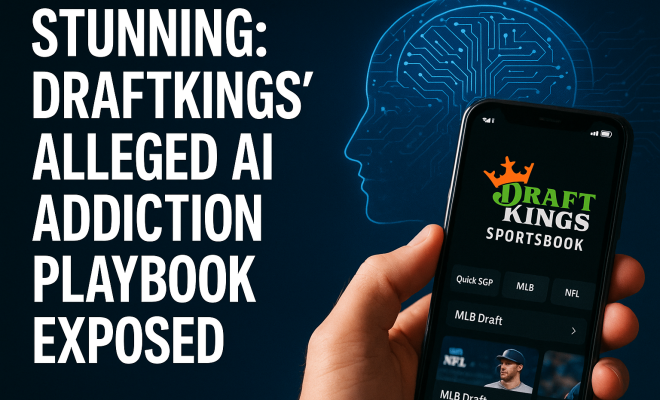
Stunning: DraftKings’ Alleged AI Addiction Playbook Exposed
“`html
Imagine a scenario where the games you play, the entertainment you seek, are quietly studying you. Not just your preferences, but your vulnerabilities, your habits, your weak spots. Now, imagine a multi-billion dollar company allegedly using sophisticated artificial intelligence to pinpoint those very weaknesses, not to help you, but to encourage you to spend more, to bet more, to potentially lose more. This isn’t a dystopian novel; it’s the core of a deeply unsettling accusation now leveled against DraftKings, one of the biggest names in online sports betting and casino gaming.
The controversy exploded into public view following a damning New York Times investigation, which detailed how DraftKings might be leveraging advanced AI to identify and target what they internally term ‘elastic’ users. These aren’t just casual players; they’re individuals whose betting behavior can be significantly influenced by tailored promotions and incentives, often leading to increased engagement and, critically, increased losses. The implications here are profound, especially when considering the devastating reality of gambling addiction. The very idea that a company could knowingly use cutting-edge technology to exploit such a sensitive area has ignited a firestorm of ethical debate and legal action, bringing the issue of DraftKings AI addiction squarely into the spotlight.
The Lawsuit That Rocked the Industry: Daniel Vest vs. DraftKings
At the heart of this unfolding drama is a proposed class-action lawsuit filed by Daniel Vest in Massachusetts federal court. Vest, a DraftKings customer, isn’t just alleging a general ethical lapse; he’s claiming that DraftKings developed and deployed specific AI tools designed with the express purpose of identifying and exploiting customers who are prone to gambling addiction. This isn’t about accidental overspending; it’s about a systematic, technologically driven approach to maximize revenue by targeting vulnerable individuals. The lawsuit aims to represent a broader group of users who believe they were similarly impacted by these alleged practices, potentially opening the floodgates for widespread legal ramifications.
The timing of Vest’s lawsuit is no coincidence. It directly follows the New York Times’ investigative piece, which provided compelling evidence and internal insights into DraftKings’ alleged strategies. The article outlined how the company’s AI models were reportedly trained to discern patterns in user behavior – everything from betting frequency and stake size to the types of games played and even the time of day bets were placed. This data, according to the allegations, wasn’t just for general marketing; it was to craft hyper-personalized nudges and offers that would specifically resonate with those users identified as ‘elastic’ – those most likely to respond to incentives by increasing their betting activity, even if it meant risking greater financial harm. The legal battle ahead promises to be a complex one, pitting a multi-billion dollar corporation against the potentially devastating human cost of its alleged technological prowess.
Understanding ‘Elastic’ Users and the AI Targeting Mechanism
To truly grasp the gravity of these accusations, we need to understand the concept of an ‘elastic’ user in the context of online gambling. In economics, elasticity refers to the degree to which individuals respond to changes in price or incentives. Applied to gambling, an ‘elastic’ user is someone whose betting volume or frequency is highly responsive to promotional offers, bonus bets, or personalized discounts. These are the players who, when offered a free bet or a deposit match, are significantly more likely to increase their engagement, deposit more money, and ultimately place more wagers.
The alleged DraftKings AI addiction mechanism works by meticulously analyzing vast quantities of user data. Think about every click, every bet, every deposit, every withdrawal – it all feeds into an AI model. This model then looks for correlations, identifying behaviors that indicate a user’s susceptibility to certain stimuli. For instance, a user who consistently responds to ‘bet $20, get $10 free’ promotions by immediately placing a new bet, or someone who starts betting more heavily after a series of small losses, might be flagged as ‘elastic.’ Once identified, the AI can then recommend a tailored stream of promotions designed to keep them engaged, betting, and potentially losing. It’s a feedback loop, where the AI learns and refines its targeting, allegedly pushing users further down a path of increased gambling exposure, sometimes to their detriment.
The Ethics of AI in High-Stakes Industries
This controversy isn’t just about DraftKings; it’s a stark reminder of the broader ethical quagmire surrounding AI’s deployment in high-stakes industries, particularly those with addictive potential. When AI is used to optimize sales or engagement in areas like e-commerce, it’s generally seen as innovative. But when that optimization targets human psychological vulnerabilities in contexts like gambling, the ethical line becomes blurred, if not outright crossed. The core question is: where does personalization end and exploitation begin?
Critics argue that companies have a moral responsibility, especially when dealing with products that can lead to addiction, to prioritize user well-being over profit maximization. Using AI to identify and then actively encourage increased engagement from those most susceptible to addiction could be seen as a direct violation of that responsibility. It raises fundamental questions about consent, data privacy, and the societal impact of unchecked technological advancement. If AI can be used to identify individuals at risk, shouldn’t it be used to help them, rather than allegedly to profit from their struggle? This debate is far from over and will likely shape future regulations surrounding AI ethics.
The Reality of Gambling Addiction: A Million-User Problem
For those who have never experienced it, gambling addiction can seem like a distant problem. But for millions, it’s a devastating reality. The National Council on Problem Gambling estimates that around 2 million adults in the U.S. meet the criteria for pathological gambling, with another 4-6 million considered problem gamblers. This isn’t just about losing money; it’s about losing jobs, relationships, homes, and even hope. The financial ruin can be immense, leading to staggering debts, bankruptcy, and even criminal activity to fuel the addiction. The emotional toll on individuals and their families is often immeasurable, characterized by shame, guilt, anxiety, and depression. (See: New York Times investigation on DraftKings.)
Against this backdrop, the allegations against DraftKings take on an even darker hue. If a company is indeed using sophisticated AI to identify and push those already vulnerable deeper into the throes of addiction, it’s not just a business practice; it’s a public health crisis in the making. The ease of access to online betting, coupled with personalized, AI-driven targeting, creates a perfect storm for individuals struggling with impulse control and financial instability. This is why the issue of DraftKings AI addiction resonates so strongly and why calls for greater accountability are growing louder. For more context, see best AI/ML apps.
DraftKings’ Stance: Denials and Industry Standards
Unsurprisingly, DraftKings has vehemently denied the allegations. In statements, the company has asserted its commitment to responsible gaming practices and insists that its technology is designed to enhance user experience within ethical boundaries. They argue that personalized promotions are a standard practice across many industries, including online gaming, and are aimed at providing relevant offers to customers, not at exploiting vulnerabilities. They also point to their robust responsible gaming tools, such as self-exclusion options, deposit limits, and reality checks, as evidence of their dedication to player safety.
However, critics counter that the existence of responsible gaming tools doesn’t absolve a company of alleged predatory targeting. It’s one thing to offer a safety net; it’s another to allegedly use advanced AI to push users towards the edge. The core of the legal and ethical challenge lies in the intent behind the AI’s design and deployment. Was it merely to personalize offers, or was it to specifically identify and exploit ‘elasticity’ in a way that disproportionately impacts those predisposed to addiction? The legal discovery process will likely seek to uncover internal documents, algorithms, and communications that could shed light on DraftKings’ true intentions and the specific parameters of its AI models.
The Broader Implications for User Privacy and Data Security
Beyond the immediate concerns of gambling addiction, this controversy also throws a harsh spotlight on user privacy and data security. To identify ‘elastic’ users, DraftKings’ AI would necessarily be collecting and analyzing an enormous amount of personal behavioral data. This includes not just betting patterns but potentially demographic information, location data, financial transaction history, and even psychological profiles inferred from user interactions. The sheer volume and sensitivity of this data raise significant privacy questions.
Who has access to this data? How is it protected? And what are the long-term implications of companies building such detailed profiles of our behaviors and vulnerabilities? Even if DraftKings is ultimately cleared of the addiction exploitation charges, the idea that such sophisticated AI models are profiling users on such a granular level should give anyone pause. It underscores the urgent need for stronger data privacy regulations and greater transparency from companies about how they collect, use, and store our digital footprints, especially when those footprints reveal deeply personal aspects of our behavior and potential weaknesses.
Regulatory Scrutiny and the Future of Online Gambling
The DraftKings AI addiction allegations are almost certain to trigger increased regulatory scrutiny of the online gambling industry. Regulators in various states and countries, many of whom are still grappling with how to effectively oversee the rapidly expanding online betting market, will be forced to examine whether existing consumer protection laws are sufficient to address the challenges posed by AI. This could lead to new regulations specifically targeting the use of AI in marketing and engagement strategies within the gambling sector.
We might see calls for mandatory AI audits, requiring companies to demonstrate that their algorithms are not designed to exploit vulnerabilities. There could also be increased pressure for greater transparency regarding data collection and AI methodologies. The industry, which has seen explosive growth in recent years, now faces a critical juncture. How it responds to these ethical and legal challenges will determine not only its public image but also the very framework within which it is allowed to operate in the future. Ignoring these issues could lead to a significant backlash and potentially stifle innovation or even lead to stricter prohibitions.
The Role of Data Scientists and AI Developers in Ethical Design
This whole situation also highlights a crucial point for the individuals building these AI systems: data scientists and AI developers. They’re often at the forefront of creating these powerful tools, and with that power comes immense responsibility. When developing algorithms for platforms like DraftKings, there’s a delicate balance between optimizing for user engagement and ensuring ethical boundaries aren’t crossed. The design choices made at the development stage can have profound real-world consequences, especially in an industry with addiction potential.
Ethical AI design isn’t just about preventing bias in facial recognition or ensuring fairness in loan applications; it extends to understanding the psychological impact of algorithmic recommendations. Developers need to consider what metrics they are optimizing for. Is it purely revenue, or does user well-being factor into the equation? This might involve implementing ‘guardrail’ algorithms that identify patterns of problematic gambling behavior and automatically trigger responsible gaming interventions, rather than just identifying ‘elasticity’ for revenue generation. Integrating ethical considerations from the ground up, perhaps even involving ethicists and psychologists in the AI development process, could become a new standard for high-stakes industries. (See: CDC resources on gambling addiction.)
Comparisons to Other Industries: Social Media and ‘Doomscrolling’
While the focus here is on DraftKings AI addiction, it’s helpful to draw parallels to other industries where AI-driven engagement has raised ethical red flags. Social media platforms, for instance, are frequently accused of using algorithms to maximize ‘time on app,’ often leading to phenomena like ‘doomscrolling’ or reinforcing echo chambers. These algorithms learn what content keeps you engaged – whether it’s sensational news, controversial opinions, or emotionally charged posts – and then feed you more of it. The goal is engagement, which translates to ad revenue, but the side effect can be increased anxiety, polarization, or even addiction to the platform itself.
The key difference with gambling is the direct, quantifiable financial harm. While excessive social media use can have negative impacts on mental health and productivity, it doesn’t typically lead to bankruptcy. Gambling, however, carries an inherent financial risk that is amplified when AI is allegedly used to exploit vulnerabilities. The comparison helps us understand the underlying mechanics of AI-driven engagement, but it also underscores why the ethical stakes are significantly higher in the realm of online betting. For more context, see best finance apps.
Potential Legal Precedents and Future Litigation
The outcome of the Daniel Vest lawsuit against DraftKings could set significant legal precedents. If Vest’s class action is successful, it could open the door for similar lawsuits against other online gambling operators or even companies in other industries that use AI in ways deemed exploitative. Courts might have to define what constitutes ‘exploitation’ in the context of AI-driven personalization, and how much responsibility companies bear for the psychological impact of their algorithms.
This could lead to new legal theories regarding algorithmic harm, potentially treating certain AI applications as defective products or unfair trade practices. The legal system, often slow to adapt to rapid technological change, will be challenged to create frameworks that address these new forms of consumer manipulation. It’s not just about proving intent; it’s about demonstrating causation – showing that the AI’s actions directly contributed to users’ gambling losses or addiction. This will require expert testimony on AI functionality, behavioral psychology, and the specific impact of personalized promotions, making it a landmark case to watch.
What This Means for You: Protecting Yourself and Seeking Help
If the allegations against DraftKings prove true, it highlights a stark reality: in the digital age, you are often the product. Companies, whether intentionally or not, are constantly analyzing your behavior to optimize their offerings. For those who engage in online gambling, this controversy serves as a crucial reminder to be vigilant. Always set strict spending limits and adhere to them. Be wary of promotions that seem too good to be true, especially if they appear after a period of decreased activity or losses. Remember that these platforms are designed to be engaging, and sometimes, that engagement can be detrimental.
More importantly, if you or someone you know is struggling with gambling addiction, please understand that help is available. This isn’t a moral failing; it’s a genuine addiction that requires professional support. Resources like the National Council on Problem Gambling (1-800-GAMBLER), Gamblers Anonymous, and various online therapy platforms offer confidential assistance. Seeking legal counsel for gambling-related debt or exploring personal finance tools to manage financial fallout can also be critical steps. Your privacy and well-being are paramount, and recognizing the signs of problem gambling is the first step towards recovery. Don’t let the alleged machinations of an algorithm define your financial or personal stability.
Frequently Asked Questions About DraftKings AI Addiction
What exactly is meant by “DraftKings AI addiction”?
The term “DraftKings AI addiction” refers to the core allegation that DraftKings uses sophisticated Artificial Intelligence to identify users who are more susceptible to gambling addiction (termed ‘elastic’ users) and then targets them with personalized promotions and incentives. The goal, allegedly, is to encourage these vulnerable individuals to increase their betting activity, potentially leading to greater losses and exacerbating existing or developing gambling problems. It’s not that the AI itself is addictive, but rather that it’s allegedly used to exploit existing vulnerabilities, making it harder for individuals to control their gambling behavior.
How does AI identify ‘elastic’ users?
According to the allegations, DraftKings’ AI models analyze vast amounts of user data. This includes every interaction on the platform: what games you play, how much you bet, how often you deposit, when you bet, and how you respond to previous promotions. The AI looks for patterns and correlations in this data to predict who is most likely to increase their betting in response to specific offers. For example, if a user consistently increases their deposit after receiving a ‘deposit match’ bonus, the AI might flag them as highly ‘elastic’ and target them with similar incentives. (See: AP News coverage on gambling addiction.)
Has DraftKings admitted to using AI in this way?
No, DraftKings has vehemently denied the allegations. They state that their technology is used to enhance user experience within ethical boundaries and that their personalized promotions are standard industry practice. They also point to their robust responsible gaming tools as proof of their commitment to player safety. The lawsuit and ongoing investigations aim to uncover internal documents and data that would either corroborate or refute these claims.
What are the ethical concerns surrounding AI in online gambling?
The primary ethical concern is the potential for AI to exploit human psychological vulnerabilities for profit. Critics argue that while AI can be used for harmless personalization (like suggesting movies), using it to identify and then encourage increased engagement from individuals prone to addiction crosses a moral line. It raises questions about corporate responsibility, the balance between profit and public health, and whether companies should be allowed to use advanced technology to push individuals towards harmful behaviors, even indirectly.
What could be the outcome of the lawsuit against DraftKings?
The lawsuit is still in its early stages, so the outcome is uncertain. If the class-action lawsuit is successful, it could result in significant financial penalties for DraftKings, potentially including compensation for affected users. It could also lead to court-ordered changes in how DraftKings (and potentially other gambling companies) design and deploy their AI systems. Even if DraftKings wins, the lawsuit has already brought significant public and regulatory scrutiny to the issue, which could still lead to new regulations and industry standards.
How can I protect myself from AI-driven targeting if I gamble online?
The best defense is awareness and self-control. Set strict deposit and spending limits on your accounts and stick to them. Be skeptical of promotional offers, especially those that appear after a period of inactivity or losses, as these might be algorithmically targeted. Utilize responsible gaming tools offered by platforms, such as self-exclusion or cool-off periods, if you feel your gambling is becoming problematic. Remember that these platforms are designed to maximize engagement, so a healthy dose of caution is always warranted.
Where can I find help for gambling addiction?
If you or someone you know is struggling with gambling addiction, help is readily available. You can contact the National Council on Problem Gambling’s confidential helpline at 1-800-GAMBLER. Other resources include Gamblers Anonymous, local support groups, and various online therapy platforms specializing in addiction. Reaching out is a crucial first step toward recovery.
The accusations against DraftKings represent a pivotal moment in the ongoing conversation about technology, ethics, and corporate responsibility. As AI continues to become more sophisticated and integrated into our daily lives, the onus is on both companies and regulators to ensure these powerful tools are used for good, not for exploitation. The outcome of the DraftKings lawsuit and the subsequent public discourse will undoubtedly shape how we view and regulate the intersection of artificial intelligence and human vulnerability for years to come.
“`
Trending Now
Frequently Asked Questions
What is DraftKings' alleged AI addiction playbook?
DraftKings is accused of using advanced AI technology to identify and exploit vulnerable users, termed 'elastic' players, who can be influenced to spend more on betting through targeted promotions, potentially leading to increased gambling addiction.
How did the controversy about DraftKings' AI come to light?
The controversy erupted following a New York Times investigation, which revealed that DraftKings may be leveraging AI to pinpoint gambling behaviors and target susceptible individuals, raising ethical concerns about their practices.
What does the lawsuit against DraftKings claim?
The lawsuit, filed by Daniel Vest, alleges that DraftKings intentionally developed AI tools to identify and exploit customers prone to gambling addiction, aiming to maximize revenue by targeting these vulnerable individuals.
What are the implications of DraftKings' AI practices?
The implications are significant, as they raise ethical questions about exploiting gambling addiction and the responsibility of companies to protect vulnerable users, potentially leading to legal repercussions and increased scrutiny in the industry.
How might this affect the future of online sports betting?
This controversy could lead to stricter regulations on online sports betting and the use of AI, as public awareness of ethical concerns around gambling addiction grows, potentially reshaping industry practices and consumer protections.
What's your take on this? Share your thoughts in the comments below — we read every one.