This Lawson New Product Review Is Dividing the Internet — Here’s Why You’ll Either Love or Hate It
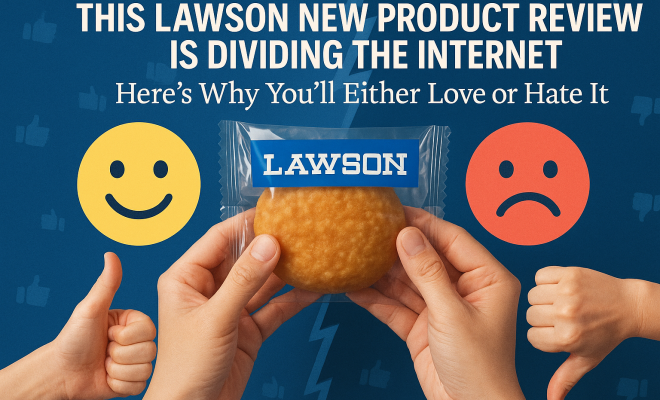
When a major convenience store chain like Lawson announces a new product, it usually generates a bit of buzz. But the recent unveiling of their sausage-only bento box hasn’t just generated buzz; it’s sparked a full-blown online firestorm, dividing public opinion even before many people had a chance to try it. This isn’t just about a new lunch item; it’s a fascinating case study in consumer psychology, value perception, and the power of social media to amplify even the simplest product launch into a cultural debate. As a journalist who’s watched countless product cycles, what’s happening with this particular Lawson new product review is truly remarkable.
The concept itself is disarmingly simple, almost minimalist: a bento box, traditionally a balanced meal with various components, stripped down to feature nothing but sausages and rice. No pickles, no side dishes, no elaborate garnishes – just the core elements. This stark simplicity is precisely what’s fueling the controversy, prompting a wide spectrum of reactions from enthusiastic endorsements like, “I don’t dislike it,” and “The cost performance is quite good,” to sharp criticisms questioning its very existence and what it signifies about the current economic climate in Japan. It’s a product that, on the surface, seems almost too basic to warrant such passionate discussion, yet here we are, dissecting every aspect of its offering.
The Unexpected Star: A Sausage-Only Bento Box
Let’s talk about the product at the heart of this discussion: a bento box filled primarily with sausages and rice. In Japan, bento boxes are an institution, a culinary art form reflecting balance, variety, and often, intricate presentation. Think about the typical convenience store bento: you’ll usually find a main protein (chicken, fish, pork cutlet), a generous portion of rice, and several small side dishes like pickled vegetables, a dash of pasta salad, or a piece of tamagoyaki (rolled omelet). They are designed to offer a complete, satisfying meal in one convenient package.
So, when Lawson, a brand known for its innovative and often high-quality convenience store offerings, announced a bento box that breaks this mold so dramatically, it was bound to turn heads. The decision to go with an all-sausage concept is unconventional, to say the least. It’s a bold move that some might even call provocative, challenging the very definition of what a bento should be. Is it a culinary statement? A nod to simplicity? Or a pragmatic response to consumer demands for certain types of value? Whatever the intention, it has certainly achieved one thing: it has gotten people talking, and that, in the competitive world of convenience retail, is gold.
Initial Reactions: A Spectrum of Surprise and Skepticism
Before the product even hit shelves widely, social media was ablaze. Early announcements and leaked images sparked a flurry of comments. Some users expressed immediate excitement, seeing it as a straightforward, no-frills option. “Finally, a bento without all the things I don’t want!” one user might have quipped, echoing a sentiment many feel when faced with bento boxes containing unwanted side dishes. Others, however, were more critical, raising eyebrows at the seemingly simplistic offering.
The skepticism often centered on the perceived lack of variety and nutritional balance. A bento box, for many, is a mini-meal with different textures, flavors, and food groups. Reducing it to just sausages and rice felt, to some, like a step backward, a regression from the nuanced culinary expectations associated with Japanese bento culture. This initial wave of debate set the stage for the broader discussion that would unfold once the product became available for purchase and actual taste tests could begin.
The Great Divide: Value vs. Rising Prices
Perhaps the most significant aspect of the controversy surrounding this Lawson new product review is how it tapped into deeper societal anxieties about affordability and rising costs in Japan. For one camp, the sausage-only bento represents pure, unadulterated value. “All the good stuff, none of the filler, and probably cheaper,” was a common refrain among those who saw its appeal. They viewed it as an economical choice, a satisfying amount of protein and carbohydrates for a reasonable price, especially in a market where food prices have been steadily climbing.
However, for the opposing side, this bento was a symbol, a stark visual representation of inflation and the erosion of consumer choice. They argued that such a minimalist bento box, devoid of traditional side dishes, was a cost-cutting measure disguised as a novel offering. “Is this what bento boxes have come to? Just sausages and rice?” one might lament, fearing that this simplified approach would become the norm rather than an exception. This perspective views the product not as a savvy value proposition, but as a symptom of a broader economic squeeze, where consumers are being offered less for potentially the same or even a higher real cost, once you factor in what’s missing.
Live Impressions: The Taste Test Takes Over Social Media
Once the sausage-only bento box officially launched, the debate shifted from speculation to firsthand experience. Social media platforms, particularly X (formerly Twitter), were flooded with user-generated content: photos of the bento, brief video reviews, and detailed commentary on taste, texture, and overall satisfaction. This is where the real-world Lawson new product review began to take shape, fueled by the immediate feedback loop of the internet.
The impressions were, predictably, as varied as the initial reactions. Some users genuinely loved it. They praised the generous portion of sausages, the simple satisfaction of the combination, and the convenience. Comments like, “It’s surprisingly filling!” or “Perfect for when you just want something hearty and uncomplicated” became common. These individuals often highlighted the quality of the sausages themselves, suggesting that Lawson had invested in making the star of the show truly shine. The texture, the seasoning, the snap of the casing – these details were crucial for winning over the “pro-sausage” crowd. Others, however, found it bland, repetitive, or simply not worth the price, reiterating concerns about the lack of variety and nutritional balance. They missed the crispness of a vegetable side or the tang of a pickle to cut through the richness of the sausages. This direct, unfiltered feedback from actual consumers is invaluable for understanding the true market reception of such a polarizing product. (See: Japan's economy and consumer behavior.)
The Power of Viral Marketing: How Controversy Fuels Sales
It’s an age-old marketing adage: any publicity is good publicity. And in the case of Lawson’s sausage-only bento, the controversy has undeniably acted as a powerful, organic marketing engine. The sheer volume of discussion, the passionate arguments for and against the product, and the constant stream of live reviews have ensured that this bento box is front-of-mind for countless consumers. People who might never have noticed a new bento launch are now aware of it, simply because of the online noise.
This viral appeal stems from several key factors. First, the unusual product idea itself is inherently shareable. It’s something people feel compelled to comment on, whether to express admiration or disdain. Second, the clear split in reactions creates a natural conversational hook; it invites people to pick a side and engage in debate. And third, the broader affordability angle makes it feel timely and emotionally charged, tapping into real-world economic concerns. This mix of novelty, controversy, and practical consumer concern is exactly the kind of topic that spreads like wildfire on social platforms, translating directly into curiosity-driven purchases. Many people, whether they expect to love it or hate it, will buy it just to form their own opinion and join the conversation.
Comparing the Competition: Lawson’s Unique Niche
Lawson operates in a fiercely competitive market, alongside giants like 7-Eleven and FamilyMart, all vying for the attention and yen of Japanese consumers. Each chain has its own strengths and specialties. 7-Eleven is often praised for its extensive range and consistent quality, while FamilyMart has built a reputation for its fried chicken and unique collaborations. Lawson, for its part, has often positioned itself as a purveyor of slightly more premium or health-conscious options, with its ‘Natural Lawson’ brand being a prime example. They also frequently experiment with novel and limited-time offerings.
Against this backdrop, the sausage-only bento could be seen as Lawson’s attempt to carve out a new niche or, at the very least, to generate significant buzz. While other convenience stores offer various bento options, none have gone to such an extreme of simplification with a single main ingredient. This move distinguishes Lawson from its competitors, even if it alienates some traditional bento enthusiasts. It forces a conversation that other chains aren’t having, potentially drawing in a segment of customers looking for something different, or those who prioritize specific components over a varied meal.
Beyond the Bento: What This Says About Consumer Trends
The intense discussion surrounding this Lawson new product review offers valuable insights into current consumer trends, not just in Japan, but potentially globally. We’re seeing a growing divergence in what consumers value. On one hand, there’s a clear demand for perceived value and simplicity, especially in economically challenging times. Products that offer a straightforward, satisfying experience without unnecessary frills can resonate strongly with a segment of the population looking to maximize their spending power.
On the other hand, there’s an equally strong desire for quality, variety, and ethical sourcing. Many consumers are increasingly health-conscious, environmentally aware, and expect a certain level of culinary sophistication even from convenience foods. The sausage-only bento highlights this tension. Does it appeal to the ‘value and simplicity’ crowd, or does it disappoint the ‘quality and variety’ seekers? The fact that it manages to do both simultaneously illustrates the fractured nature of modern consumer preferences. It also suggests a willingness among consumers to engage with and critique products in a much more public and immediate way than ever before.
The Future of Convenience Store Offerings: A Post-Sausage Bento World?
So, what does the saga of Lawson’s sausage-only bento mean for the future of convenience store food? It’s unlikely that every bento box will suddenly shed its side dishes and become a mono-ingredient affair. However, this experiment by Lawson could signal a willingness among major retailers to push the boundaries of what’s considered a conventional offering. It demonstrates that sometimes, the most unexpected products can generate the most attention and, potentially, the most sales.
We might see more targeted bento boxes in the future, catering to specific tastes or dietary preferences. Perhaps a ‘fried chicken only’ bento, or a ‘vegetable medley only’ bento for those seeking specific macros or simpler meals. It also underscores the importance of social media in product development and marketing. The instantaneous feedback loop provides invaluable data, allowing companies to gauge public sentiment and adjust strategies in real-time. Whether the sausage-only bento becomes a long-term staple or a memorable, polarizing experiment, its impact on how convenience stores approach new product launches and consumer engagement is undeniable.
The Nutritional Angle: More Than Just Sausages and Rice?
While many critics focused on the perceived lack of variety, it’s worth taking a closer look at the nutritional content of the sausage-only bento. Sausages, while delicious, can be high in saturated fat and sodium. Rice, on the other hand, provides carbohydrates for energy. Without the typical accompanying vegetables or protein sources like eggs or fish, the bento might lean heavily into a specific macro profile.
For someone looking for a quick, calorie-dense meal after a strenuous activity, this bento could hit the spot. But for daily consumption, or for those with dietary restrictions or health goals, the simplified nature could be a concern. This brings up an interesting point about consumer education and choice. Should convenience stores clearly label the nutritional breakdown of such minimalist items? Or is it assumed that consumers understand what they’re getting with a “sausage-only” label? The debate around this product subtly pushes these questions to the forefront, making us consider the role of convenience food in a balanced diet. (See: Consumer psychology and product perception.)
The “Comfort Food” Factor: Tapping into Nostalgia and Simplicity
Beyond the economic arguments, there’s another psychological layer to the sausage-only bento’s appeal: the comfort food factor. For many, sausages and rice evoke a sense of simple, childhood pleasure. It’s a combination that’s straightforward, familiar, and inherently satisfying without requiring complex flavors or textures. In a world that often feels overly complicated, there’s a certain appeal to a meal that makes no apologies for its simplicity.
This taps into a broader trend of consumers seeking out “nostalgia” products or items that offer a sense of ease and predictability. Think about how popular classic, no-frills fast food items remain, even as gourmet options abound. Lawson might have inadvertently (or intentionally) tapped into this primal desire for comfort and uncomplicated sustenance. For some, the bento isn’t just cheap; it’s a comforting, uncomplicated hug in a box, a welcome respite from culinary complexity.
Expert Perspectives: What Food Industry Analysts Say
Food industry analysts are watching the Lawson bento saga closely, seeing it as a bellwether for future trends. Dr. Kenji Tanaka, a professor of marketing at a leading Japanese university, suggests, “This product is a masterclass in ‘controversy marketing.’ Lawson didn’t just launch a bento; they launched a conversation. In an era of endless content, making your product the subject of viral debate is incredibly valuable. It forces competitors to react and consumers to engage.”
Meanwhile, nutritionist Akiko Sato points out the nutritional implications. “While it offers quick energy, the long-term trend of such simplified, single-macro-focused meals could impact public health. Convenience stores have a responsibility to offer balanced options, and while this bento has its place, it shouldn’t be seen as a template for all future offerings.” This highlights the tension between marketing success and broader societal impact, a common dilemma in the food industry.
The Environmental Footprint: Packaging and Sourcing
In today’s conscious consumer landscape, even a simple bento box can spark discussions about its environmental impact. How much plastic packaging is used for the sausage-only bento? Are the sausages sourced sustainably? While the initial debate focused on taste and value, a deeper dive into a Lawson new product review often includes these considerations.
A minimalist bento might, in theory, use less packaging than one with multiple compartments for various side dishes. However, the sourcing of the sausages themselves could be a larger factor. Consumers are increasingly scrutinizing the supply chain, looking for transparency in meat production. While Lawson’s primary goal with this bento was likely economic and buzz-generating, the quiet whispers around environmental responsibility could grow louder, influencing future iterations or similar products from competitors.
The Role of Localization: Why This Works (or Doesn’t) in Japan
It’s crucial to remember that this phenomenon is playing out within the specific cultural context of Japan. The reverence for bento culture, the intense competition among convenience stores, and the particular economic climate all contribute to how this product is perceived. Would a “sausage-only lunch box” cause the same stir in, say, the United States or Europe?
Perhaps not to the same degree. In Western cultures, a simple sausage and rice meal might be seen as a basic, no-frills option without the deep-seated cultural expectations tied to a “bento.” The shock value and the perceived challenge to culinary norms are amplified in Japan. This cultural specificity is a key ingredient in the viral success of the Lawson bento, demonstrating how a product’s reception is deeply intertwined with its local environment.
Frequently Asked Questions (FAQ)
What is the Lawson sausage-only bento box?
It’s a new convenience store bento box offered by Lawson in Japan that contains only sausages and rice, intentionally omitting the traditional side dishes like vegetables, pickles, or other small accompaniments found in typical Japanese bento meals. (See: Impact of social media on consumer products.)
Why is this particular Lawson new product review so controversial?
The controversy stems from its stark simplicity, which challenges the traditional concept of a balanced bento. Some see it as excellent value and a no-frills option, while others view it as a symptom of rising prices and cost-cutting, representing a regression in convenience store food quality and variety.
What are the common reactions to the sausage-only bento?
Reactions are split. Supporters praise its satisfying portion of sausages, convenience, and perceived value. Critics find it bland, nutritionally unbalanced, and indicative of a decline in bento standards. Many buy it simply out of curiosity to form their own opinion.
How has social media impacted the launch of this product?
Social media, particularly X (formerly Twitter), has been instrumental in amplifying the product’s buzz. Early leaks and ongoing user reviews, photos, and debates have turned the bento into a viral sensation, generating significant organic marketing and curiosity-driven purchases.
Is this bento box a sign of future convenience store food trends?
It suggests a willingness by convenience stores to experiment with highly targeted, simplified offerings that cater to specific preferences or economic demands. While it’s unlikely all bento boxes will become mono-ingredient, it might lead to more diverse and specialized options in the future, and highlights the power of social media in product development.
What are the nutritional considerations for the sausage-only bento?
The bento is primarily a source of protein and carbohydrates. While filling, it lacks the variety of vitamins, minerals, and fiber typically found in bento boxes with vegetable sides. Consumers are advised to consider their overall diet when choosing such a simplified meal.
How does this product compare to offerings from 7-Eleven or FamilyMart?
While competitors like 7-Eleven and FamilyMart offer a wide range of bento boxes, none have introduced a product that so drastically simplifies the bento concept to a single main ingredient. This move gives Lawson a unique, albeit polarizing, niche in the competitive market.
Ultimately, the Lawson new product review for their sausage-only bento box is far more than just a critique of a lunch item. It’s a reflection of shifting consumer values, economic pressures, and the undeniable power of online discourse to shape perceptions. It’s a bold move that has ignited passionate debate, proving that even the simplest food product can become a cultural touchstone when it taps into deeper anxieties and desires. What started as a seemingly innocuous product announcement has blossomed into a fascinating case study in modern retail and consumer behavior. And as for whether you’ll love it or hate it? Well, there’s only one way to truly find out.
Trending Now
Frequently Asked Questions
What is the controversy surrounding Lawson's new sausage-only bento box?
The controversy stems from its minimalist design, featuring only sausages and rice, which challenges traditional bento expectations of variety and balance. This simplicity has sparked polarized opinions online, with some praising its value and others criticizing its lack of components and what it signifies about current economic conditions in Japan.
Why do people have strong opinions about Lawson's bento box?
People's reactions are fueled by the stark contrast between the sausage-only bento and typical bento boxes, which usually include multiple components. This has led to passionate discussions about consumer psychology, value perception, and the implications of such a product in the context of Japan's economy.
What do consumers think about the value of Lawson's sausage bento box?
Many consumers see the sausage-only bento box as offering good cost performance, appreciating its simplicity and affordability. However, others feel that its lack of variety undermines the essence of a traditional bento, prompting a debate about what constitutes value in today's economic climate.
How has social media influenced opinions on Lawson's new product?
Social media has played a significant role in amplifying the discussions surrounding Lawson's sausage-only bento box. The platform allows for quick sharing of opinions, leading to a wide spectrum of reactions that range from support to strong criticism, effectively turning a simple product launch into a cultural debate.
What does the sausage-only bento box say about current trends in Japan?
The sausage-only bento box reflects current trends in Japan, where economic conditions may lead consumers to seek simplicity and affordability in their meals. This product's minimalist approach resonates with some who appreciate straightforward options, while others criticize it as a sign of declining culinary standards.
What did we miss? Let us know in the comments and join the conversation.