Viral Waymo Accident Exposes the Uncomfortable Truth About Robotaxis
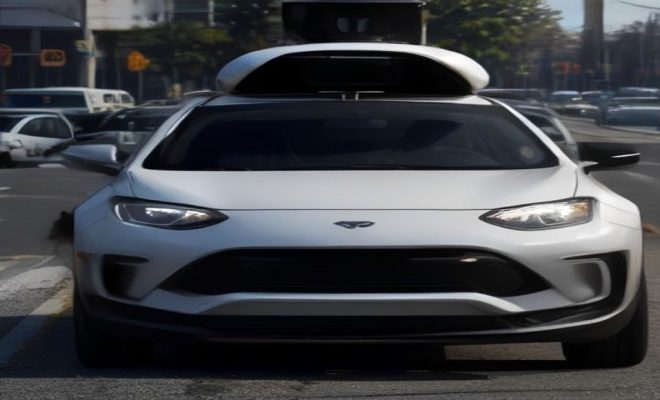
You’ve probably seen it by now. The dashcam footage, shared relentlessly across every social media platform imaginable, showing a driverless Waymo vehicle making contact with another car at a California intersection. It’s the kind of video that stops your scroll, sparks a flurry of comments, and inevitably ignites a heated debate about the future of autonomous vehicles. This particular Waymo accident, captured on September 4, 2026, isn’t just another fender bender; it’s a potent visual argument in the ongoing public trial of robotaxi safety, fueling anxieties and raising critical questions about how ready we truly are for a world where cars drive themselves.
The incident itself was straightforward enough: two vehicles, an intersection, and a moment of impact. But the crucial detail – that one of those vehicles was operating without a human at the wheel – transforms a mundane event into a flashpoint. After the collision, the autonomous Waymo car did what a human driver likely would: it pulled over to the side of the road, a seemingly intelligent response that only adds to the eerie sophistication of these machines. But let’s be honest, seeing a car drive itself *after* an accident, even to perform a routine action like pulling over, can feel unsettling. It forces us to confront the reality that these vehicles are indeed independent actors on our roads, capable of both navigating complex environments and, sometimes, making mistakes. And when a Waymo accident happens, the stakes feel inherently higher.
The September 4th Waymo Accident: What We Saw
The video itself is brief but impactful. It captures the decisive moment: a California intersection, traffic flowing, and then, a jolt. The Waymo vehicle, identifiable by its distinct sensor array and branding, is seen making contact with another car. Details about the specific speeds or angles of impact are hard to discern from the raw footage alone, but the collision is undeniable. What truly amplifies the virality of this particular Waymo accident is the immediate aftermath: the driverless car, with no visible human intervention, executes a controlled maneuver to pull itself safely to the curb. It’s a chillingly competent post-accident response from a machine that just, moments before, was involved in a crash.
This visual evidence is crucial because it moves the discussion beyond theoretical possibilities and into concrete reality. For years, autonomous vehicle companies have been touting their safety records, often citing millions of miles driven with minimal incidents. But a clear, unambiguous video of a collision, especially one where the autonomous vehicle is a direct participant, cuts through abstract data and statistical analyses. It provides a tangible focal point for public concern, giving skeptics and proponents alike something concrete to discuss, debate, and, yes, even sensationalize. The power of visual media, particularly in the age of instant sharing, means that a single dashcam clip can sometimes outweigh reams of technical data in shaping public perception.
A Pattern Emerging? The August 23rd Incident
What makes the September 4th Waymo accident even more significant is that it wasn’t an isolated event. Just a couple of weeks prior, on August 23, 2026, another Waymo vehicle found itself in a similar predicament in Santa Clara County. In that instance, the autonomous car collided with a vehicle exiting a strip mall. While specific dashcam footage of the August incident hasn’t achieved the same level of virality, the proximity of these two events creates a troubling narrative. It suggests a potential pattern, or at the very least, raises questions about specific scenarios or environmental conditions that might challenge the Waymo system.
Two collisions involving autonomous vehicles from the same company within such a short timeframe naturally lead to heightened scrutiny. Is it mere coincidence? Or does it point to inherent challenges in the current iteration of the technology? Industry experts and regulators will undoubtedly be poring over the data from both incidents, seeking commonalities in vehicle behavior, sensor readings, and environmental factors. For the public, however, the perception of a developing trend is often enough to fuel apprehension, regardless of the nuanced technical explanations that might eventually emerge. This perceived pattern only amplifies the impact of each subsequent Waymo accident.
The Blame Game: Human vs. Machine
Whenever a Waymo accident or any autonomous vehicle collision occurs, the immediate question that arises is, of course, “Whose fault was it?” This isn’t just a legal inquiry; it’s a philosophical one. When a human driver is involved, we have established frameworks for assigning responsibility, understanding human error, and even factoring in split-second decisions. But what happens when one of the drivers is an algorithm? The debate quickly pivots to whether the human driver acted negligently, or if the autonomous system failed to perceive, predict, or react appropriately.
The legal and ethical implications here are profound. If the Waymo system is deemed at fault, does responsibility lie with the engineers who programmed it, the company that deployed it, or the regulatory bodies that approved it? If the human driver is at fault, does the presence of an autonomous vehicle introduce new complexities in how we interpret standard traffic laws? These questions are far from settled, and each Waymo accident serves as a case study, pushing the boundaries of our existing legal and societal norms. It forces a re-evaluation of concepts like “defensive driving” when one of the participants is operating on a fundamentally different set of principles and perceptions. (See: New York Times on Waymo accidents.)
The Nuance of “Fault” in Autonomous Collisions
It’s rarely as simple as pointing a finger. In many traffic incidents, even those involving two human drivers, a confluence of factors contributes to a collision. With autonomous vehicles, that complexity multiplies. Imagine a scenario where a human driver makes an unexpected maneuver, and the Waymo system, despite its advanced sensors, either misinterprets the intent or cannot react quickly enough given the laws of physics. Who is truly at fault? The human for the unexpected action, or the machine for not compensating adequately?
Conversely, what if the Waymo system itself miscalculates a turn, fails to yield, or doesn’t detect an object that a human driver might have seen? These are the kinds of scenarios that legal teams and accident reconstruction experts are grappling with. The data collected by autonomous vehicles – lidar scans, radar readings, camera footage, vehicle telemetry – is incredibly rich, offering an unprecedented level of detail about the moments leading up to an incident. This data can be a double-edged sword: invaluable for understanding what happened, but also potentially overwhelming and open to various interpretations when trying to assign blame for a Waymo accident.
Public Perception and the Viral Effect
The virality of the September 4th dashcam footage cannot be overstated. In an age dominated by social media, a compelling visual narrative spreads like wildfire. This particular Waymo accident clip became an instant sensation because it taps into a potent mix of fascination, skepticism, and a touch of primal fear about machines taking control. For many, it confirms long-held doubts about the readiness of autonomous technology. For others, it’s a sensationalized outlier that distracts from the overall safety record of these vehicles.
The sheer shareability of such content means that these incidents transcend their local context and become global talking points. A Waymo accident in California doesn’t just impact residents of Santa Clara County; it influences public opinion in New York, London, Tokyo, and anywhere else autonomous vehicles are being developed or deployed. This amplified reach puts immense pressure on companies like Waymo and on regulatory bodies to provide transparent explanations and demonstrate clear pathways to improvement. The court of public opinion, fueled by viral videos, often renders its verdict long before any official investigation concludes.
The Challenge of Countering Misinformation and Fear
Viral content, while powerful, also carries the risk of misinterpretation or outright misinformation. A short video clip often lacks context, and viewers may jump to conclusions without understanding the full sequence of events or the contributing factors. For autonomous vehicle companies, this presents a significant communications challenge. How do you effectively convey the complexities of sensor fusion, predictive algorithms, and redundancy systems when a 15-second video is already dictating the narrative?
The fear of the unknown also plays a significant role. Humans are naturally wary of ceding control, especially when it comes to something as critical as driving. A Waymo accident, captured vividly on video, serves as a tangible manifestation of those fears. Overcoming this requires more than just technical explanations; it demands a concerted effort to build trust, demonstrate consistent safety, and engage in open, honest dialogue with the public. It’s about showing, not just telling, that these systems are robust, reliable, and ultimately, safer than human drivers in the long run.
The Regulatory Tightrope Walk
Regulating autonomous vehicles is an incredibly complex endeavor, akin to building a plane while flying it. On one hand, regulators want to foster innovation and allow for the development of technology that promises significant safety benefits and societal improvements. On the other hand, they have a paramount responsibility to ensure public safety. Each Waymo accident, each incident, pushes regulators to re-evaluate existing guidelines, consider new mandates, and potentially slow down the rollout of this technology if concerns become too prevalent.
In California, where many of these incidents occur, the Department of Motor Vehicles (DMV) and the California Public Utilities Commission (CPUC) are constantly balancing these competing interests. They grant permits, set operational parameters, and investigate incidents. The public’s reaction to events like the recent Waymo accident directly influences the political will and regulatory posture of these bodies. If public trust erodes too significantly, regulators might feel compelled to impose stricter limits, require more extensive testing, or even temporarily halt operations, which could have a chilling effect on the entire industry.
The Evolving Landscape of Autonomous Vehicle Laws
The legal framework for autonomous vehicles is still very much in its infancy. Existing traffic laws were written with human drivers in mind, and they don’t always translate cleanly to a world of algorithms and sensors. For example, how do you define “reckless driving” for an AI? What constitutes “distracted driving” when the car is doing the driving? (See: NHTSA on automated vehicles.)
States like California are at the forefront of trying to answer these questions, often through a trial-and-error approach. They issue permits for testing and deployment, then adjust regulations based on real-world experience and incidents. This iterative process is essential, but it also means that the rules of the road for robotaxis are constantly in flux. Every Waymo accident provides new data points and highlights potential gaps in existing regulations, forcing legislative bodies to continually adapt and refine their approach to this groundbreaking, yet still unproven, technology.
The Broader Implications for Robotaxi Integration
The integration of robotaxis into everyday traffic isn’t just a technological challenge; it’s a societal one. It requires a fundamental shift in how we think about transportation, ownership, and even public space. Incidents like the recent Waymo accident, especially when they go viral, can either accelerate or significantly impede this integration. If the public perceives these vehicles as safe and reliable, adoption will likely increase. If skepticism and fear dominate, the path to widespread deployment becomes much steeper.
Beyond safety, there are also questions about infrastructure, job displacement for human drivers, and the ethical implications of relying on algorithms for critical decisions. The vision of a future with fewer traffic jams, reduced emissions, and enhanced mobility for all is a powerful one, but it hinges on successfully navigating these complex challenges. Each Waymo accident, therefore, isn’t just about the immediate incident; it’s a small piece of a much larger puzzle concerning the future of urban planning, personal freedom, and the very fabric of our communities.
Trust, Transparency, and the Road Ahead
Ultimately, the success of autonomous vehicles, and robotaxis in particular, will come down to trust. Trust from the public that these systems are safe, trustworthy, and beneficial. Trust from regulators that companies are operating responsibly and transparently. And trust from the companies themselves that they can continuously improve their technology and address legitimate concerns.
Transparency is key. When a Waymo accident occurs, companies need to be forthcoming with data, explanations, and their plans for preventing similar incidents. While proprietary technology and competitive pressures are understandable, a lack of transparency only fuels suspicion and allows speculation to fill the void. The future of robotaxis depends on a collaborative effort between industry, government, and the public to ensure that this transformative technology is deployed thoughtfully, safely, and with the long-term well-being of society at its core.
Waymo’s Response and Industry Standards
Following any incident, especially one as publicly visible as a viral Waymo accident, the company’s response is critical. Waymo, as a pioneer in the autonomous vehicle space and a subsidiary of Alphabet, operates under intense scrutiny. Their public statements, internal investigations, and any subsequent adjustments to their technology or operational protocols are closely watched by competitors, regulators, and the public alike. A robust and transparent response can help rebuild trust, while a perceived lack of accountability can severely damage their reputation and the broader industry’s progress.
Typically, Waymo would initiate a thorough internal investigation, analyzing all available data from the vehicle’s sensors, cameras, and internal logs. This data is incredibly granular, often capturing milliseconds of information leading up to, during, and after an event. The goal is to understand precisely what the vehicle perceived, how its algorithms processed that information, and what actions it took. This forensic analysis is crucial not only for determining fault but, more importantly, for identifying areas for improvement in the software, hardware, or operational design. They’ll also likely share findings with relevant regulatory bodies, like the California DMV, to demonstrate compliance and cooperation.
Learning from Every Incident: The Iterative Improvement Cycle
One of the core tenets of autonomous vehicle development is the iterative improvement cycle. Every mile driven, every near-miss, and certainly every Waymo accident, generates invaluable data that engineers use to refine algorithms, improve sensor performance, and enhance the overall safety and reliability of the system. In essence, these incidents, while regrettable, become learning opportunities. The data from the September 4th and August 23rd collisions will be fed back into Waymo’s simulation environments, where engineers can replay the scenarios countless times, testing different algorithmic responses and fortifying the system against similar future events. (See: Research on autonomous vehicle safety.)
This process is continuous. It’s not about achieving a perfect, static system, but rather about constantly adapting and evolving the technology based on real-world experiences. The challenge, of course, is that this learning often happens in public, with each incident potentially eroding public confidence. So, while engineers see a Waymo accident as a data point for improvement, the public often sees it as evidence of failure, highlighting the delicate balance between technological progress and public acceptance.
The Future of Driverless Technology Post-Collision
What do these incidents mean for the long-term trajectory of driverless technology? It’s unlikely that a few collisions, even viral ones, will derail the entire industry. The potential benefits of autonomous vehicles – enhanced safety, increased accessibility, reduced congestion, and environmental improvements – are simply too compelling for companies and governments to abandon the pursuit.
However, these events do serve as crucial reality checks. They underscore that the journey to fully autonomous vehicles is longer and more complex than some might have initially believed. It’s not just about getting the technology to work in ideal conditions; it’s about perfecting its performance in the messy, unpredictable, and often illogical world of human-driven traffic and dynamic environmental factors. The future will likely see a more cautious, incremental rollout, with continued emphasis on robust testing, transparent reporting, and continuous dialogue with the public.
Hybrid Models and Phased Rollouts
We might see a greater emphasis on hybrid models or phased rollouts in the near future. This could mean more autonomous vehicles operating with human safety drivers initially, even in commercial operations, or deployment restricted to specific geofenced areas with simpler traffic patterns. The idea would be to gradually expand capabilities and operational domains as the technology proves itself, rather than attempting a rapid, widespread deployment that could be undermined by high-profile incidents.
The Waymo accident on September 4th, like others before it, is a stark reminder that while the dream of truly driverless cars is within reach, the road to getting there is paved with complex technical challenges, profound ethical considerations, and the constant need to earn and maintain public trust. It’s a journey that demands patience, transparency, and an unwavering commitment to safety from everyone involved.
Trending Now
Frequently Asked Questions
What happened in the recent Waymo accident?
A recent Waymo accident occurred on September 4, 2026, when a driverless vehicle made contact with another car at a California intersection. The incident, captured on dashcam footage, has sparked discussions about the safety of autonomous vehicles and their readiness for public roads.
Why is the Waymo accident significant?
The Waymo accident is significant because it highlights the complexities and risks associated with autonomous vehicles. The fact that the vehicle was operating without a human driver raises important questions about robotaxi safety and the implications of having independent machines on our roads.
How did the Waymo vehicle respond after the accident?
After the collision, the Waymo vehicle pulled over to the side of the road, mimicking a typical human driver response. This behavior showcases the vehicle's sophisticated programming but also evokes concerns about the unsettling nature of self-driving cars in accident scenarios.
What are the public concerns about robotaxis after the Waymo incident?
Following the Waymo incident, public concerns have intensified regarding the safety and reliability of robotaxis. Many people question how well these vehicles can handle complex driving situations and whether they can be trusted to operate without human oversight.
What does the Waymo accident reveal about autonomous vehicle technology?
The Waymo accident reveals both the advancements and limitations of autonomous vehicle technology. While these vehicles can navigate complex environments, the incident underscores the reality that they can still make mistakes, raising critical questions about their integration into everyday traffic.
What's your take on this? Share your thoughts in the comments below — we read every one.