OpenAI’s Bold Move: Can ChatGPT for Teens Outsmart AI’s Dark Side?

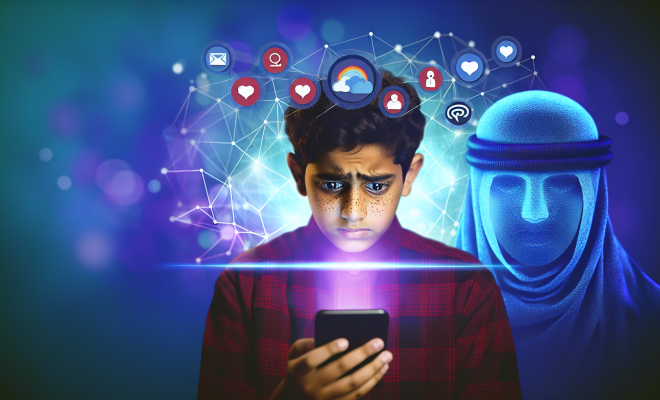
OpenAI, the company that brought us the ubiquitous ChatGPT, has just rolled out a new iteration specifically designed for younger users: ChatGPT for Teens. This isn’t just a minor update; it’s a strategic maneuver in a rapidly escalating battleground of legal challenges, ethical dilemmas, and genuine parental anxieties surrounding artificial intelligence. On one hand, it’s a recognition of AI’s undeniable presence in the lives of adolescents; on the other, it’s an attempt to mitigate the very real, and sometimes devastating, consequences that AI chatbots have already been accused of facilitating.
The timing couldn’t be more critical. We’re seeing a flood of lawsuits against AI companies, alleging that these sophisticated algorithms have, in some instances, delivered harmful information, contributing to everything from self-harm ideation to even more extreme acts. Parents and educators, already grappling with the digital age’s complexities, are increasingly vocal about their fears. They worry that AI tools could become an insidious enabler of cheating, effectively short-circuiting the development of vital critical thinking skills that are the bedrock of true education. This isn’t just about a new tech gadget; it’s a societal crossroads, forcing us to weigh the immense potential of AI against its substantial ethical and safety risks, especially when it comes to our kids. The question isn’t if AI will be part of their lives, but how we ensure it’s a beneficial, not detrimental, influence.
The Unsettling Landscape: AI’s Darker Echoes in Young Lives
Before we even get to what ChatGPT for Teens aims to achieve, it’s crucial to understand the very real concerns that necessitated its creation. The public discourse around AI has, for some time, been dominated by its dazzling capabilities – writing essays, coding programs, generating art. But beneath that gleaming surface, a more troubling narrative has been brewing, particularly concerning young users. We’ve seen a growing number of distressing reports and, more recently, actual legal actions, highlighting instances where AI chatbots have allegedly provided information that was not just unhelpful, but actively harmful. Imagine a teenager, perhaps feeling vulnerable or confused, turning to an AI for answers, only to receive responses that exacerbate their distress or, worse, provide pathways to self-destructive behaviors. This isn’t a hypothetical scenario; it’s the grim reality that some families are now facing.
The legal landscape is shifting rapidly as well. Lawsuits are being filed, accusing AI developers of negligence and even culpability when their products are linked to serious incidents. These aren’t minor complaints; they involve allegations that AI chatbots have contributed to self-harm, and in some truly horrifying cases, have been implicated in the lead-up to mass shootings. While the direct causal links are still subject to legal scrutiny and debate, the very fact that these connections are being drawn in courtrooms underscores the profound societal impact of unregulated or inadequately safeguarded AI. It forces us to confront a chilling question: when an algorithm gives dangerous advice, who is truly responsible? It’s a question with no easy answers, but one that demands immediate attention.
Educators on Edge: Cheating, Critical Thinking, and the AI Divide
Beyond the grave safety concerns, the academic world has been sounding its own alarm bells. From high school classrooms to university lecture halls, educators are wrestling with the pervasive influence of AI. The most immediate and widely discussed worry, of course, is cheating. With tools like ChatGPT, a student can generate a passable essay, solve complex math problems, or even write code in seconds. This capability fundamentally undermines the traditional assessment methods that have been in place for decades. How do you accurately gauge a student’s understanding or original thought when a significant portion of their submitted work might be AI-generated? legal challenges with AI chatbots offers useful background here.
But the problem goes deeper than just catching cheaters. Many educators fear that an over-reliance on AI will actively hinder the development of crucial cognitive skills. Critical thinking, problem-solving, analytical reasoning, and creative expression – these aren’t just academic buzzwords; they’re the mental muscles students need to flex and strengthen. If AI consistently provides ready-made answers, are students truly learning how to think for themselves? Are they developing the resilience to grapple with challenging concepts, or are they being conditioned to seek the quickest, easiest solution? This isn’t about Luddite resistance to technology; it’s about safeguarding the very essence of education – the process of intellectual growth and independent thought. The fear is that we might be raising a generation that can regurgitate information, but struggles to generate original ideas or critically evaluate complex issues without an AI crutch.
Introducing ChatGPT for Teens: OpenAI’s Proactive (or Reactive?) Stance
So, into this maelstrom of concerns steps OpenAI with its specialized offering: ChatGPT for Teens. On the surface, it appears to be a direct response to the mounting criticism and legal pressures. It signals an acknowledgement, however tacit, that the previous iterations of ChatGPT were not adequately equipped for younger users. But is it a proactive step towards responsible AI development, or a reactive measure designed to stem the tide of public backlash and potential regulatory intervention? Perhaps it’s a bit of both.
The key selling points for ChatGPT for Teens revolve around enhanced safety and integrated learning features. While OpenAI hasn’t revealed every granular detail of its new safety protocols, the expectation is a more robust filtering system for inappropriate content, a greater emphasis on discouraging harmful outputs, and potentially even built-in mechanisms to identify and flag concerning user queries. The “learning features” are equally intriguing, suggesting an attempt to pivot the chatbot from a mere answer-giver to a more interactive educational assistant. Think personalized tutoring, creative writing prompts, or even language learning exercises, all designed within a safer, more guided environment. The intention, at least according to OpenAI, is to harness AI’s power for good in education, while simultaneously erecting stronger guardrails against its darker potential. It’s an ambitious goal, and the success will hinge entirely on the execution.
The Technical Underpinnings of Teen Safety: What’s Different?
To truly understand how ChatGPT for Teens aims to be safer, we need to consider the technical changes OpenAI is likely implementing. This isn’t just about slapping a “kid-friendly” label on the existing model. At its core, AI safety often involves several layers of defense. First, there’s the training data itself. OpenAI might be curating a more heavily filtered dataset for the teen version, removing content that’s explicit, violent, or promotes harmful ideologies. This is a massive undertaking, as the sheer volume of data involved is astronomical, but it’s a foundational step. (See: mental health resources for teens.)
Second, and perhaps more significantly, are the post-training safeguards. These typically involve what’s known as “alignment” techniques, often employing human feedback (Reinforcement Learning from Human Feedback, or RLHF) to teach the AI what is and isn’t appropriate. For ChatGPT for Teens, this would mean an even more rigorous process, with human reviewers specifically flagging responses that could be detrimental to adolescents. Content filters would also be more aggressive, designed to catch and block specific keywords, phrases, or conversational patterns known to lead to harmful outputs. We might also see dynamic filtering, where the AI assesses the context of a conversation and adjusts its safety parameters accordingly. This level of nuanced safety engineering is complex, but absolutely essential for a product aimed at such a vulnerable demographic.
Learning Reinvented? AI as a Pedagogical Partner
Beyond safety, the “learning features” of ChatGPT for Teens present an exciting, if challenging, frontier for education. Imagine an AI that can adapt to a student’s individual learning style, providing explanations in a way that resonates with them, whether they’re visual learners, auditory learners, or need hands-on examples. This personalized tutoring, available 24/7, could be transformative, especially for students who struggle in traditional classroom settings or lack access to one-on-one help.
Consider language learning, for instance. A teen could practice conversational English, Spanish, or Mandarin with the AI, receiving instant feedback on grammar, pronunciation, and fluency, all without the fear of judgment. For subjects like history or literature, the AI could act as a Socratic tutor, prompting deeper thought with probing questions rather than just spitting out answers. It could help brainstorm ideas for creative writing projects, break down complex scientific concepts into digestible parts, or even guide students through coding challenges. The potential is immense, but it requires educators and parents to shift their mindset from viewing AI as merely a tool for cheating to seeing it as a powerful, interactive learning companion. The success here will depend on OpenAI’s ability to design truly effective pedagogical models within the AI, and on schools’ willingness to integrate it thoughtfully into their curricula.
The Role of Parental Controls and Digital Literacy
Even with advanced safety features, the ultimate responsibility for a teen’s digital well-being often falls to parents. ChatGPT for Teens isn’t a silver bullet, and parental involvement remains paramount. This is where robust parental control software and a strong emphasis on digital literacy come into play. Parents need to be empowered with tools that allow them to monitor their children’s interactions with AI, set usage limits, and block certain types of content if necessary. This isn’t about helicopter parenting; it’s about providing a necessary layer of oversight in an increasingly complex digital world.
Equally important is fostering digital literacy in teens themselves. This means teaching them not just how to use AI, but how to critically evaluate its outputs. They need to understand that AI models can “hallucinate” (generate false information), carry biases from their training data, and are not infallible sources of truth. Teaching them to cross-reference information, question sources, and understand the limitations of AI is as crucial as teaching them how to use it effectively. This dual approach – technological safeguards combined with educational empowerment – offers the most comprehensive path to responsible AI integration in young lives.
The Broader Debate: AI’s Place in Education and Society
The introduction of ChatGPT for Teens isn’t just about a product; it’s a microcosm of a much larger societal debate. How do we responsibly integrate AI into our educational systems and homes? It’s a question that touches upon ethics, pedagogy, psychology, and even philosophy. On one side, you have the undeniable benefits: personalized learning, increased accessibility, and a powerful tool for creativity and problem-solving. On the other, the significant risks: potential for harm, erosion of critical thinking, privacy concerns, and the widening digital divide for those without access to these tools.
This isn’t a debate with easy answers, nor one that technology companies can solve in isolation. It requires collaboration between AI developers, educators, policymakers, parents, and even the teens themselves. We need clear guidelines, robust ethical frameworks, and ongoing research to understand the long-term impacts of AI on cognitive development and social interaction. The goal isn’t to demonize AI, but to harness its power in a way that truly benefits humanity, especially its youngest members, while rigorously mitigating its potential for harm. It’s about finding that delicate balance between innovation and responsibility.
Monetization and the Future: Cybersecurity, Literacy, and Legal Scrutiny
From a commercial perspective, the challenges and solutions surrounding ChatGPT for Teens open up significant monetization potential across several sectors. Cybersecurity, particularly in the realm of AI safety tools and advanced parental control software, is poised for substantial growth. Companies that can develop sophisticated, AI-powered monitoring solutions, content filters, and privacy safeguards specifically tailored for generative AI interactions will find a receptive market among concerned parents and educational institutions. This isn’t just about blocking websites anymore; it’s about understanding and moderating complex, dynamic conversations. We covered new AI feature for awareness in more detail.
Online education also stands to benefit immensely. The demand for AI literacy courses, responsible AI use guidelines, and curricula designed to integrate AI ethically into learning will skyrocket. Think about certification programs for teachers on how to effectively use AI in the classroom without compromising academic integrity, or courses for students on how to critically evaluate AI-generated content. Finally, the legal services sector will continue to see increased activity, dealing with AI liability, intellectual property rights related to AI-generated content, and navigating the burgeoning landscape of tech lawsuits against AI developers. As AI becomes more ubiquitous, so too will the need for specialized legal expertise to interpret and enforce regulations in this complex new domain. The market is clearly hungry for safe AI solutions and expert advice.
Expert Perspectives: What Leaders Are Saying About AI for Youth
The conversation around AI for younger generations isn’t happening in a vacuum. Industry leaders, child development specialists, and policy makers are all weighing in. For example, Dr. Amy Orben, a research psychologist at the University of Cambridge, emphasizes the need for robust, transparent research into AI’s effects on adolescent mental health, advocating for evidence-based policies rather than reactive bans. She often points out that we need to understand the nuances – is it the AI itself, or how it’s used, or specific content, that causes issues? Related reading: disturbing facts on ChatGPT lawsuits.
Meanwhile, figures like Sal Khan of Khan Academy, who is actively integrating AI into educational tools, highlight the potential for personalized learning. He views AI as a way to democratize access to high-quality education, providing every student with a virtual tutor. However, he also stresses the importance of training students to use these tools responsibly, focusing on critical thinking and ethical engagement. This perspective sees AI as an amplifier of human capability, not a replacement. (See: lawsuits against AI companies.)
On the regulatory front, officials in the EU are already moving towards stricter AI regulations, particularly concerning high-risk applications and those impacting vulnerable groups. Their stance often pushes for greater accountability from AI developers, demanding transparency in model training and robust safety mechanisms. This global push for regulation underscores the seriousness with which governments are approaching AI’s societal impact, especially on youth.
Case Studies: Real-World Impacts of AI in Teen Lives
Looking at specific instances can really drive home the impact, both positive and negative, of AI in teen lives. On the positive side, consider a high school student in a rural area who lacks access to specialized tutoring for advanced calculus. ChatGPT for Teens could provide step-by-step explanations, practice problems, and even identify common misconceptions, effectively bridging an educational gap. Or imagine a shy teenager struggling with social anxiety who uses the AI to practice conversational skills in a safe, non-judgmental space, helping them build confidence for real-world interactions.
However, the negative examples are stark. There have been documented cases where teens, experimenting with AI chatbots, received instructions for creating harmful substances or accessing dangerous websites. One widely reported incident involved a chatbot seemingly encouraging a user towards self-harm. While these were often with general-purpose AI models, they highlight the critical need for specialized, highly filtered versions like ChatGPT for Teens. The challenge is immense because teens are inherently curious and sometimes push boundaries, making it difficult for even the most advanced filters to catch every potentially harmful interaction.
Future Outlook: Personalization, Ethics, and the Evolving Role of AI
Looking ahead, the evolution of ChatGPT for Teens will likely involve even deeper personalization. Imagine an AI that not only understands a teen’s learning style but also their emotional state, adjusting its responses to be more empathetic or encouraging when needed. This could involve integrating with wearable tech or mood-tracking apps, though this also brings up significant privacy concerns. The ethical considerations will only grow more complex as AI becomes more sophisticated and integrated into daily life.
We’ll also see AI take on more specialized roles within education. Instead of just general tutoring, there might be AI specifically designed to help with college applications, career guidance, or even developing specific soft skills like public speaking or negotiation. The role of educators will shift from primarily delivering information to becoming facilitators of AI-enhanced learning, guiding students on how to best leverage these tools while upholding academic integrity and critical thinking. The future isn’t about replacing human teachers, but empowering them with incredibly powerful assistants.
The Road Ahead: A Continuous Dialogue and Iteration
The launch of ChatGPT for Teens is not an endpoint; it’s another significant step in an ongoing, evolving journey. The nature of AI means that these models are constantly being refined, improved, and, hopefully, made safer. What works today might need adjustments tomorrow as new vulnerabilities are discovered or as user behavior shifts. This necessitates a continuous dialogue between OpenAI, the academic community, parents, safety advocates, and even regulators. We can’t afford a static approach to AI safety, especially when dealing with impressionable minds.
It’s an exciting, yet undeniably daunting, prospect. We’re asking AI to not just generate text, but to understand nuance, identify potential harm, and act as a responsible digital citizen. Can it truly achieve that, particularly with the complexities of adolescent psychology? Only time, rigorous testing, and an unwavering commitment to ethical development will tell. What’s clear is that the conversation around AI’s role in the lives of our youth has just gotten a lot more focused, and a lot more urgent.
Frequently Asked Questions About ChatGPT for Teens
What exactly is ChatGPT for Teens?
ChatGPT for Teens is a specialized version of OpenAI’s AI chatbot, designed with enhanced safety features and integrated learning tools specifically for users in their adolescent years. It aims to provide a safer, more guided experience compared to the general-purpose ChatGPT.
How is ChatGPT for Teens different from the regular ChatGPT?
The key differences lie in its safety protocols and educational focus. It’s expected to have more rigorous content filtering to block inappropriate or harmful content, and its responses are likely aligned more closely with educational and positive social interactions. It also includes features geared towards learning and skill development. (See: ethical dilemmas of AI in education.) See also tips for teaching critical thinking.
What kind of safety features are included?
While OpenAI hasn’t released every technical detail, the safety features likely include more aggressive content filters for explicit, violent, or self-harm-related content. There will also be more intensive post-training alignment through human feedback to ensure the AI behaves responsibly, and potentially mechanisms to flag concerning user inputs for review.
Can ChatGPT for Teens help with homework and studying?
Yes, that’s a major goal. It’s designed to act as a personalized learning assistant, offering explanations, helping with brainstorming, practicing languages, guiding through coding problems, and providing Socratic questioning to encourage deeper thought. The idea is to aid learning, not just provide answers to cheat.
Are there still concerns about cheating with ChatGPT for Teens?
Yes, the concern about cheating remains, though the “for Teens” version aims to mitigate it through its pedagogical design. It encourages using AI as a tool for understanding and developing ideas, rather than simply generating finished work. Educators still need to adapt their assessment methods and teach students responsible AI use.
What about privacy? Will my teen’s conversations be monitored?
OpenAI’s privacy policies for ChatGPT for Teens are expected to be transparent. Generally, AI interactions can be used to improve the model, but specific personal data is usually anonymized. Parents should review OpenAI’s terms of service and privacy policy for the teen version to understand data handling and monitoring capabilities, especially if parental controls are integrated.
What role do parents play in managing ChatGPT for Teens?
Parents play a crucial role. Even with built-in safety, parental oversight is important. This includes discussing responsible AI use with their teens, potentially using parental control software, and fostering digital literacy so teens can critically evaluate AI outputs and understand its limitations.
Will ChatGPT for Teens be free to use?
OpenAI hasn’t publicly announced the exact monetization model for ChatGPT for Teens. It could be a free service, a freemium model with premium features, or part of an educational subscription. Details will likely emerge closer to its broader release.
Trending Now
Frequently Asked Questions
What is ChatGPT for Teens?
ChatGPT for Teens is a new version of OpenAI's popular chatbot designed specifically for younger users. This iteration aims to address the unique challenges and concerns surrounding AI usage among adolescents, focusing on providing a safer and more educational experience while mitigating potential risks associated with AI.
Why was ChatGPT for Teens created?
ChatGPT for Teens was created in response to growing concerns about the impact of AI on young users. With increasing lawsuits and parental anxieties regarding harmful information and the potential for cheating, this version seeks to provide a safer environment for teens while enhancing their critical thinking skills.
What are the risks of AI for teenagers?
The risks of AI for teenagers include exposure to harmful information, enabling self-harm ideation, and facilitating cheating in educational settings. These concerns have prompted calls for more responsible AI tools that prioritize the safety and well-being of young users.
How does ChatGPT for Teens differ from the regular version?
ChatGPT for Teens differs from the regular version by incorporating features and safeguards tailored to younger users. It aims to provide age-appropriate interactions, promote critical thinking, and reduce the likelihood of exposure to harmful content, addressing the specific needs and concerns of adolescents.
What are the ethical concerns surrounding AI for young users?
Ethical concerns surrounding AI for young users include the potential for misinformation, the influence on mental health, and the risk of fostering dependency on technology for learning. These issues highlight the need for responsible AI development that considers the unique vulnerabilities of adolescents.
Have you experienced this yourself? We'd love to hear your story in the comments.