The Tech Edvocate

Top Menu

  • Advertisement
  • Apps
  • Home Page
  • Home Page Five (No Sidebar)
  • Home Page Four
  • Home Page Three
  • Home Page Two
  • Home Tech2
  • Icons [No Sidebar]
  • Left Sidbear Page
  • Lynch Educational Consulting
  • My Account
  • My Speaking Page
  • Newsletter Sign Up Confirmation
  • Newsletter Unsubscription
  • Our Brands
  • Page Example
  • Privacy Policy
  • Protected Content
  • Register
  • Request a Product Review
  • Shop
  • Shortcodes Examples
  • Signup
  • Start Here
    • Governance
    • Careers
    • Contact Us
  • Terms and Conditions
  • The Edvocate
  • The Tech Edvocate Product Guide
  • Topics
  • Write For Us
  • Advertise

Main Menu

  • Start Here
    • Our Brands
    • Governance
      • Lynch Educational Consulting, LLC.
      • Dr. Lynch’s Personal Website
      • Careers
    • Write For Us
    • The Tech Edvocate Product Guide
    • Contact Us
    • Books
    • Edupedia
    • Post a Job
    • The Edvocate Podcast
    • Terms and Conditions
    • Privacy Policy
  • Topics
    • Assistive Technology
    • Child Development Tech
    • Early Childhood & K-12 EdTech
    • EdTech Futures
    • EdTech News
    • EdTech Policy & Reform
    • EdTech Startups & Businesses
    • Higher Education EdTech
    • Online Learning & eLearning
    • Parent & Family Tech
    • Personalized Learning
    • Product Reviews
  • Advertise
  • Tech Edvocate Awards
  • The Edvocate
  • Pedagogue
  • School Ratings

logo

The Tech Edvocate

  • Start Here
    • Our Brands
    • Governance
      • Lynch Educational Consulting, LLC.
      • Dr. Lynch’s Personal Website
        • My Speaking Page
      • Careers
    • Write For Us
    • The Tech Edvocate Product Guide
    • Contact Us
    • Books
    • Edupedia
    • Post a Job
    • The Edvocate Podcast
    • Terms and Conditions
    • Privacy Policy
  • Topics
    • Assistive Technology
    • Child Development Tech
    • Early Childhood & K-12 EdTech
    • EdTech Futures
    • EdTech News
    • EdTech Policy & Reform
    • EdTech Startups & Businesses
    • Higher Education EdTech
    • Online Learning & eLearning
    • Parent & Family Tech
    • Personalized Learning
    • Product Reviews
  • Advertise
  • Tech Edvocate Awards
  • The Edvocate
  • Pedagogue
  • School Ratings
  • 10 Crucial AI Literacy Courses Every Parent Needs Now

  • The Unseen Force Quietly Reshaping Rural Life: 7 Satellite Internet Providers Battling for Supremacy

  • Best Buy’s Gamers Hub: The Unbelievable Truth About Its “Rewards” And Discounts

  • 8 Crucial Reasons Why MAI-DxO Just Obliterated Doctors in a Head-to-Head Diagnosis Battle

  • The Brutal Truth About Student Loan Refinancing for New Grads in 2024

  • The Brutal Truth: AI Just Blew Up PHP Security – Here’s How to Survive ‘Black October’

  • Sodium-ion storage maker Peak Energy raises $108 million in GM-led round – PV Magazine

  • Stunning: 93,000 Nursing School Applicants Rejected — Here’s Why It’s a Crisis

  • One Ancient PHP Bug Hid for 14 Years — Until AI Found It in 7 Days

  • The Brutal Truth: Why 12 Million Users Couldn’t Save Character.AI From Bankruptcy

Reading Education
Home›Reading Education›The Reading Process: Everything You Need to Know

The Reading Process: Everything You Need to Know

By Matthew Lynch
January 23, 2024
0
Spread the love

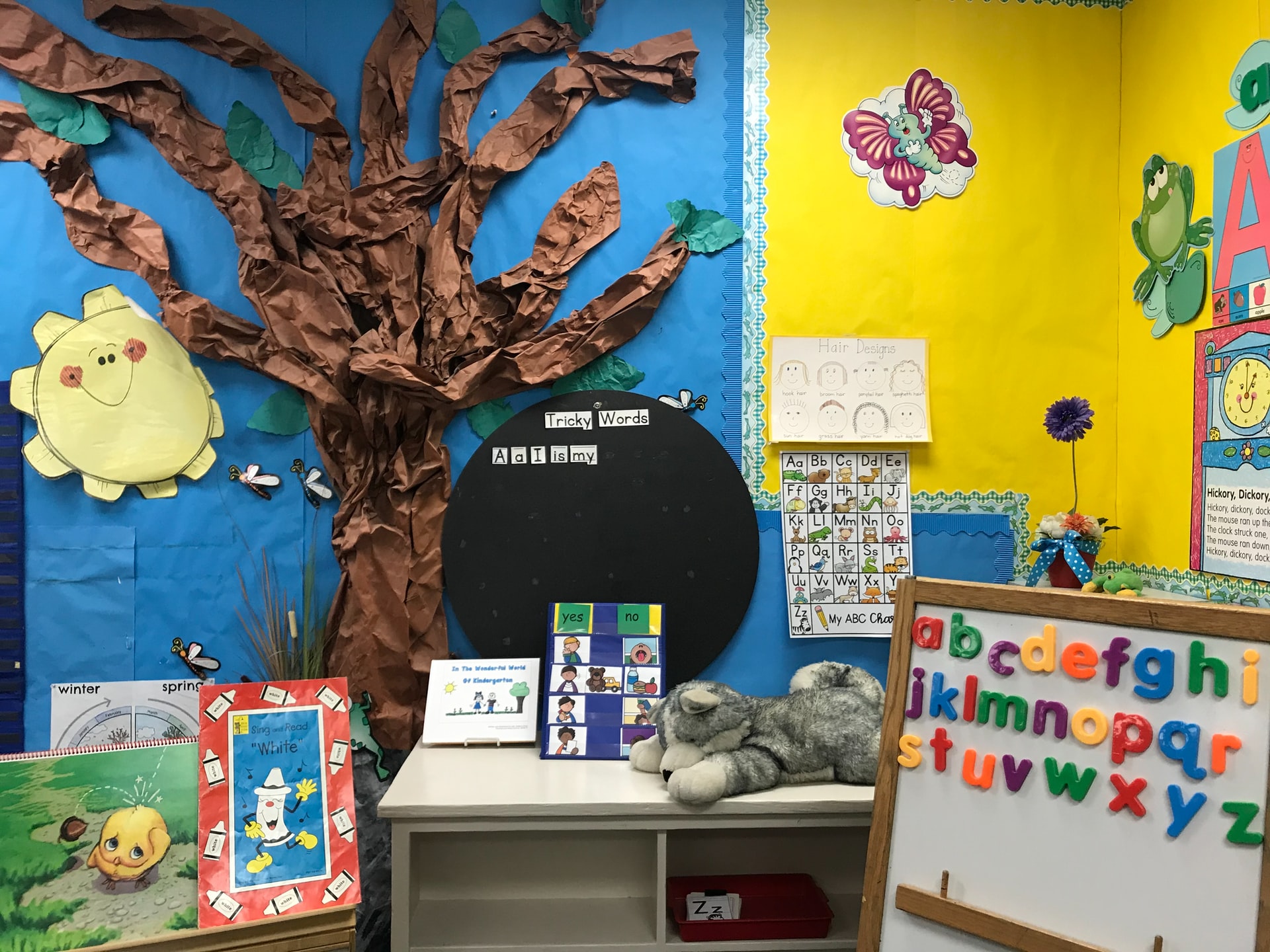
Reading is an important skill that pupils learn in their early childhood schooling. This ability lays the groundwork for academic achievement. There are several approaches to the reading process, and educators depend on a variety of reading theories.

Children in kindergarten through third grade are in the process of learning to read. Beginning in fourth grade, children begin to read to learn. Students must have a strong reading foundation to go successfully through middle and high school.

Educators can effectively guarantee that pupils have the necessary reading abilities by determining if students are below, at, or above their age group level. Educators must also be aware of three more levels for each learner: frustration, instructional, and autonomous reading level.

Bottom-Up Theory

While there are several views on how to teach reading, some have shown to be more effective than others. The bottom-up strategy is one of them.

This idea entails a step-by-step way of teaching reading components competency, allowing the student to become literate. During early childhood education, this method incorporates clear and direct instruction in a building-block manner employing the five components of reading.

The term “bottom-up” refers to how this reading process operates. The major goal of early literacy is to establish the fundamental, core abilities required for reading proficiency.

Reading activities based on the bottom-up paradigm involve pupils learning to read from the ground up, beginning with the basics and progressing to topics such as phonics and phonemic awareness. This implies that children are taught the fundamentals first to provide a firm foundation before progressing to vocabulary, fluency, and understanding.

5 Components of Reading

There are five main components to the reading process. These ideas must be learned by pupils for them to effectively improve their reading skills:

  1. Phonics

Understanding the sounds associated with the letters of the alphabet, especially short and long vowels. It also entails linking the concepts of letters corresponding to sounds and those sounds forming words.

  1. Phonemic Sensitivity

Understanding the sounds produced by letter combinations, such as syllables, entire words, and consonant blends.

  1. Vocabulary

Understanding the meaning of words and how to employ them correctly and appropriately in phrases.

  1. Fluency

The ability to read with the right expression and quickness while avoiding mistakes. A proficient reader can read and communicate in the same way.

  1. Comprehension

The ability to retain characters, events, and the main concept of a passage or tale after reading it, as well as interpret what has been read accurately.

Finally, consider the following:

Because of its sequential method, the bottom-up theory is extensively applied across the world. It understands that reading is a developmental process that should be acquired from the ground up, with complexity increasing as a learner’s reading and comprehension competence grow.


Previous Article

Teaching Controversial Topics: Everything You Need to ...

Next Article

How Effective is Interactive Learning Content In ...

Matthew Lynch

Related articles More from author

  • Reading Education

    Phoneme Isolation: Everything You Need to Know

    August 12, 2024
    By Matthew Lynch
  • Reading Education

    Pairing Students Based On Their Reading Abilities: Everything You Need to Know

    February 19, 2023
    By Matthew Lynch
  • Reading Education

    What Part Do Sight Words Play in the Reading Development Process?

    March 3, 2023
    By Matthew Lynch
  • Reading Education

    Achieving Better Reading Proficiency: Everything You Need to Know

    April 1, 2024
    By Matthew Lynch
  • Reading Education

    Signs That Your Child Has Reading Difficulties

    January 19, 2023
    By Matthew Lynch
  • Reading Education

    Reading Workshops: Everything You Need to Know

    June 11, 2024
    By Matthew Lynch

Search

Login & Registration

  • Log in
  • Entries feed
  • Comments feed
  • WordPress.org

Newsletter

Signup for The Tech Edvocate Newsletter and have the latest in EdTech news and opinion delivered to your email address!

About Us

Since technology is not going anywhere and does more good than harm, adapting is the best course of action. That is where The Tech Edvocate comes in. We plan to cover the PreK-12 and Higher Education EdTech sectors and provide our readers with the latest news and opinion on the subject. From time to time, I will invite other voices to weigh in on important issues in EdTech. We hope to provide a well-rounded, multi-faceted look at the past, present, the future of EdTech in the US and internationally.

We started this journey back in June 2016, and we plan to continue it for many more years to come. I hope that you will join us in this discussion of the past, present and future of EdTech and lend your own insight to the issues that are discussed.

Newsletter

Signup for The Tech Edvocate Newsletter and have the latest in EdTech news and opinion delivered to your email address!

Contact Us

The Tech Edvocate
910 Goddin Street
Richmond, VA 23231
(601) 630-5238
[email protected]

Copyright © 2026 Matthew Lynch. All rights reserved.