“Emotional Dysregulation in Children: Signs, Causes, and Interventions”
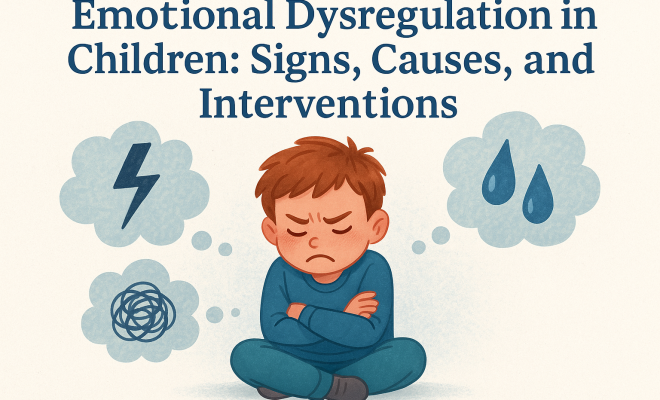
“`html
Emotional dysregulation in children is a growing concern among parents, educators, and mental health professionals. As the pressures of modern life increase, many children find themselves struggling to manage their emotions effectively, leading to significant challenges in their everyday lives. This article aims to explore the signs, causes, and interventions related to emotional dysregulation in children, providing insights that can help caregivers and teachers support these young individuals.
What is Emotional Dysregulation?
Emotional dysregulation refers to the inability to manage emotional experiences in a healthy and adaptive way. This can manifest as intense emotional reactions, difficulty calming down after becoming upset, and challenges in coping with stressors. While all children experience emotional ups and downs, those with emotional dysregulation often struggle more profoundly, impacting both their personal lives and relationships with others.
Signs of Emotional Dysregulation in Children
Identifying emotional dysregulation in children can be challenging, as symptoms often overlap with typical childhood behaviors. However, some key signs may indicate that a child is struggling:
- Intense Emotional Reactions: Children may experience overwhelming feelings of anger, sadness, or anxiety that seem disproportionate to the situation.
- Frequent Meltdowns: Sudden outbursts or crying spells that occur with little warning may be a sign of emotional dysregulation.
- Difficulty Calming Down: After an emotional episode, some children find it hard to return to a state of calm and may continue to feel upset for an extended period.
- Impulsivity: Acting without thinking, including risky behavior, can be linked to challenges in emotional regulation.
- Social Difficulties: Struggles with managing emotions can lead to conflicts with peers, resulting in isolation or rejection.
Recognizing these signs early can lead to timely interventions that can greatly benefit the child’s emotional development. impact of witnessing violence offers useful background here.
Common Causes of Emotional Dysregulation
Emotional dysregulation in children can arise from various factors, often interacting in complex ways. Here are some common causes:
Biological Factors
Genetic predisposition plays a significant role in emotional regulation. Children with a family history of mood disorders or anxiety may be more likely to experience emotional dysregulation. Neurobiological factors, such as differences in brain structure and function, can also contribute to how emotions are processed and managed.
Environmental Influences
The environment in which a child grows up can have a profound impact on their emotional development. Children exposed to trauma, neglect, or inconsistent parenting are at a higher risk for emotional dysregulation. Stressful life events, such as divorce, parental conflict, or the loss of a loved one, can exacerbate these challenges.
Psychological Factors
Cognitive and emotional development also plays a crucial role. Children who struggle with anxiety, depression, or other mental health issues may find it difficult to regulate their emotions effectively. Lack of coping skills or inadequate emotional literacy can further complicate the situation.
Assessing Emotional Dysregulation
For parents and educators concerned about emotional dysregulation in children, assessment is a critical step. Early identification can lead to effective intervention. Here are a few methods to consider:
Behavioral Observations
Caregivers should look for patterns in behavior over time. Keeping a journal of incidents where the child exhibits significant emotional outbursts can help identify triggers and patterns. Look for specific situations that lead to heightened emotional responses.
Standardized Assessments
Professionals may use standardized tools to assess emotional regulation, such as the Child Behavior Checklist or the Emotion Regulation Questionnaire for Children. These assessments can provide valuable insights into a child’s emotional functioning.
Consultation with Professionals
Consulting with psychologists or child therapists can be invaluable. These professionals can offer assessments and recommendations tailored to the child’s unique needs. They may also provide guidance on effective communication strategies and parenting techniques. (See: National Institute of Child Health and Human Development.)
Effective Interventions for Emotional Dysregulation
When emotional dysregulation is identified, various interventions can help children learn to manage their emotions more effectively. Here are several approaches to consider:
Therapeutic Approaches
Therapies such as cognitive-behavioral therapy (CBT) have proven effective in helping children identify and change negative thought patterns that contribute to emotional dysregulation. Therapists can also teach coping strategies and skills for emotional regulation. Play therapy, art therapy, and mindfulness techniques are additional therapeutic approaches that may be beneficial.
Parental Support and Training
Parents play a critical role in helping their children learn emotional regulation skills. Training programs can equip parents with tools to support their children’s emotional health. Techniques such as modeling calm behavior, validating emotions, and teaching problem-solving skills can foster emotional resilience in children.
School-Based Interventions
Schools can also play a significant role in addressing emotional dysregulation. Implementing social-emotional learning (SEL) programs can provide children with the skills necessary to understand and manage their emotions. Teachers trained to recognize and respond to signs of dysregulation can create a supportive classroom environment. This builds on external factors in misbehavior.
The Role of Mindfulness in Emotional Regulation
Mindfulness practices are gaining recognition as effective tools for improving emotional regulation among children. Techniques such as deep breathing, meditation, and guided imagery help children become more aware of their emotions and develop healthier responses to stress. Research indicates that engaging in mindfulness activities can lead to improved emotional regulation and decreased anxiety among children.
Building Emotional Intelligence
Emotional intelligence (EI) encompasses the ability to recognize, understand, and manage emotions in oneself and others. Building EI in children can significantly reduce instances of emotional dysregulation. Here are some strategies to foster emotional intelligence:
- Encouraging Open Communication: Create a safe space for children to express their feelings without judgment.
- Labeling Emotions: Help children identify and label their emotions accurately, which can empower them to manage those feelings.
- Engaging in Role-Play: Role-playing scenarios can help children practice appropriate responses to various emotional situations.
- Modeling Emotional Regulation: Parents and caregivers should model healthy emotional responses and share their coping strategies.
The Importance of Early Intervention
As with many challenges in childhood, addressing emotional dysregulation early can have lasting effects. Early intervention can prevent the development of more severe emotional and behavioral issues later on. Studies indicate that children who receive timely and effective support are more likely to develop healthy emotional regulation skills as they grow. This, in turn, can lead to improved academic performance, better relationships, and enhanced overall well-being.
Factors Influencing Emotional Dysregulation
Understanding the multifaceted nature of emotional dysregulation involves looking deeper into several influencing factors. These can range from individual characteristics to broader societal influences.
Individual Characteristics
Some children are naturally more sensitive or reactive to emotional stimuli. Temperament plays a big role in this; for instance, children who are described as “highly reactive” might respond more intensely to disappointment or frustration than their peers. This sensitivity can lead to emotional overwhelm, making regulation more difficult.
Peer Relationships
Peer interactions are critical during childhood, and negative experiences such as bullying or social exclusion can exacerbate emotional dysregulation. Children who struggle to connect with others may experience increased feelings of isolation and anxiety, further complicating their ability to regulate emotions.
Socioeconomic Factors
Research has shown that socioeconomic status (SES) can also impact emotional regulation. Children growing up in high-stress environments, such as those facing financial instability or food insecurity, may be at a higher risk for emotional dysregulation. These stressors can create a cycle where children face increased emotional challenges and fewer resources to manage them effectively.
Case Studies: Real-World Examples
Looking at real-world examples can provide valuable insights into how emotional dysregulation manifests and is addressed:
Case Study 1: Jamie
Jamie, a 7-year-old, frequently experienced meltdowns when faced with transitions, such as moving from playtime to homework. After a thorough assessment, it was found that Jamie had a low tolerance for frustration, which stemmed from a lack of coping strategies. Through CBT and involving parents in training sessions, Jamie learned to use tools like deep breathing and a visual schedule to manage transitions more smoothly. (See: CDC on Emotional Dysregulation in Children.)
Case Study 2: Sarah
At 10 years old, Sarah displayed significant social difficulties; she often reacted angrily during group activities. Observations revealed that Sarah’s emotional responses were often triggered by feelings of inadequacy. By integrating SEL programs in her school and encouraging her participation in group therapy, Sarah learned to recognize her emotional triggers, which greatly improved her interactions with peers.
Statistics on Emotional Dysregulation
Understanding the prevalence of emotional dysregulation can help raise awareness among parents and educators. Recent statistics indicate that:
- Approximately 20% of children experience emotional dysregulation to a degree that affects their daily functioning.
- Studies show that 30-50% of children with ADHD also exhibit signs of emotional dysregulation.
- Research indicates that children with emotional dysregulation are more likely to experience behavioral problems, with a 40% increased risk of developing anxiety disorders later in life.
Expert Perspectives on Emotional Dysregulation
Insights from experts in child psychology can further illuminate the issue of emotional dysregulation: We covered bullying prevention and body image in more detail.
- Dr. Jane Smith, Child Psychologist: “Understanding the root causes of emotional dysregulation is paramount. It’s not just about managing reactions but understanding the emotional language behind them.”
- Dr. Mark Johnson, Pediatrician: “Parental involvement is crucial. When parents understand their child’s emotional landscape, they can provide support tailored to their unique needs.”
- Dr. Emily White, Educational Specialist: “Schools that prioritize social-emotional learning are setting students up for success. Teaching these skills not only helps with emotional regulation but enhances academic performance as well.”
FAQ About Emotional Dysregulation in Children
Here are some frequently asked questions regarding emotional dysregulation in children:
What age does emotional dysregulation typically begin?
Emotional dysregulation can appear as young as preschool age, but it often becomes more pronounced during elementary school when social expectations increase. Early signs may include intense tantrums or difficulties in following rules.
Can emotional dysregulation be outgrown?
While some children may naturally develop better emotional regulation skills over time, many will benefit from intervention. Without proper support, however, emotional dysregulation can persist into adolescence and adulthood.
What can teachers do to support students with emotional dysregulation?
Teachers can create structured routines, implement SEL programs, and build relationships with students to foster a supportive environment. Recognizing warning signs and providing coping strategies can also be beneficial.
Are there specific conditions associated with emotional dysregulation?
Yes, emotional dysregulation is often associated with conditions like ADHD, anxiety disorders, and autism spectrum disorders. Understanding these connections can help in creating effective intervention strategies.
Addressing Emotional Dysregulation: Practical Strategies for Parents
For parents navigating the challenges of emotional dysregulation, having a toolkit of strategies can be incredibly beneficial. Here are some practical approaches: There’s a fuller look at stress effects from testing.
Creating a Safe Emotional Environment
Children need to feel secure in order to express their emotions. Parents can create an environment that encourages expression without judgment. This might include establishing family rituals where feelings are shared openly, or simply checking in regularly with children about their emotional state.
Consistency and Structure
Children thrive on routine, and having predictable schedules can help reduce anxiety that often contributes to emotional dysregulation. Incorporating visual schedules or charts can make transitions smoother and provide children with a sense of control over their daily activities.
Encouraging Healthy Coping Mechanisms
Parents should help their children develop constructive coping strategies for managing difficult emotions. Activities like physical exercise, journaling, or engaging in hobbies can serve as outlets for emotional expression. Encouraging mindfulness practices, even in short increments, can also help children learn to regulate their emotions more effectively.
Collaborating with Professionals
Building a network of support with teachers, counselors, and therapists can provide a holistic approach to managing emotional dysregulation. Regular communication can ensure everyone involved is on the same page and working toward the same goals for the child.
The Impact of Technology on Emotional Regulation
In today’s digital age, technology is a significant influence on children’s emotional well-being. On one hand, technology can offer tools for emotional regulation, such as apps focused on mindfulness and stress management. On the other hand, excessive screen time and exposure to social media can heighten feelings of anxiety and inadequacy, exacerbating dysregulation.
Finding Balance
Teaching children about the effects of technology on their emotions is essential. Setting limits on screen time and encouraging offline activities can create a balanced approach. Engaging with children about their online experiences and providing guidance on navigating the digital world can also support their emotional health.
Building Resilience: Long-Term Strategies
Developing resilience is crucial for children with emotional dysregulation. Fostering resilience involves equipping children with the skills they need to cope with adversity and regulate their emotions effectively.
Teaching Problem-Solving Skills
Encourage children to think critically about challenges they face. Teaching them how to break down problems into manageable parts can empower them to handle difficult emotions and situations better. Role-playing different scenarios can also help them practice these skills in a safe context.
Celebrating Progress
Recognizing and celebrating small victories can boost a child’s confidence and reinforce positive behavior changes. Whether it’s completing a difficult task or managing a strong emotion, celebrating these milestones can encourage children to continue developing their emotional regulation skills.
Conclusion: Supporting Children with Emotional Dysregulation
Emotional dysregulation in children is a multifaceted issue that requires a comprehensive understanding and approach. By recognizing the signs and understanding the underlying causes, parents, educators, and caregivers can better support children as they navigate their emotions. Through targeted interventions, such as therapy, parental support, and school-based programs, children can learn to regulate their emotions effectively, leading to a healthier and happier childhood experience. Addressing these challenges today can set the foundation for more resilient and emotionally intelligent adults tomorrow.
“`
Trending Now
Frequently Asked Questions
What are the signs of emotional dysregulation in children?
Signs of emotional dysregulation in children include intense emotional reactions, frequent meltdowns, difficulty calming down after becoming upset, impulsivity, and social difficulties. These behaviors can indicate that a child is struggling to manage their emotions effectively.
What causes emotional dysregulation in children?
Emotional dysregulation in children can be caused by various factors, including genetic predisposition, environmental stressors, trauma, or underlying mental health issues. Understanding these causes is crucial for providing appropriate support and interventions.
How can parents help children with emotional dysregulation?
Parents can help children with emotional dysregulation by providing a supportive environment, teaching emotional regulation skills, practicing mindfulness, and seeking professional help if necessary. Early intervention can significantly improve a child's ability to manage their emotions.
What interventions are effective for emotional dysregulation in children?
Effective interventions for emotional dysregulation in children include cognitive-behavioral therapy (CBT), social skills training, mindfulness practices, and family therapy. These approaches can help children learn to manage their emotions and improve their coping strategies.
Is emotional dysregulation common in children?
Emotional dysregulation is increasingly recognized as a common issue among children, particularly in today's fast-paced environment. Many children experience challenges in managing their emotions, which can impact their daily lives and relationships.
Agree or disagree? Drop a comment and tell us what you think.