Self-Esteem Movement: Praise, Achievement & New Research
“`html
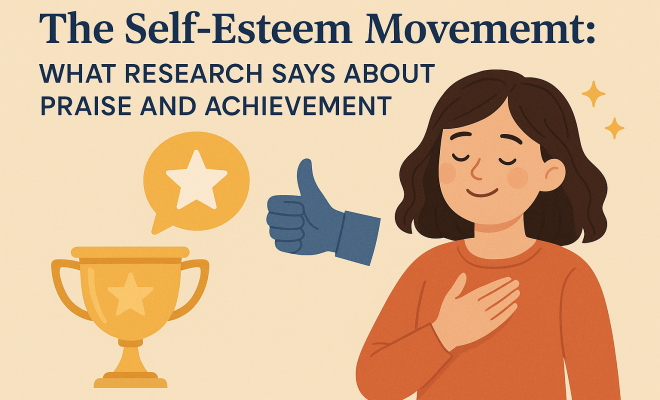
The self-esteem movement has been a significant cultural phenomenon, influencing education, parenting, and personal development for several decades. Rooted in the belief that enhancing self-esteem can lead to improved performance and overall happiness, this movement has garnered both support and criticism. In this article, we’ll explore the origins of the self-esteem movement, the nuances of praise, the impact of self-esteem on achievement, and current research that challenges traditional views.
Origins of the Self-Esteem Movement
The self-esteem movement emerged in the late 20th century, particularly during the 1970s and 1980s. At that time, psychologists like Nathaniel Branden began advocating for self-esteem as a critical factor in mental health and success. Branden’s book, “The Six Pillars of Self-Esteem,” posited that a strong sense of self-worth is vital for living a fulfilling life. His ideas quickly gained traction and began to permeate various aspects of society, including education and parenting.
During this period, schools began implementing programs designed to boost children’s self-esteem, with the belief that higher self-worth would lead to better academic performance and reduced behavioral issues. This idea was revolutionary, suggesting that emotional support and encouragement could be just as important as academic rigor.
The Role of Praise in Self-Esteem
Praise has long been viewed as a cornerstone of the self-esteem movement. The theory suggested that when children receive positive feedback, they are more likely to feel good about themselves, ultimately leading to greater success. However, the type of praise given can significantly influence its effectiveness.
Research by psychologist Carol Dweck has contributed substantially to our understanding of this area. Dweck’s studies revealed that there are two types of praise: process praise, which focuses on the effort and strategies used by a child, and person praise, which emphasizes innate qualities or traits. For example, telling a child, “You worked really hard on that project” is process praise, while saying, “You’re so smart” is person praise.
Dweck’s findings indicate that process praise is far more beneficial for promoting resilience and a growth mindset. Children who receive process praise are more likely to embrace challenges and persist in the face of difficulties, whereas those who receive person praise may develop a fixed mindset, fearing failure and avoiding challenges altogether.
Research Findings on Self-Esteem and Achievement
While the self-esteem movement gained popularity, subsequent research began to question its core assumptions. Contrary to the belief that high self-esteem directly correlates with success, studies have suggested that the relationship is more complex.
A review of over 200 studies published in the journal Psychological Bulletin examined the connection between self-esteem and academic performance. The researchers found that while there is a moderate correlation between self-esteem and achievement, it is not causal. In other words, high self-esteem does not necessarily lead to better performance. Instead, achievement can contribute to higher self-esteem. collaborative educational strategies offers useful background here.
This distinction is crucial. It implies that simply boosting self-esteem without corresponding achievement may not yield the desired effects. Instead of focusing solely on making children feel good about themselves, a more balanced approach that integrates achievement with self-esteem may be more effective.
Critiques of the Self-Esteem Movement
As the self-esteem movement gained momentum, critiques began to surface. One of the most significant concerns is that fostering self-esteem without sufficient basis in achievement can lead to entitlement and unrealistic self-perceptions. Critics argue that when children are praised excessively without achieving meaningful accomplishments, they may develop an inflated sense of self-worth that does not align with reality. (See: NIH article on self-esteem and achievement.)
Moreover, the self-esteem movement has been linked to a culture of avoidance, where individuals may shy away from challenges due to fear of failure or criticism. This avoidance can hinder personal growth and resilience, essential qualities for navigating life’s challenges. In contrast, a focus on cultivating grit and perseverance can provide a more solid foundation for success.
Balancing Praise and Constructive Criticism
Given the critiques of the self-esteem movement, it’s essential to find a balance between praise and constructive feedback. While positive reinforcement can motivate, it shouldn’t come at the expense of honesty and realism. Here are a few strategies for achieving this balance:
- Encourage a Growth Mindset: Teach children that abilities and intelligence can be developed through dedication and hard work. This perspective helps them embrace challenges and learn from failures.
- Provide Constructive Feedback: When offering feedback, focus on specific behaviors or strategies rather than personal attributes. This approach helps children understand what they can improve and fosters resilience.
- Celebrate Effort and Process: Recognize the effort put into tasks, not just the outcomes. This helps children appreciate the learning journey rather than solely focusing on results.
Current Relevance of the Self-Esteem Movement
In today’s society, the self-esteem movement remains relevant, particularly in discussions surrounding mental health and education. With increasing awareness of mental health challenges among youth, the conversation about self-esteem has evolved. Schools and parents are seeking effective ways to support students’ emotional well-being while promoting achievement.
However, the critical examination of self-esteem highlights the need for a nuanced approach. Current educational models emphasize the importance of social-emotional learning (SEL), which incorporates elements of self-awareness, self-management, and relational skills. SEL programs aim to create a supportive environment that fosters both self-esteem and academic success.
The Impact of Social Media on Self-Esteem
In the digital age, social media has profoundly influenced perceptions of self-esteem. Platforms like Instagram and Facebook create environments where comparisons are rampant. Users often showcase curated versions of their lives, leading others to feel inadequate. This phenomenon can have detrimental effects on self-esteem, especially among adolescents.
Research indicates that excessive use of social media can lead to increased feelings of loneliness, anxiety, and depression, all of which negatively impact self-esteem. It’s an alarming trend that calls for a proactive approach to digital consumption. Encouraging mindful use of social media and promoting offline connections can help mitigate these effects.
The Importance of Resilience in Developing Self-Esteem
Resilience plays a crucial role in building self-esteem. It’s the ability to bounce back from setbacks, learn from failures, and maintain a positive outlook despite challenges. Teaching resilience can empower individuals to develop healthy self-esteem based on real achievements rather than superficial praise.
Practicing resilience involves recognizing that failure is a part of learning. When children understand that setbacks do not define their worth, they are more likely to take risks and pursue their goals. Cultivating resilience can involve encouraging problem-solving, fostering a sense of agency, and providing support during difficult times. This builds on tips for engaging students.
Practical Insights for Parents and Educators
For parents and educators, navigating the complexities of self-esteem and achievement can be challenging. Here are some practical insights to consider:
- Model Healthy Self-Esteem: Demonstrate how to maintain a balanced perspective on self-worth. Share your experiences with failure and success, emphasizing the lessons learned.
- Encourage Realistic Goal-Setting: Help children set achievable goals that promote a sense of accomplishment. Breaking larger goals into smaller, manageable steps can boost confidence.
- Foster a Supportive Environment: Create a safe space where children feel comfortable expressing their thoughts and feelings. Encourage open discussions about emotions and challenges.
The Global Perspective on the Self-Esteem Movement
The self-esteem movement is not confined to the United States; it has had a global impact, influencing educational policies and parenting styles in various countries. In countries like Sweden and Finland, where education systems prioritize student well-being alongside academic achievements, the principles of the self-esteem movement are integrated into curricula. These nations emphasize the importance of emotional intelligence and social skills, promoting self-esteem through collaborative learning environments.
In contrast, in places where educational systems are more rigid and performance-driven, such as in parts of Asia, the self-esteem movement may face pushback. Critics in these regions argue that fostering self-esteem without a corresponding emphasis on discipline and hard work can lead to complacency among students. This cultural divergence raises important questions about how self-esteem is perceived and cultivated across different societies. The varying approaches to self-esteem can shed light on the broader societal values regarding success, personal worth, and happiness. (See: ScienceDirect on praise and self-esteem.)
Self-Esteem Movement in the Workplace
The principles of the self-esteem movement have also permeated the workplace, prompting organizations to focus on employee well-being as a pathway to enhanced productivity and morale. Initiatives aimed at boosting employee self-esteem often include recognition programs, mental health resources, and professional development opportunities. Companies like Google and Microsoft have implemented policies that prioritize mental health, fostering environments where employees feel valued and empowered.
However, these approaches are not without critique. Some experts argue that an overemphasis on self-esteem in the workplace can lead to superficial team dynamics, where employees may feel pressured to project confidence even when they struggle. Striking the right balance between fostering a supportive environment and maintaining a performance-oriented culture is crucial for long-term organizational success.
Case Studies: Success and Failure of Self-Esteem Initiatives
To better understand the real-world implications of the self-esteem movement, several case studies shed light on both successes and failures.
One notable success is the implementation of social-emotional learning (SEL) programs in schools across the United States. Research shows that schools that have adopted SEL curricula report increased student engagement, improved academic performance, and enhanced emotional resilience among students. For example, the Collaborative for Academic, Social, and Emotional Learning (CASEL) has documented numerous instances where SEL programs significantly improved student outcomes, including reduced behavioral problems and improved academic success.
Conversely, there have been notable failures in purely self-esteem-focused programs. An instance often cited is the “self-esteem movement” in California that aimed to boost self-esteem through rewards for mere participation rather than achievement. Critics of this approach argue that it contributed to a generation of students who felt entitled to success without the necessary effort or skills, leading to a backlash against self-esteem initiatives in educational settings.
These case studies highlight the importance of balancing self-esteem initiatives with realistic expectations and achievement-based metrics to ensure that the underlying principles of the self-esteem movement promote genuine growth and development.
FAQ: Understanding the Self-Esteem Movement
What is the self-esteem movement?
The self-esteem movement is a cultural trend that began in the late 20th century, advocating for the importance of self-esteem in achieving personal happiness and success. It emphasizes that individuals should feel good about themselves to perform better in various aspects of life. (Big Bird and achievement gaps)
How does self-esteem impact mental health?
Research suggests that self-esteem plays a significant role in mental health. High self-esteem is associated with positive mental health outcomes, while low self-esteem can contribute to anxiety, depression, and other mental health issues. However, the relationship is complex, as both self-esteem and mental health can influence each other.
Can self-esteem be artificially boosted?
Yes, self-esteem can be artificially boosted through excessive praise or rewards without a foundation in actual achievement. This approach, however, may lead to inflated self-worth and entitlement, which can be detrimental in the long run. A more effective strategy is to build self-esteem through genuine accomplishments and resilience.
What are some signs of low self-esteem in children?
Signs of low self-esteem in children may include withdrawal from social interactions, reluctance to try new things, excessive self-criticism, and a fear of failure. They may also struggle to handle constructive criticism and have difficulty setting or achieving personal goals.
How can parents help boost their child’s self-esteem?
Parents can help boost their child’s self-esteem by providing supportive feedback, celebrating effort over outcome, encouraging risk-taking and resilience, and creating a safe environment for open communication. Setting realistic goals and modeling healthy self-esteem in their own lives can also significantly impact their child’s self-worth.
What role does culture play in shaping self-esteem?
Culture significantly influences how self-esteem is perceived and fostered. Different societies place varying levels of emphasis on individual achievement versus community success, which can affect how self-esteem develops. For instance, collectivist cultures may focus on social harmony and group achievement, leading to different self-esteem outcomes compared to more individualistic societies.
Is self-esteem the same as self-confidence?
No, self-esteem and self-confidence are related but distinct concepts. Self-esteem refers to how individuals value themselves and their worth, while self-confidence relates to belief in one’s abilities and skills in specific areas. A person can have high self-esteem but low self-confidence in a particular skill, and vice versa. There’s a fuller look at importance of educational equality.
How can schools effectively incorporate self-esteem initiatives?
Schools can effectively incorporate self-esteem initiatives by integrating social-emotional learning into the curriculum, promoting inclusivity, and providing opportunities for students to engage in teamwork and collaborative projects. Training teachers to recognize and support diverse emotional needs can also enhance the effectiveness of self-esteem initiatives.
What is the future of the self-esteem movement?
The future of the self-esteem movement looks to be more data-driven and evidence-based. As research continues to uncover the complexities of self-esteem and its impact on behavior and achievement, there is likely to be a shift toward strategies that emphasize resilience, adaptability, and realistic self-assessment over inflated self-worth.
Conclusion: A New Approach to Self-Esteem
The self-esteem movement has undoubtedly shaped views on personal worth and achievement. However, as research evolves, it’s essential to recalibrate our understanding. Rather than relying solely on praise to boost self-esteem, focusing on resilience, realistic goal-setting, and constructive feedback may produce more meaningful outcomes.
In an era where mental health is paramount, fostering a well-rounded sense of self-esteem grounded in real achievements and personal growth is crucial. As we continue to learn about the dynamics of self-esteem and achievement, adapting our approaches will help nurture well-adjusted, confident individuals ready to face life’s challenges.
“`
Trending Now
Frequently Asked Questions
What is the self-esteem movement?
The self-esteem movement emerged in the late 20th century, particularly during the 1970s and 1980s, advocating that enhancing self-esteem is crucial for mental health and success. Promoted by psychologists like Nathaniel Branden, it influenced education and parenting, proposing that emotional support could lead to improved academic performance and reduced behavioral issues.
How does praise affect children's self-esteem?
Praise plays a significant role in the self-esteem movement, with the belief that positive feedback boosts self-worth and leads to success. However, research indicates that the type of praise matters; process praise, which emphasizes effort and strategies, is more effective than person praise, which focuses on inherent qualities.
What are the two types of praise according to Carol Dweck?
Carol Dweck identified two types of praise: process praise and person praise. Process praise focuses on the child's effort and strategies, promoting a growth mindset, while person praise emphasizes the child's inherent qualities, potentially fostering a fixed mindset and limiting their resilience in facing challenges.
Does high self-esteem lead to better performance?
The self-esteem movement suggests that higher self-esteem correlates with better performance. However, recent research challenges this notion, indicating that while self-esteem is beneficial, it is not the only factor influencing achievement. A focus on effort and resilience may be more critical for long-term success.
What critiques exist regarding the self-esteem movement?
Critiques of the self-esteem movement argue that excessive focus on boosting self-esteem can lead to entitlement and unrealistic expectations. Critics highlight that not all praise is beneficial and that fostering resilience and a growth mindset may be more effective in promoting true achievement and well-being.
What's your take on this? Share your thoughts in the comments below — we read every one.