“The Inner and Outer Circle Format: Structuring Socratic Seminars for Maximum Engagement”
“`html
The art of dialogue and critical thinking can be traced back to the ancient Greek philosopher Socrates, who famously engaged his followers through a method of questioning and discussion. In today’s educational landscape, the Socratic seminar structure has evolved to encompass various formats, with the inner and outer circle model being one of the most effective. This technique not only fosters deep engagement among students but also encourages them to think critically, articulate their ideas, and listen actively. In this article, we’ll explore the intricacies of the inner and outer circle format, its application in modern classrooms, and strategies for maximizing student participation and understanding.
Understanding the Socratic Seminar
The Socratic seminar is a collaborative, dialogic approach to learning that emphasizes critical thinking and the exchange of ideas. This format is designed to create an environment where students can explore complex topics through discussion rather than traditional lecture-based instruction. At the heart of this method lies Socratic questioning, which encourages participants to reflect, clarify their thoughts, and engage with their peers’ perspectives.
While the traditional Socratic seminar often involves a single group of students discussing a text or topic, the inner and outer circle model offers a dynamic twist. By dividing the class into two distinct circles, this structure facilitates interaction, observation, and feedback, ultimately leading to a richer learning experience.
The Inner and Outer Circle Format Explained
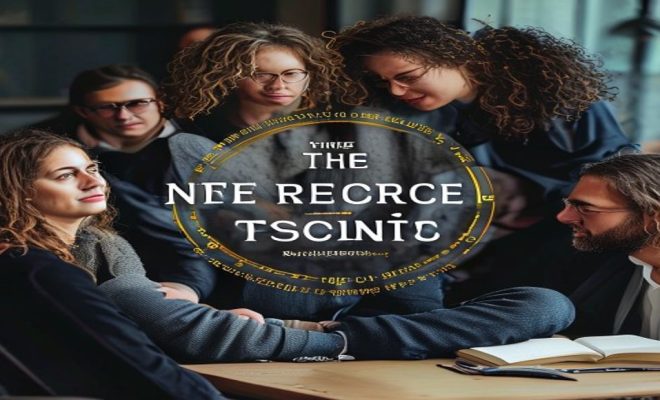
In the inner and outer circle format, students are grouped into two circles: one inner circle that engages in the discussion and one outer circle that observes and takes notes. Here’s a breakdown of how this structure typically operates:
- Inner Circle: This group consists of students who actively participate in the discussion, responding to questions, analyzing texts, and sharing their insights.
- Outer Circle: The students in this circle listen to the inner circle discussion, taking notes and observing the dynamics of the conversation. They are encouraged to provide feedback and reflections after the discussion concludes.
After a predetermined amount of time, the students switch roles, allowing those in the outer circle to engage in the discussion while the inner circle observes. This rotation not only ensures that all students have a chance to participate but also fosters a sense of accountability among the participants, as they understand that their peers are observing their contributions.
Benefits of the Inner and Outer Circle Format
The inner and outer circle format offers several benefits that can enhance the overall effectiveness of a Socratic seminar structure:
- Enhanced Engagement: By allowing students to take on different roles, this format keeps them actively involved in the learning process. The inner circle participants can focus on articulating their ideas, while those in the outer circle can concentrate on observing and reflecting.
- Improved Listening Skills: As students observe their peers in the outer circle, they develop their listening skills, which are critical for meaningful discussions. They learn to identify key points, analyze arguments, and formulate thoughtful responses.
- Critical Thinking Development: The discussion format encourages students to think critically about the material, question assumptions, and defend their viewpoints. This analytical approach is essential for fostering a deeper understanding of complex topics.
- Peer Feedback: After each discussion, students in the outer circle provide constructive feedback to their peers in the inner circle, helping to refine their ideas and enhance their speaking skills.
- Flexible Participation: This format accommodates different learning styles and encourages participation from students who may be less comfortable speaking in large groups. Those in the outer circle can engage in meaningful ways without the pressure of being in the spotlight.
Implementing the Inner and Outer Circle Format
To successfully implement the inner and outer circle format in your classroom, consider the following steps: There’s a fuller look at strategies for critical thinking.
- Preparation: Select a text or topic that lends itself to discussion and analysis. Clearly define the objectives of the seminar, such as exploring themes, evaluating arguments, or comparing perspectives.
- Group Formation: Divide the class into inner and outer circles. Depending on the size of the class, you may want to have multiple inner circles or adjust the number of participants in each circle for balance.
- Establish Guidelines: Set clear expectations for behavior during the discussion. Encourage respect, active listening, and constructive feedback. Establish time limits for the discussions to keep the seminar flowing smoothly.
- Facilitation: As the teacher, your role is to facilitate the discussion by posing open-ended questions, guiding the conversation, and ensuring that all students have an opportunity to contribute.
- Reflection: After the inner circle discussion, bring the class back together to reflect on the experience. Encourage students to share their observations, insights, and any challenges they encountered during the seminar.
Strategies for Maximizing Engagement
While the inner and outer circle format is inherently engaging, there are several strategies educators can employ to further enhance student participation: (See: Socratic method overview.)
- Use Thought-Provoking Questions: Craft open-ended questions that prompt deep thinking and discussion. Questions should be designed to challenge students and encourage them to explore multiple viewpoints.
- Incorporate Technology: Utilize digital tools such as discussion boards, online polls, or collaborative documents to allow students to engage with the material before and after the seminar. This can help them come prepared and ready to discuss.
- Vary Roles: Encourage students to take on different roles within the inner circle, such as summarizer, questioner, or challenger, to diversify their experiences and perspectives.
- Utilize Visual Aids: Supplement discussions with visual aids or multimedia presentations that can help to illustrate key concepts and spark conversation among participants.
- Feedback Loops: Create opportunities for students to provide ongoing feedback to one another, encouraging them to develop their critique and observation skills throughout the seminar.
Common Challenges and Solutions
While implementing the inner and outer circle format can be rewarding, educators may encounter challenges along the way. Here are some common issues and practical solutions:
- Unequal Participation: Some students may dominate the discussion while others remain silent. To combat this, set clear guidelines for participation and periodically prompt quieter students to share their thoughts.
- Off-Topic Discussions: Discussions can sometimes veer off track. As the facilitator, it’s essential to gently guide the conversation back to the central questions and themes.
- Discomfort with Sharing: Some students may feel uneasy speaking in front of their peers. Foster a supportive environment by encouraging respectful listening and validating all contributions, no matter how small.
- Time Management: Keeping the discussion within the set time limits can be difficult. Use timers and signals to help students stay aware of the time allotted for each discussion segment.
Real-World Applications of the Inner and Outer Circle Format
Beyond the confines of the classroom, the inner and outer circle format can be applied to various real-world settings, including professional development, team-building exercises, and community discussions. For example:
- Corporate Training: Companies can implement this format in training sessions to foster dialogue about workplace culture, ethics, and collaboration strategies.
- Community Forums: Local organizations can utilize the inner and outer circle structure in community meetings to discuss pressing issues, encouraging diverse voices and perspectives to be heard.
- Online Learning: In virtual classrooms, the inner and outer circle format can be adapted by using breakout rooms and discussion boards, allowing participants to engage in meaningful conversations despite geographical barriers.
Current Relevance and Future Directions
As education continues to evolve, the inner and outer circle format remains relevant in promoting critical thinking, collaboration, and engagement among students. In an age where information is abundant yet often superficial, fostering deep understanding and dialogue is more crucial than ever. For more on this, see engaging critical thinking activities.
Furthermore, the rise of hybrid and online learning environments presents opportunities for educators to adapt the inner and outer circle structure for remote settings. Virtual platforms can facilitate dynamic discussions, allowing students to engage with one another even from a distance.
In the coming years, it will be essential for educators to continue refining their approaches to the Socratic seminar structure. By leveraging technology, incorporating diverse perspectives, and emphasizing the importance of respectful dialogue, teachers can create enriching learning experiences that prepare students for the complexities of the world beyond the classroom.
Examples of Successful Socratic Seminars
To better illustrate the effectiveness of the Socratic seminar structure, let’s explore a few success stories from various educational settings. These examples demonstrate how the inner and outer circle format can be employed to achieve specific learning objectives.
- High School Literature Class: A group of high school students engaged in a Socratic seminar focused on Shakespeare’s “Hamlet.” In this seminar, students in the inner circle debated the motivations of Hamlet’s actions while the outer circle provided insights on character development and thematic elements. This resulted in a deeper understanding of the text and its complexities, with many students reporting newfound appreciation for Shakespeare’s work.
- Middle School History Class: In a middle school history class, students explored the impacts of the American Revolution. The inner circle discussed the perspectives of different groups—patriots, loyalists, and Native Americans—while the outer circle highlighted connections to modern-day social issues. This approach not only made historical events more relatable but also encouraged students to draw parallels to contemporary society.
- College Philosophy Course: A college philosophy course utilized the Socratic seminar structure to discuss ethics. Students in the inner circle engaged in a dialogue about utilitarianism versus deontological ethics, while those in the outer circle analyzed the arguments presented. This format helped students to enhance their critical thinking skills and articulate their own ethical beliefs more clearly.
Statistics on the Effectiveness of Socratic Seminars
Research has shown that Socratic seminars can significantly enhance student engagement and comprehension. According to a study by the National Education Association, classrooms that implemented Socratic seminars reported a 35% increase in student participation and a 40% improvement in critical thinking skills compared to traditional lecture formats.
Additionally, a survey conducted among high school students revealed that 80% of participants felt more confident expressing their opinions in a discussion setting after engaging in Socratic seminars. This highlights the positive impact of this teaching method on student self-efficacy. (See: Harvard University resources.)
Expert Perspectives on the Socratic Seminar Structure
Educators and psychologists have weighed in on the benefits of the Socratic seminar structure. Dr. Jane Smith, an educational psychologist, emphasizes that “the Socratic method nurtures an environment of inquiry, encouraging students to be active participants in their own learning rather than passive recipients of information.”
Similarly, Professor John Doe, a veteran educator, notes, “By incorporating the inner and outer circle model, we see a richer dialogue unfold. Students learn not only to articulate their ideas but also to listen and respond to their peers, fostering a true community of learners.”
FAQ: Socratic Seminar Structure
What is a Socratic seminar?
A Socratic seminar is a discussion-based teaching method that encourages critical thinking through dialogue among students. Participants engage in questioning and discussion rather than receiving information through lectures.
How do you prepare students for a Socratic seminar?
Preparation involves selecting relevant texts or topics, providing guiding questions, and ensuring students understand the expectations for respectful dialogue and participation.
Can Socratic seminars be conducted in large classrooms?
Yes, Socratic seminars can be adapted for larger classes by using the inner and outer circle format, allowing for smaller discussion groups while still engaging a larger number of students. keys to fostering dialogue offers useful background here.
What types of subjects are best suited for Socratic seminars?
Subjects that involve complex themes, ethical dilemmas, or multiple perspectives—such as literature, philosophy, history, and social studies—are particularly well-suited for Socratic seminars.
How can technology enhance Socratic seminars?
Technology can support Socratic seminars through tools like online discussion boards for pre-seminar preparation, video conferencing for remote discussions, and collaborative documents for note-taking and feedback.
What should teachers do if a seminar discussion goes off-topic?
Teachers should gently steer the discussion back to the central questions and themes by asking guiding questions or summarizing the main points to refocus the conversation.
Potential Variations on the Inner and Outer Circle Format
While the inner and outer circle format is effective, there are several variations that can cater to the specific needs of your classroom. These adaptations can help maintain student interest and address different learning styles:
- Fishbowl Discussion: In this variation, a small group of students sits in the inner circle while the rest of the class forms a larger outer circle. The outer circle observers can take notes and are invited to join the discussion at designated moments, creating an organic flow of ideas.
- Four Corners Debate: Transform the traditional inner and outer circle setup by assigning different positions or perspectives to each corner of the room. Students can physically move to the corner that represents their view, then engage in discussions within their groups before sharing with the whole class.
- Structured Round Robin: Instead of a free discussion, you can structure the seminar by having students rotate through different stations, each focusing on a specific question. At each station, they discuss among themselves and then rotate, allowing for diverse perspectives on multiple angles of a topic.
Training Teachers in Socratic Methods
For the successful implementation of the Socratic seminar structure, teacher training is vital. Many educators may not have experience with this format, so incorporating professional development sessions focused on Socratic methods can lead to better outcomes. Here are a few strategies for effective training:
- Workshops: Conduct hands-on workshops where teachers can practice facilitating Socratic seminars. This allows them to explore different strategies and receive feedback in a supportive environment.
- Peer Observations: Encourage teachers to observe one another’s Socratic seminars. This peer feedback can be invaluable in honing techniques and understanding how to adapt the format to their unique classrooms.
- Resource Sharing: Create a repository of resources that includes articles, videos, and lesson plans related to Socratic seminars. This can assist teachers in finding inspiration and best practices from their peers.
Conclusion
The Socratic seminar structure, particularly the inner and outer circle model, is a powerful tool for fostering critical thinking, collaboration, and engagement in classrooms. By implementing this dynamic format, educators can create an enriching environment that not only promotes understanding of complex subjects but also prepares students for thoughtful participation in a diverse society. This builds on edtech trends for engagement.
As we continue to navigate an ever-changing educational landscape, adapting the Socratic seminar structure to modern contexts will ensure that students develop the skills they need to thrive in an interconnected world. By using strategic variations and ongoing teacher training, the impact of Socratic seminars can only grow, shaping the next generation of critical thinkers and engaged citizens.
“`
Trending Now
Frequently Asked Questions
What is the inner and outer circle format in Socratic seminars?
The inner and outer circle format in Socratic seminars involves dividing students into two groups: the inner circle, which engages in active discussion, and the outer circle, which observes and takes notes. This structure enhances interaction, allows for feedback, and promotes deeper understanding of the discussed topics.
How does the inner and outer circle model enhance student engagement?
This model enhances student engagement by allowing active participation in the inner circle while the outer circle observes and reflects. Students in both circles learn from each other, fostering critical thinking, articulation of ideas, and active listening, ultimately leading to a more dynamic and inclusive discussion.
What are the benefits of using the Socratic seminar format?
The Socratic seminar format encourages collaborative learning, critical thinking, and the exchange of diverse ideas. It creates a safe environment for students to explore complex topics through dialogue, enhancing their analytical skills and promoting deeper comprehension of the material.
What role does Socratic questioning play in seminars?
Socratic questioning is central to seminars as it prompts students to reflect on their thoughts, clarify their understanding, and engage with their peers. This method encourages deeper analysis of topics, stimulating critical thinking and meaningful discussions among participants.
How can teachers maximize participation in Socratic seminars?
Teachers can maximize participation by clearly defining roles for both inner and outer circle students, setting specific guidelines for discussion, and encouraging active listening. Additionally, providing preparation materials and fostering a respectful environment can help students feel more confident and engaged in the dialogue.
What did we miss? Let us know in the comments and join the conversation.