Master Portrait Photography: 10 Essential Tips for Stunning Photos
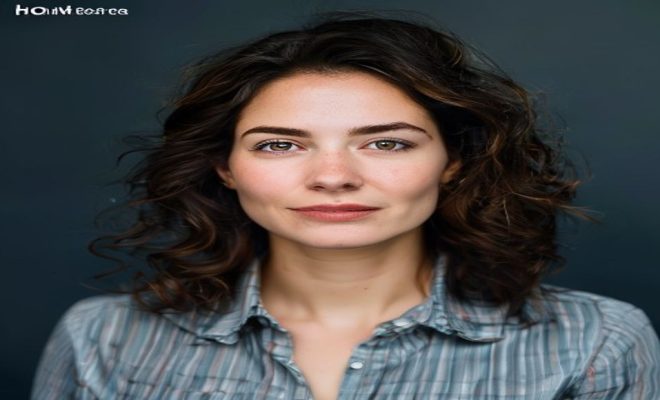
“`html
Portrait photography is a captivating art that captures the essence of individuals, reflecting their personality and emotions through the lens. Whether you’re a budding photographer or looking to enhance your skills, mastering the craft of portrait photography requires a blend of technical know-how and creative vision. Below, we’ll explore ten essential portrait photography tips that will elevate your work and help you produce stunning results.
1. Understand Lighting: The Cornerstone of Portrait Photography
Lighting is arguably the most critical element in portrait photography. Good lighting can transform an ordinary photo into a mesmerizing image, while poor lighting can obscure details and create unflattering shadows. Natural light, especially during the golden hour shortly after sunrise or before sunset, offers a soft, warm glow that is ideal for portraits. If shooting indoors, consider using window light to highlight your subject’s features gently.
For those using artificial lighting, understanding the use of diffusers, reflectors, and modifiers can help create a softer effect. Key light, fill light, and background light play essential roles in enhancing the subject’s dimension and mood. Experimenting with different lighting setups, like Rembrandt or loop lighting, can give your portraits a professional touch.
2. Choose the Right Background: Keep It Simple
The background is a vital component of portrait photography that can either complement or distract from your subject. Opt for backgrounds that enhance the overall composition without stealing the focus from the subject. Solid colors or softly blurred backgrounds are often effective choices. If you’re shooting outdoors, look for natural settings that offer texture and depth, such as trees, walls, or open fields.
Remember to consider the colors in your background relative to your subject’s attire. Harmonious color palettes can create a cohesive look, while contrasting colors can make your subject pop. If you’re using studio backdrops, ensure they don’t clash with the mood you want to convey.
3. Engage Your Subject: Build a Connection
Effective portrait photography goes beyond just capturing a face; it’s about telling a story. Engaging with your subject before and during the shoot can help create a comfortable atmosphere, allowing their true personality to shine through. Take the time to have a conversation, ask questions, and create a rapport. When your subject feels at ease, they’re more likely to express genuine emotions. Related reading: complete guide to acoustics.
Use prompts or scenarios to help elicit a natural reaction. Sometimes, asking your subject to think about a happy moment or a specific memory can lead to authentic expressions. Remember to communicate clearly, offering direction when needed, as well as encouragement to boost their confidence.
4. Master Your Camera Settings: Know Your Tools
To capture stunning portraits, a solid understanding of your camera settings is essential. Familiarize yourself with aperture, shutter speed, and ISO, as these elements significantly impact your images. A wide aperture (like f/1.8 or f/2.8) creates a shallow depth of field, which beautifully blurs the background and emphasizes your subject.
For portraits, a shutter speed of at least 1/125 seconds is advisable to minimize motion blur, especially when working with natural light. Adjust your ISO based on the ambient light conditions, keeping it as low as possible to reduce noise while ensuring proper exposure. Experiment with different settings to find the best balance for your shooting environment.
5. Focus on Composition: Rule of Thirds and Beyond
Composition is key to creating visually appealing portraits. The rule of thirds is a classic guideline that helps you position your subject in a way that draws the viewer’s eye. Imagine your frame divided into nine equal parts with two horizontal and two vertical lines. Placing your subject at the intersections or along these lines can create a more engaging composition.
Don’t hesitate to experiment with angles and perspectives. Shooting from a lower angle can create a sense of power, while a higher angle may evoke vulnerability. Additionally, consider incorporating leading lines, framing, and symmetry to enhance the overall aesthetic of your portrait.
6. Utilize Lenses Wisely: The Right Choice Matters
The choice of lens can drastically influence the outcome of your portraits. Prime lenses with wide apertures, like 50mm or 85mm, are popular among portrait photographers due to their ability to create beautiful bokeh and sharp images. A 50mm lens provides a natural perspective, while an 85mm lens allows you to capture flattering details from a distance without distortion. (See: Understanding lighting in photography.)
Zoom lenses, like a 24-70mm, offer versatility, allowing you to adjust your framing without physically moving. Consider the distance you’ll be from your subject and the effect you want to achieve, as each lens produces different results. Don’t forget to test different lenses to see how they affect your portraits.
7. Experiment with Posing: Find What Works
Posing is an art that can drastically change the mood and impact of your portraits. Guide your subjects with subtle directions, but also allow them to express themselves naturally. Encouraging your subject to shift their weight, angle their body slightly, or tilt their head can produce varied results that may enhance their features.
Consider incorporating movement into your shots, as this can yield dynamic and engaging portraits. Simple actions like walking or turning their head can create a more lively image than static poses. Remember, the goal is to capture genuine emotions, so encourage your subject to be themselves.
8. Post-Processing Techniques: Edit with Care
The magic doesn’t end with the click of the shutter. Post-processing is an integral part of portrait photography that allows you to enhance your images even further. Utilize software like Adobe Lightroom or Photoshop to adjust exposure, contrast, color balance, and sharpness. Skin retouching can help create a polished look, but be careful not to overdo it; maintaining authenticity is crucial.
Consider applying presets or filters that align with your style, but ensure these enhancements complement the photograph rather than overshadow it. The key is to enhance the image while preserving its natural beauty and essence.
9. Seek Inspiration: Learn from Others
Inspiration is everywhere, and seeking it out can help you grow as a portrait photographer. Study the works of established photographers you admire. Analyze their use of lighting, composition, and posing. Platforms like Instagram and Pinterest are excellent resources for discovering diverse styles and techniques.
Participating in photography groups or attending workshops can also provide fresh insights. Engaging with fellow photographers offers opportunities for constructive feedback and collaboration, stimulating your creativity and pushing you to experiment beyond your comfort zone.
10. Practice, Practice, Practice: The Path to Mastery
Finally, the most crucial tip for honing your portrait photography skills is practice. Regularly shooting portraits helps you refine your techniques and develop your unique style. Start with friends or family, or offer to do sessions for local models. Each session will teach you something new, whether it’s about lighting, posing, or connecting with subjects.
Don’t shy away from mistakes; they’re often the best teachers. As you shoot more, you’ll find your confidence growing alongside your skills, leading to portraits that truly capture the essence of your subjects.
11. Consider the Use of Props: Adding Depth and Interest
Props can be a fantastic way to add context and visual interest to your portrait photography. They can tell a story about the subject and showcase their personality or interests. For instance, if you’re photographing an artist, consider including their paintbrushes or canvases in the frame. A musician might pose with their instrument, while a book lover could hold a favorite novel.
When selecting props, ensure they enhance the portrait rather than distract from the subject. Subtle elements, like a textured scarf, a hat, or a piece of jewelry, can add depth without overwhelming the composition. Think about how these elements interact with lighting and background, as well.
12. Understanding Different Portrait Styles: Choose Your Approach
Portrait photography isn’t one-size-fits-all; there are different styles to consider based on the mood and message you want to convey. Classic headshots, environmental portraits, lifestyle photography, and editorial styles all serve unique purposes. For instance, environmental portraits capture the subject in their natural surroundings, revealing more about their personality and context.
Editorial portraiture often has a narrative element, created to fit specific themes or stories. Understanding the differences can help you choose the best approach for your shoot, aligning your vision with the expectations of your clients or subjects.
13. Keeping Up with Technology: Embrace New Tools
The world of photography is ever-evolving, and staying current with the latest technology can enhance your portrait sessions. New camera models and lenses are continually being released, offering better image quality and more creative options. Additionally, advancements in editing software and mobile applications can streamline your workflow and open up new creative possibilities. (See: The importance of background in portraits.)
Consider investing in a good quality camera that suits your needs and budget. Mirrorless systems, for example, are gaining popularity for their compact size and advanced features. Also, familiarize yourself with editing tools and techniques that can improve your post-processing workflow, making it efficient while also allowing for creative exploration.
14. Building a Portfolio: Showcasing Your Work
Your portfolio is a crucial tool for attracting clients and showcasing your skills. Curate a selection of your best work that represents your style and expertise in portrait photography. Consider including a variety of subjects, settings, and styles to demonstrate your versatility. A well-organized portfolio not only displays your talent but also conveys professionalism.
When presenting your portfolio, think about both online and offline formats. A website allows potential clients to explore your work at their leisure, while physical portfolios may be beneficial during personal meetings. Use social media platforms to your advantage, sharing selected works to engage with a broader audience and attract new clients.
15. Networking and Marketing: Grow Your Client Base
Building relationships with other photographers, models, and clients can significantly impact your career in portrait photography. Attend local photography meetups, workshops, and trade shows to connect with like-minded individuals and potential collaborators. Social media can also be an effective marketing tool; share your work regularly, engage with your audience, and provide insights into your creative process.
Don’t hesitate to ask for referrals from past clients or fellow photographers. Word-of-mouth is a powerful marketing tool in this industry. Consider creating promotional materials, like business cards or flyers, that feature your work and contact information, which you can distribute at events and community gatherings.
16. Frequently Asked Questions (FAQ)
What type of camera is best for portrait photography?
While many cameras can capture great portraits, DSLRs or mirrorless cameras with interchangeable lenses offer the most versatility. Look for a camera that allows for wide aperture settings for that beautiful background blur.
How important is post-processing in portrait photography?
Post-processing is crucial in portrait photography as it helps enhance the final image. You can correct lighting issues, adjust colors, and retouch skin imperfections to achieve that polished look. However, it’s essential to maintain the authenticity of the subject.
How do you direct a subject during a shoot?
Directing a subject can be challenging but vital for capturing genuine emotions. Start by creating a comfortable environment, then offer gentle guidance on posing. Use prompts, like asking them to think of a happy memory, to elicit natural expressions.
What settings should I use for outdoor portraits?
For outdoor portraits, a wide aperture (like f/2.8) is advisable to blur the background and focus on the subject. A shutter speed of at least 1/125 seconds will help prevent motion blur. Adjust your ISO based on lighting conditions, keeping it as low as possible to reduce noise.
How can I improve my portrait photography skills?
Improving your portrait photography skills requires practice. Regularly shoot portraits in different environments and lighting conditions, seek feedback from peers, and continuously learn from new resources. Don’t be afraid to experiment with various techniques and styles to find your unique approach.
17. Understanding Color Theory in Portrait Photography
Color theory plays a significant role in portrait photography. The way colors interact can evoke different emotions and set the tone for your image. For instance, warm colors like red and orange can create feelings of passion and energy, while cool colors like blue and green often convey calmness and tranquility. Understanding how to leverage these colors can greatly enhance the storytelling aspect of your portraits.
Pay attention to the color of your subject’s clothes in relation to the background. Complimentary colors can create a visually striking image. For example, a subject wearing a deep blue outfit against a warm orange background can create a vibrant and dynamic portrait. Utilize color to your advantage, considering how it impacts not only the aesthetic but also the emotional response of the viewer. (See: Photography tips from The New York Times.)
18. Utilizing Depth of Field: Creating Focus
Depth of field (DoF) is a powerful tool in portrait photography that can help direct the viewer’s attention. A shallow depth of field, achieved through a wide aperture, allows you to blur the background and isolate your subject, making them pop against an out-of-focus backdrop. This technique is particularly effective in busy environments where distractions may detract from the subject. (impact of classroom lighting)
Conversely, a deeper depth of field can be used effectively to include more of the environment in the frame when it enhances the story. For example, if you’re photographing a subject in a beautiful landscape, having more of the background in focus can add context and richness to your portrait. Understanding when to use each approach is key to mastering the art of portrait photography.
19. Incorporating Movement: Capturing Life
Portrait photography doesn’t have to be static. Incorporating movement can add a sense of life to your portraits. Encourage your subjects to move, whether it’s a gentle sway, a laugh, or a casual walk. This can lead to more dynamic and engaging portraits, capturing the essence of who they are.
For instance, if you’re photographing a dancer, let them perform their movements. If you’re working with children, let them play and interact naturally. The key is to capture those fleeting moments, which can often lead to the most genuine expressions and interactions.
20. Creating a Comfortable Environment: Setting the Scene
The environment where you shoot can profoundly impact the comfort level of your subject. Whether you’re photographing in a formal studio or a casual outdoor setting, ensuring your subject feels at ease can lead to more authentic portraits. If possible, allow them to bring a friend or family member for support, as this can help alleviate nerves.
Consider playing soft music or engaging in light conversation to distract from the camera. The more comfortable your subject feels, the more you’ll be able to capture their true personality, resulting in portraits that resonate emotionally with viewers.
21. Using Natural Frames: Enhancing Composition
Natural frames can add interest and depth to your portraits. Look for elements in your environment that can create a frame around your subject, such as doorways, windows, or tree branches. This technique not only guides the viewer’s eye towards the subject but also adds layers to your composition.
For example, shooting through an archway or between trees can create a sense of depth and context. This method can also help separate your subject from the background, creating a more immersive experience for the viewer. Don’t hesitate to explore your surroundings for creative framing opportunities.
Incorporating these portrait photography tips into your practice will undoubtedly enhance your ability to create stunning, meaningful images. Remember, the beauty of portrait photography lies in its ability to connect emotionally with viewers while showcasing the unique stories of those you photograph. Now, grab your camera and start capturing those moments!
“`
Trending Now
Frequently Asked Questions
What are the best lighting techniques for portrait photography?
The best lighting techniques for portrait photography include utilizing natural light during the golden hour for a soft glow and using artificial lighting with diffusers and reflectors. Techniques like Rembrandt and loop lighting can also enhance the subject's features and mood, helping to create stunning portraits.
How do I choose the right background for portraits?
Choosing the right background involves selecting elements that complement your subject without being distracting. Solid colors or softly blurred backgrounds work well, while natural settings outdoors, like trees or fields, can add texture and depth. Ensure the background colors harmonize with your subject's attire for a cohesive look.
What are some tips for taking better portrait photos?
To take better portrait photos, focus on mastering lighting techniques, choosing simple yet effective backgrounds, and experimenting with different angles and compositions. Additionally, engage with your subject to capture genuine emotions, and consider using a lens with a wide aperture to create beautiful bokeh effects.
Why is lighting important in portrait photography?
Lighting is crucial in portrait photography because it can dramatically affect the mood and quality of the image. Good lighting highlights your subject's features and creates depth, while poor lighting can lead to unflattering shadows and loss of detail, making it essential to understand how to manipulate light effectively.
What settings should I use for portrait photography?
For portrait photography, use a wide aperture (like f/1.8 or f/2.8) to achieve a shallow depth of field and beautiful background blur. Set your ISO to a low number for better quality, and adjust your shutter speed to ensure proper exposure, especially when working with different lighting conditions.
Have you experienced this yourself? We'd love to hear your story in the comments.