How Avoidant Attachment Develops in Early Childhood
“`html
Avoidant attachment childhood is a concept that delves deep into how our early relationships shape our emotional lives. Understanding this topic can illuminate why some individuals find it challenging to form close bonds, while others navigate their emotional worlds more easily. The roots of avoidant attachment lie in early childhood experiences, where the dynamics between a child and their primary caregiver play a crucial role in shaping how they relate to others throughout their life.
Understanding Attachment Theory
Attachment theory, pioneered by John Bowlby and Mary Ainsworth in the mid-20th century, posits that early relationships with caregivers significantly influence emotional and social development. Bowlby suggested that the bonds formed in childhood serve as a template for future relationships. Ainsworth’s research further categorized attachment styles into secure, anxious, ambivalent, and avoidant. Among these, avoidant attachment indicates a pattern where the child learns to distance themselves emotionally from caregivers.
Children with avoidant attachment often tend to minimize their needs for emotional connection, finding it difficult to trust others and develop intimacy. This response typically stems from caregivers who are emotionally unavailable, dismissive, or overly preoccupied with their own needs. Therefore, understanding avoidant attachment childhood involves examining these formative relationships.
The Formation of Avoidant Attachment
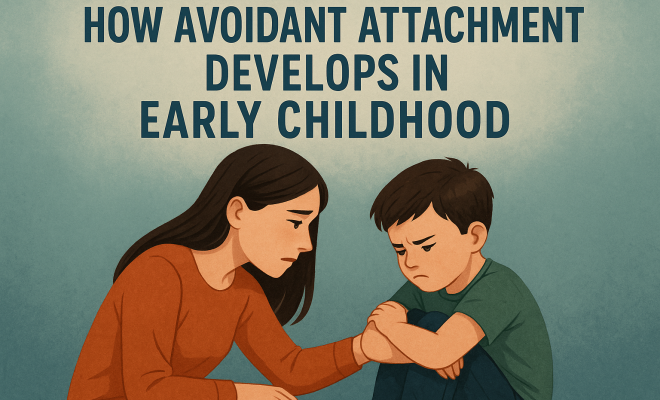
Avoidant attachment develops primarily due to a lack of responsive caregiving. When caregivers are consistently unresponsive or reject a child’s attempts to connect, the child learns that expressing needs or emotions is futile. This can be particularly prevalent in households where parents may be emotionally distant or overly critical.
As children seek comfort and reassurance from their caregivers, they may be met with indifference. Over time, this leads the child to suppress their emotional needs, internalizing the belief that seeking closeness is unsafe or unwelcome. This cycle sets the stage for avoidant attachment patterns that manifest later in life, affecting relationships, self-esteem, and emotional well-being.
Key Characteristics of Avoidant Attachment in Childhood
Children who display avoidant attachment behaviors often exhibit several key characteristics. These can include:
- Emotional Distance: They might avoid expressing feelings, appearing emotionally aloof or detached.
- Independence: They often pride themselves on self-sufficiency, shunning help from others, even when it’s needed.
- Avoidance of Intimacy: Relationships may feel uncomfortable, and they might struggle to form deep connections.
- Difficulty Expressing Needs: They may find it hard to articulate their needs in relationships, leading to frustration and unresolved conflicts.
These traits can hinder their social interactions and diminish the quality of their future relationships. Understanding these characteristics helps in recognizing avoidant attachment childhood and its long-term implications.
Real-Life Implications of Avoidant Attachment
The real-world consequences of avoidant attachment are profound and far-reaching. As children grow into adulthood, the patterns established during avoidant attachment childhood can contribute to various relationship dynamics and emotional issues. For instance, adults with avoidant attachment may find it challenging to maintain romantic relationships. They might keep partners at arm’s length, often fearing vulnerability or closeness. This builds on understanding special educators.
In professional settings, this attachment style can impact teamwork and communication. Individuals may struggle to collaborate, preferring to work alone to avoid potential conflict or emotional reliance on colleagues. This detachment can also hinder personal development, as emotional growth is often tied to our ability to connect deeply with others.
Recognizing Avoidant Attachment in Adults
Identifying avoidant attachment in adults requires a keen understanding of behavioral patterns. Signs include: (See: Attachment theory overview on Wikipedia.)
- Reluctance to Open Up: They may struggle to share thoughts or feelings with partners and friends.
- Avoiding Emotional Conversations: Discussions that involve vulnerability or intimacy might be met with discomfort or withdrawal.
- Perceived Self-Sufficiency: A strong belief that they don’t need anyone else, often at the expense of building meaningful connections.
- Fear of Commitment: They may enter relationships with trepidation, fearing that attachment will lead to pain.
By recognizing these signs, individuals can begin to address their attachment styles, paving the way for healthier relational patterns.
Breaking the Cycle: Strategies for Healing
Breaking free from the confines of avoidant attachment is not a simple task, but it is attainable with effort and reflection. Here are several strategies that can aid in this healing process:
- Therapeutic Engagement: Seeking therapy with a professional who understands attachment theory can provide invaluable insights and coping strategies.
- Mindfulness Practices: Engaging in mindfulness can help individuals become more aware of their feelings and responses, fostering emotional connection.
- Building Trust Gradually: Start with small, low-stakes relationships where vulnerability can be practiced in a safe environment.
- Open Communication: Learning to express feelings and needs in a supportive space can help mend communication barriers.
Implementing these strategies can facilitate growth and development, helping to dismantle avoidant patterns developed in childhood.
The Role of Parenting in Preventing Avoidant Attachment
For parents, understanding their role in shaping attachment styles is crucial. By fostering an environment of emotional availability and responsive caregiving, they can prevent the development of avoidant attachment. Strategies include: challenges in preschool education offers useful background here.
- Active Listening: Parents should actively listen to their child’s concerns, validating their feelings and needs.
- Encouraging Emotional Expression: Creating a safe space for children to express their emotions can build trust and connection.
- Consistent Support: Being consistently available during times of distress reinforces the notion that support is reliable and unconditional.
- Modeling Healthy Relationships: Demonstrating healthy relationships through their own interactions helps children learn how to form their own bonds.
These proactive measures can significantly shape children’s emotional development, steering them away from avoidant patterns.
Current Research and Trends in Attachment Theory
Recent studies in psychology and neuroscience continue to explore the nuances of attachment theory, shedding light on its complexities. Researchers have begun to investigate how cultural factors influence attachment styles and how different societies interpret emotional expression. For instance, collectivist cultures may foster different attachment dynamics compared to individualistic societies.
Additionally, there’s growing interest in how technology impacts attachment. For example, the rise of social media can alter the way individuals form connections, offering both challenges and opportunities for emotional engagement. Understanding these trends can help individuals navigate their relationships in a rapidly changing world.
Comparative Analysis of Attachment Styles
Understanding avoidant attachment in the context of other attachment styles can provide a richer perspective on interpersonal dynamics. For instance, secure attachment generally fosters healthy relationships characterized by trust and emotional availability. In contrast, anxious attachment may involve a hyper-focus on relationships, leading to dependency and fear of abandonment.
Research has shown that individuals with secure attachment styles are more adept at managing emotional distress and conflict in relationships. They communicate openly and can navigate the ups and downs of intimacy with greater ease. In contrast, those with avoidant attachment often withdraw during conflicts, leading to unresolved issues and further emotional distance.
Statistics show that approximately 25% of the population may exhibit avoidant attachment styles, which highlights the prevalence of this issue. On the other hand, studies suggest that around 50-60% of individuals can be classified as securely attached, underscoring the importance of nurturing secure relationships to counteract avoidant tendencies.
Recognizing these differences can be crucial for personal growth. Individuals with avoidant attachment may benefit from practicing behaviors typically associated with secure attachment, such as seeking support, expressing emotions, and fostering closeness with others. (See: Research on attachment styles and relationships.)
Real-World Examples of Avoidant Attachment
To better illustrate avoidant attachment, consider the example of Alex, a 30-year-old professional. Growing up, Alex’s parents were often preoccupied with their own issues, leaving him to fend for himself emotionally. As an adult, he finds relationships challenging. Although he wants to connect with others, his instinct is to pull away when things get too intimate.
In romantic relationships, Alex often chooses partners who are unavailable, mirroring his early experiences. When faced with conflict, he tends to shut down, leading to misunderstandings and a lack of resolution. Through therapy, Alex is learning to articulate his feelings and embrace vulnerability, which has started to shift his relational dynamics.
Another example is Sarah, who has a pattern of pushing friends away when they get too close. Raised in a household where emotions were dismissed, Sarah learned to prioritize independence over intimacy. By recognizing her avoidant behaviors, she’s begun to practice opening up to her friends about her fears, taking small steps toward building deeper connections.
Frequently Asked Questions (FAQ)
What is avoidant attachment childhood?
Avoidant attachment childhood refers to the formative experiences in a child’s life that shape their emotional responses and relationship patterns. Children who develop avoidant attachment often learn to suppress their emotional needs due to unresponsive or dismissive caregivers. We covered defining early childhood education in more detail.
How can avoidant attachment affect adult relationships?
Adults who experienced avoidant attachment in childhood may struggle with intimacy and trust in their relationships. They often keep partners at a distance, fear commitment, and have difficulty expressing their emotional needs, which can lead to conflicts and dissatisfaction in relationships.
Can avoidant attachment be changed?
Yes, avoidant attachment can change. Through therapy, self-reflection, and practicing new relational behaviors, individuals can work to develop a more secure attachment style. Strategies include seeking emotional support, practicing vulnerability, and improving communication skills.
Are there specific therapies for avoidant attachment?
Therapies such as Cognitive Behavioral Therapy (CBT), Emotionally Focused Therapy (EFT), and Attachment-Based Therapy specifically address attachment issues. These therapies help individuals understand their attachment styles and work towards healthier relationship patterns.
How can parents prevent avoidant attachment in their children?
Parents can prevent avoidant attachment by being emotionally available, responsive, and supportive. Encouraging open communication, validating feelings, and modeling healthy relationships can create a secure environment for children to express their emotions.
Signs of Avoidant Attachment in Adolescents
As children transition into adolescence, the traits associated with avoidant attachment may become more pronounced. Teens may exhibit behaviors such as:
- Social Withdrawal: They might prefer solitary activities over social engagements, avoiding situations where they might need to connect with peers.
- Difficulty in Close Friendships: Forming and maintaining close friendships can be a challenge, as they may push friends away when they sense emotional closeness.
- Avoidance of School Projects: Group work and collaborations can be particularly daunting, often leading to stress or refusal to participate.
- Low Self-Esteem: An underlying sense of low self-worth may emerge, contributing to a reluctance to seek help or engage with supportive peers.
Recognizing these signs can help parents and educators provide the necessary support and guidance to assist these adolescents in navigating their emotional challenges.
The Impact of Avoidant Attachment on Academic Performance
Avoidant attachment can have lasting effects on a child’s academic life. Students with avoidant attachment may struggle with collaboration in group projects or discussions, often preferring to work independently. This can lead to difficulties in learning environments that emphasize teamwork and peer interaction.
Additionally, students may experience heightened anxiety during presentations or class discussions, often fearing judgment or rejection. Research indicates that avoidance of collaboration can hinder not only academic performance but also the development of critical social skills necessary for future career success. (insights on childhood neuroscience)
A meta-analysis of studies on attachment styles and academic outcomes revealed that students with secure attachments tend to perform better academically and show greater resilience in the face of challenges. In contrast, those with avoidant attachment may exhibit lower grades and increased dropout rates.
If you identify with avoidant attachment traits, it’s important to implement effective coping strategies. Here are some practical approaches:
- Develop Self-Awareness: Take time to reflect on your emotional responses and recognize triggers that lead to avoidant behaviors. Journaling can be an effective tool for this.
- Practice Vulnerability: Start small by sharing minor personal experiences with trusted friends or family members. Gradually increase your comfort level with vulnerability.
- Engage in Support Groups: Connecting with others who share similar experiences can provide a sense of community and understanding. Support groups can be especially beneficial in normalizing your feelings.
- Seek Professional Help: A therapist specializing in attachment styles can provide tailored support and strategies to navigate your unique challenges.
Implementing these coping strategies can facilitate a smoother transition toward healthier relationships and emotional well-being.
Conclusion: Embracing Change
Avoidant attachment childhood lays the groundwork for various emotional and relational challenges in adulthood. However, recognizing these early patterns provides a pathway to healing. By fostering emotional intelligence, encouraging open communication, and engaging in therapeutic practices, individuals can cultivate deeper connections and break free from the chains of avoidant attachment.
The journey from avoidant attachment to secure connection isn’t easy, but it’s a journey worth embarking on. As you gain insight into your emotional patterns, you’ll find strength in vulnerability and the possibility of forming genuine, fulfilling relationships.
“`
Trending Now
Frequently Asked Questions
What is avoidant attachment in childhood?
Avoidant attachment in childhood refers to a pattern where children learn to distance themselves emotionally from caregivers. This attachment style develops when caregivers are emotionally unavailable or dismissive, leading children to minimize their needs for emotional connection and struggle with trust and intimacy in relationships.
How does avoidant attachment develop?
Avoidant attachment develops primarily due to a lack of responsive caregiving. When caregivers consistently ignore or reject a child's emotional needs, the child learns that expressing feelings is futile, leading to emotional suppression and difficulties in forming close relationships later in life.
What are the effects of avoidant attachment on adult relationships?
Adults with avoidant attachment often find it challenging to form close bonds, struggle with intimacy, and may be emotionally distant in relationships. Their early experiences may lead them to prioritize self-sufficiency over connection, resulting in difficulties in trusting partners and sharing emotions.
What is the role of caregivers in developing attachment styles?
Caregivers play a crucial role in developing attachment styles. Responsive and nurturing caregiving fosters secure attachment, while emotionally unavailable or critical caregiving can lead to avoidant attachment. The dynamics between a child and caregiver significantly shape the child's future emotional and social interactions.
Can avoidant attachment be changed in adulthood?
Yes, while avoidant attachment patterns can be deeply ingrained, they can be changed in adulthood. Therapeutic interventions, self-awareness, and building healthy relationships can help individuals understand and alter their attachment styles, leading to improved emotional connections and intimacy.
What's your take on this? Share your thoughts in the comments below — we read every one.