How to cook pasta al dente
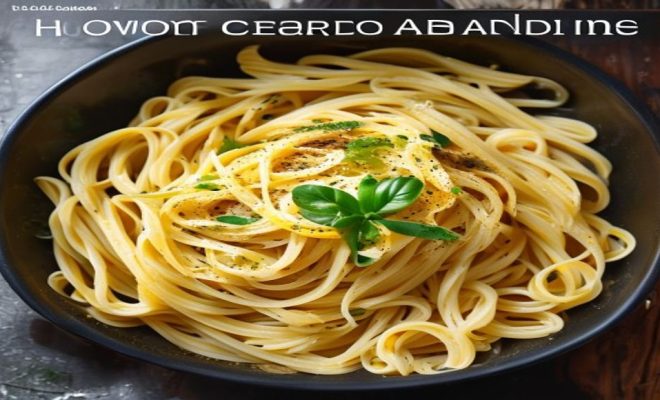
“`html
Cooking pasta al dente is a culinary skill that can elevate your pasta dishes from average to extraordinary. Most pasta lovers agree that the best texture is firm but tender, providing that satisfying bite. In this comprehensive guide, we’ll explore everything you need to know to master the art of cooking pasta al dente, from understanding the science behind it to practical tips and techniques that you can implement in your kitchen.
1. Understanding Al Dente
Al dente, which translates from Italian to “to the tooth,” refers to the perfect texture of pasta where it is cooked just enough to retain a slight firmness in the center. When you bite into al dente pasta, you should experience a gentle resistance rather than mushiness. The difference between al dente and overcooked pasta might seem subtle, but it’s significant for both texture and flavor absorption.
Cooking pasta al dente is not only about texture; it also significantly affects the nutritional value. Overcooked pasta can lead to a higher glycemic index, which means it can spike your blood sugar levels faster than al dente pasta. Therefore, achieving that perfect al dente texture is essential for both culinary and health reasons.
2. The Science of Cooking Pasta
To cook pasta al dente, it’s essential to understand how pasta cooks. Pasta is made primarily of semolina flour and water, which gives it its structure. When you place dry pasta in boiling water, the starches begin to gelatinize, absorbing water and swelling. This process is crucial to achieving the right texture. When the pasta reaches its ideal doneness, the outer layer becomes soft while the core remains firm.
The cooking time depends on the type of pasta you are using, but a good rule of thumb is to start checking a minute or two before the package instructions suggest. Remember that pasta continues to cook even after you remove it from the heat, so timing is critical.
3. Essential Ingredients and Tools
To cook pasta al dente successfully, you need a few essential ingredients and tools. The star ingredient is, of course, the pasta itself. Italian brands often produce higher-quality pasta, which can make a difference in texture and flavor. Additionally, you’ll need ample water for boiling. A general guideline is to use about four to six quarts of water for every pound of pasta.
Alongside your ingredients, the tools you use are equally important. A large pot is necessary to ensure pasta cooks evenly, while a colander will help strain the pasta post-cooking. A timer is invaluable for keeping track of cooking times, and a tasting spoon will allow you to test for doneness.
4. The Boiling Process
The boiling process is where the magic happens. Start by filling a large pot with water and bringing it to a rolling boil. Adding a generous amount of salt (about a tablespoon per liter of water) is crucial as it not only seasons the pasta but also enhances the overall flavor of the dish. Once the water is boiling, add the pasta and stir immediately to prevent sticking.
During cooking, it’s essential to stir occasionally. This prevents the pasta from clumping together and ensures even cooking. After the initial cooking time, begin testing the pasta for doneness. Pull out a piece and bite into it to see if it has that perfect al dente texture. If it’s still too firm, give it another minute before checking again.
5. Tasting for Doneness
Tasting is perhaps the most important step in cooking pasta al dente. There’s no substitute for knowing how the pasta should feel and taste. At the two-minute mark before the suggested cooking time, begin tasting the pasta. Look for a core that is still slightly firm, giving it a pleasant bite. If it feels too soft or mushy, it’s likely overcooked.
Keep in mind that different types of pasta have varying cooking times. For example, spaghetti and linguine generally cook faster than thicker varieties like rigatoni or fusilli. Always check the packaging for specific times, but remember your taste test is the best indicator. (See: Nutritional value of pasta cooking.)
6. Draining and Rinsing
Once you’ve reached the desired al dente texture, it’s time to drain the pasta. Use a colander to remove the pasta from the boiling water, but do not rinse it under cold water unless specified in the recipe. Rinsing washes away the starch that helps sauces adhere, potentially leaving you with slippery, bland pasta.
If you’re preparing a cold pasta salad, however, rinsing can help stop the cooking process and cool the pasta down quickly. In this case, ensure you drain it well to avoid excess water diluting your dressing.
7. Pairing Sauces with Al Dente Pasta
Choosing the right sauce for your al dente pasta can make all the difference in your dish. Lighter sauces, such as olive oil or marinara, pair beautifully with the texture of al dente pasta, allowing you to savor each bite. Creamy sauces, on the other hand, cling to the pasta and can mask its flavor if not balanced well.
When tossing pasta with sauce, consider adding a splash of the starchy cooking water. This helps emulsify the sauce, ensuring it clings to the pasta while enhancing the flavor. Remember, the goal is to complement the pasta, not overpower it.
8. Common Mistakes to Avoid
Even seasoned cooks can make mistakes when attempting to cook pasta al dente. One of the most common errors is not using enough water. Insufficient water can lead to uneven cooking and sticky pasta. Another mistake is adding oil to the boiling water, which can prevent the sauce from adhering to the pasta.
Additionally, many people forget to salt the water properly. Salting the water not only enhances the flavor of the pasta but also helps it cook evenly. Lastly, avoid the temptation to overcook your pasta just because you think it will be easier to eat. Trust your instincts and taste regularly for the best results.
9. Reheating Al Dente Pasta
Reheating pasta while maintaining that al dente texture can be tricky. The key is to avoid boiling it again, as this will lead to mushiness. Instead, consider using a microwave with a splash of water to steam the pasta, or reheat it in a sauce over low heat, adding a bit of the starchy cooking water to revive it.
If you’re looking to save time, you can also cook your pasta al dente and then toss it in a bit of olive oil to prevent sticking. Store it in an airtight container in the refrigerator, and when you’re ready to use it, reheat it gently to restore its delightful texture.
10. Current Trends in Pasta Cooking
As the culinary world evolves, so do the techniques and preferences surrounding pasta cooking. Recently, there’s been a surge in interest regarding whole grain and gluten-free pastas. These alternatives can present challenges when it comes to achieving the al dente texture, as they often have different cooking times and water absorption rates.
Furthermore, plant-based diets have led to a rise in pasta made from legumes or vegetables, which can also require a slightly different approach. The quest for the perfect pasta al dente has never been more varied, and as you explore these options, keep in mind the fundamental principles that govern the cooking process.
11. Exploring Different Types of Pasta
There’s a whole world of pasta out there, and different types have unique characteristics that can affect how you cook them al dente. For instance, fresh pasta cooks much faster than dried pasta. Fresh egg noodles can be ready in just a couple of minutes, making them a great choice for a quick meal.
On the other hand, whole wheat pasta has a denser structure, and it often takes a bit longer to reach that perfect al dente texture. With whole wheat pasta, you might need to add an extra minute or two to the cooking time compared to regular pasta. Understanding these differences can help you navigate your cooking process more effectively.
12. Health Benefits of Al Dente Pasta
Cooking pasta al dente not only enhances the sensory experience of eating but also comes with health benefits. Al dente pasta has a lower glycemic index than overcooked pasta, which translates to a slower release of glucose into the bloodstream. This can be particularly important for individuals managing blood sugar levels. (See: Science of pasta cooking methods.)
Additionally, al dente pasta retains more nutrients compared to its overcooked counterpart. Cooking pasta just until it’s al dente can help preserve vitamins and minerals that may be lost during prolonged cooking. If you’re looking for a healthier option, consider incorporating whole grain or legume-based pastas, as they provide additional fiber and protein.
13. Regional Pasta Cooking Techniques
Pasta cooking techniques vary widely across different regions of Italy, and these differences can influence how pasta is prepared and served. For example, in the northern regions, you might find pasta served with cream-based sauces, while in the south, olive oil and tomato-based sauces reign supreme. Each region has its own traditional approach to achieving that perfect al dente texture.
In Naples, for instance, the focus is on the quality and type of flour used, emphasizing pasta made with durum wheat. In contrast, in Bologna, the emphasis may be on using fresh ingredients and slow cooking methods that allow the flavors to develop fully while still maintaining that all-important al dente texture.
14. Expert Tips for Perfecting Al Dente Pasta
Learning from seasoned chefs can give you insights into the nuances of cooking pasta al dente. Many professional chefs recommend tasting the pasta frequently during the cooking process, as personal preference plays a significant role in determining doneness. Some chefs even advocate for a “one-minute rule,” where you subtract one minute from the package cooking time for a more precise outcome.
Another technique offered by culinary experts is to reserve some pasta cooking water before draining. This starchy water can be a game-changer when it comes to achieving the right sauce consistency and flavor. Just remember to add it gradually to avoid an overly watery sauce.
15. Frequently Asked Questions (FAQ)
Q1: How do I know if my pasta is cooked al dente?
A1: The best way to determine if pasta is al dente is to taste it. Look for a slight firmness in the center when bitten into, and avoid mushiness or excessive softness.
Q2: Can I cook pasta al dente ahead of time?
A2: Yes, you can cook pasta al dente ahead of time. Just toss it with a bit of olive oil to prevent sticking and store it in the refrigerator. Reheat gently when ready to use.
Q3: What should I do if I accidentally overcook my pasta?
A3: If your pasta becomes overcooked, you can try to salvage it by mixing it with a rich sauce that can mask the texture. Alternatively, consider turning it into a pasta bake or another dish where the softer texture won’t be as noticeable.
Q4: Is it possible to cook gluten-free pasta al dente?
A4: Yes, but gluten-free pasta requires careful attention as it can behave differently than wheat-based pasta. Follow the package instructions closely and taste frequently to ensure it reaches the desired al dente texture.
Q5: What is the best type of pasta for achieving al dente?
A5: Dried pasta made from durum wheat is often considered the best for achieving al dente. Brands that emphasize quality will provide better results. Experimenting with different types can also yield delicious outcomes!
16. The Cultural Significance of Pasta
Pasta is more than just a food; it’s a significant part of Italian culture and identity. Each region boasts its own traditional recipes, often passed down through generations. For instance, in Italy, Sunday dinners are often centered around a hearty pasta dish, reflecting the importance of family and communal meals. (See: Healthy diet and glycemic index.)
Notably, pasta’s versatility allows it to adapt to various cultural cuisines worldwide. In Asia, rice noodles serve a similar purpose, and in Middle Eastern cuisine, you might find dishes featuring pasta as well. This cultural integration of pasta showcases its global appeal and adaptability in different culinary contexts.
17. Innovative Pasta Dishes to Try
Thinking outside the box can lead to exciting new pasta dishes that still embrace the al dente principle. Consider fusion recipes like Asian-inspired pasta salads featuring soba noodles tossed with sesame dressing, or a taco pasta bake combining traditional Italian pasta with Mexican flavors like ground beef, taco seasoning, and cheese.
For a healthier twist, try spiralizing vegetables like zucchini or carrots to create vegetable noodles that can be cooked al dente and topped with your favorite sauces. This not only adds nutritional value but also offers a unique texture and flavor profile to your meals.
18. The Economics of Pasta
Pasta is one of the most affordable and accessible foods globally, which contributes to its popularity. The price of dried pasta can vary based on quality, brand, and type, but it remains a staple for many households. In the U.S., the average cost of dried pasta ranges from $1 to $3 per pound, making it an economical meal option.
Moreover, the production of pasta has environmental implications. Traditional pasta made from durum wheat is generally more sustainable than gluten-free alternatives, which often require more resources to produce. Understanding these economic factors can influence purchasing decisions, promoting a balance between quality, sustainability, and cost.
19. Cooking Pasta with Kids
Cooking pasta can be a fantastic family activity, especially if you involve kids in the process! It provides an opportunity to teach them about measuring ingredients, boiling water safely, and even the importance of timing in cooking. Make it fun by allowing them to choose their favorite shapes or sauces and experiment with different combinations.
Encouraging kids to participate can also foster a love for cooking and healthy eating. You might even turn it into a weekly family night where everyone gets involved in creating different pasta dishes, reinforcing teamwork and communication skills.
20. Final Thoughts on Cooking Pasta Al Dente
Whether you’re a seasoned chef or a home cook, mastering how to cook pasta al dente opens up a world of culinary possibilities. It’s about more than just the technique; it’s about the joy of sharing delicious meals with family and friends. With the right techniques, attention to detail, and a little practice, you’ll impress your family and friends with perfectly cooked pasta every time.
“`
Trending Now
Frequently Asked Questions
What does al dente mean in cooking?
Al dente is an Italian term that translates to 'to the tooth.' It refers to pasta that is cooked just enough to retain a slight firmness in the center, providing a satisfying bite without being mushy.
How do you know when pasta is al dente?
To determine if pasta is al dente, taste a piece a minute or two before the package's suggested cooking time. It should be tender but still provide a slight resistance when bitten into.
Why is al dente pasta better for you?
Cooking pasta al dente preserves its structure, resulting in a lower glycemic index compared to overcooked pasta. This means it can help prevent rapid spikes in blood sugar levels, making it a healthier option.
What is the best way to cook pasta al dente?
To cook pasta al dente, boil salted water, add the pasta, and start checking for doneness a minute or two before the package instructions suggest. Remember that pasta continues to cook after being removed from heat.
Can you fix overcooked pasta?
Once pasta is overcooked, it's challenging to restore its texture. However, you can try adding it to a sauce for a few minutes to soften it further or use it in baked dishes where the texture is less critical.
What's your take on this? Share your thoughts in the comments below — we read every one.