Mastering Ganache: A Simple Guide to Perfect Chocolate Cream
“`html
Ganache is more than just a fancy term for chocolate frosting; it’s a culinary staple that can elevate your desserts to an entirely new level. Whether you’re planning to drizzle it over cakes, dip truffles, or create a luscious filling for pastries, knowing how to make ganache opens up a world of possibilities in the kitchen. In this guide, we’ll explore everything you need to know about ganache—from its origins to its versatile uses and detailed step-by-step instructions.
1. What is Ganache?
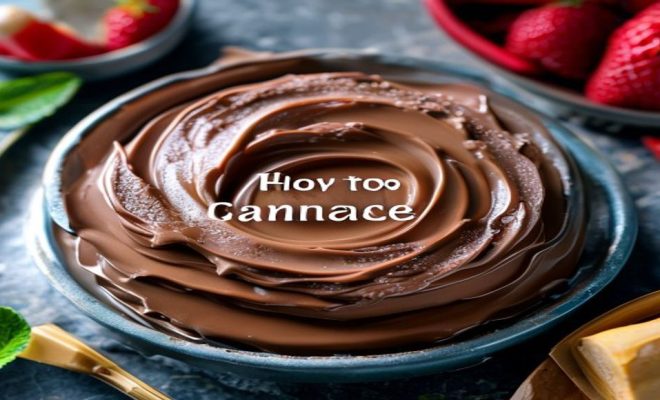
Ganache is a rich, creamy mixture of chocolate and cream that can be used in various ways in desserts. At its simplest, it’s a combination of two ingredients: chocolate and heavy cream. The ratio of chocolate to cream can vary based on your desired consistency, making ganache incredibly versatile. When prepared correctly, it can be smooth and glossy, perfect for glazing cakes or drizzling over desserts.
The origins of ganache are somewhat unclear, but it’s widely believed to have originated in France. Some stories suggest that it was created by accident when a pastry chef accidentally poured hot cream over chocolate. Regardless of its backstory, it quickly became a popular component in pastry-making and has since become a fundamental recipe in both professional and home kitchens.
2. The Science Behind Ganache
Understanding how to make ganache involves not just following a recipe but also grasping the science behind its ingredients. Chocolate contains cocoa solids, cocoa butter, sugar, and sometimes milk solids. When you mix it with cream, the heat helps to melt the chocolate, allowing the fats in the chocolate to emulsify with the cream. This process creates a smooth, cohesive mixture that sets as it cools, resulting in a silky texture.
The type of chocolate you choose can dramatically affect the flavor and texture of your ganache. Dark chocolate provides a rich, intense flavor, while milk chocolate offers a sweeter, creamier profile. White chocolate, made from cocoa butter, sugar, and milk solids, results in a sweeter, less complex flavor. Understanding these differences is key when deciding how to make ganache that suits your personal taste and recipe requirements.
3. Essential Ingredients for Ganache
To start with, you’ll need just two primary ingredients: chocolate and heavy cream. However, there are variations that can enhance your ganache depending on your needs. Here’s a breakdown:
- Chocolate: Choose high-quality chocolate for the best flavor. Baking chocolate, couverture chocolate, or even chocolate chips can all work.
- Heavy Cream: Use heavy whipping cream (at least 36% fat) to achieve a rich texture. The fat content is crucial for emulsification.
- Flavorings: You can infuse flavor by adding vanilla extract, espresso powder, liqueurs, or spices. These additions can transform your ganache into something uniquely yours.
- Butter: Adding a bit of unsalted butter at the end can give your ganache a glossy finish and a richer taste.
4. Basic Recipe: How to Make Ganache
Now, let’s get into the nitty-gritty of how to make ganache. This basic recipe will yield a lovely, pourable ganache that you can use for drizzling or glazing. Here’s what you’ll need:
- 8 ounces of chocolate (chopped or in chips)
- 1 cup of heavy cream
Here’s how to make it:
- Heat the Cream: In a saucepan, heat the heavy cream over medium heat until it just starts to simmer. Keep an eye on it, as you don’t want it to boil over.
- Pour over Chocolate: Once the cream is hot, pour it over the chopped chocolate in a heatproof bowl. Make sure all the chocolate is submerged in the cream.
- Let it Sit: Allow the mixture to sit for about 5 minutes. This allows the heat of the cream to melt the chocolate properly.
- Stir Until Smooth: Using a whisk or spatula, gently stir the mixture from the center outward until it’s completely smooth and combined.
- Cool and Use: Let your ganache cool at room temperature. It will thicken as it cools, and you can use it as desired.
5. Variations in Ganache Consistency
Your ganache can have different consistencies based on the ratio of chocolate to cream. Here are a few common variations:
- Pourable Ganache: This is achieved with a 1:1 ratio of chocolate to cream. Perfect for glazing cakes or as a sauce.
- Truffle Ganache: For a thicker consistency suitable for truffles, use a 2:1 ratio. This makes the ganache firm enough to scoop and roll into balls.
- Filling Ganache: A 1:2 ratio (one part chocolate, two parts cream) results in a softer filling ideal for cakes and pastries.
By adjusting these ratios, you can achieve the perfect ganache consistency for any dessert project. Experiment to find what works best for your recipes. (See: Wikipedia entry on ganache.)
6. Common Mistakes When Making Ganache
Even simple recipes can lead to mishaps in the kitchen. Here are some common mistakes to avoid when learning how to make ganache:
- Using Low-Quality Chocolate: It’s tempting to save money by buying cheaper chocolate, but this can drastically affect the flavor and texture of your ganache.
- Boiling the Cream: You want the cream to be hot but not boiling. Boiling can cause your ganache to separate and become grainy.
- Not Letting it Rest: Skipping the resting time after pouring cream over the chocolate can lead to incomplete melting, resulting in a lumpy texture.
- Forgetting to Stir Properly: Stirring too vigorously can incorporate air, leading to a ganache that lacks the desired smooth texture.
By being mindful of these pitfalls, you’ll be well on your way to mastering the art of ganache.
7. Creative Uses for Ganache
Once you’ve learned how to make ganache, the next step is figuring out how to use it. Here are some creative applications:
- Glazing: Pour ganache over cakes or cupcakes for a shiny, professional finish.
- Fillings: Use ganache as a filling for chocolate truffles or pastries. The thickness of the ganache can be adjusted to suit your needs.
- Frosting: Whip cooled ganache to create a fluffy frosting that can be spread on cakes.
- Drizzles: Thin ganache with additional cream for a drizzle over ice cream or desserts.
- Chocolate Sauce: Serve as a warm chocolate sauce for dipping fruits or drizzling over desserts.
The possibilities are endless! With ganache, you can turn everyday desserts into something extraordinary.
8. Storing and Reheating Ganache
If you find yourself with leftover ganache, you’re in luck! Ganache can be stored in the refrigerator for up to two weeks. To store, simply transfer it to an airtight container and refrigerate. When you’re ready to use it again, gently reheat it in a microwave or over a double boiler. Be sure to stir frequently to avoid overheating and separation.
For ganache that has thickened too much, you can add a bit of warmed cream and stir until reaching the desired consistency.
9. Common Variations of Ganache
While the classic ganache is a simple blend of chocolate and cream, there are several mouthwatering variations you can try. These options allow you to customize the flavor profile or adapt the ganache for different uses: Related reading: baked treats.
- Flavored Ganache: Incorporate extracts such as almond, orange, or peppermint to add an unexpected twist. A tablespoon of flavored liqueur, like Grand Marnier or Kahlúa, can impart a delightful adult flavor.
- Spiced Ganache: Stir in spices like cinnamon, nutmeg, or chili powder for warmth and complexity. This is especially good for autumn-inspired desserts or Mexican chocolate flavors.
- Fruit Ganache: Infuse the cream with fruit purees or zest before mixing it with the chocolate. Raspberry or passionfruit ganache can bring a refreshing brightness to your desserts.
- Vegan Ganache: Substitute coconut cream or almond milk for heavy cream, and use dairy-free chocolate. This variation is just as rich and delicious, perfect for vegan desserts.
10. Frequently Asked Questions About Ganache
Learning how to make ganache can spark a lot of questions, especially for beginners. Here are some of the most common queries along with detailed answers:
What type of chocolate is best for ganache?
While you can use any chocolate, semi-sweet or dark chocolate is preferred for a rich ganache. Milk chocolate gives a sweeter flavor, while white chocolate is less complex. Aim for chocolate with at least 60% cocoa content for the best results.
Can I use flavored chocolate for ganache?
Absolutely! Flavored chocolates can add another dimension to your ganache. Just be cautious about the flavor balance, as some flavored chocolates may be sweeter or more intense than regular chocolate.
Why is my ganache separating?
Ganache can separate if the cream is too hot or if too much air is introduced while stirring. To fix separated ganache, gently reheat it while stirring continuously. If necessary, you can also blend it with an immersion blender to recombine the ingredients.
How do I adjust the consistency of ganache?
If your ganache is too thick, you can stir in a bit of warmed cream to thin it out. Conversely, if it’s too thin, you can try chilling it to thicken or adding more melted chocolate to reach your desired consistency. (See: CDC Nutrition resources.)
Can I freeze ganache?
Yes, ganache can be frozen. Just ensure it’s in an airtight container. When you’re ready to use it, thaw it in the refrigerator overnight and then reheat gently.
11. Expert Tips for Perfect Ganache
To further enhance your ganache-making skills, consider these expert tips from professional bakers:
- Use a thermometer: If you’re serious about getting the perfect temperature for your cream, use a thermometer to ensure it reaches around 190°F (88°C) without boiling. This precision can lead to smoother ganache.
- Chop chocolate finely: The smaller the chocolate pieces, the easier they will melt. This results in a creamier texture with fewer lumps.
- Be patient: Allowing the ganache to sit undisturbed can make a significant difference. It ensures that the chocolate melts fully without overheating.
- Experiment with emulsifiers: For an even shinier ganache, consider adding a small amount of corn syrup or glucose. These ingredients can enhance the texture and shine of your ganache.
12. Final Thoughts on Ganache
Learning how to make ganache is a valuable skill that can transform your baking endeavors. With its versatility and rich flavor, ganache can be the secret ingredient that takes your desserts to new heights. Whether you’re drizzling it over a cake, using it as a filling, or making delicious truffles, mastering ganache opens a door to countless culinary possibilities. So, grab your chocolate and cream, and start experimenting—your taste buds will thank you!
13. Ganache Around the World
Ganache isn’t just confined to French pastry shops; it has made its way into the culinary traditions of many cultures. In Italy, for example, ganache is often used in making rich tiramisu, where it’s layered with coffee-soaked ladyfingers. The balanced flavor of the chocolate ganache complements the bitterness of the coffee, creating a delicious harmony.
In the United States, ganache is frequently featured in elaborate wedding cakes, where its smooth texture and rich taste provide a stunning finish. Many bakers opt for ganache drips on their cakes, which not only looks elegant but also adds a burst of chocolate flavor in every bite.
Across Latin America, variations of ganache are used in traditional desserts like chocolate alfajores, where the rich filling is sandwiched between two cookies. The versatility of ganache allows it to be adapted to various ingredients and flavor profiles, making it a favorite in global cuisine.
14. Pairing Flavors with Ganache
When making ganache, it’s essential to consider the flavors that will accompany it. Pairing your ganache with complementary flavors can elevate your dessert significantly. Here are some ideas:
- Citrus: The brightness of citrus, such as orange or lemon, contrasts beautifully with the richness of chocolate. Consider adding citrus zest to your ganache or serving it with a citrus-flavored cake.
- Berries: Fresh berries like raspberries, strawberries, or blueberries add a tartness that balances the sweetness of ganache. A raspberry coulis drizzled over chocolate ganache creates a visually stunning and delicious dessert.
- Nuts: Chopped nuts, such as hazelnuts or almonds, can provide a lovely crunch and nutty flavor to ganache-filled pastries. A sprinkle of toasted nuts on top can also add an extra layer of texture.
- Spices: Explore various spices to enhance the flavor of your ganache. Cinnamon, cardamom, and even a hint of cayenne can provide warmth and complexity to your chocolate creations.
15. Ganache in Baking Competitions
In the world of competitive baking, ganache often plays a starring role. Many baking competitions, from local bake-offs to prestigious shows like “The Great British Bake Off,” showcase contestants’ skills in mastering ganache. Contestants frequently use ganache to demonstrate their ability to create smooth, glossy finishes and complex flavor profiles.
Judges often look for the technical execution of ganache, including its sheen, texture, and integration with other elements in the dessert. A well-executed ganache can make or break a dish, serving as a testament to a baker’s attention to detail and understanding of chocolate.
For aspiring bakers, mastering ganache is an essential step in standing out in these competitions. With practice, you can refine your technique to ensure that your ganache consistently impresses in both flavor and presentation. (See: New York Times ganache recipe.)
16. Exploring Ganache Alternatives
While ganache is a beloved chocolate staple, you might be curious about alternatives that can achieve similar textures and flavors. Here are some options to consider:
- Chocolate Mousse: While mousse involves additional ingredients like egg whites, it creates a light and airy texture that can be used in similar ways to ganache. It’s delicious as a filling or standalone dessert.
- Chocolate Pudding: For a creamy, custard-like consistency, chocolate pudding offers a sweet and smooth alternative. It’s great for layering in desserts or eating on its own.
- Fudge Sauce: A more decadent and thicker option, fudge sauce is excellent for pouring over ice cream or cakes. It’s often made with sweetened condensed milk for a richer flavor.
- Coconut Cream Ganache: For a dairy-free option, you can use coconut cream instead of heavy cream. This variation adds a subtle coconut flavor, perfect for tropical-themed desserts.
17. FAQs about Ganache Continued
Can I make ganache ahead of time?
Yes, you can prepare ganache ahead of time and store it in the refrigerator. Just remember to bring it back to room temperature before using it, and if necessary, gently reheat it to restore its pourable consistency.
How do I know when my ganache is ready to use?
Your ganache is ready to use when it is smooth, glossy, and has reached a consistency suitable for your project—whether that’s pourable for glazing or firm for truffles. You can test it by drizzling a small amount over a plate to see how it flows.
Can I use ganache for layer cakes?
Absolutely! Ganache works beautifully as both a filling and frosting for layer cakes. Just ensure that your ganache is at the right consistency for frosting—typically, a slightly whipped ganache achieves the best results for a fluffy texture.
Why did my ganache turn grainy?
Graininess often occurs if the chocolate overheats or if the cream is boiling when added. To prevent this, avoid overheating the cream and allow the chocolate to melt gently. If your ganache turns grainy, you can try re-melting it gently with a bit more cream.
What should I do if my ganache is too sweet?
If your ganache is too sweet, consider incorporating a bit of unsweetened chocolate or adding a pinch of salt. This can help balance the sweetness without compromising the overall texture.
18. Final Insights on Mastering Ganache
Mastering how to make ganache is a rewarding experience that can bring your dessert creations to a whole new level. With its rich flavor, silky texture, and endless versatility, ganache is a skill that every baker should have in their repertoire. From learning the basic recipe to experimenting with flavors and using it in various desserts, ganache offers a wealth of possibilities to explore. So, whether you’re a novice baker or a seasoned pro, don’t hesitate to dive into the world of ganache—your desserts will undoubtedly shine brighter with this delightful chocolate creation!
“`
Trending Now
Frequently Asked Questions
What is ganache made of?
Ganache is primarily made of two ingredients: chocolate and heavy cream. The ratio of these ingredients can vary depending on the desired consistency, allowing for versatility in its use, from glazes to fillings.
How do you make ganache?
To make ganache, heat heavy cream until it's just about to boil, then pour it over chopped chocolate. Let it sit for a few minutes before stirring until smooth. Adjust the chocolate-to-cream ratio for different consistencies.
What are the uses of ganache?
Ganache can be used in various ways, including as a glaze for cakes, a filling for pastries, or a dip for truffles. Its rich texture and flavor make it a popular choice in dessert-making.
Can you use different types of chocolate for ganache?
Yes, you can use dark, milk, or white chocolate to make ganache. Each type will provide a different flavor profile, with dark chocolate offering a rich taste, while milk chocolate is sweeter and creamier.
Where did ganache originate?
The exact origins of ganache are unclear, but it is widely believed to have originated in France. Some stories suggest it was created by accident when hot cream was poured over chocolate by a pastry chef.
What's your take on this? Share your thoughts in the comments below — we read every one.