How to whip cream
“`html
Whipping cream can elevate your culinary creations, adding a light, airy texture and a touch of sweetness to desserts, drinks, and more. Whether you’re topping a slice of pie or creating a luxurious mousse, knowing how to whip cream effectively is a fundamental skill every home cook should master. In this comprehensive guide, we’ll explore nine essential tips that will help you whip cream like a pro, along with background information, practical insights, and current relevance.
1. Understanding the Basics of Cream
Before diving into the techniques of whipping cream, it’s crucial to understand the different types of cream available. Heavy cream (or heavy whipping cream) typically contains at least 36% fat, making it ideal for whipping. Light cream, which has about 18-30% fat, won’t whip properly and is better suited for recipes where creaminess is required without the need for volume.
The fat content is key here; the higher the fat content, the more stable your whipped cream will be. When you learn how to whip cream, keep in mind that factors like temperature and equipment can also influence the process. Cream should be cold, as this helps it whip faster and holds the air better. For optimal results, consider chilling your mixing bowl and beaters in the refrigerator for 15-20 minutes prior to whipping.
2. Choosing the Right Equipment
To successfully whip cream, the right equipment can make all the difference. While a hand whisk is an option, using an electric mixer, either a stand mixer or a hand-held one, is much more efficient and saves time.
For those who prefer a manual approach, a whisk can work, but it requires more effort and can be tiring. If you go this route, use a large bowl and whisk vigorously in a circular motion. If you have the option, consider using a whisk attachment on your mixer, as this will incorporate air more effectively and produce fluffier results.
3. Perfecting the Technique
Knowing how to whip cream involves more than just turning on the mixer. Start by pouring the cold heavy cream into your mixing bowl. If you want to add flavorings, like vanilla extract or sugar, do so before starting the mixer. The sugar can help stabilize the whipped cream while also sweetening it to your preference.
Begin mixing on a low speed to avoid splatters, gradually increasing the speed as the cream thickens. You’ll notice the cream starts to form soft peaks, which means it’s ready to be used for toppings. For stiffer peaks, continue whipping until you reach your desired consistency, but be careful not to over-whip, or you’ll end up with butter!
4. Understanding Peaks: Soft vs. Stiff
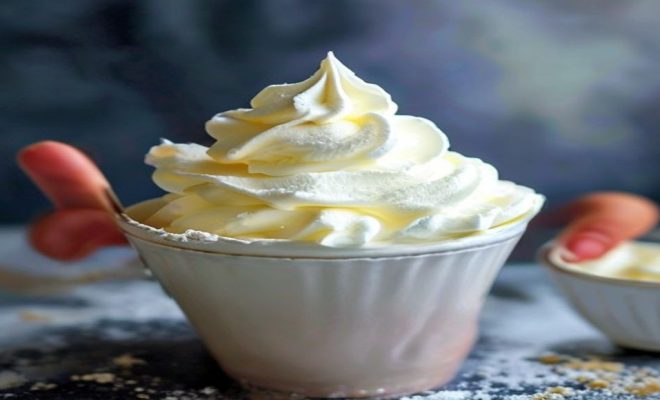
In the world of whipped cream, the terms “soft peaks” and “stiff peaks” are crucial. Soft peaks occur when you lift your whisk or beaters from the whipped cream and the peaks bend over, forming a gentle curve. This texture is perfect for dolloping on desserts.
Stiff peaks, on the other hand, stand straight up when you remove the whisk. This consistency is ideal for frostings and mousses, as it holds its shape better. To achieve stiff peaks, continue whipping beyond the soft peak stage, but be cautious; over-whipping can lead to grainy cream or, worse, turning it into butter.
5. Common Mistakes to Avoid
Even experienced cooks can make mistakes when learning how to whip cream. One common error is using warm cream; starting with cold cream is essential for the best results. Another mistake is not using the right mixing speed; starting too high can cause splattering, while too low can prolong the process. (See: Understanding different types of cream.)
Over-whipping is another pitfall. Once you notice stiff peaks forming, stop immediately to avoid turning your cream into butter. Additionally, if you’re using additives like sugar or vanilla, make sure to incorporate them at the right time—before the cream is whipped, not after. This will ensure even distribution and effective sweetening.
6. Stabilizing Your Whipped Cream
Stabilizing whipped cream can extend its life, making it hold its shape for longer periods, which is especially useful for layered cakes or desserts that need to sit for a while. There are several methods to stabilize your whipped cream. One popular method is to add powdered sugar, which contains cornstarch that helps maintain structure.
Another option is to incorporate gelatin; lightly bloom it in water and add it to the cream just as it begins to thicken. There are also commercial products available that can be mixed in for stabilization. Understanding these techniques is vital for anyone serious about how to whip cream effectively.
7. Creative Uses for Whipped Cream
Whipped cream isn’t just for topping desserts—it’s versatile and can be used in various recipes. Use it to create fluffy frostings, mousse bases, or even as a filling for pastries. You can also fold it into batters for cakes and pancakes for a lighter texture.
Moreover, consider making flavored whipped cream by incorporating different extracts or spices. Chocolate whipped cream, for example, can add a decadent touch to your desserts, while citrus zest can provide a refreshing twist. The possibilities are endless, and knowing how to whip cream opens up a world of culinary creativity.
8. Healthier Alternatives to Traditional Whipped Cream
For those looking to lighten things up, there are healthier alternatives to traditional whipped cream. Coconut cream is a popular substitute; it whips up beautifully and offers a unique flavor. Simply chill a can of coconut milk overnight, then scoop out the solidified cream and whip it as you would heavy cream.
Another option is whipped topping, often found in grocery stores, which can be lower in calories. However, always check labels, as some brands can contain high-fructose corn syrup or other additives. By experimenting with these alternatives, you can enjoy whipped cream while maintaining a balanced diet.
9. Current Trends in Whipped Cream
In recent years, whipped cream has seen a resurgence in popularity, especially with the rise of social media food trends. From whipped coffee to extravagant dessert toppings, the art of whipping cream continues to inspire home cooks and chefs alike. Many are also experimenting with unique flavors, such as lavender or matcha, making this old favorite feel fresh and exciting.
Additionally, the demand for plant-based options has led to more innovative whipped cream alternatives, appealing to those following vegan or dairy-free diets. This reflects a broader trend towards inclusivity in food, ensuring that everyone can enjoy the delightful texture and flavor of whipped cream without compromising their dietary choices.
10. Whipped Cream in Different Cultures
Whipped cream is not just popular in American and European desserts; it has found its way into various cuisines around the world. In France, for example, whipped cream is often used in desserts like choux à la crème and éclairs. The French even have a specific term for whipped cream that is sweetened and flavored: crème chantilly.
In Japan, whipped cream has become a trendy topping for desserts like shaved ice or pancakes, with various flavors being added to cater to local tastes. In South America, sweetened whipped cream is frequently dolloped on top of desserts like tres leches cake, adding a rich and creamy texture to the dish. Understanding how different cultures adapt whipped cream can inspire you to try new flavor combinations and uses. (See: Nutrition and health information.)
11. Whipped Cream Statistics and Facts
If you’re curious about whipped cream, here are some fascinating statistics and facts:
- The global whipped cream market was valued at approximately $4.5 billion in 2022 and is expected to grow significantly, driven by the increasing demand for convenience foods.
- In the U.S. alone, it’s estimated that over 500 million cans of aerosol whipped cream are sold each year.
- Whipped cream can contain anywhere from 0.2% to 2% of the milk protein whey, making it a good source of calcium and vitamins if consumed in moderation.
12. Expert Perspectives
Many chefs and culinary experts emphasize the importance of quality ingredients when making whipped cream. Chef Thomas Keller, a renowned figure in the culinary world, often speaks about the significance of using fresh, high-quality cream, stating, “The cream is a canvas. If your canvas is not good, no matter how good your paint is, the result will not be optimal.” This reinforces the idea that the fundamentals matter, and cutting corners can compromise your final product.
Pastry chef Dominique Ansel, creator of the Cronut, suggests experimenting with different flavorings and textures. He believes that incorporating various ingredients can transform even the simplest whipped cream into a star component of a dish. His advice? “Don’t be afraid to play. That’s where the magic happens.” This perspective can inspire home cooks to think outside the box and personalize their whipped cream to suit their tastes.
13. Whipped Cream FAQs
What is the difference between heavy cream and whipping cream?
Heavy cream contains at least 36% fat, while whipping cream has a little less, usually between 30-36%. Heavy cream is better for whipping and holds its shape longer than whipping cream.
Can I whip cream in advance?
Yes! You can whip cream in advance, but it’s best to stabilize it using powdered sugar or gelatin to prevent it from deflating. Store it in the refrigerator for up to 24 hours.
How do I fix over-whipped cream?
If your cream has started to become grainy, you can try gently folding in a small amount of unwhipped cream to help smooth it out. Be careful not to over-mix.
What flavors can I add to whipped cream?
You can add vanilla extract, almond extract, cocoa powder, or spices like cinnamon and nutmeg. Citrus zest can also brighten up the flavor profile.
Is it safe to consume whipped cream from a can?
Yes, whipped cream from a can is generally safe to consume, but always check the expiration date. Look for brands that use real cream rather than artificial ingredients for the best taste.
14. The Science Behind Whipping Cream
Understanding the science behind whipped cream can enhance your whipping skills. The cream consists of fat globules suspended in water. When you whip cream, you incorporate air into the fat globules, causing them to expand and create a foam-like structure. The mechanical action of whipping breaks down the fat globules, allowing them to come together and stabilize the air bubbles.
As you whip, the mixture thickens, and the air bubbles increase in size and number, ultimately leading to the formation of peaks. This transformation is not just about texture but also about the interplay of temperature and fat content. If the cream is too warm, the fat won’t properly stabilize the air, leading to a less-than-ideal whip. This connection between technique and science is vital for producing the perfect whipped cream. (See: Whipped cream recipe insights.)
15. Whipped Cream Pairings
Whipped cream isn’t just a standalone topping; it’s an excellent complement to a variety of desserts and beverages. Consider pairing it with fresh berries, such as strawberries and raspberries, for a classic dessert. The sweetness of the whipped cream enhances the tartness of the berries, creating a delightful balance. You can also use whipped cream atop warm desserts like brownies or bread pudding, where the heat slightly melts the cream, creating a rich sauce.
In beverages, whipped cream adds a luxurious touch to hot chocolate and specialty coffees. Try a dollop on your next cappuccino or latte for a café-style experience at home. Flavored whipped creams, such as peppermint during the holidays or cinnamon for fall, can elevate your drinks even further. The key is to consider the flavor profiles; sweet creams can balance out the bitterness of coffee, while spiced creams can add warmth to chilly drinks.
16. Whipped Cream in Baking
Whipped cream can play a pivotal role in baking, both as a filling and a frosting. When making layer cakes, you can use whipped cream between layers for a light and airy texture that complements denser cake varieties. For a more stable filling, consider folding in some mascarpone cheese to create a rich, creamy filling that holds its shape well.
In addition to cakes, whipped cream can be used in pastries like éclairs or cream puffs. The combination of light pastry with fluffy whipped cream creates a delightful contrast that’s hard to resist. If you’re looking for an exciting twist, you can even infuse whipped cream with flavors like coffee or matcha to enhance your baked goods.
17. Storing Whipped Cream
Storing homemade whipped cream can be a bit tricky since it tends to lose its volume over time. If you want to keep it fresh, always store it in an airtight container in the refrigerator. Homemade whipped cream typically lasts about 2-3 days, but its texture may change as it sits. If you notice that it has deflated, you can re-whip it gently to restore some of the fluffiness.
For longer storage, consider freezing whipped cream. Place dollops of whipped cream on a baking sheet and freeze until solid, then transfer to a zip-top bag. When you need it, simply thaw in the refrigerator and re-whip slightly before using. This method is great for adding to desserts later or for unexpected guests.
18. Conclusion
Ultimately, mastering how to whip cream is not only about technique but also about creativity and experimentation. With the tips outlined in this guide, you’ll be well on your way to creating the perfect whipped cream for any occasion. So grab that cream, chill your tools, and get whipping—deliciousness awaits!
“`
Trending Now
Frequently Asked Questions
What is the best cream to use for whipping?
The best cream for whipping is heavy cream or heavy whipping cream, which contains at least 36% fat. This high fat content allows the cream to whip up to a stable, airy texture, making it ideal for desserts and toppings.
How do I make whipped cream stay fluffy?
To make whipped cream stay fluffy, ensure your cream is cold before whipping, as this helps it incorporate air effectively. Additionally, using heavy cream and chilling your mixing bowl and beaters can enhance stability during the whipping process.
Can I whip cream without a mixer?
Yes, you can whip cream without a mixer by using a hand whisk. However, it requires more effort and can be tiring. For best results, use a large bowl and whisk vigorously in a circular motion until soft peaks form.
How long does it take to whip cream?
Whipping cream typically takes about 3 to 5 minutes with an electric mixer on medium to high speed. If using a hand whisk, it may take longer, around 8 to 12 minutes, depending on your technique and effort.
What should I do if my whipped cream is too runny?
If your whipped cream is too runny, it may not have been whipped enough. Try whipping it for a bit longer until it reaches soft or stiff peaks. If it still doesn't thicken, consider adding a small amount of cornstarch or powdered sugar to stabilize it.
Agree or disagree? Drop a comment and tell us what you think.