How to make pancakes from scratch
“`html
Pancakes have long been a beloved breakfast staple, cherished for their fluffy texture and the endless variety of toppings they can boast. While many people opt for ready-made mixes, there’s something uniquely satisfying about making pancakes from scratch. Not only do they taste better, but you also get to control every ingredient. Let’s explore the ins and outs of crafting the perfect pancake from scratch, from understanding the basic ingredients to mastering various techniques.
1. The Basics of Pancake Ingredients
When making pancakes from scratch, you’ll need a handful of staple ingredients. The basic pancake recipe usually consists of flour, baking powder, salt, sugar, milk, eggs, and butter. Each component plays a pivotal role in the final taste and texture of your pancakes.
- Flour: All-purpose flour is the go-to choice for most pancake recipes. It provides structure and absorbency.
- Baking Powder: This is a leavening agent that helps the pancakes rise, giving them that light and fluffy texture.
- Salt: Just a pinch can enhance the flavor, balancing the sweetness and bringing the other ingredients together.
- Sugar: Adding sugar not only sweetens the batter but also contributes to browning, which gives pancakes their appealing golden color.
- Milk: Milk hydrates the dry ingredients and contributes to the overall taste. You can use whole, skim, or even non-dairy alternatives for different flavor profiles.
- Eggs: Eggs provide moisture and help bind the ingredients together. They also contribute to the richness of the batter.
- Butter: Melted butter is often added for flavor and moisture, ensuring that the pancakes are tender.
Understanding these basic ingredients lays the foundation for making pancakes from scratch. However, you can also experiment with variations by substituting some ingredients. For instance, whole wheat flour can add a nuttier flavor and a healthier twist.
2. Essential Tools for Perfect Pancakes
While the ingredients are crucial, the right tools can make your pancake-making experience more enjoyable and efficient. Here are some kitchen essentials to have on hand:
- Mixing Bowls: A set of mixing bowls, preferably in various sizes, helps you combine your dry and wet ingredients separately before merging them.
- Whisk: A whisk is essential for blending the batter smoothly, ensuring that there are no lumps.
- Spatula: A flat spatula is necessary for flipping pancakes with ease. A silicone or wooden spatula works best to avoid scratching your pans.
- Non-stick Skillet or Griddle: A non-stick surface ensures that your pancakes do not stick and allows for easy flipping. A cast iron skillet can also give pancakes a nice sear.
- Measuring Cups and Spoons: Accurate measurements are key to achieving the perfect pancake texture, so having a set of measuring tools is crucial.
By equipping yourself with these tools, you’ll set yourself up for success when making pancakes from scratch.
3. Step-by-Step Instructions for Making Pancakes from Scratch
Now that you have your ingredients and tools ready, let’s dive into the step-by-step process for making pancakes from scratch. Follow these simple instructions for a delightful breakfast treat:
- Mix the Dry Ingredients: In a large mixing bowl, combine the flour, baking powder, sugar, and salt. Use a whisk to blend everything evenly.
- Combine the Wet Ingredients: In a separate bowl, whisk together the milk, eggs, and melted butter until well combined.
- Combine Dry and Wet Ingredients: Pour the wet ingredients into the bowl with the dry ingredients. Stir gently until just combined. It’s okay if the batter is a bit lumpy; overmixing can lead to tough pancakes.
- Preheat Your Pan: Place your skillet or griddle over medium heat and allow it to heat up. You can test if it’s ready by sprinkling a few drops of water onto the surface; they should dance and evaporate.
- Cook the Pancakes: Lightly grease the skillet with butter or oil. Pour about a quarter cup of batter for each pancake onto the hot surface. Cook until bubbles form on the surface and the edges look set, usually around 2-3 minutes.
- Flip and Finish Cooking: Carefully flip the pancake using your spatula and cook for another 1-2 minutes, or until golden brown.
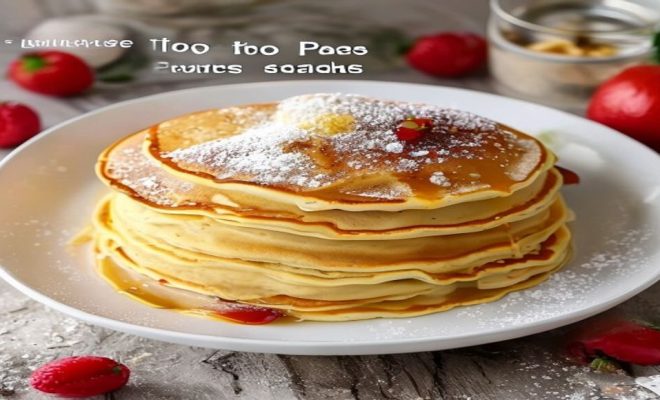
- Serve: Stack the pancakes on a plate and serve immediately with your favorite toppings.
With this straightforward method, you’re on your way to creating delicious pancakes from scratch that can be customized in countless ways.
4. Customizing Your Pancakes with Toppings and Add-Ins
One of the best things about making pancakes from scratch is the freedom to tailor them to your taste. Here are some ideas for enhancing your pancake experience: (See: Wikipedia article on pancakes.)
- Fruits: Fresh fruits like blueberries, bananas, or strawberries can be added directly to the batter or served as a topping. For a delightful twist, try caramelizing the fruits on the stovetop first.
- Nuts: Chopped nuts, such as walnuts or pecans, add a satisfying crunch and nutty flavor. Mix them into the batter for an extra texture.
- Chocolate Chips: For a sweet treat, stir in some chocolate chips. This is a favorite among kids and adults alike.
- Spices: A pinch of cinnamon or nutmeg can elevate the flavor profile of your pancakes, providing a warm and comforting taste.
- Maple Syrup and Other Sauces: Top your pancakes with maple syrup, honey, or fruit compote to add a rich sweetness. For a decadent option, consider whipped cream or a drizzle of chocolate sauce.
Feel free to get creative with your toppings and add-ins. You can turn a simple pancake into a gourmet dish with just a few extra ingredients!
5. Common Pancake Mistakes and How to Avoid Them
Even seasoned cooks can run into problems when making pancakes from scratch. Here are some common pitfalls and how to sidestep them:
- Overmixing the Batter: While it’s tempting to ensure a perfectly smooth batter, overmixing can lead to tough pancakes. Stir until just combined, and don’t worry about a few lumps.
- Incorrect Heat Settings: Cooking pancakes at too high a temperature can cause them to burn on the outside while remaining raw inside. Aim for medium heat and adjust as necessary.
- Not Preheating the Pan: Skipping the preheating step can lead to uneven cooking. Make sure your skillet is hot before adding the batter.
- Using Old Ingredients: Baking powder loses its potency over time. Always check the expiration date to ensure your pancakes rise properly.
- Pancakes Sticking: If your pancakes are sticking, it might be time to re-grease your pan. Use a little butter or oil before each batch to maintain a non-stick surface.
By being aware of these common mistakes, you can enhance your pancake-making skills and consistently produce a perfect stack of pancakes from scratch.
6. Healthier Alternatives for Pancakes from Scratch
For those looking to make healthier pancakes, there are many alternatives and substitutions you can try. Here are some options:
- Whole Wheat Flour: Substitute all-purpose flour with whole wheat flour or a blend for added fiber and nutrients.
- Greek Yogurt: Replace some of the milk with Greek yogurt to boost protein content and add creaminess.
- Banana or Applesauce: Use mashed bananas or unsweetened applesauce as a natural sweetener and a way to reduce added sugar.
- Non-Dairy Milk: If you’re avoiding dairy, almond milk, oat milk, or coconut milk can be perfect substitutes for regular milk.
- Natural Sweeteners: Instead of granulated sugar, consider using honey, maple syrup, or agave nectar as a natural sweetener.
These substitutions allow you to enjoy pancakes from scratch while making them a healthier option for breakfast or brunch.
7. The Cultural Significance of Pancakes
Pancakes aren’t just a delightful breakfast item; they hold cultural significance in various parts of the world. Each culture has its own unique twist on pancakes, reflecting local ingredients and traditions.
- American Pancakes: Thick and fluffy, often served with maple syrup, butter, and an array of toppings.
- French Crêpes: Thin and delicate, crêpes can be filled with sweet or savory ingredients, making them versatile for any meal.
- Russian Blini: Small and usually made with buckwheat, these pancakes are commonly served with caviar or sour cream.
- Japanese Okonomiyaki: A savory pancake filled with various ingredients such as cabbage, seafood, and topped with mayonnaise.
- Ethiopian Injera: A spongy flatbread used as both a dish and utensil, it complements stews and salads.
Exploring these different pancake traditions reveals how universal yet diverse this dish can be. Making pancakes from scratch allows you to bring a bit of this cultural richness into your own kitchen.
8. Storing and Reheating Pancakes
If you make a large batch of pancakes from scratch, you can easily store them for later use. Here are some tips for storing and reheating:
- Storing: Allow the pancakes to cool completely before stacking them in an airtight container. You can layer parchment paper between them to prevent sticking.
- Refrigerating: Pancakes can be stored in the refrigerator for 2-3 days. Just make sure they’re well-covered to avoid drying out.
- Freezing: For longer storage, pancakes can be frozen for up to 2 months. Place them in a single layer on a baking sheet to freeze individually, then transfer to a freezer bag.
- Reheating: To reheat, use a microwave, toaster, or skillet. If using the microwave, place a damp paper towel over the pancakes to keep them moist.
By following these storage tips, you can ensure that your homemade pancakes stay fresh and delicious, ready to be enjoyed at a moment’s notice. (See: CDC nutrition resources.)
9. Advanced Techniques for Pancake Perfection
If you’re ready to elevate your pancake game to the next level, consider these advanced techniques. They’ll not only improve the flavor and texture of your pancakes but also impress your family and friends!
- Buttermilk Pancakes: Replace regular milk with buttermilk for a tangy flavor and extra fluffiness. The acidity in buttermilk reacts with the baking powder, creating a lighter pancake.
- Egg Whites Whip: For ultra-fluffy pancakes, separate the egg whites and yolks. Whip the egg whites until soft peaks form and gently fold them into the batter at the end. This adds air and lightness.
- Infused Butter: Instead of plain melted butter, try infusing it with herbs, spices, or citrus zest before adding it to the batter. This gives your pancakes a unique flavor twist.
- Resting the Batter: Allow the batter to rest for about 10-30 minutes before cooking. This helps the flour hydrate fully and can lead to a more tender pancake.
- Custom Flours: Experiment with different types of flours like almond flour or oat flour. Each will bring its own flavor and texture to your pancakes, allowing for diverse experiences.
10. Pancake Variations to Try
Once you’ve mastered the classic pancake recipe, why not branch out? Here are some creative pancake variations you might want to try:
- Vegan Pancakes: Replace eggs with flaxseed meal (1 tablespoon of flaxseed mixed with 2.5 tablespoons of water) and milk with a plant-based alternative. These pancakes are delicious and perfect for a vegan diet!
- Savory Pancakes: Add grated cheese, chopped herbs, and even vegetables like spinach or zucchini to the batter for a savory twist. These can be served with a dollop of sour cream or a salad on the side.
- Protein-Packed Pancakes: Incorporate protein powder into your batter or use cottage cheese and oats. This is a great breakfast option for those looking to increase protein intake.
- Chocolate Pancakes: Add cocoa powder to the batter for a rich chocolate version. Top with fresh berries or a drizzle of chocolate syrup for an indulgent treat.
- Spiced Pumpkin Pancakes: Mix in pumpkin puree and warm spices like cinnamon, nutmeg, and cloves for a seasonal favorite that’s especially popular in the fall.
11. Frequently Asked Questions About Pancakes from Scratch
If you’re new to making pancakes from scratch, you might have some questions. Here are some common inquiries and their answers:
Can I use whole wheat flour instead of all-purpose flour?
Yes, you can substitute whole wheat flour for all-purpose flour. Just note that the texture will be denser, so you might want to add a bit more liquid to your batter.
What can I do if my pancakes are too thick?
If your batter is too thick, simply add a little more milk, a tablespoon at a time, until you reach your desired consistency. The batter should flow but still hold its shape.
How do I know when to flip my pancakes?
Look for bubbles forming on the surface of the pancake, and the edges should appear set. Once you see these signs, it’s time to flip!
Can I make the batter ahead of time?
It’s best to cook pancakes immediately after mixing the batter for the best texture. If you must prepare it ahead of time, store the batter in the refrigerator and use it within 24 hours.
What toppings can I use besides syrup?
There are plenty of alternatives! Consider yogurt, fresh fruit, nut butter, whipped cream, or even a savory option like avocado or a poached egg for a unique twist. (See: Nutrition.gov pancake information.)
How can I make my pancakes even fluffier?
Try separating the egg and beating the whites until they are stiff before folding them into the batter. This adds more air and makes for a fluffier pancake!
12. Storing Pancakes for Long-Lasting Freshness
To make the most of your pancake-making adventure, it’s essential to know how to store and maintain the fluffiness of leftovers. If you anticipate making a large batch, here’s how to ensure they remain delicious:
- Layering Method: When stacking pancakes for storage, place a piece of wax paper or parchment between each layer. This prevents them from sticking together, maintaining their fluffy texture.
- Vacuum Sealing: For long-term storage, consider vacuum sealing pancakes before freezing. This method helps to preserve their moisture and avoids freezer burn.
- Reheating Techniques: For optimal results when reheating, consider using an oven. Preheat it to 350°F (175°C) and warm the pancakes on a baking sheet for about 10 minutes. This method keeps them warm and fluffy without drying them out.
13. Creative Pancake Toppings: Beyond the Basics
While maple syrup and butter are classic pancake companions, exploring creative toppings can elevate your breakfast experience. Here are some unique ideas to try:
- Yogurt Parfait Style: Layer pancakes with Greek yogurt and your choice of granola and berries for a nutritious start to your day.
- Nut Butter Bliss: Spread almond or peanut butter on warm pancakes, then top with sliced bananas or strawberries.
- Coconut Whipped Cream: For a tropical twist, consider using coconut cream whipped until fluffy. It adds a light and airy sweetness.
- Caramel Sauce: Drizzle warm pancakes with homemade or store-bought caramel sauce for an indulgent treat, especially when paired with apples.
- Herbal Infusion: Try topping your pancakes with a drizzle of honey mixed with fresh herbs like mint or basil for a refreshing flavor profile.
14. Tips from Pancake Experts
In the world of pancake-making, even the pros have their secrets. Here are some expert tips that could help improve your pancake game:
- Temperature Control: Expert chefs often recommend a temperature of 375°F (190°C) for the perfect pancake. This ensures that the outside gets a golden finish while the inside remains fluffy.
- Experiment with Fermentation: Some pancake aficionados suggest letting the batter ferment for a few hours or overnight. This not only enhances flavor but also improves digestibility.
- Use Fresh Ingredients: Always opt for fresh eggs and dairy. The quality of your ingredients can significantly impact the final taste of your pancakes.
- Thickness Matters: Aim for a batter that’s thick but pourable. If it’s too runny, your pancakes will spread out and be thin; too thick, and they won’t cook evenly.
- Keep it Minimal: For fluffy pancakes, less is more when it comes to mixing. A few lumps in your batter are perfectly fine and preferable to a smooth, overmixed batter.
15. Conclusion: Embrace the Art of Pancakes from Scratch
Making pancakes from scratch is not just a culinary task; it’s an art form that invites creativity and experimentation. With the knowledge of essential ingredients, techniques, and cultural significance, you’re well-equipped to create a breakfast that’s both satisfying and meaningful. Whether you stick to the classic recipe or venture into more adventurous territory, the joy of flipping a pancake that you made from scratch is unmatched. So, roll up your sleeves, gather your ingredients, and let your pancake journey begin!
“`
Trending Now
Frequently Asked Questions
What ingredients do I need to make pancakes from scratch?
To make pancakes from scratch, you'll need all-purpose flour, baking powder, salt, sugar, milk, eggs, and melted butter. Each ingredient contributes to the texture and flavor, ensuring your pancakes are fluffy and delicious.
How do you make pancakes from scratch without a mix?
Making pancakes from scratch involves mixing the dry ingredients—flour, baking powder, salt, and sugar—with the wet ingredients—milk, eggs, and melted butter. Combine them until just mixed, then cook on a hot griddle until golden brown.
Can I use whole wheat flour for pancakes?
Yes, you can use whole wheat flour to make pancakes. It will give them a nuttier flavor and a healthier twist. Just keep in mind that the texture may differ slightly from pancakes made with all-purpose flour.
What is the secret to fluffy pancakes?
The secret to fluffy pancakes lies in using baking powder as a leavening agent and not overmixing the batter. A few lumps are fine; this helps retain air and results in a lighter texture.
How can I customize my pancake recipe?
You can customize your pancake recipe by adding ingredients like vanilla extract, chocolate chips, or fruit. Additionally, you can experiment with different types of milk or flour to create unique flavors and textures.
What did we miss? Let us know in the comments and join the conversation.