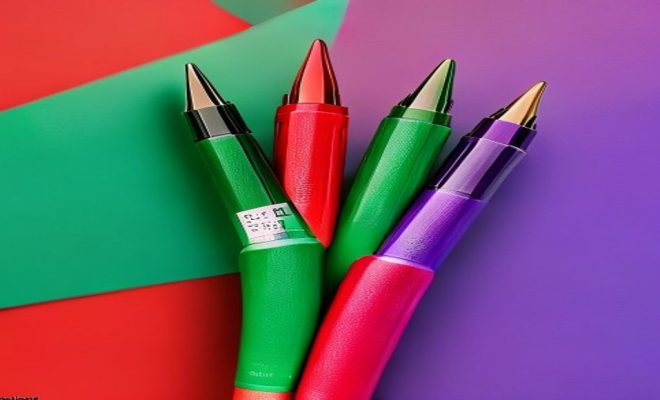
Best Grading Pens (Red, Green, Purple)
“`html
When it comes to grading papers and providing feedback, the tools you choose can make a significant difference. The best grading pens can help you leave clear, visible marks that communicate your insights effectively. Whether you prefer red, green, or purple, there’s a pen out there that meets your needs. This article explores the top choices in the market while providing tips on how to select the right pen for your grading tasks.
1. The Importance of Choosing the Right Grading Pen
One might think that any pen will do for grading, but the reality is more complex. The right pen can enhance readability, create a positive learning experience, and even motivate students. For instance, using a distinctive color for feedback can signal different types of comments—red for critical notes, green for praise, and purple for suggestions. This differentiation can help students quickly identify areas needing improvement.
Many educators have found that certain pen types can reduce hand fatigue during extensive grading sessions. Comfortable grips and ink flow can significantly influence the grading experience, allowing for quicker, more efficient marking without sacrificing clarity. In this guide, we’ll delve into some of the best grading pens available today in these colors, evaluating their features, pros, and cons.
2. Why Red Pens Are Still a Staple
Red pens have long been synonymous with grading. The bright hue stands out on the page, making corrections and comments easily noticeable. Despite some educators’ aversion to using red due to its association with negativity, many still prefer it because it effectively highlights errors. The psychological impact of color is significant; red can signal urgency, prompting students to pay closer attention to their mistakes.
Some of the top red pens on the market include:
- Paper Mate InkJoy Gel Pen: Known for its smooth flow and quick-drying ink, this pen offers a vibrant red that won’t smear.
- Sharpie S-Gel: This gel pen provides a bold red mark that stands out and is available in various tip sizes for precision marking.
- Stabilo Point 88 Fineliner: For those who prefer a more precise line, this fineliner offers a fine tip and a consistent ink flow.
Each of these options has its unique advantages, but they all share the commonality of being effective tools for grading purposes.
3. Green Pens: A Fresh Perspective
Green pens have gained popularity in recent years, especially among educators who want to provide positive reinforcement. The color green is often associated with growth and encouragement, making it ideal for constructive feedback. By using green ink to highlight strengths or provide praise, teachers can create a more balanced grading experience.
Some of the best green grading pens include: (constructive feedback strategies)
- BIC Cristal Ballpoint Pen: A classic choice, this pen is affordable, reliable, and delivers a consistent green line that stands out.
- Uni-ball Vision Elite Rollerball Pen: This pen features fade-proof ink, making it a fantastic choice for long-lasting comments.
- Pilot G2 Gel Pen: Known for its smooth writing experience, the Pilot G2 is a favorite among teachers and students alike.
Using green pens for feedback not only encourages students but also fosters a more positive interaction with grading overall.
4. The Case for Purple Pens
Purple pens often exist in the shadow of their red and green counterparts, yet they serve a unique purpose. They provide an alternative way to offer feedback without the emotional weight associated with red. The use of purple can denote additional notes, suggestions, or comments that fall outside the standard grading criteria.
Here are a few standout purple pens to consider:
- Muji Gel Ink Ballpoint Pen: This pen offers a fine tip and a smooth writing experience, making it great for note-taking or grading.
- Sakura Pigma Micron Pen: With its archival-quality ink, this pen is perfect for detailed comments and illustrations.
- Zebra Sarasa Clip Gel Pen: Known for its vibrant colors, the Sarasa Clip provides a rich purple ink that flows beautifully.
Incorporating purple pens into your grading routine can add a refreshing twist, allowing for more creativity in feedback writing. (See: overview of different types of pens.)
5. Features to Consider When Selecting Grading Pens
When searching for the best grading pens, several features should play a critical role in your decision-making process. Comfort is paramount; look for pens with ergonomic grips that reduce hand strain during lengthy grading sessions. Ink quality is also essential; consider pens with quick-drying, smudge-proof inks to maintain a neat appearance on paper. Finally, tip size can impact your writing experience; finer tips offer precision, while broader tips provide visibility.
Consider the pen’s refillability, as this can save money in the long run. Selecting pens that allow for ink replacements can help reduce waste and ensure you always have your preferred color on hand. By weighing these features, you can ensure that your grading tools meet your individual needs.
6. Where to Buy the Best Grading Pens
Finding the best grading pens is easier than ever, thanks to numerous retailers and online platforms. Major office supply stores like Staples and Office Depot typically stock a wide variety of pens suited for grading. However, online options provide convenience and often a broader selection.
Websites like Amazon, JetPens, and PenChalet are fantastic resources for pen enthusiasts. They often feature customer reviews that can help you gauge the performance of different pens before making a purchase. Additionally, subscription services for office supplies can be an efficient way to keep your grading tools replenished without the hassle of frequent trips to the store.
7. Eco-Friendly Options in Grading Pens
As awareness of environmental issues grows, more educators are looking for eco-friendly grading pens. Many brands now offer sustainable options made from recycled materials or with refillable ink systems. Choosing these pens not only helps reduce waste but also promotes eco-conscious habits among students and staff. For more on this, see grading insights for educators.
Here are a few eco-friendly pens to consider:
- Pilot B2P (Bottle to Pen) Gel Pen: Made from recycled plastic bottles, this pen is a great eco-conscious choice.
- Paper Mate Eco-Advantage Ballpoint Pen: This pen is made from recycled materials and offers a reliable writing experience.
- Uni-ball Eco-Delight Rollerball Pen: This pen features a refillable design and is made from 89% recycled materials.
By opting for these eco-friendly grading pens, you can contribute to a more sustainable planet while still providing valuable feedback to your students.
8. The Role of Pen Color Psychology in Grading
The colors you choose for grading can significantly influence how students perceive their feedback. This concept, known as color psychology, suggests that different colors evoke distinct emotional responses. Red, for instance, can create a sense of urgency, prompting students to address errors immediately. Green, on the other hand, can foster a sense of optimism and growth, encouraging students to work on improving their skills.
Understanding these psychological effects can help you tailor your grading approach. For example, you might use red for highlighting errors, green for commendations, and purple for suggestions or areas for improvement. By consciously selecting pen colors based on these principles, you can enhance the effectiveness of your feedback.
9. Tips for Effective Grading with Pens
To maximize the benefits of your selected grading pens, consider these best practices:
- Be Consistent: Use the same pen color for similar types of feedback to establish a clear system for students.
- Prioritize Clarity: Aim for legibility in your writing, using clear language and organized comments.
- Balance Feedback: Combine criticisms with positive notes to foster a supportive learning environment.
- Stay Organized: Keep your grading tools handy and organized to streamline your grading process.
By implementing these strategies, you’ll not only enhance your grading efficiency but also improve the overall experience for your students.
10. Feedback from Educators: What Works Best
Gathering insights from fellow educators can provide valuable information on the best grading pens. Many teachers swear by specific brands or types based on their personal experiences. Engaging in discussions at professional development sessions or online forums can help you discover new favorite pens that align with your grading style.
Surveys and informal polls among colleagues can reveal trends in pen preferences, allowing you to make informed decisions based on the collective wisdom of your peers. Don’t hesitate to experiment with different pens until you find the perfect fit for your grading routine. (See: importance of mental health in education.)
11. Comparing Ink Types: Gel, Ballpoint, and Rollerball
When it comes to selecting the best grading pens, the type of ink is just as important as the color. Each ink type has its unique characteristics, advantages, and ideal use scenarios. Understanding these differences can help you choose the best tool for your grading needs.
Gel Ink
Gel pens are known for their vibrant colors and smooth writing experience. The gel ink flows easily, which can make grading feel less laborious. They often dry quickly, which is great for avoiding smudges, especially on glossy papers. A popular choice for educators, gel pens provide a bold, clear line that makes comments and corrections stand out on the page. However, they can run out of ink more quickly than other types, so consider having refills on hand.
Ballpoint Ink
Ballpoint pens use a thicker oil-based ink, which makes them more durable and less likely to smudge. They’re a favorite for long writing sessions because they require less pressure to write, which can reduce hand fatigue. Ballpoint pens are generally more affordable and often come in a variety of colors. However, they may not provide the same level of vibrancy as gel pens. If you find yourself grading numerous papers, a ballpoint might be the right choice for you.
Rollerball Ink
Rollerball pens combine the smoothness of gel ink with the durability of ballpoint ink. They use water-based ink, which flows freely, allowing for a lighter touch while writing. This can make them an excellent choice for extensive grading sessions. However, they may take longer to dry than gel pens, which means you’ll need to be cautious to avoid smudging your comments. Rollerball pens can produce vibrant lines and are often favored for their ease of use.
12. Statistics on Grading Pen Usage Among Educators
To shed light on the preferences of educators regarding grading pens, several studies and surveys have been conducted. For example, a recent survey revealed that: See also quality feedback tips.
- Over 65% of teachers prefer gel pens for grading, citing their smooth writing and vibrant colors as key factors.
- 42% of educators reported that they use green ink primarily for positive feedback, while 38% rely on red for corrections.
- Nearly 70% of respondents stated that using different ink colors improved their students’ understanding of the feedback provided.
- A significant 85% of teachers believe that the type of pen they use can affect their grading efficiency and overall experience.
Such statistics highlight the importance of selecting the right tools for grading and how these choices can impact both teaching and learning experiences.
13. Common Mistakes to Avoid When Grading with Pens
Grading can be a time-consuming process, and it’s easy to fall into certain traps that can reduce effectiveness. Here are some common mistakes to steer clear of:
- Overusing Red Ink: While red is effective for marking errors, overusing it can create a negative tone. Balance your comments with positive feedback.
- Ignoring Pen Maintenance: Neglecting to clean or replace pens can lead to inconsistent ink flow, impacting the quality of your feedback.
- Writing Too Small: Small handwriting can be difficult for students to read. Aim for clear, legible writing, especially when providing constructive feedback.
- Using Inconsistent Colors: Switching colors frequently without a clear system can confuse students. Stick to a color code that they can easily understand.
Avoiding these pitfalls can enhance your grading process and help ensure students receive the best feedback possible.
14. Frequently Asked Questions
What are the best grading pens for left-handed teachers?
Left-handed teachers may prefer quick-drying pens to avoid smudging. Options like gel pens with fast-drying ink, such as the Pilot G2, or special left-handed ballpoint pens are great choices.
Is it better to use colored pens or stick to black ink for grading? (See: latest news on educational tools.)
Using colored pens can help differentiate types of feedback and make comments stand out. However, it’s crucial to maintain a balance; too many colors can overwhelm the student. Using a color-code system is recommended.
How often should I replace my grading pens? There’s a fuller look at peer feedback benefits.
It’s best to replace pens when you notice a decrease in ink flow or if they start skipping while writing. Regular maintenance will keep your grading process smooth.
Can I use highlighters for grading?
While highlighters can draw attention to specific areas, they aren’t ideal for writing detailed comments. Reserve them for marking important sections or phrases while using pens for written feedback.
15. How to Maintain Your Grading Pens
Just like any tool, grading pens require a bit of care to ensure they perform well over time. Here’s how you can maintain your pens:
- Keep Them Clean: If your pens have caps, always replace them when not in use to prevent the ink from drying out. For rollerball and gel pens, regularly wipe the tip with a tissue to remove dried ink residue.
- Store Properly: Store pens horizontally whenever possible. This helps maintain an even ink flow and prevents drying at the tip.
- Check for Refills: If your pen is refillable, stock up on ink refills to avoid running out during a grading session. Keeping a few extra refills on hand is a great way to ensure you’re always prepared.
- Test Before Use: Before grading a large stack of papers, test your pens to ensure they’re working properly. This will help you avoid the frustration of dealing with skipping or dried-out pens mid-session.
16. Innovative Grading Techniques Using Pens
Beyond just marking papers, consider using your grading pens creatively. Here are a few innovative grading techniques:
- Color-Coding Feedback: As discussed, using specific colors for different types of feedback can enhance clarity. Stickers or stamps can also complement this method.
- Incorporating Stickers: Use colored stickers alongside your pen comments. For example, a green star sticker can denote exceptional work, reinforcing positive feedback.
- Visual Feedback: Encourage students to engage with their work visually by drawing small icons or symbols next to your comments. For instance, a thumbs up or thumbs down can visually summarize feedback.
- Peer Review Notations: If implementing peer reviews, use a different color pen for peer feedback. This can help distinguish between teacher and peer comments, clarifying the response source.
In the end, the world of grading pens is vast, with options that cater to every educator’s needs. Whether you gravitate toward traditional red, optimistic green, or creative purple, the right pen can transform your grading experience and influence how students receive feedback. So, gear up with the best grading pens, and make your marking sessions effective, enjoyable, and meaningful!
“`
Trending Now
Frequently Asked Questions
What are the best grading pens for teachers?
The best grading pens for teachers include options like the Paper Mate InkJoy Gel Pen for its smooth flow and vibrant colors. Other popular choices are Sharpie pens, which offer bold colors and quick-drying ink. Choosing the right pen can enhance readability and improve the grading experience.
Why do teachers use red pens for grading?
Teachers often use red pens for grading because the bright color stands out, making corrections easily noticeable. Although some associate red with negativity, it effectively highlights errors and signals urgency, prompting students to pay closer attention to their mistakes.
What colors are best for grading pens?
The best colors for grading pens include red for critical comments, green for praise, and purple for suggestions. Each color serves a different purpose, helping students quickly identify areas needing improvement and creating a more effective feedback system.
How do I choose the right grading pen?
To choose the right grading pen, consider factors like ink flow, comfort grip, and color visibility. Look for pens that reduce hand fatigue during extensive grading sessions and ensure that the ink is quick-drying to prevent smudging.
Are gel pens good for grading papers?
Yes, gel pens are excellent for grading papers due to their smooth ink flow and vibrant colors. They provide clear, visible marks that enhance readability, making them a popular choice among educators for effective feedback.
What's your take on this? Share your thoughts in the comments below — we read every one.