EpiPen: Your Guide to Using an Epinephrine Auto-Injector
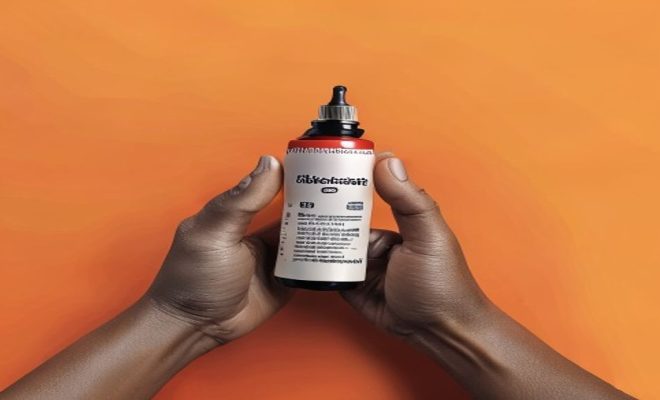
“`html
1. Understanding Allergies and Anaphylaxis
Allergies can range from mild to severe, but anaphylaxis is the most serious form of an allergic reaction, potentially leading to life-threatening situations. It occurs when the immune system reacts aggressively to a trigger—often food, insect stings, or medications—releasing chemicals like histamine into the bloodstream. Symptoms can manifest rapidly, including swelling, difficulty breathing, a drop in blood pressure, and loss of consciousness. Recognizing the signs of anaphylaxis is crucial for timely intervention, and knowing how to use an EpiPen can save a life.
In the United States, the prevalence of food allergies has been rising, with an estimated 32 million Americans affected, including 5.6 million children under the age of 18. With numbers this high, understanding the emergency response to severe allergic reactions is more important than ever.
2. What is an EpiPen?
The EpiPen is a brand of epinephrine auto-injector used to treat anaphylactic reactions. It delivers a dose of epinephrine (adrenaline), which counteracts the symptoms of anaphylaxis by constricting blood vessels, relaxing the muscles in the airways, and increasing heart rate. This rapid response is vital for stabilizing the patient’s condition until further medical help is available.
Available in various dosages, the EpiPen typically comes in two strengths: 0.3 mg for adults and 0.15 mg for children weighing between 33 to 66 pounds. Familiarity with the specific dosage prescribed by a healthcare provider and understanding the importance of time in administering the medication can greatly impact outcomes.
3. When to Use an EpiPen
Knowing when to use an EpiPen is just as critical as knowing how to use it. Signs that indicate an anaphylactic reaction may include but are not limited to:
- Swelling of the lips, tongue, or throat
- Difficulty breathing or wheezing
- Rapid or weak pulse
- Skin reactions, including hives or a rash
- Dizziness or fainting
If you or someone you are with experiences these symptoms after exposure to a known allergen, it’s crucial to act swiftly. Delaying the use of the EpiPen can lead to worsening symptoms, making immediate action necessary.
4. How to Use an EpiPen: Step-by-Step Guide
Using an EpiPen is straightforward, but it’s essential to follow the steps correctly to ensure effective delivery of the medication. Here’s a step-by-step guide on how to use an EpiPen:
- Remove the EpiPen from its case. Hold it in one hand and with the other hand, grasp the auto-injector firmly to prevent accidental activation.
- Remove the safety cap. This is usually a blue cap that needs to be pulled straight off. Do not touch the orange end, which is the needle.
- Position the EpiPen. Hold the EpiPen with the orange end facing downward, and place it against the outer thigh. It can be administered through clothing if necessary.
- Administer the injection. Press the EpiPen firmly against the thigh until you hear a click, indicating the needle has been deployed. Hold it in place for three seconds to ensure the full dose is delivered.
- Remove the EpiPen. After three seconds, remove the device from the thigh and massage the injection site for about 10 seconds.
- Seek medical help. After using the EpiPen, you must call emergency services or go to the nearest hospital for additional evaluation and treatment.
5. Common Mistakes to Avoid
Even though using an EpiPen is relatively simple, mistakes can happen, which may compromise the effectiveness of the treatment. Here are several common pitfalls to avoid:
- Not using it promptly. Timing is everything in anaphylactic reactions. The sooner you administer the EpiPen, the better the outcome.
- Incorrect positioning. Always use the outer thigh for injections and avoid injecting into the buttocks or other areas.
- Shaking the EpiPen. The device is pre-filled and should not be shaken, as this may disrupt the medication.
- Forgetfulness. If you have an allergy, be diligent about carrying your EpiPen with you and ensure it’s not expired before use.
6. After the Injection: What Happens Next?
Once you’ve administered the EpiPen, it’s essential to understand what to expect. The effects of epinephrine usually kick in within minutes, improving symptoms like swelling and respiratory distress. However, it’s crucial to remain alert, as symptoms may return after the initial relief. This phenomenon is known as a biphasic reaction.
After using the EpiPen, always follow up with medical professionals. They will monitor your condition and may provide additional treatments, like corticosteroids, to prevent recurrence of the anaphylactic reaction. It’s also advisable to discuss your experience with your allergist for potential adjustments to your allergy management plan. (See: CDC on food allergies and anaphylaxis.)
7. Storing and Maintaining Your EpiPen
Proper storage and maintenance of your EpiPen are essential for ensuring its effectiveness. The ideal storage temperature ranges from 68°F to 77°F (20°C to 25°C), though it can withstand temperatures between 59°F and 86°F (15°C to 30°C). Avoid exposing the EpiPen to extreme temperatures, direct sunlight, or moisture, as these conditions can degrade the medication.
Keep your EpiPen in its original case to protect it from damage. Regularly check the expiration date, as expired epinephrine may not work effectively. If you have multiple EpiPens, make a habit of rotating them to use the soonest-to-expire first. Always have at least one EpiPen on hand, and consider having a backup in case of emergencies.
8. Education and Awareness: Empowering Yourself and Others
Understanding how to use an EpiPen is just the beginning. Education is crucial for anyone who may be in a position to help someone experiencing anaphylaxis. Consider hosting or attending training sessions on allergy awareness and EpiPen usage, especially if you are in a family, school, or work environment where allergies are prevalent.
Additionally, teach your friends, family members, and colleagues how to use an EpiPen correctly. The more people who are knowledgeable about this life-saving device, the better prepared you all are to handle potential emergencies. Everyone should feel confident in their ability to help if the need arises.
9. Understanding Anaphylaxis Triggers
Awareness of what can trigger anaphylaxis is just as vital as understanding how to respond to it. Triggers can vary widely among individuals and may include:
- Food Allergies: Common food allergens include peanuts, tree nuts, fish, shellfish, milk, eggs, soy, and wheat.
- Insect Stings: Allergies to bee, wasp, hornet, or fire ant stings can lead to severe reactions.
- Medications: Certain antibiotics, non-steroidal anti-inflammatory drugs (NSAIDs), and anesthesia can trigger anaphylaxis.
- Latex: This is particularly relevant for healthcare workers and those with frequent exposure to latex gloves.
Keeping a detailed list of known allergens and discussing them with your healthcare provider can help minimize the risk of exposure.
10. What to Expect During a Medical Follow-Up
After experiencing an anaphylactic reaction and using an EpiPen, a follow-up with a medical professional is crucial. During this appointment, expect to discuss:
- Your Reaction: Detailing the symptoms, timing, and any potential triggers can help your doctor create a tailored management plan.
- Testing for Allergies: Your physician may recommend allergy testing to pinpoint specific allergens, helping you avoid future reactions.
- Emergency Plan: Discussing an anaphylaxis action plan, which includes strategies and medications to manage potential future reactions.
This follow-up not only provides an opportunity for evaluation but also offers peace of mind and a clear pathway for managing allergies effectively.
11. Myths and Misconceptions About EpiPens
There are many misconceptions about EpiPens that can lead to confusion and misuse. Here are some common myths and the truths behind them:
- Myth: EpiPens are only for severe allergic reactions.
Truth: While EpiPens are essential for anaphylaxis, they can also be used for severe asthma attacks when other medications are ineffective. - Myth: Once I use the EpiPen, I don’t need medical attention.
Truth: Always seek medical help after using an EpiPen, as further treatment may be necessary. - Myth: You can reuse an EpiPen.
Truth: EpiPens are single-use devices. Once activated, they cannot be reused and should be disposed of properly. - Myth: EpiPens are only for children.
Truth: Anyone of any age can experience anaphylaxis, and adults often need EpiPens as well.
Understanding these myths can help ensure that EpiPens are used safely and effectively by everyone at risk of severe allergic reactions. (See: NIH report on food allergies prevalence.)
12. Frequently Asked Questions
Q: How do I know if I need an EpiPen?
A: If you have a known allergy, particularly to food, insect stings, or medications, and have experienced anaphylaxis in the past, your doctor may prescribe an EpiPen. If you’re unsure, consult with an allergist.
Q: How long does the effect of an EpiPen last?
A: The effects of epinephrine usually last 10 to 20 minutes, but symptoms can recur, so medical attention is critical after use.
Q: Can I carry my EpiPen in my bag?
A: Yes, it’s essential to carry your EpiPen with you at all times. Just ensure it is stored at the appropriate temperature and protected from damage.
Q: What happens if I use an EpiPen by mistake?
A: If epinephrine is administered accidentally, it’s essential to seek medical attention, even if you feel fine. Side effects can occur, including increased heart rate and anxiety.
Q: Is it normal to feel nervous about using an EpiPen?
A: It’s completely normal to feel anxious about using an EpiPen. Practicing the steps and knowing what to expect can help alleviate some of this anxiety.
Keeping informed and prepared can help you feel more confident in managing allergies and using your EpiPen effectively.
13. Real-Life Scenarios: Using an EpiPen in Emergency Situations
Understanding how to use an EpiPen is crucial, but seeing how it plays out in real-life situations can provide additional context. Here are some scenarios where having an EpiPen on hand made a significant difference:
Scenario 1: At a Birthday Party
During a birthday party, a child with a peanut allergy unknowingly consumes a peanut butter cookie. Within minutes, the child starts experiencing swelling and difficulty breathing. The parents, trained in EpiPen usage, quickly administer the EpiPen while a friend calls 911. The rapid action stabilizes the child’s condition until paramedics arrive, who transport the child to the hospital for further observation.
Scenario 2: On a Camping Trip
A group of friends goes camping in the woods. One of the friends has a known allergy to bee stings. While enjoying the outdoors, he accidentally disturbs a beehive and is stung multiple times. Recognizing the signs of anaphylaxis—hives, difficulty breathing, and swelling—his friends quickly administer the EpiPen he carries. They also alert nearby campers to call for medical help. Thanks to the quick response, he recovers rapidly while awaiting professional care. (See: WHO fact sheet on allergic reactions.)
Scenario 3: At School
In a school setting, a student with a severe dairy allergy accidentally ingests a small amount of milk contained in a snack. When symptoms arise, the teacher, who had previously attended training on EpiPen use, swiftly retrieves the child’s EpiPen from their backpack. Administering it promptly helps alleviate the reaction, and the school nurse is called to monitor the situation until further medical assistance arrives.
These scenarios highlight the importance of awareness, preparedness, and knowing how to act in the face of an allergic reaction. The presence of an EpiPen can be a lifesaver, and having individuals trained to use it effectively makes a substantial difference.
14. The Role of Schools in Allergy Management
Schools play a pivotal role in supporting students with allergies. Here are some key actions schools can take to ensure safety:
- Allergy Training Programs: Schools should offer training sessions for staff and students about recognizing anaphylaxis and the proper use of EpiPens. Regular refreshers can keep everyone informed.
- Emergency Action Plans: Each student with known allergies should have an individualized emergency action plan detailing their specific allergies, symptoms, and steps to take in case of exposure.
- Designated Allergy-Free Zones: Creating allergy-safe zones in cafeterias or during events can help minimize the risk of accidental exposure.
- Communication with Parents: Schools should maintain open lines of communication with parents regarding their child’s allergies and any incidents that occur.
By fostering an environment where allergies are taken seriously and managed effectively, schools can create a safer space for all students.
15. Advances in Allergy Treatment and EpiPens
The landscape of allergy treatment is evolving. Newer alternatives and updates to EpiPens are being researched and developed. Here are a few noteworthy advancements:
- Auto-Injectors with Voice Instructions: Some modern auto-injectors come equipped with voice prompts to guide users through the injection process, making it easier for those who may be anxious or unfamiliar with the device.
- Extended Shelf Life: Recent formulations of epinephrine are designed to have a longer shelf life, reducing the frequency of replacements and ensuring that individuals have a functional EpiPen ready at all times.
- Biologics: New medications are being explored that may help reduce the severity of allergic reactions or even desensitize individuals to allergens over time.
As research progresses, staying informed about these advancements can be beneficial for those managing allergies and their caregivers.
16. Conclusion: Your Lifesaving Arsenal
Knowing how to use an EpiPen is a vital skill for those at risk of anaphylactic reactions. By understanding the signs of anaphylaxis, knowing when and how to administer the EpiPen, and maintaining it properly, you equip yourself and those around you with the tools needed to manage severe allergies effectively. Empower yourself through education, training, and preparedness, because in moments of crisis, every second counts.
“`
Trending Now
Frequently Asked Questions
What are the signs of anaphylaxis?
Signs of anaphylaxis can include swelling of the lips, tongue, or throat, difficulty breathing or wheezing, rapid or weak pulse, and skin reactions such as hives or rash. Recognizing these symptoms quickly is crucial for timely intervention.
How does an EpiPen work?
An EpiPen delivers a dose of epinephrine, which counteracts anaphylactic symptoms by constricting blood vessels, relaxing airway muscles, and increasing heart rate. This rapid response is vital for stabilizing a patient's condition until further medical help can be obtained.
When should I use an EpiPen?
You should use an EpiPen when you observe signs of anaphylaxis, such as swelling of the throat, difficulty breathing, a rapid or weak pulse, or severe skin reactions. Timely administration is essential for effective treatment.
What is an EpiPen used for?
An EpiPen is used to treat severe allergic reactions known as anaphylaxis. It is designed to quickly deliver epinephrine to counteract life-threatening symptoms, providing crucial time for further medical intervention.
What dosages does an EpiPen come in?
EpiPens are available in two primary dosages: 0.3 mg for adults and 0.15 mg for children weighing between 33 to 66 pounds. It's important to use the dosage prescribed by a healthcare provider for effective treatment.
Have you experienced this yourself? We'd love to hear your story in the comments.