Ferrari’s New Marketing Chief: What This Means for the Brand’s Electric Future
“`html
Ferrari has always been synonymous with high performance, luxury, and automotive artistry. However, recent leadership changes and the controversial launch of the Luce EV have put the spotlight on the brand’s future. With the appointment of a former BMW Italy executive as the new Ferrari marketing chief, the company is making waves in the automotive world. Let’s explore the implications of this shift, the challenges ahead, and what it means for Ferrari’s strategy in the evolving electric vehicle market.
1. Leadership Shake-Up: The Departure of Enrico Galliera
After a remarkable 16-year tenure, Enrico Galliera has stepped down as Ferrari’s marketing and commercial chief. His departure marks a significant transitional moment for the luxury carmaker. Galliera was instrumental in defining the brand’s identity, balancing its rich heritage with the demands of modern markets. His exit coincides with Ferrari’s bold move into the electric vehicle sector, an area that has stirred both excitement and skepticism among enthusiasts.
Galliera’s legacy includes navigating Ferrari through various challenges, from the global financial crisis to the rising demand for sustainability in the automotive sector. The question now is whether his successor can maintain this balance while pushing the company towards a more electric future.
2. Meet the New Chief: Former BMW Executive Steps In
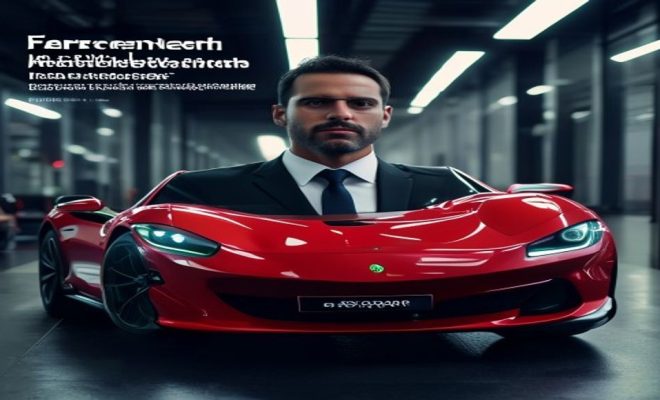
Replacing Galliera is a key appointment that could shape Ferrari’s marketing strategies for years to come. The new Ferrari marketing chief, who previously led BMW’s operations in Italy, brings a wealth of experience in luxury branding and consumer engagement. His background suggests a fresh perspective that could invigorate Ferrari’s approach to its customer base, especially as it navigates the complexities of introducing electric vehicles.
This transition is particularly timely, given the recent backlash against the Luce EV. The new marketing chief’s experience in a rival luxury brand may provide valuable insights into how Ferrari can effectively position itself in the competitive electric vehicle market. The challenge lies in maintaining the allure and exclusivity of the Ferrari brand while embracing sustainable practices.
3. The Luce EV Launch: A Mixed Reception
The unveiling of the Luce EV, Ferrari’s first fully electric supercar, has been met with controversy. Priced at approximately 550,000 euros, the vehicle has drawn criticism not only for its price point but also for concerns about the brand’s identity. The transition to electric power is a radical departure from what Ferrari enthusiasts traditionally expect.
In the wake of the launch, Ferrari shares plummeted by over 8%, reflecting investor concerns about the brand’s future direction. Critics argue that moving towards electric technology could dilute the core values of Ferrari, which have always been rooted in performance and a visceral driving experience. This is a critical moment for the brand, as it seeks to reassure both investors and loyal fans about its commitment to maintaining its storied heritage.
4. Market Dynamics: The Luxury EV Landscape
The luxury electric vehicle market is rapidly evolving, with competitors like Tesla, Porsche, and Lucid Motors leading the charge. As a brand that has always positioned itself at the pinnacle of performance and luxury, Ferrari faces significant pressure to innovate while retaining its unique allure. The challenge is not just about developing an electric vehicle; it’s about creating an experience that meets the expectations of loyal customers.
According to industry analysts, the market for luxury EVs is expected to grow exponentially in the coming years. For Ferrari, this presents an opportunity to redefine its brand in a way that resonates with a new generation of car enthusiasts and environmentally conscious consumers. However, the stakes are high, and the transition must be handled delicately to avoid alienating existing customers.
5. Balancing Heritage with Innovation
One of the most significant challenges facing the new Ferrari marketing chief will be balancing the brand’s rich heritage with the need for innovation. Ferrari’s history is steeped in racing, performance, and a certain mystique that has captivated car lovers for decades. As the company shifts gears towards electric, maintaining this mystique will be crucial. (See: Ferrari's shift to electric vehicles.)
Marketing strategies will need to highlight how Ferrari’s electric offerings can deliver the same level of performance and excitement that fans expect. This means not only investing in cutting-edge technology but also ensuring that the marketing narrative aligns with Ferrari’s storied past. The new chief will play a pivotal role in crafting this narrative.
6. Consumer Expectations: The Road Ahead
Consumer expectations are shifting, particularly among younger buyers who prioritize sustainability alongside performance. Research shows that a growing number of consumers are willing to pay a premium for electric vehicles if they believe in the brand’s commitment to sustainability and innovation. Ferrari must tap into this trend while also appealing to its traditional customer base.
To achieve this, the new Ferrari marketing chief may need to develop targeted marketing campaigns that address the concerns of both groups. Engaging existing fans while attracting new ones will require a delicate balance of messaging and product offerings. Building trust in the brand’s electric future will be key to its success in an increasingly competitive landscape.
7. Investor Confidence: Restoring Faith After Stock Decline
The drop in Ferrari shares following the Luce EV launch raises questions about investor confidence. The company must act swiftly to reassure shareholders that it remains a leader in the automotive industry. Transparency in communication regarding future strategies and performance metrics will be critical.
Investors will be looking for signs that the new Ferrari marketing chief can effectively navigate the challenges ahead. This includes demonstrating a strong understanding of the luxury market and the ability to adapt to changing consumer preferences. A strategic marketing plan that highlights both the brand’s commitment to innovation and its legacy will be essential in restoring faith among investors.
8. The Future of Ferrari: Embracing Change
The road ahead for Ferrari is paved with both opportunity and challenge. With the appointment of a fresh marketing leader, the company has a chance to redefine its identity in an electric world. As it ventures into the realm of electric vehicles, Ferrari will need to stay true to its roots while embracing the necessary changes to remain relevant in a rapidly evolving market.
The new marketing chief faces an uphill battle, but with a clear vision and a commitment to the brand’s legacy, Ferrari can position itself as a leader in luxury electric vehicles. The coming years will be critical in determining whether the brand can thrive in this new era or if it will struggle to reconcile its heritage with the demands of modern consumers.
9. Electric Vehicle Adoption Rates: What the Numbers Say
As we look deeper into the transition to electric vehicles, it’s crucial to consider the adoption rates across different demographics. According to recent studies, electric vehicle sales in Europe have surged, with a 60% increase year-over-year. In 2022 alone, electric vehicles accounted for 20% of all car sales in the EU, a significant leap from previous years.
This shift is not just about environmental concerns; it’s also driven by advancements in technology, charging infrastructure, and government incentives aimed at reducing carbon footprints. For Ferrari, tapping into this trend means focusing on technology that enhances performance while being environmentally friendly. Their marketing strategy could leverage these statistics to assure consumers of the viability and desirability of electric supercars.
10. Comparative Analysis: How Other Brands are Adapting
When it comes to adapting to the electric vehicle market, many luxury brands offer valuable lessons. For instance, Porsche has successfully transitioned its iconic 911 range to hybrid models while maintaining its performance pedigree. The Porsche Taycan has received critical acclaim for its driving dynamics, proving that electric doesn’t have to mean a loss of excitement.
Similarly, Tesla continues to dominate the electric space, showcasing how a strong brand identity can translate into consumer loyalty. Their direct-to-consumer sales model and savvy use of social media have set new standards in the industry. Ferrari’s new marketing chief would do well to analyze these strategies and identify what can be integrated into Ferrari’s own approach. (See: Ferrari's electric car strategy.)
11. Global Market Trends: The Shift Towards Sustainability
As global awareness around climate change increases, automakers are feeling the pressure to adopt sustainable practices. A survey by Deloitte indicated that over 70% of respondents are concerned about climate change and are more likely to support brands that demonstrate a commitment to sustainability. This trend is particularly pronounced in the luxury segment, where consumers expect premium brands to lead the charge in eco-friendly practices.
Ferrari’s marketing chief must capitalize on this trend by highlighting the brand’s commitment to sustainability. This includes not just the development of electric vehicles but also the use of sustainable materials in manufacturing and packaging. By promoting these practices, Ferrari can connect with the values of modern consumers while reinforcing its status as a luxury brand.
12. Strategies for Success: Building a New Brand Narrative
Moving forward, the new Ferrari marketing chief must craft a compelling narrative that intertwines innovation with Ferrari’s rich heritage. The narrative should emphasize the performance attributes of electric vehicles, showcasing data that proves electric can be exhilarating. Campaigns could feature testimonials from drivers, track performances, and comparisons to traditional gasoline models, creating a bridge between the old and the new.
Collaborative partnerships with tech companies could also enhance Ferrari’s appeal in the EV space. This could involve exploring advancements in battery technology, self-driving features, or digital interfaces that enhance the driving experience. By positioning Ferrari at the forefront of technological advancement, the brand can maintain its competitive edge while appealing to tech-savvy consumers.
13. Marketing Campaigns and Consumer Engagement
Effective marketing campaigns will be crucial as Ferrari embarks on this new chapter. Engaging potential customers through innovative platforms like social media, virtual reality experiences, and exclusive events can create excitement around the Luce EV and future models. Interactive campaigns that allow consumers to customize their vehicles or experience Ferrari’s heritage in virtual environments could also foster deeper connections with the brand.
Ferrari could also consider loyalty programs for existing customers, offering them exclusive previews of new electric models or limited-time offers. Such initiatives not only retain current customers but also attract new enthusiasts who aspire to join the ranks of Ferrari owners.
14. Frequently Asked Questions (FAQ)
What is the role of the Ferrari marketing chief?
The Ferrari marketing chief is responsible for developing and implementing marketing strategies that align with the company’s goals, particularly as the brand transitions to electric vehicles. This includes understanding consumer trends, managing brand reputation, and ensuring that Ferrari’s heritage is maintained while innovating for the future.
How will the Luce EV impact Ferrari’s brand image?
The Luce EV is a significant step for Ferrari into the electric vehicle market. Its impact on the brand image will depend on how the vehicle is received by consumers and the effectiveness of marketing strategies that communicate its performance and luxury attributes. If successful, it can enhance Ferrari’s reputation as a forward-thinking luxury brand.
What challenges does Ferrari face in the electric vehicle market?
Ferrari faces the challenge of maintaining its performance-oriented brand identity while transitioning to electric power. Additionally, it must navigate competition from established electric brands and changing consumer expectations regarding sustainability and technology. (See: Sustainability in the automotive sector.)
How can Ferrari ensure it doesn’t alienate its traditional customer base?
Ferrari can avoid alienating its traditional customer base by incorporating their feedback into the development of electric vehicles and ensuring that new offerings align with the brand’s performance legacy. Marketing messages should celebrate the brand’s heritage while also highlighting the technological advancements of electric vehicles.
What is the expected growth of the luxury EV market?
Experts predict that the luxury electric vehicle market will continue to grow significantly. Market research indicates that luxury EV sales could increase by over 30% annually as more consumers prioritize sustainability and technology in their purchasing decisions.
How important is sustainability for Ferrari’s future?
Sustainability is becoming increasingly important for luxury brands, including Ferrari. As consumers demand more eco-friendly practices, Ferrari’s ability to innovate in this space will be crucial for attracting new customers and retaining existing ones.
What role does technology play in the future of Ferrari?
Technology is at the heart of Ferrari’s future strategies, especially as it embraces electric vehicles. Advancements in battery technology, autonomous driving features, and connectivity will not only enhance performance but also align with consumer expectations of modern luxury vehicles. The new marketing chief will need to ensure that technology is spotlighted in promotional endeavors, showcasing how it enhances the driving experience without compromising the brand’s core values.
Can Ferrari maintain its exclusivity in the electric vehicle market?
Maintaining exclusivity in the electric vehicle market will be a balancing act for Ferrari. The brand must ensure that its electric offerings are perceived as limited and prestigious, much like its gasoline-powered vehicles. This can be achieved through limited production runs, bespoke customization options, and strategic pricing that reflects the luxury status of Ferrari vehicles.
How can Ferrari leverage its racing heritage in marketing electric vehicles?
Ferrari’s racing heritage can be a powerful tool in marketing its electric vehicles. By emphasizing the performance and technological advancements derived from its racing experience, Ferrari can create a narrative that showcases electric vehicles as not only environmentally friendly but also high-performance machines. Highlighting the synergies between racing technology and consumer vehicles can reinforce Ferrari’s image as a leader in automotive innovation.
In summary, Ferrari stands at a pivotal moment in its storied history. With the right strategies and a focus on maintaining its luxury identity while embracing innovation, the new Ferrari marketing chief has the opportunity to lead the brand into a successful electric future.
“`
Trending Now
Frequently Asked Questions
Who is Ferrari's new marketing chief?
Ferrari's new marketing chief is a former BMW Italy executive, who brings extensive experience in luxury branding and consumer engagement. His appointment follows the departure of Enrico Galliera, who had a significant impact on defining Ferrari's brand identity over 16 years.
What does the leadership change mean for Ferrari?
The leadership change signifies a pivotal moment for Ferrari as it transitions into the electric vehicle market. The new marketing chief is expected to bring fresh ideas and strategies to maintain Ferrari's luxury brand identity while embracing sustainability and innovation.
What challenges does Ferrari face with electric vehicles?
Ferrari faces several challenges in the electric vehicle sector, including overcoming skepticism from enthusiasts, addressing backlash against the Luce EV, and effectively integrating electric models into its luxury brand legacy while meeting modern consumer demands.
How has Enrico Galliera impacted Ferrari?
Enrico Galliera played a crucial role in shaping Ferrari's brand identity during his 16-year tenure. He successfully balanced the brand's rich heritage with modern market demands, navigating challenges like the global financial crisis and the push for sustainability in the automotive industry.
What is the significance of the Luce EV for Ferrari?
The Luce EV represents Ferrari's bold entry into the electric vehicle market, which has generated both excitement and skepticism. Its launch is a critical test for the brand's adaptation to changing consumer preferences and the evolving automotive landscape under new leadership.
Have you experienced this yourself? We’d love to hear your story in the comments.