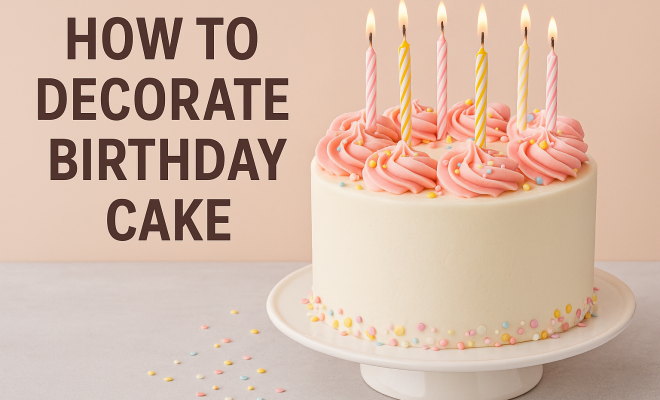
Mastering Birthday Cake Decoration: A Comprehensive Guide
“`html
When it comes to celebrating special milestones, few things are as universally cherished as a birthday cake. Whether it’s a child’s whimsical party or an elegant adult gathering, the cake often becomes the centerpiece of the celebration. The art of birthday cake decoration not only enhances the visual appeal of the cake but also plays a significant role in creating memorable moments. If you’re ready to elevate your cake-decorating skills or simply want to add a personal touch to your next celebration, this guide will equip you with essential techniques and tips to create stunning birthday cakes.
1. Understanding the Basics of Cake Decoration
Before diving into the various decorations, it’s important to grasp the fundamentals of cake decoration. This includes understanding the types of frosting, tools, and techniques that will form the foundation of your decorating ventures.
There are several types of frosting commonly used in birthday cake decoration, including buttercream, fondant, and ganache. Buttercream is the most popular choice due to its versatility and ease of use. It can be piped, spread, or sculpted, making it ideal for a range of designs. Fondant, on the other hand, offers a smooth, professional finish but requires a bit more skill to work with. Lastly, ganache can serve as a drip decoration or a glossy finish, providing a rich chocolate flavor that many people love.
2. Choosing the Right Tools
The right tools can make a world of difference in achieving beautiful cake decorations. Here’s a list of some essential tools you’ll need:
- Offset Spatula: Perfect for spreading frosting smoothly and evenly.
- Piping Bags and Tips: These allow for intricate designs, writing, and borders.
- Turntable: A rotating cake stand helps you access all sides of the cake effortlessly.
- Cake Scraper: Useful for achieving that professional, clean edge on your cake.
- Food Coloring: To tint your frosting and create vibrant colors.
Investing in a solid set of decorating tools can greatly enhance your decorating experience. Many of these items can be found at craft stores or online, often in starter kits for those just beginning their cake-decorating journey.
3. Preparing the Cake for Decoration
Once you’ve selected your cake flavor and baked it to perfection, the next step is preparation. Cooling your cake properly is crucial to prevent it from crumbling during decoration. Allowing the cake to cool completely before frosting will also ensure that your frosting doesn’t melt or slide off.
Some bakers prefer to level their cakes by trimming the tops to create an even surface. This not only makes stacking easier but also allows for a more polished final look. For those interested in multi-layer cakes, it’s essential to use a sturdy filling between the layers to stabilize the structure.
4. Frosting Techniques You Should Master
Once your cake is prepped, it’s time to frost! Here are several techniques that will elevate your birthday cake decoration:
- Crumb Coat: A thin layer of frosting applied to seal in crumbs. After chilling, this makes the final frost smooth and professional.
- Swirl Technique: Using the offset spatula, create swirls for a textured look. This can be enhanced with color to create a beautiful gradient effect.
- Ombre Effect: Gradually transitioning colors on your cake for a stunning visual impact.
- Drip Cake: Pour ganache or a colored glaze over the edges for a dramatic and appetizing look.
Practicing these techniques will allow you to develop your unique style and bring your ideas into reality. Don’t hesitate to experiment — the beauty of cake decoration lies in its creativity!
5. Incorporating Edible Decorations
Edible decorations can significantly enhance the visual appeal of your cake while adding flavor and texture. Here are some popular options to consider: (See: Overview of cake types and decorations.)
- Fresh Fruits: Berries, citrus slices, and even whole fruits can make your cake look fresh and inviting.
- Chocolate Shavings: Sprinkling chocolate curls or shavings adds a touch of elegance and can also complement chocolate cakes.
- Sprinkles and Sugars: These can add a fun and festive feel to your cake, especially for children’s birthdays.
- Edible Flowers: They can add a touch of sophistication, making your cake look like a work of art.
When selecting edible decorations, consider the flavors and colors of your cake. Combining complementary flavors can enhance the overall experience for your guests.
6. Creative Themes and Concepts
Themed cakes can take your birthday cake decoration to the next level. Whether it’s a favorite character, hobby, or color scheme, a theme can guide your design choices and make the cake more meaningful.
Here are a few popular theme ideas:
- Character Cakes: These could be anything from beloved cartoon characters to sports icons. Utilize fondant to mold shapes or use decorations that represent the character.
- Rainbow Cakes: Layering different colored batters to create a beautiful surprise when cut.
- Seasonal Themes: Incorporate elements of the current season, such as autumn leaves for fall birthdays or floral patterns for spring.
When designing a themed cake, allow your creativity to flow. Consider incorporating elements beyond the cake itself, such as themed plates and napkins, to create a cohesive experience.
7. The Importance of Personalization
One of the most rewarding aspects of birthday cake decoration is the ability to personalize the cake for the individual celebrating. Custom messages, names, and personal touches make the cake not just a treat but a cherished symbol of the occasion.
Consider using edible markers for writing, or invest in piping skills to craft messages that are neat and legible. You can also create custom cake toppers that reflect the interests or hobbies of the birthday person, making the cake a true representation of who they are.
8. Learning and Growing in Cake Decoration
As with any art form, the more you practice, the better you become. Don’t shy away from making mistakes — they often lead to the best learning experiences. There are countless online tutorials, classes, and communities dedicated to cake decoration that can provide inspiration and support.
Engaging with fellow cake decorators through social media platforms or local classes can be incredibly beneficial. Exchanging tips, sharing your work, and viewing others’ creations can spark new ideas and motivate you to push your skills further.
9. Common Mistakes to Avoid in Cake Decoration
Even seasoned bakers can encounter pitfalls when decorating cakes, but knowing what to avoid can save you time and frustration. Here are some common mistakes and how to sidestep them:
- Not Cooling the Cake Properly: If your cake isn’t completely cool, the frosting may melt or slide off. Always ensure your cake is at room temperature before applying frosting.
- Overusing Food Coloring: While vibrant colors can be appealing, too much food coloring can alter the flavor and texture of your frosting. Start with small amounts and gradually work your way up to the desired hue.
- Skipping the Crumb Coat: A crumb coat is essential for a clean finish. Skipping this step can lead to a messy final product, as crumbs will mix in with your top layer of frosting.
- Using the Wrong Tools: Each tool has its specific purpose. Using the wrong tool can lead to frustration and subpar results. Familiarize yourself with what each tool does before starting your project.
- Ignoring the Cake’s Structure: For tiered cakes, ensure each layer is stable. Use dowels or supports to prevent the layers from collapsing.
Acknowledging these common missteps can help enhance your skills and lead to more successful cake decoration projects. (See: Healthy baking tips and resources.)
10. Exploring Different Cake Styles
Cake decoration is an art that has evolved into various styles, each with its unique techniques and aesthetics. Here are a few styles to consider for your next birthday cake:
- Classic Layer Cake: This traditional style consists of multiple layers of cake, often with fillings and frosting between them. The exterior is typically frosted smoothly and may feature simple decorations like fresh fruit or chocolate shavings.
- Rustic Cakes: Aimed at a more homemade look, rustic cakes often have a textured or rough frosting finish. They can be adorned with fresh flowers, fruits, or even herbs for a natural, earthy feel.
- Buttercream Succulent Cake: This trendy style uses buttercream frosting to create succulent shapes and designs, making it not only visually stunning but also delicious.
- Drip Cakes: As mentioned earlier, drip cakes feature ganache or colored glaze dripping down the sides, often finished with toppings like macarons, sprinkles, or fresh fruit. They’re eye-catching and modern.
Choosing the right style can set the tone for the entire celebration, so consider the preferences of the birthday individual when selecting a design.
11. Incorporating Technology in Cake Decoration
With the rise of technology, cake decoration has also seen innovations that can assist bakers in their endeavors. Various tools and gadgets can help streamline the process or enhance creativity:
- Edible Ink Printers: These printers allow you to print edible images onto frosting sheets or fondant. This can be particularly useful for character cakes or personalized designs.
- Stencils: Using stencils can help you create intricate designs and patterns effortlessly. They can be applied with powdered sugar, cocoa powder, or even colored frosting.
- Cake Projectors: These devices project images onto your cake to help guide your decorating. This can be particularly helpful for intricate designs and lettering.
- Online Design Software: There are numerous programs and apps that allow you to visualize your cake designs before you start decorating, making it easier to plan and execute your ideas.
Integrating these tools into your cake-decorating toolkit can elevate your skills and allow for more creativity.
12. FAQ About Birthday Cake Decoration
What’s the difference between buttercream and fondant?
Buttercream is a creamy frosting made primarily from butter and sugar, known for its sweet flavor and ease of use. Fondant, however, is a sugar dough that can be rolled out and draped over cakes for a smooth finish. While buttercream is better for piping, fondant is often chosen for intricate designs.
How do I make my cake more stable for decoration?
To ensure your cake is stable, use a cake recipe that includes sturdy ingredients. Additionally, allow each layer to cool completely before stacking, and consider using dowels or supports in taller tiered cakes for extra stability.
Can I use regular food coloring for frosting?
While you can use regular food coloring, gel food coloring is preferable for frosting. Gel colors are more concentrated and won’t alter the frosting’s texture as much, allowing you to achieve vibrant colors without compromising consistency.
How can I make a cake look professional?
To achieve a professional look, invest time in mastering techniques like the crumb coat, smooth finishes, and precise piping. Using quality ingredients for your frosting and practicing your skills will also make a significant difference. Lastly, consider using a turntable for even frosting and decoration.
What should I do if I make a mistake while decorating?
Don’t panic! Mistakes can often be fixed. If frosting smudges or spills, you can carefully scrape it off and reapply. If your design doesn’t turn out as planned, consider using sprinkles or edible decorations to cover up imperfections. (See: Scientific insights into cake preparation.)
13. How to Choose the Right Cake for Decoration
Choosing the right cake as a base for your decorations is essential for achieving the best results. Here are some tips for selecting the ideal cake:
- Flavor Profile: The flavor of the cake should match the frosting and decorations. For example, a vanilla cake pairs well with fruity toppings, while a chocolate cake might call for rich, creamy toppings.
- Texture: A denser cake, such as a pound cake or a chocolate cake, can hold up better under the weight of decorations like fondant or heavy frosting. Lighter cakes may become unsteady with too much decoration.
- Color: Consider how the color of the cake will complement the decorations. A neutral-colored cake can serve as a great canvas for vibrant decorations, while a dark cake might make lighter decorations pop.
Conduct taste tests with family and friends to find the best flavor, and don’t hesitate to try new combinations for unique birthday cake creations.
14. Seasonal and Holiday Cake Decoration Ideas
When planning a birthday cake, consider incorporating seasonal or holiday themes into your decoration. The time of year can inspire unique designs and flavors that enhance the festive mood:
- Spring: Floral designs with pastel colors and fresh flowers are perfect for spring birthdays. Consider a lemon cake with buttercream flowers.
- Summer: Bright colors and tropical themes work well. Think of a coconut cake decorated with pineapple and passion fruit.
- Autumn: Incorporate autumn leaves, pumpkins, and rich spice flavors like cinnamon or nutmeg. A carrot cake decorated with cream cheese frosting and fondant pumpkins can be a big hit.
- Winter: For winter birthdays, think of snowy designs with white frosting and silver or blue accents. A vanilla cake with white chocolate ganache can resemble a winter wonderland.
Using seasonal ingredients can also enhance flavor and provide a connection to the time of year, making the birthday celebration more special.
15. Professional Cake Decorators’ Tips
If you’re looking to take your skills to a professional level, consider these tips from seasoned cake decorators:
- Practice, Practice, Practice: The key to mastering cake decoration is consistent practice. Don’t hesitate to try new techniques and styles to find your voice as a decorator.
- Invest in Quality Ingredients: Use high-quality ingredients for your cake and frosting. The taste of the cake is just as important as its appearance.
- Stay Organized: Keep your workspace tidy and organized. This can help streamline the decorating process and reduce stress.
- Keep Learning: Attend workshops, watch online tutorials, and stay updated with trends to keep your skills fresh and innovative.
By applying these tips, you can elevate your baking and decorating skills to impress your friends and family.
16. Conclusion
Mastering the art of birthday cake decoration requires a combination of technique, creativity, and personalization. Whether you’re decorating for a child’s birthday party or an elegant adult celebration, these insights and tips will help you create cakes that are as beautiful as they are delicious. So gather your tools, unleash your creativity, and start making those birthday celebrations unforgettable!
“`
Trending Now
- the complete explanation
- this guide on what’s on a high school transcript? understanding the components
- this guide on “5 evidence-based strategies to improve math fluency in middle school classrooms”
- our breakdown of how nonverbal communication impacts conflict resolution
- read the full story
Frequently Asked Questions
What are the best frosting types for decorating a birthday cake?
The best frosting types for birthday cake decoration include buttercream, fondant, and ganache. Buttercream is the most versatile and easy to use, while fondant provides a smooth finish but requires more skill. Ganache adds a rich chocolate flavor and can be used for drips or a glossy finish.
What tools do I need for cake decorating?
Essential tools for cake decorating include an offset spatula for spreading frosting, piping bags and tips for intricate designs, a turntable for easy access to the cake, a cake scraper for clean edges, and food coloring to create vibrant hues in your frosting.
How can I make my birthday cake look professional?
To achieve a professional look for your birthday cake, focus on smooth frosting application using an offset spatula and cake scraper. Utilize a turntable for even decoration, and practice piping techniques for intricate designs. Additionally, adding colorful accents with food coloring can enhance the visual appeal.
What is the easiest way to decorate a birthday cake?
The easiest way to decorate a birthday cake is to use buttercream frosting. You can simply spread it evenly over the cake or use piping bags to create simple designs. Adding sprinkles or fresh fruit as a final touch can also enhance the cake's appearance without requiring advanced skills.
How do I add color to my cake decorations?
To add color to your cake decorations, use food coloring to tint your frosting. Start with a small amount and gradually increase until you achieve the desired shade. You can also create vibrant decorations by layering different colored frostings or using colored fondant for added visual interest.
Agree or disagree? Drop a comment and tell us what you think.