How to wrap oddly shaped gifts
“`html
Gift wrapping is an art, and every gift deserves to be presented beautifully—especially those oddly shaped ones that can stump even the most seasoned wrappers. Knowing how to wrap gifts effectively, particularly when faced with an unconventional shape, can turn a simple present into a memorable experience. In this article, we will explore eight creative techniques to tackle the challenge of wrapping gifts that defy the norm. Whether it’s a unique toy, a bottle of wine, or something even more unconventional, these methods will help you present your gift in style.
1. Use Fabric for a Unique Touch
Wrap your odd-shaped gifts with fabric instead of traditional wrapping paper for a chic and reusable alternative. Choose a fabric that complements the occasion—think festive flannel for the holidays or light cotton for birthdays. To start, place the gift in the center of the fabric, then gather the material up around the gift. Tie the fabric at the top with a ribbon or string to create a beautiful finish.
This method not only adds a personal touch but also eliminates the waste associated with wrapping paper. Plus, the recipient can use the fabric afterward for various purposes, making it a gift that keeps on giving.
2. Box It Up
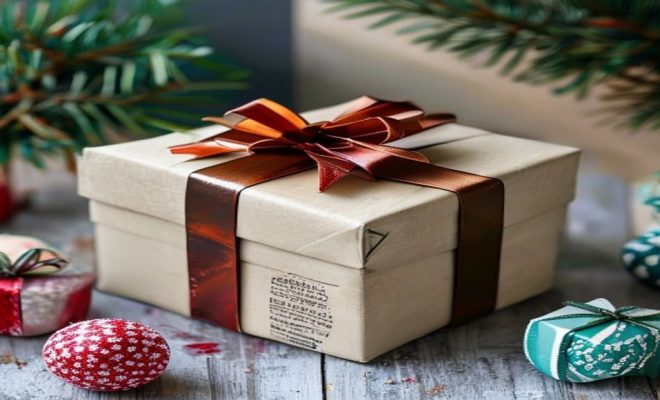
Sometimes, the best way to tackle an oddly shaped gift is to simply place it in a box. If the item is too large or irregular to wrap directly, find a cardboard box that offers enough room for cushioning. Line the box with tissue paper, place the gift inside, and fill in any gaps with shredded paper or bubble wrap. This not only protects the item but also gives you a straightforward way to wrap it as you can then close the box and wrap it with decorative paper.
This method is especially useful for gifts that contain multiple pieces or accessories, as it keeps everything together and presents them in an organized manner. You can then embellish the box with ribbons and a gift tag to complete the look.
3. Creative Paper Folding Techniques
If you prefer to stick with traditional wrapping paper, consider enhancing your skills with some creative folding techniques. The origami style is particularly effective for wrapping odd shapes. Start with a large sheet of paper—bigger than usual to accommodate the odd shape. Fold the paper around the gift, using tape to hold the folds in place.
One popular technique is the “Japanese furoshiki” method, where you make strategic folds and ties to secure the wrapping without tape. This approach is not only visually appealing but also allows for customization in terms of patterns and colors, matching the theme of any celebration.
4. Use a Gift Bag and Tissue Paper
For those gifts that truly defy wrapping, a gift bag may be your best friend. Simply place the oddly shaped item into a decorative bag, ensuring it fits snugly. Use tissue paper to fill in the gaps and add a touch of flair. This method is incredibly versatile and takes only seconds to prepare.
Gift bags come in an array of colors and patterns, making it easy to choose one that fits the occasion. Plus, it eliminates the stress of wrestling with tape and paper, allowing you to focus on the joy of gifting.
5. Try the ‘Crumple Method’
The crumple method is perfect for those who want an artistic and casual approach to wrapping. Start by crumpling a piece of wrapping paper to create texture, then unfold it and wrap it around your gift. This approach works especially well for irregular shapes, as the crumpled paper can easily mold to the contours of the item. (See: Gift wrapping techniques and history.)
This method adds an organic look to your wrapping, making it appear effortless and stylish. Finish with a simple twine or ribbon for a rustic touch, and you’ll have an eye-catching presentation that stands out.
6. Get Creative with the Presentation
Sometimes, it’s not just about wrapping; it’s about how you present the gift. Consider creating a themed centerpiece that showcases the oddly shaped item instead of trying to hide it. Use a basket or decorative box as a base and elevate the gift with height using faux flowers or other decorative accents.
This method allows the gift to be the focal point while still providing an inviting presentation. It’s especially useful for gifts like bottles of wine or large toys, where hiding the shape may detract from the overall look.
7. Wrap It in a Map or Newspaper
For a quirky and eco-friendly approach, consider wrapping your gift in a map or newspaper. This method is not only sustainable but also adds a unique character to your present. Choose a map of a location significant to the recipient or a newspaper from a special date, and wrap the gift as you would with regular paper.
To enhance the look, tie a colorful ribbon around the wrapped gift or add a small trinket that complements the theme. This approach is especially fun for travel enthusiasts or anyone with a story connected to a specific place.
8. Don’t Overthink It: Embrace the Quirkiness
Sometimes, the best way to wrap an oddly shaped gift is to embrace its uniqueness. Instead of worrying about achieving a perfect wrap, celebrate the quirky shape. Use a simple piece of colored paper or even a large bow. This minimalistic approach can actually highlight the gift’s individuality and lead to a delightful surprise.
Remember, the joy of gifting lies in the thought and effort behind the present, not just the wrapping. So, don’t stress about perfection; instead, focus on the excitement of presenting something special to someone you care about.
9. Incorporate Personal Touches
Adding personal touches to your gift wrapping can elevate the entire experience. Consider including a handwritten note, a custom label, or even artwork made by the recipient (if it’s a child, for example). These small details convey thoughtfulness and love, making the gift even more special.
Using materials like scrapbook paper, washi tape, or stamps can further enhance the personal aspect. You can create a unique wrapping paper design by using a stamp of a significant symbol or a simple pattern created with a sponge. This level of personalization ensures the gift feels intimate and shows you truly care about the recipient.
10. Use Seasonal or Themed Wrapping
Wrapping gifts according to the season or theme of the occasion can further enhance the excitement surrounding your gift. For example, using autumn-themed paper with leaves for a fall birthday or wrapping gifts in festive colors and patterns for the holiday season creates a cohesive look that resonates with the time of year.
Consider using themed accessories like ornaments for Christmas gifts or flowers for spring celebrations. This creates a beautiful synergy between the wrapping and the gift itself, making the presentation even more appealing. Using themed materials reinforces the occasion, allowing the recipient to feel the spirit of the event even before they open the gift. (See: Understanding the importance of presentation.)
11. Statistics on Gift Wrapping
Did you know that according to a survey, approximately 70% of people believe that the way a gift is wrapped affects their perception of the gift itself? A well-wrapped present creates anticipation, setting the tone even before the recipient unveils the surprise inside.
Additionally, the National Retail Federation reports that Americans spent over $17 billion on gift wrap alone in recent years. This staggering figure illustrates how important presentation is and highlights the trend toward more innovative wrapping techniques as consumers seek to stand out and make their gifts memorable.
12. Expert Perspectives on Gift Wrapping
Experts in the field of gift wrapping suggest that the key to great wrapping is to think outside the box—literally and figuratively. They emphasize the importance of understanding the recipient’s personality and preferences, which can guide your choices in colors, patterns, and techniques. For example, someone with a more minimalist aesthetic might appreciate a clean, simple wrap, while a colorful, whimsical presentation might delight a more vibrant personality.
Moreover, professional gift wrappers recommend practicing different techniques on items of varying shapes and sizes to build your confidence. As wrapping becomes more intuitive, you’ll develop a style that feels authentic to you.
13. Frequently Asked Questions (FAQ)
What materials do I need to get started with gift wrapping?
To begin wrapping gifts, you’ll need some basic materials such as wrapping paper, scissors, tape, ribbons, and gift tags. Additionally, you might want to have specialty items like fabric, twine, or embellishments on hand for creative options.
How can I make my wrapping paper look more decorative?
You can enhance the appearance of wrapping paper by using stamps, stickers, or even drawing designs with markers. Layering different types of paper, such as pairing kraft paper with colorful tissue, can also create a unique and decorative look.
Can I reuse wrapping paper?
Yes! If you unwrap a gift carefully, you can save the wrapping paper for future use. This practice not only saves money but is also environmentally friendly, reducing waste.
Are there any eco-friendly wrapping options available?
Absolutely! Besides using fabric and newspaper, you can also consider recycled paper, biodegradable materials, or materials like jute and burlap. Many retailers now offer sustainable wrapping options, allowing you to wrap gifts stylishly while being kind to the planet.
What should I avoid when wrapping gifts?
A few common pitfalls include using too much tape, which can make the gift look messy, or overcomplicating the wrapping process. Remember, sometimes less is more. If you’re wrapping something odd-shaped, avoid trying to make it look perfectly wrapped—embracing its uniqueness can be part of the charm! (See: Creative gift wrapping tips from experts.)
14. Tips for Wrapping Gifts in a Hurry
We all have those moments when time is not on our side, and you need to wrap a gift quickly. Here are some tips to help you wrap gifts effectively without losing your cool:
- Pre-Cut Your Wrapping Paper: If you know you’ll be wrapping multiple gifts, consider pre-cutting sheets of wrapping paper to sizes that correspond to the gifts you plan to wrap. This saves time when you’re in a rush.
- Use Double-Sided Tape: This type of tape provides a neater finish and helps speed up the wrapping process since you won’t have to worry about hiding the tape’s sticky side.
- Embrace Minimalism: If you’re pressed for time, opt for a simple wrapping style—one or two pieces of paper with minimal embellishments will still look great without taking too much time.
- Gift Bags to the Rescue: Gift bags are a lifesaver when you’re in a hurry. Just toss the gift in, add some tissue paper, and you’re done!
15. The Evolution of Gift Wrapping
Gift wrapping has evolved significantly over the years. In ancient civilizations, gifts were often wrapped in cloth or leaves, which were practical and readily available materials. As the tradition grew, so did the materials used for wrapping. The first commercial wrapping paper was produced in the late 19th century, made from paper scraps and much less decorative than today’s options.
Fast forward to the 20th century, and gift wrapping became a significant industry. With advancements in printing technology, a wide variety of patterns, themes, and colors emerged, allowing people to express themselves creatively. Today, we’re not just wrapping gifts; we’re making statements about our values and preferences through eco-friendly materials and unique designs.
16. Cross-Cultural Gift Wrapping Traditions
Gift wrapping practices vary widely across cultures, each adding its unique flair to the art of giving. For example, in Japan, it’s common to use a method called “furoshiki,” where gifts are wrapped in beautiful cloth, symbolizing care and thoughtfulness. This method emphasizes the beauty of simplicity and nature, making it both eco-friendly and aesthetically pleasing.
In other cultures, such as in many African traditions, gifts might be wrapped in colorful woven baskets or brightly colored cloths. The presentation is often just as important as the gift itself, with the wrapping being a reflection of the giver’s respect and affection for the recipient.
Understanding these various practices can inspire you to incorporate different techniques into your own gift-wrapping style, adding a global touch to your creations.
In a world where the presentation of a gift can evoke such joy and appreciation, knowing how to wrap gifts, especially those that are oddly shaped, can enhance the overall gifting experience. From using fabric and boxes to creative paper folding and embracing the uniqueness of the item, there are numerous ways to make any gift visually appealing. With these techniques, personal touches, and insights, you’ll not only impress your recipients but also cultivate a joyful atmosphere around the art of giving.
“`
Trending Now
- this guide on a visitors guide to northshore, new zealand
- our breakdown of what’s on a high school transcript? understanding the components
- “5 Evidence-Based Strategies to Improve Math Fluency in Middle School Classrooms”
- How Nonverbal Communication Impacts Conflict Resolution…
- read the full story
Frequently Asked Questions
What are some creative ways to wrap oddly shaped gifts?
You can use fabric instead of traditional wrapping paper, place the gift in a box for easier wrapping, or use creative paper folding techniques. Other methods include using gift bags or even repurposing materials like newspaper or maps for a unique touch.
How do you wrap a gift that is an unusual shape?
To wrap an unusual shaped gift, consider using fabric to create a chic look, or place the item in a box to simplify the wrapping process. Additionally, you can use padding like tissue paper or bubble wrap to protect the item while ensuring it looks presentable.
Can you wrap gifts in fabric instead of paper?
Yes, wrapping gifts in fabric is a stylish and eco-friendly alternative to traditional wrapping paper. It adds a personal touch, and the recipient can reuse the fabric for other purposes, making it a sustainable option.
What materials can I use to wrap oddly shaped gifts?
You can use various materials such as fabric, decorative paper, gift bags, or even newspaper. Additionally, items like bubble wrap or tissue paper can be used for cushioning before wrapping the gift.
Is it better to box odd-shaped gifts before wrapping?
Yes, boxing odd-shaped gifts can simplify the wrapping process. It protects the item and makes it easier to wrap with decorative paper. Plus, it keeps multiple pieces organized and presents them neatly.
Have you experienced this yourself? We’d love to hear your story in the comments.