Parallel Play Activities for Preschool Classrooms
“`html
When it comes to early childhood education, understanding the developmental stages of children is crucial. One concept that stands out is parallel play, a form of play where children play alongside each other without significant interaction. This crucial stage often occurs in preschool classrooms and lays the foundation for future social skills. How can educators leverage parallel play activities to enhance learning and social development? Let’s explore this engaging topic in depth.
Understanding Parallel Play
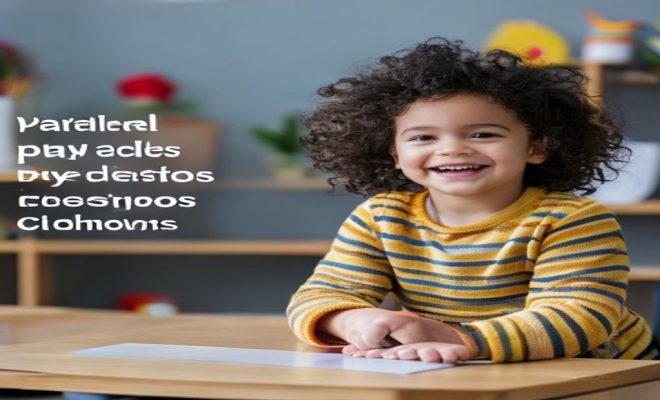
Parallel play typically manifests in children aged 2 to 3 years as they engage in similar activities but operate independently. For instance, one child might build a tower with blocks while another does the same a few feet away, without much communication or interaction. This phase is pivotal because it allows children to develop their skills while observing their peers.
Famed child psychologist Lev Vygotsky emphasized the importance of social interaction in cognitive development. However, parallel play provides a vital stepping stone, encouraging children to explore their own interests while still being aware of others. It’s a safe environment where they can experiment, make mistakes, and learn at their own pace.
The Importance of Parallel Play Activities
Parallel play activities are essential for several reasons:
- Social Development: Children learn to navigate social environments, picking up cues and behaviors from their peers.
- Cognitive Growth: Engaging in play fosters creativity, problem-solving skills, and critical thinking.
- Emotional Regulation: It aids in helping children manage their feelings as they learn to share space and toys.
Research shows that children who engage in parallel play are better equipped to transition to cooperative play later on, enabling them to form friendships and work as a team. This developmental phase should not be overlooked in preschool settings.
Incorporating Parallel Play Activities in the Classroom
Educators can implement various parallel play activities within their preschool classrooms. Here are some effective ones:
1. Art Stations
Set up multiple art stations with various materials—crayons, paints, and clay. Each child can choose to create their masterpiece at their own pace, allowing them to observe others’ work while remaining focused on their own. This setup encourages creativity and self-expression.
2. Building Blocks
Provide a variety of building materials, including blocks, LEGO, and magnetic tiles. Children can work on their structures side by side, building their spatial awareness and fine motor skills as they explore different designs. It’s fascinating to see how children use similar materials to create entirely different worlds.
3. Sensory Play
Setting up sensory bins filled with rice, sand, or water can be a wonderful parallel play activity. As children scoop, pour, and manipulate the materials, they can play independently, while also observing others. Sensory play is essential for cognitive and physical development.
4. Role-Playing Areas
A dramatic play area with costumes, props, and role-play scenarios can invite children to engage in parallel play. For instance, one child might decide to be a doctor while another plays a patient. They may not interact directly, but they’re both engaging in imaginative play, learning social cues, and developing language skills.
5. Outdoor Play
Outdoor play is crucial for young children. Activities like sandbox play, climbing, or riding tricycles allow kids to engage in parallel play while developing their gross motor skills. Outdoor environments encourage exploration, and with plenty of space, children can experiment without the constraints of indoor play.
Creating a Parallel Play-Friendly Environment
To maximize the benefits of parallel play activities, educators must create an inviting and conducive classroom environment. Here are some tips: (See: Adolescent Development Fact Sheet.)
- Divided Spaces: Arrange the classroom in a way that creates defined areas for different activities. This helps children focus on their tasks while still being aware of their peers nearby.
- Accessible Materials: Ensure all materials are easily reachable so children can transition between activities independently.
- Minimal Distractions: Keep the environment clutter-free to minimize distractions, allowing children to concentrate on their play.
With thoughtful planning, educators can foster an environment rich in parallel play activities, leading to enhanced development.
Observing Parallel Play and Its Benefits
Observing children engaged in parallel play offers valuable insights into their development. Teachers can take note of how children interact with their environment and each other. Are they sharing resources? Do they engage in cooperative problem-solving? Observing these interactions can help educators tailor their approaches to better support each child’s individual needs.
Moreover, parallel play can sometimes lead to spontaneous interactions. For instance, one child might notice another’s unique structure and ask about it, leading to a conversation that fosters communication skills. These moments are golden opportunities for teachers to step in and facilitate healthy interactions.
Challenges in Implementing Parallel Play Activities
While parallel play is beneficial, there can be challenges in effectively implementing parallel play activities in preschool settings. Some children may struggle with social anxiety and feel uncomfortable engaging in parallel play. Others may be overly competitive, making it difficult for them to focus on their tasks. Educators should be prepared to provide support in these situations.
One strategy is to introduce structured parallel play activities that include gentle prompts for interaction. For example, during a building blocks activity, teachers can encourage children to compare their structures and talk about their choices. This subtle nudge can help children feel more comfortable initiating interactions without forcing them into social situations.
Expert Perspectives on Parallel Play Activities
Insights from child development experts emphasize the importance of parallel play in laying the groundwork for future social experiences. According to Dr. Laura Jana, a pediatrician specializing in child development, “Parallel play activities are pivotal in helping children develop the skills they need for more complex social interactions later on.”
Experts recommend that educators be patient and observe each child’s unique play style. Every child develops at their own pace, and understanding their needs can help educators facilitate growth effectively.
Current Relevance of Parallel Play Activities
In light of recent global events, parallel play activities have gained renewed relevance. With the pandemic leading to increased isolation and disruption in children’s routines, many children are experiencing heightened anxiety regarding social interactions. Parallel play serves as a gentle reintroduction to social settings, allowing children to engage at their own comfort level.
Preschools are re-evaluating their curricula to emphasize social and emotional learning, recognizing that children need supportive environments to thrive. Parallel play activities fit perfectly into this framework, helping kids adjust to the new norms while still allowing them to build essential skills.
Actionable Advice for Educators
To ensure that parallel play activities are effective and enriching, educators should consider the following strategies:
- Be Observant: Take time to observe how children interact during play. This can provide insights into individual needs and preferences.
- Encourage Inclusivity: Help children understand the importance of including others in play. Use gentle prompts and modeling for those who may resist sharing or interacting.
- Provide Variety: Regularly rotate materials and activity setups to keep engagement high and stimulate new interests.
- Foster Communication: Use opportunities during parallel play to facilitate language development by asking open-ended questions and encouraging dialogue.
By actively engaging with children during parallel play activities, educators can turn these moments into powerful learning experiences.
Additional Parallel Play Activities to Consider
Beyond the activities already discussed, there are numerous other ways to incorporate parallel play in the classroom. Here are some additional ideas:
1. Nature Exploration
Take learning outside with nature walks where children can examine leaves, rocks, and insects. They can collect items and later create their nature-inspired crafts. As they explore, they can observe each other’s findings, leading to discussions about nature.
2. Puzzle Stations
Set up a station with various puzzles that children can complete side by side. They can work independently on their puzzles while observing how others approach theirs. This promotes cognitive skills and patience as they engage with challenging tasks without direct competition. (See: Child Development Overview by CDC.)
3. Cooking Activities
Simple cooking or baking activities can foster parallel play. Children can work on different steps of a recipe simultaneously, like mixing, pouring, and decorating. Observing how peers handle tasks can inspire creativity and teamwork, even when they’re not directly interacting.
4. Music and Movement
Incorporate music and movement activities where children can dance or play instruments independently. They can observe each other’s movements and styles, encouraging spontaneous interaction through non-verbal cues and shared rhythm.
Statistics Supporting the Value of Parallel Play
Research has continually shown that parallel play plays a significant role in early childhood development. According to a study published by the American Academy of Pediatrics, children who engage in parallel play exhibit higher levels of social awareness, with 75% of parents reporting improved social skills in their children after consistent exposure to parallel play activities.
Furthermore, longitudinal studies indicate that children who regularly participate in parallel play are 30% more likely to demonstrate empathy and cooperation in later childhood compared to peers who lack this experience. These statistics highlight the long-term benefits of implementing parallel play activities within educational settings.
Addressing Common Misconceptions About Parallel Play
There are several misconceptions surrounding parallel play that educators and parents should be aware of:
1. Parallel Play Is Just Solitary Play
Some may think parallel play is simply a form of solitary play, but it is much more nuanced. While children are not interacting directly, they are still observing and learning from their peers, which has significant developmental benefits.
2. Children Should Be Encouraged to Interact Constantly
Another misconception is that children should always be encouraged to interact. While interaction is essential, parallel play allows them to build confidence and independence, which are also critical for their social development.
3. Lack of Interaction Indicates Social Problems
Parents may worry that if their child engages in parallel play for extended periods, it signals social issues. In reality, parallel play is a normal developmental stage, and many children will naturally progress toward more interactive play when they feel comfortable.
Frequently Asked Questions about Parallel Play Activities
What age does parallel play typically begin?
Parallel play usually begins around the age of 2 and can continue until about age 3. However, elements of parallel play can be observed in older children as well.
How can I encourage parallel play at home?
At home, you can create a parallel play environment by providing different sets of toys and materials that allow children to play side by side. Encourage them to explore independently while being aware of each other’s activities.
Is parallel play important for all children?
Yes! All children benefit from parallel play, as it fosters social awareness, cognitive growth, and self-regulation, regardless of their individual personalities.
How does parallel play differ from cooperative play?
In parallel play, children play alongside one another without direct interaction, while cooperative play involves children engaging with one another in shared activities, often with a mutual goal.
Can parallel play occur in structured settings like schools?
Absolutely! Schools and childcare settings can implement structured parallel play activities that encourage children to engage in their interests while still being part of a peer group.
Exploring the Long-Term Impact of Parallel Play Activities
Understanding the lasting effects of parallel play activities is crucial as children transition into later stages of development. Research indicates that children who have strong experiences with parallel play are often better equipped to handle social settings in elementary school and beyond. These skills are foundational for forming friendships and collaborative work environments in the future.
Additionally, parallel play is linked to improved academic performance. Studies show that children who participated in parallel play activities exhibited greater focus and attention in structured learning environments. The ability to concentrate on their own tasks while being aware of others’ activities prepares them for more complex learning scenarios where collaboration is necessary.
Strategies for Parents to Support Parallel Play at Home
Parents play a critical role in fostering parallel play at home. Here are some strategies that can enhance children’s experiences:
- Designate Play Areas: Create specific play spaces where siblings or friends can play side by side. Use rugs or furniture to define these areas, making it clear where each child can engage in their activities.
- Encourage Shared Interests: Provide toys and activities that appeal to both children, such as LEGO sets or craft supplies. This allows them to work on similar projects while still maintaining their independence.
- Limit Direct Intervention: Allow children to navigate their parallel play experiences without constant adult intervention. This encourages them to develop problem-solving skills and negotiate play dynamics among themselves.
Social Skills Development Through Parallel Play
The benefits of parallel play extend to various aspects of social skills development. Children learn to respect personal space and understand boundaries, as they play near others without infringing on one another’s playtime. This is an essential lesson in social etiquette that will serve them well throughout their lives.
Furthermore, through parallel play, children develop observational learning. They notice how their peers handle different situations, which helps them develop empathy—understanding how others feel during play activities. When one child is upset over a lost toy, for example, another may learn to offer comfort, demonstrating that skills acquired during parallel play can translate to real-life interactions.
The Role of Technology in Parallel Play Activities
In today’s digital age, technology can be both a facilitator and a barrier to parallel play. While screen time often promotes solitary engagement, there are digital tools designed to encourage collaborative play experiences. For instance, educational apps that allow children to build virtual worlds together can mimic the benefits of parallel play by fostering cooperation in a digital setting.
However, it’s important for educators and parents to strike a balance. Ensuring that children have ample opportunities for traditional parallel play—using physical toys and engaging in face-to-face interactions—is vital. Screen time should be viewed as a supplemental activity that enhances rather than replaces in-person play experiences.
Final Thoughts on Parallel Play Activities
Parallel play activities are more than just ways to keep children occupied; they are foundational experiences that shape social skills, cognitive development, and emotional intelligence. By understanding the significance of parallel play and implementing effective strategies, educators can create enriching environments that support holistic development. In a world that is increasingly complex, nurturing these skills in preschool classrooms is essential for preparing children for lifelong learning and interaction.
“`
Trending Now
Frequently Asked Questions
What is parallel play in preschool?
Parallel play is a developmental stage where children aged 2 to 3 years play alongside each other without significant interaction. They engage in similar activities independently, allowing them to observe peers and develop social skills while exploring their own interests.
Why is parallel play important for social development?
Parallel play is crucial for social development as it helps children navigate social environments, learn social cues, and understand behaviors from their peers. This stage lays the groundwork for future interactions and cooperative play.
How can educators encourage parallel play activities?
Educators can encourage parallel play by providing various engaging materials and settings that allow children to explore their interests while being aware of others. Activities like building blocks or art stations can facilitate this form of play.
What are the benefits of parallel play activities?
Parallel play activities foster social development, enhance cognitive growth through creativity and problem-solving, and aid in emotional regulation. They provide a safe environment for children to experiment and learn at their own pace.
At what age does parallel play typically occur?
Parallel play typically occurs in children aged 2 to 3 years. During this stage, children engage in similar activities side by side, which is essential for their social and cognitive development.
What did we miss? Let us know in the comments and join the conversation.