7 Jaw-Dropping 2026 Tech Trends That Will Redefine Our Future

“`html
1. Foldable Smartphones: The New Norm
As we move closer to 2026, foldable smartphones are set to become a staple in our daily lives. Companies like Samsung and Motorola have already made strides in this direction, but the next wave of devices promises improvements in durability and functionality. Imagine a phone that can expand into a tablet-size screen, allowing for multitasking like never before. This convenience is not just alluring for tech enthusiasts; it could change how we consume media, navigate apps, and communicate.
Experts predict that the advancements in display technology will enhance user engagement significantly. With OLED and flexible display technologies maturing, the experience will be seamless. The future looks bright for foldable devices, especially as manufacturers look to capture consumers with innovative designs that merge portability with functionality.
One of the most anticipated developments in this realm is the integration of enhanced multitasking capabilities. Future foldable smartphones are expected to allow users to run multiple applications side by side on a larger screen, making tasks like video conferencing and document editing much more efficient. For example, users could be on a video call while referencing a document—an impossible feat on a traditional smartphone screen.
Moreover, the durability of these devices will be a significant focus. Early foldable models faced criticism for their fragile screens, but advancements in materials like Gorilla Glass and new hinge technologies are promising to address these concerns. Brands are also exploring water-resistant features, which could further enhance the longevity of foldable phones. As a result, consumers may find themselves willing to invest in these devices, confident in their reliability.
2. AI-Powered Humanoid Robots: The Rise of Domestic Helpers
One of the most exciting 2026 tech trends is the introduction of AI-driven humanoid robots into our homes. Companies like 1X are leading the charge with products like the NEO domestic assistant robot. These machines aren’t just glorified vacuum cleaners; they leverage large language models and advanced computer vision to engage users in a more human-like manner. Think about it: a robot that can read emotions, respond appropriately, and provide companionship.
The concept might seem unnerving to some, but the potential for positive interaction cannot be overlooked. As loneliness rates rise globally, these robots could provide comfort and support, acting as companions for those who might otherwise feel isolated. The emotional connection many are craving in an increasingly digital world could be fulfilled through these AI entities, creating a buzz around this emerging technology.
AI-powered robots could take on household tasks such as cooking, cleaning, and organizing, allowing families to spend more quality time together. Imagine a robot that can help you prepare dinner while engaging in light conversation or providing updates on your day. This could redefine the family dynamic, with technology seamlessly blending into our daily routines.
Additionally, the potential for these robots to act as caregivers for the elderly or disabled is a significant aspect of this trend. They could assist with medication reminders, mobility support, and even companionship, enhancing the quality of life for their users. The ethical implications of using AI in caregiving will undoubtedly spark debates, but the benefits could be transformative.
3. The AI Companionship Trend: Fear and Fascination
The looming presence of AI-powered companions raises ethical questions and societal concerns. While the idea of humanoid robots is exciting, it also stirs a fear of missing out (FOMO) among consumers and highlights a disturbing trend: the rise of virtual companions. As technology progresses, we may find ourselves in a world where AI companions are more common than human interaction.
This emotional complexity surrounding AI companionship is pivotal. How will society adapt when virtual friends or assistants can replicate human emotions and expressions? The line between human and machine continues to blur, igniting debates about what it means to connect. As 2026 approaches, these discussions will shape consumer behavior and drive advancements in AI technologies.
Research indicates that a growing number of individuals are opting for AI companions over traditional relationships. Surveys reveal that people find comfort in the loyalty and non-judgmental nature of AI entities, which can lead to a decline in human-to-human relationships. This trend raises questions about emotional health and the long-term implications of relying on machines for companionship. Will we lose sight of the essence of human connection? (See: Foldable smartphone technology overview.)
Experts are divided on the impact of this trend. Some argue that AI companions can alleviate loneliness, while others warn of increasing social isolation. As AI technology evolves, the need for guidelines and regulations becomes essential to ensure a balance between companionship and authentic human relationships.
4. The Memory Crisis: Implications for Tech Costs
Simultaneously, the world faces a global memory shortage driven by the insatiable demands of AI data centers. This shortage is causing significant ripples in the technology market. Samsung, for instance, has announced plans to double its DDR5 RAM prices, impacting laptop manufacturers like Dell, Lenovo, and Framework, who are likely to pass these costs onto consumers.
This scenario is concerning for anyone looking to upgrade their tech. As prices soar, consumers will need to weigh their options carefully. Will these new, cutting-edge devices prove worth the investment, especially with the rising costs? The tech industry is about to experience a significant shake-up due to this memory crisis, further fueling discussions about the sustainability of tech advancements.
Statistics show that the global demand for memory chips is projected to increase by 20% annually, driven by the growth of AI and machine learning applications, IoT devices, and cloud computing. Companies are scrambling to secure supplies, resulting in fierce competition that drives prices even higher. Consumers should brace themselves for possible long wait times and elevated costs when seeking the latest devices.
In response to this crisis, companies are exploring alternative memory technologies, such as 3D NAND and emerging non-volatile memory solutions. These innovations aim to alleviate some of the pressure on traditional memory supply chains and provide more affordable options for consumers in the long run. However, the transition to new technologies will not happen overnight, leading to continued fluctuations in pricing.
5. Smart Glasses: Bridging Reality and Virtuality
As the 2026 tech trends unfold, smart glasses are expected to gain traction. The concept of augmented reality (AR) continues to evolve, and with it, the potential for smart glasses to become an integral part of our daily lives. Imagine wearing glasses that overlay information onto your real-world view—this could redefine how we interact with our surroundings.
With tech giants investing heavily in AR, expect to see features that allow for seamless integration with smartphones and other devices. The ability to receive notifications, navigate directions, or even engage in social media without pulling out your phone is tantalizing. As smart glasses improve in functionality and comfort, they may soon become as ubiquitous as smartphones.
Beyond personal use, smart glasses have the potential to revolutionize industries like education, healthcare, and manufacturing. For instance, in education, students could experience interactive lessons with digital overlays that enhance their understanding of complex concepts. In healthcare, surgeons might utilize AR to visualize a patient’s anatomy during procedures, improving accuracy and outcomes.
However, privacy concerns surrounding smart glasses cannot be overlooked. The prospect of recording and transmitting real-time data raises ethical dilemmas about surveillance and consent. How will society navigate these challenges as the technology becomes more integrated into everyday life? The conversation around smart glasses will need to evolve alongside the technology itself.
6. Healthcare Revolution: AI and Robotics at the Forefront
The healthcare sector is also set to witness transformative changes by 2026. AI and robotics are expected to play a critical role in diagnostics, treatment, and patient care. From robotic surgeons that perform minimally invasive procedures to AI algorithms that analyze patient data for better outcomes, the integration of technology could drastically improve healthcare efficiency.
Moreover, the potential for AI to aid in mental health treatment is particularly promising. With the rise of telemedicine, AI-driven platforms could provide immediate, personalized support to those in need, making healthcare more accessible than ever. These innovations may lead to improved patient outcomes, reduced costs, and ultimately, a healthier society.
Statistics indicate that AI could reduce healthcare costs by up to 30% while increasing the accuracy of diagnoses. For example, IBM’s Watson has shown remarkable success in identifying cancerous cells more accurately than human doctors. As these technologies advance, the boundaries of traditional healthcare will expand, allowing for more tailored treatment plans that consider individual patient needs.
The integration of AI could also streamline administrative tasks within healthcare facilities, freeing up valuable time for medical professionals to focus on patient care. Automation of tasks such as scheduling, billing, and data entry can lead to greater efficiency and less burnout among healthcare staff. (See: Recent developments in foldable smartphones.)
7. The Future of Work: Remote Solutions and AI Integration
The shift towards remote work, accelerated by the pandemic, will continue influencing tech trends through 2026. AI tools that enhance productivity, automate tasks, and facilitate collaboration will be essential. Companies are increasingly investing in technology to maintain efficiency in a hybrid work environment.
As AI continues to evolve, expect advancements in tools that can predict workloads, optimize schedules, and streamline communication. These developments will not only improve the work-life balance for employees but also reshape organizational structures. The future of work is about finding harmony between human capabilities and technological advancements, and it’s an exciting time to be part of this evolution.
One of the most significant trends in the future workplace is the rise of virtual reality (VR) meeting spaces. Imagine collaborating with colleagues from around the world in a 3D environment where you can interact and exchange ideas as if you were in the same room. This immersive experience could enhance creativity and foster deeper connections among remote teams.
Sustainability will also play a crucial role in shaping the future of work. Companies are increasingly adopting remote solutions to reduce their carbon footprint by minimizing commuting. As businesses prioritize eco-friendly practices, tech solutions that support remote work will continue to gain traction, making our work environments more sustainable.
8. 2026 Tech Trends: What to Expect
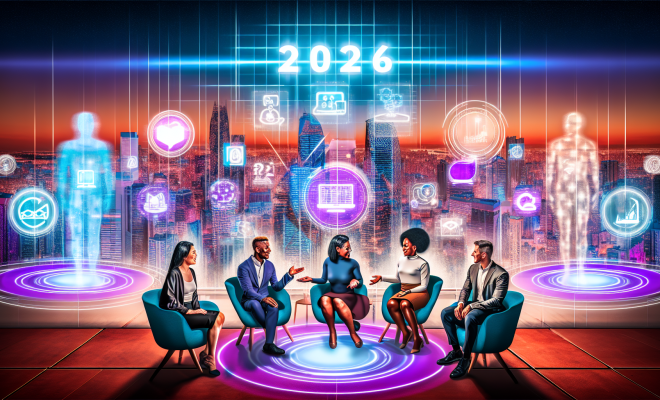
The convergence of these trends—foldable devices, AI companions, memory shortages, smart glasses, healthcare innovations, and remote work solutions—paints a vivid picture of what to expect in the tech landscape by 2026. It’s a thrilling time for tech enthusiasts and consumers alike as we stand on the brink of a new era in technology.
As we look ahead, it’s important to consider the implications of these advancements. Will the excitement around cutting-edge technology overshadow the ethical concerns they raise? How will consumers adapt to a world increasingly influenced by AI and automation? These questions will shape the narrative as we move forward, highlighting the critical need for responsible innovation.
9. Emerging Technologies and Their Impact on Society
As we witness the evolution of the tech landscape, it’s crucial to understand how these advancements will influence various aspects of society. For instance, the rise of AI and robotics holds significant implications for job markets. While automation promises to enhance efficiency, it also raises concerns about job displacement. A report from the World Economic Forum highlights that by 2025, 85 million jobs may be displaced due to automation, even as 97 million new roles emerge that are more adapted to the new division of labor.
Furthermore, these technologies will likely exacerbate existing inequalities if access remains uneven. Wealthier communities may benefit more from advancements, leaving lower-income areas behind. Bridging this digital divide will be essential to ensure that the benefits of technology are distributed equitably.
Social dynamics will also shift as human interactions evolve in the age of technology. The convenience of AI companions and virtual interactions might reduce face-to-face engagements, affecting community ties. Initiatives that promote digital literacy and encourage interpersonal communication will be vital to maintain social cohesion.
10. Frequently Asked Questions (FAQ)
1. What are the most significant tech trends to watch for in 2026?
Key trends include the rise of foldable smartphones, AI-driven humanoid robots, advancements in smart glasses, and the ongoing transformation of the healthcare sector through AI and robotics. Remote work solutions and their integration with AI will also play a crucial role in shaping the future.
2. How will foldable smartphones improve user experience?
Foldable smartphones are expected to offer larger screens for multitasking, improved durability, and enhanced functionality, allowing users to run multiple applications simultaneously, which could significantly enhance productivity. (See: Research on display technologies.)
3. What ethical concerns are associated with AI companionship?
AI companionship raises questions about emotional health, human relationships, and societal impacts. There are concerns about increased social isolation and the potential for individuals to prefer AI interactions over genuine human connections.
4. How will the memory crisis affect consumers?
The global memory shortage is likely to lead to rising prices for tech devices as manufacturers face increased costs. Consumers may experience longer wait times and should be prepared for higher prices when purchasing new technology.
5. What role will AI play in healthcare by 2026?
AI is expected to revolutionize healthcare by improving diagnostic accuracy, enhancing patient care, and streamlining administrative processes. It could also significantly reduce healthcare costs while providing more personalized treatment options.
6. How will remote work evolve in the coming years?
Remote work will continue to advance, with more companies investing in AI tools to enhance productivity and maintain efficiency. Virtual reality meeting spaces are likely to emerge as a popular solution for collaboration, allowing team members to interact in immersive environments.
7. What should consumers consider before adopting new technology?
Consumers should weigh the benefits of emerging technologies against their costs, potential impacts on personal relationships, and ethical considerations. Staying informed about the implications of new trends is essential for making responsible choices.
8. How can emerging technologies exacerbate social inequalities?
Emerging technologies may disproportionately benefit wealthier communities, potentially widening the gap in access to tech advancements. Addressing this digital divide through education and policy will be crucial to ensure equitable growth.
9. What impact might AI and automation have on employment?
AI and automation could lead to significant job displacement, while also creating new job opportunities in emerging fields. Understanding these trends will be essential for workforce adaptation and reskilling initiatives.
10. What considerations should be made regarding privacy with new technologies?
With the rise of smart devices and AI, privacy concerns regarding data collection and surveillance are paramount. Consumers need to be educated on data rights and protections to navigate this evolving landscape safely.
“`
Trending Now
Frequently Asked Questions
What are the upcoming trends in smartphone technology for 2026?
In 2026, foldable smartphones are expected to dominate the market, with advancements in durability and multitasking capabilities. Brands will focus on integrating flexible displays and enhanced user engagement, allowing users to run multiple apps side by side, making tasks more efficient.
How will foldable smartphones change our daily lives?
Foldable smartphones will revolutionize daily life by offering larger screens for multitasking, enhancing media consumption, and improving communication. Users will be able to perform tasks like video conferencing while referencing documents, transforming how we interact with technology.
What improvements are being made to foldable smartphone durability?
Future foldable smartphones will feature improved durability through advancements in materials like Gorilla Glass and innovative hinge technologies. Additionally, manufacturers are exploring water-resistant designs to enhance the longevity and reliability of these devices.
What role will AI play in future home technology?
AI is set to play a significant role in future home technology, particularly with the introduction of AI-powered humanoid robots. These robots will assist in daily tasks, serving as domestic helpers and potentially transforming household management.
Why are foldable smartphones becoming popular?
Foldable smartphones are gaining popularity due to their ability to merge portability with functionality. They offer a unique user experience by allowing consumers to enjoy larger screens for multitasking, thus enhancing productivity and media consumption.
Agree or disagree? Drop a comment and tell us what you think.