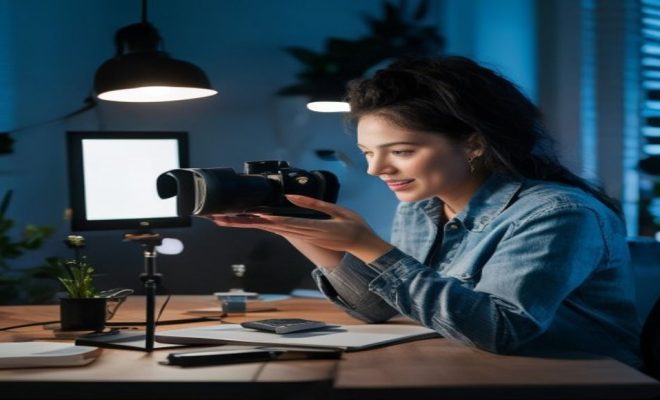
How to set up lighting for video
“`html
In the world of video production, lighting is often considered the unsung hero. While captivating content and engaging storytelling are critical, a well-executed video lighting setup can elevate your visuals from bland to breathtaking. Getting your lighting right can mean the difference between a home video and a cinematic masterpiece. Let’s explore how to achieve the perfect lighting for your video, focusing on key techniques, equipment, and practical tips that can instantly enhance your footage.
1. The Importance of Lighting in Video Production
Lighting is a fundamental component of visual storytelling. It shapes how the audience perceives the mood, tone, and depth of a scene. A good lighting setup can impact everything from the viewer’s emotional response to the clarity of the images shown. For instance, harsh shadows can create a sense of tension or unease, while soft, diffused light often conveys warmth and comfort. Understanding how to manipulate light can help you control the narrative you wish to portray.
Furthermore, lighting also plays a crucial role in ensuring the technical quality of your video. Poor lighting can lead to grainy, poorly exposed images that are difficult to watch. This is particularly important in an age where audiences have high expectations for video quality, thanks to the proliferation of HD and 4K content across platforms like YouTube and streaming services. Therefore, mastering your video lighting setup is essential for anyone looking to produce professional-looking videos.
2. Types of Lighting: Natural vs. Artificial
When setting up your video lighting, you’ll typically rely on two main types of light sources: natural and artificial. Natural lighting, which comes from the sun, can provide a beautiful, soft illumination, especially during golden hours—just after sunrise and before sunset. Many videographers prefer natural light for its ability to create a serene and inviting atmosphere.
However, relying solely on natural light can be unpredictable. Changes in weather, time of day, and even the seasons can affect your lighting conditions. This is where artificial lighting comes into play. Using artificial lights—like LED panels, softboxes, or traditional studio lights—allows for greater control and consistency. A well-rounded video lighting setup often combines both types, leveraging natural light for its aesthetic benefits while using artificial lights to fill in shadows and maintain balance.
3. Understanding Color Temperature
Color temperature, measured in Kelvin (K), refers to the warmth or coolness of a light source. It is a crucial aspect when configuring your video lighting setup. Daylight typically sits around 5600K, producing a bright, blue-white light. Conversely, tungsten lights emit a warmer light around 3200K, which can create a cozy, inviting ambiance.
When mixing different light sources, it’s essential to consider their color temperatures. Mixing daylight and tungsten can lead to unwanted color casts in your footage, making color correction a tedious task in post-production. For the best results, aim to match your lights to the primary light source or use gels to adjust the color temperature accordingly. This attention to detail will significantly enhance the visual coherence of your videos.
4. Key Lighting Techniques: Three-Point Lighting
The three-point lighting technique is a foundational concept in video lighting. It involves three light sources: the key light, fill light, and backlight (or hair light). The key light is the primary source of illumination and defines the subject’s features. Positioned at a 45-degree angle from the camera and slightly above eye level, it casts natural-looking shadows and highlights.
The fill light, placed opposite the key light, softens shadows and adds depth. This light should be less intense than the key light to maintain contrast. Lastly, the backlight creates separation between the subject and the background, adding dimension to your shot. This setup is versatile and can be adapted for various shooting scenarios, from interviews to dramatic scenes, ensuring your video lighting setup is both professional and visually appealing.
5. Essential Equipment for Video Lighting Setup
When it comes to equipment, investing in quality lighting tools can significantly impact your video quality. Essential items include LED panels, softboxes, ring lights, and reflectors. LED panels are popular due to their versatility and low heat output, while softboxes diffuse light beautifully, eliminating harsh shadows.
Ring lights are a favorite among beauty and makeup vloggers, providing flattering illumination for close-ups. Reflectors can help bounce light onto your subject, filling in shadows without the need for additional lights. Consider your shooting environment and the desired effect when choosing your lighting equipment. Each tool plays a unique role in creating a well-rounded video lighting setup. (See: Lighting in photography and video.)
6. Practical Tips for On-Location Lighting
Setting up lighting on location can present unique challenges, from limited space to unpredictable weather. Here are some practical tips to ensure your video lighting setup remains effective: first, scout the location ahead of time. Understand the natural light conditions and plan your shoot accordingly.
Consider using portable lighting solutions, such as battery-operated LED lights, which can easily be moved around. If you’re filming outdoors, utilize reflectors or flags to control and diffuse sunlight. Finally, always have a backup plan in case of changing conditions. Flexibility and preparedness are key in achieving great lighting in any environment.
7. Balancing Light and Shadow
Understanding how to balance light and shadow is crucial for a successful video lighting setup. Shadows can add depth and dimension to your scenes, but they can also obscure details if not managed correctly. To achieve balance, pay attention to your light placement and intensity.
Experiment with different angles and distances to see how they affect your subject. A common mistake is placing the key light too high, creating deep shadows that can be unflattering. Aim for a soft, even distribution of light on your subject’s face. This can be achieved by adjusting the fill light and using additional sources if necessary to maintain consistent lighting. Always remember: balance is key to a polished, professional look.
8. Post-Production Considerations
Even with the best video lighting setup, post-production will play a significant role in the final outcome of your footage. Color grading, exposure adjustments, and shadow detailing can enhance your video, but starting with a solid lighting foundation will make your post-production work significantly easier.
During editing, pay close attention to how colors appear. Properly lit scenes tend to require less color correction, allowing for a more natural look. Remember that while software can fix many issues, it’s always easier to get it right in-camera during the shooting process. A well-planned lighting setup will reduce your editing workload and lead to stunning final results.
9. Staying Updated with Lighting Trends
The world of videography and lighting is continually evolving, with new technologies and techniques emerging regularly. To keep your video lighting setup relevant and effective, it’s essential to stay informed about the latest trends. Follow industry leaders, attend workshops, and participate in online forums to exchange ideas and learn about new equipment and methods.
Recent trends include the use of RGB LED lights, which allow for creative color effects and dynamic lighting setups. Understanding how to incorporate these advancements into your work can provide unique visual opportunities. As technology progresses, be open to experimentation and innovation in your lighting approach.
10. Expert Insights on Video Lighting Setup
To get a deeper understanding of video lighting setups, we reached out to industry professionals for their insights. Renowned cinematographer Jane Doe emphasizes the importance of adjusting your lighting to fit the narrative tone. “Every color and shadow tells a story,” she notes. “You have to think about how your lighting choices can enhance the emotion of the scene.” This perspective highlights the importance of not just technical execution, but also artistic vision.
Filmmaker John Smith shares his preference for using soft lighting techniques, stating, “Soft lighting allows for a more natural and inviting look. It’s especially effective in portraying authentic emotions.” He suggests utilizing diffusion materials to achieve this effect, which can turn harsh light into soft illumination, enhancing the viewer’s connection to the subject.
These insights remind us that lighting is not just about visibility; it’s about crafting a visual narrative that resonates with the audience.
11. Common Mistakes to Avoid in Video Lighting
Even seasoned videographers can fall prey to common lighting mistakes. Here are some pitfalls to watch out for:
- Ignoring the Background: A well-lit subject against a poorly lit background can create a distracting visual imbalance. Always ensure your background lighting complements the subject.
- Overexposing or Underexposing: Proper exposure is crucial. Overexposed highlights can lose detail, while underexposed shadows can be murky. Use a histogram and monitor your exposure levels while shooting.
- Neglecting to White Balance: Failing to set the correct white balance can lead to unnatural color casts, which are hard to correct in post-production. Always calibrate your camera’s white balance according to your lighting setup.
- Relying Solely on One Light Source: Using only one light source can create flat-looking images. Always incorporate multiple light sources to create depth and dimension.
12. Comparing Different Lighting Types
When considering your video lighting setup, knowing the various types of lighting available can help you make informed choices. Here’s a breakdown of some commonly used lighting types: (See: Importance of proper lighting in environments.)
| Lighting Type | Advantages | Disadvantages |
|---|---|---|
| LED Lights | Energy-efficient, long-lasting, low heat output | Can be expensive, color accuracy varies by brand |
| Tungsten Lights | Warm light, good for creating cozy atmospheres | High heat output, short lifespan |
| Fluorescent Lights | Energy-efficient, cool temperature | Can produce flicker, color quality can be inconsistent |
| HMI Lights | High output, daylight balanced | Expensive, requires special ballasts |
This comparison can help you determine which lighting types suit your particular needs and budget, ensuring you create a video lighting setup that works best for your project.
13. Frequently Asked Questions (FAQ) about Video Lighting Setup
1. What are the best lights for beginners setting up their video lighting?
For beginners, LED lights and softboxes are great options. They are versatile, relatively affordable, and easy to use. Ring lights are also excellent for close-up shots, especially for vloggers and beauty content creators.
2. How can I achieve a cinematic look with my lighting?
A cinematic look often involves using a three-point lighting setup, paying attention to shadows, and employing color grading in post-production. Use soft lights to create a more dramatic effect and consider using gels to add color to your lights.
3. Is it necessary to invest in expensive lighting equipment?
While high-quality lighting can make a noticeable difference, it’s not always necessary to invest in the most expensive gear. Start with affordable options and upgrade as you gain experience and understand your specific lighting needs.
4. Can I use household lighting for my video production?
Yes, household lights can be used in a pinch. Just be mindful of their color temperature and intensity. Modifying them with diffusion materials can help improve quality. However, professional video lights will provide better control and consistency.
5. How do I know if my lighting is good enough?
Good lighting should provide ample illumination without harsh shadows or color casts. Test your footage and review it to see how it looks. If you find it lacking, make adjustments to your setup accordingly.
14. Advanced Lighting Techniques
If you’re looking to take your video lighting setup to the next level, consider experimenting with advanced techniques like practical lighting, motivated lighting, and chiaroscuro lighting. Practical lighting involves using existing light sources within the scene, such as lamps or candles, to enhance realism and mood.
Motivated lighting mimics the natural light sources present in your scene, making the lighting feel more organic. For example, if a character is sitting next to a window, position your key light to simulate sunlight coming from that direction. This creates a more believable environment.
Chiaroscuro lighting focuses on the strong contrast between light and shadow, often used in dramatic storytelling to evoke emotion. This technique can be effective in creating a sense of suspense or tension in your footage.
Incorporating these advanced techniques into your video lighting setup not only enhances the visual appeal of your videos but also allows for more creative storytelling possibilities. (See: Techniques for effective video lighting.)
15. Lighting for Different Genres
Understanding how to tailor your lighting setup for different genres can dramatically impact the viewer’s experience. For instance, in horror films, low-key lighting with deep shadows can evoke feelings of fear and uncertainty. You might want to use rim lighting to create eerie silhouettes and highlight danger.
In contrast, romantic comedies often benefit from soft, warm lighting that fosters a cozy, inviting atmosphere. Utilizing diffusion materials can help achieve this effect, creating a glow that flatters your subjects and enhances the overall mood.
Documentaries typically require a more naturalistic approach to lighting. Here, you may want to focus on replicating natural light conditions as closely as possible. Using soft, diffused light can make your subjects feel comfortable and authentic, enhancing the storytelling process.
By understanding the requirements of various genres, you can adapt your video lighting setup to effectively convey the desired emotions and themes in your projects.
16. Lighting Gear Recommendations
If you’re looking to invest in lighting gear for your video lighting setup, here are some recommendations that cater to different budgets and needs:
- Budget Option: Neewer 660 LED Video Light – A cost-effective option that provides adjustable brightness and color temperature.
- Mid-Range Choice: Godox SL-60W – A powerful LED light with excellent color accuracy, perfect for both studio and location shoots.
- High-End Selection: Aputure Light Storm LS C120D II – Renowned for its versatility and high-quality output, ideal for professional productions.
Additionally, consider investing in accessories like light stands, softboxes, and diffusers to enhance your lighting setup’s effectiveness and control.
17. Conclusion: The Impact of Great Lighting
In conclusion, a well-designed video lighting setup is crucial for producing high-quality video that resonates with viewers. It influences not just the technical quality of your footage but also the emotional and narrative aspects of your content. Whether you’re an aspiring filmmaker or a seasoned professional, mastering lighting techniques and understanding equipment will empower you to create visually stunning videos.
By implementing the strategies outlined in this article, you can enhance your lighting skills and transform your videos into captivating visual experiences. Remember to embrace creativity while remaining flexible—great lighting is not just about following rules; it’s about telling stories through light.
“`
Trending Now
Frequently Asked Questions
What are the best lighting techniques for video production?
The best lighting techniques for video production include three-point lighting, using natural light, and employing diffusers to soften harsh shadows. Understanding the mood you want to convey and adjusting your light sources accordingly can significantly enhance your visuals.
How does lighting affect video quality?
Lighting affects video quality by influencing the clarity, exposure, and mood of the footage. Proper lighting ensures that images are well-defined and vibrant, while poor lighting can lead to grainy, poorly exposed videos that detract from the viewer's experience.
What is the difference between natural and artificial lighting?
Natural lighting comes from the sun and provides a soft, inviting illumination, especially during golden hours. In contrast, artificial lighting is created using lamps and other equipment, allowing for more control over brightness and color temperature, making it versatile for various shooting conditions.
Why is lighting important in video production?
Lighting is crucial in video production as it shapes the audience's perception of mood and tone. It can enhance storytelling by creating depth and atmosphere, while also ensuring technical quality, which is increasingly important in a world with high expectations for video clarity.
What equipment do I need for a basic video lighting setup?
For a basic video lighting setup, you typically need key lights, fill lights, and backlights. Additionally, using reflectors, diffusers, and softboxes can help manipulate the light to achieve the desired effect and soften shadows for a more professional look.
What did we miss? Let us know in the comments and join the conversation.