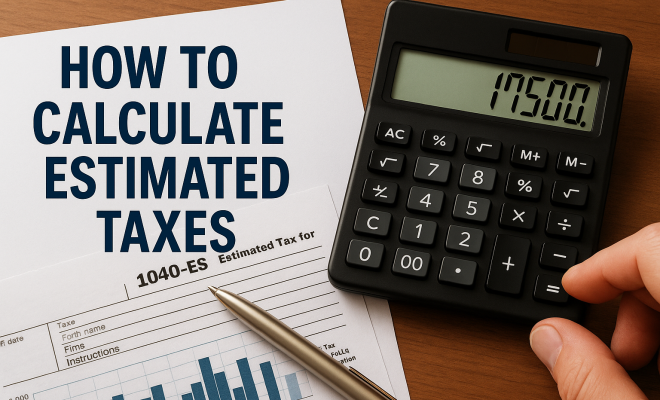
How to calculate estimated taxes
“`html
When it comes to managing your finances, understanding how to calculate estimated taxes is crucial. Whether you’re a freelancer, small business owner, or simply someone with additional income sources, knowing how to estimate your tax obligations can save you from unexpected surprises at tax time. In this comprehensive guide, we’ll explore the ins and outs of estimated taxes, how to use an estimated tax calculator effectively, and tips to ensure you stay compliant with tax regulations.
1. What Are Estimated Taxes?
Estimated taxes are payments made to the IRS on income that isn’t subject to withholding. This includes earnings from self-employment, interest, dividends, rents, and other sources. The U.S. tax system is primarily a pay-as-you-go system, meaning you must pay taxes on income as you earn it rather than waiting until the end of the year. For many taxpayers, this means making estimated tax payments quarterly.
The IRS expects taxpayers to pay their estimated taxes if they anticipate owing $1,000 or more when their return is filed. The purpose of these payments is to cover tax liabilities and help avoid tax penalties associated with underpayment. Understanding the timing and calculation involved in these payments is essential for effective tax management.
2. Who Needs to Pay Estimated Taxes?
Not everyone is required to make estimated tax payments. Generally, you need to pay estimated taxes if you fall into one of the following categories:
- You are self-employed and your earnings are not subject to withholding.
- You earn income from sources such as dividends, interest, rents, or capital gains.
- You have other taxable income that isn’t withheld, such as unemployment benefits.
- Your withholding and refundable credits won’t cover the amount you owe.
It’s crucial to determine whether you need to make these payments early in the year. If you do not pay enough throughout the year, you may face penalties, so understanding your obligations can save you time and money later on.
3. How to Use an Estimated Tax Calculator
One of the most efficient tools for calculating your estimated taxes is an estimated tax calculator. These online calculators require you to input various pieces of information, including your expected income, tax deductions, and credits. The calculator then uses the current tax rates to estimate how much you should pay quarterly.
To get started, gather your financial documents, including last year’s tax return, pay stubs, and any other relevant income information. Most calculators will ask for:
- Your expected income for the year
- Current withholding amounts
- Planned deductions and credits
After you input this data, the calculator will provide an estimated tax liability, breaking it down into quarterly payments. Remember, while these calculators are useful, they are only estimates. Regularly reviewing your income and expenses will help ensure your payments stay accurate.
4. Steps to Calculate Your Estimated Taxes
Calculating estimated taxes involves several key steps:
- Determine Your Expected Income: Estimate your total income for the year, which includes wages, freelance earnings, rental income, and any other sources.
- Calculate Deductions: Identify any deductions you can claim, like the standard deduction or itemized deductions. These can significantly reduce your taxable income.
- Apply Tax Rates: Use the current tax brackets to calculate the tax owed on your taxable income.
- Account for Credits: Subtract any tax credits you are eligible for, as these can reduce your overall tax liability.
- Divide by Four: If you owe estimated taxes, divide the total amount by four to determine your quarterly payment.
Following these steps will help you accurately assess your estimated tax obligations and avoid any potential penalties.
5. Deadlines for Estimated Tax Payments
Estimated tax payments are due quarterly, with specific deadlines to keep in mind: (See: IRS guide on estimated taxes.)
- First quarter: April 15
- Second quarter: June 15
- Third quarter: September 15
- Fourth quarter: January 15 of the following year
These deadlines correspond to the income earned during the previous quarter. It’s essential to mark these dates on your calendar to avoid late payments, which can lead to penalties and interest.
Keep in mind that if a deadline falls on a weekend or a holiday, you can file your payment the next business day. Staying organized and proactive about these dates can save you a lot of stress come tax time.
6. How to Avoid Penalties for Underpayment
The IRS imposes penalties if you do not pay enough taxes throughout the year. To avoid these penalties, consider the following strategies:
- Pay at Least 90% of Your Current Year Tax Liability: If you pay 90% of your total tax liability for the current year as estimated payments, you can avoid penalties, even if you underpay.
- 100% of Last Year’s Tax Liabilities: If your adjusted gross income was less than $150,000, paying 100% of last year’s tax bill can also keep you penalty-free.
- File and Pay On Time: Ensure that you submit your estimated payments by the deadlines to avoid late fees.
By implementing these strategies, you can minimize your risk of incurring underpayment penalties and manage your tax responsibilities more effectively.
7. Adjusting Your Estimated Taxes Throughout the Year
As your financial situation changes—perhaps due to a new job, a promotion, or a business venture—you may need to adjust your estimated taxes. It’s wise to reassess your tax situation at least once every quarter. If you anticipate earning more income, increase your estimated payments to account for the additional tax liability.
Conversely, if your income decreases or you anticipate claiming more deductions or credits, you might be able to lower your estimated payments. Utilize the estimated tax calculator frequently to reflect these changes. This ongoing adjustment ensures you remain compliant and reduces the stress of facing a significant tax bill at year-end.
8. Common Mistakes to Avoid
Understanding the common pitfalls in calculating estimated taxes can help you avoid unnecessary complications:
- Failing to Keep Accurate Records: Documentation is key when estimating taxes. Failing to track income and expenses can lead to inaccurate calculations.
- Ignoring Changes in Income: Not adjusting your estimated taxes according to income changes can lead to either overpaying or underpaying your taxes.
- Missing Deadlines: Procrastinating and missing the payment deadlines can result in penalties and interest, which can add up quickly.
By being proactive and aware of these common mistakes, you can effectively navigate your estimated tax payments and stay on top of your financial obligations.
9. Resources for Further Assistance
For individuals seeking additional guidance on estimated taxes, numerous resources are available:
- IRS Website: The IRS provides a wealth of information on estimated taxes, including publication 505 and Form 1040-ES, which can help you understand your obligations.
- Tax Professionals: Consulting a tax professional can provide personalized advice based on your specific situation.
- Online Calculators: Various online estimated tax calculators simplify the calculation process and help ensure accuracy.
Leveraging these resources can enhance your understanding and help you manage your tax responsibilities effectively.
10. Tax Changes and Their Impact on Estimated Tax Payments
Tax laws can change frequently, and it’s important to stay informed about any updates that could affect your estimated tax payments. For example, changes in tax brackets, deductions, or credits can significantly alter your tax liability. Staying updated through reputable sources or consulting with a tax professional can help you navigate these changes effectively.
For instance, the Tax Cuts and Jobs Act (TCJA) introduced several changes that impacted many taxpayers. This included adjustments to the standard deduction and changes to itemized deductions. In the years following significant tax reforms, many individuals may find their estimated tax calculations differ from previous years due to these changes.
Also, consider the impact of local and state tax changes. Many states are adjusting their tax rates and structures, which can add an additional layer of complexity to your estimated tax calculations. It’s essential to factor in both federal and state tax obligations when utilizing your estimated tax calculator.
11. Example Scenarios for Calculating Estimated Taxes
Let’s walk through a few hypothetical scenarios to illustrate how to use an estimated tax calculator effectively:
Scenario 1: Freelance Graphic Designer
Imagine you’re a freelance graphic designer who expects to earn $60,000 this year. After considering your expenses, you can deduct $10,000, bringing your taxable income to $50,000. Using the current tax brackets, you determine your tax liability is approximately $7,500. Dividing this by four, you would need to pay an estimated tax of about $1,875 quarterly.
Scenario 2: Real Estate Investor
As a real estate investor, you earn $100,000 from rental income but have $30,000 in deductible depreciation. This results in a taxable income of $70,000. Using an estimated tax calculator, your estimated tax liability comes to around $10,500. Splitting this into quarterly payments means you need to pay about $2,625 every three months.
Scenario 3: Small Business Owner
As a small business owner, you have a projected revenue of $150,000. After expenses and deductions totaling $50,000, your taxable income stands at $100,000. With current tax rules, your estimated tax is approximately $15,000, necessitating quarterly payments of $3,750.
12. Frequently Asked Questions (FAQ)
What happens if I miss an estimated tax payment?
If you miss a payment, you may incur penalties and interest on the unpaid amount. It’s best to pay as soon as you can to minimize these extra costs. The IRS allows you to make up missed payments in the following quarter.
Can I change my estimated tax payments mid-year?
Yes, you can adjust your estimated payments at any time if your income changes significantly or if you find you’re overpaying or underpaying based on your calculations. Just make sure to keep track of your financial situation and update your estimated tax calculator accordingly.
Is there a penalty for overpaying estimated taxes?
No, you won’t face penalties for overpaying. In fact, if you overpay, you can apply the excess amount to the next year’s estimated taxes or request a refund when you file your tax return.
Can I use last year’s taxes to estimate this year’s taxes?
While you can use last year’s tax liability as a baseline, it’s essential to adjust this figure based on any expected changes in income, deductions, or tax laws. An estimated tax calculator can help you refine this estimate for the current year.
Are there any resources to help with estimated taxes for self-employed individuals?
Absolutely! The IRS offers several resources, including publications specifically for self-employed taxpayers. Additionally, consulting with a tax professional who understands your specific situation can provide valuable insights and guidance.
13. New Tax Developments and Their Implications
Keeping abreast of new tax developments is vital for anyone needing to estimate their taxes. For example, the IRS periodically updates tax brackets and rates, which directly affect your estimated tax calculations. In 2023, there were adjustments to certain income thresholds, which could result in a different tax liability compared to previous years. You can check the IRS website for the most current brackets and any new tax laws.
Additionally, changes in your personal situation, like marriage, divorce, or having children, can influence your taxes significantly. These life events can introduce new deductions or credits that help lower your taxable income. For instance, the Child Tax Credit could offer substantial savings, especially for families, making it essential to recalibrate your estimated tax payments if you experience such changes.
14. Using Technology to Manage Your Taxes
In today’s digital age, technology plays a significant role in managing your finances, including estimated taxes. Several software options can help keep your tax calculations accurate and up-to-date. Tools like QuickBooks or TurboTax offer integrated solutions for invoicing, expense tracking, and tax calculations, allowing you to maintain a clear overview of your financial health.
Moreover, mobile apps can facilitate real-time tracking of your income and expenses. This approach provides you with the latest data to make informed decisions about your estimated tax payments. Many apps also include features for reminders about tax deadlines, simplifying your tax management further and helping you avoid late payments.
15. Tax Planning Strategies for Freelancers and Small Business Owners
Tax planning is especially crucial for freelancers and small business owners, who may face variable income. Consider these strategies to help optimize your estimated taxes:
- Set Aside a Percentage of Your Income: A common practice is to set aside 25-30% of your income for taxes. This cushion can prevent surprises and simplify your budgeting.
- Consider the Benefits of Incorporation: Depending on your business structure, you might benefit from tax savings by forming an LLC or corporation. These entities often have different tax obligations and can provide opportunities for tax deductions.
- Maximize Deductions: Keep detailed records of all business-related expenses. Deductions such as home office expenses, travel, and professional services can significantly reduce your taxable income.
- Retirement Contributions: Contributing to retirement accounts like a SEP IRA or Solo 401(k) can lower your taxable income while also helping you save for the future. The contributions you make can be deducted from your taxable income, further reducing your estimated tax liability.
16. Final Thoughts on Managing Estimated Taxes
Understanding how to calculate estimated taxes is essential for anyone who earns income outside of traditional employment. By using an estimated tax calculator and following the outlined steps, you can take control of your tax responsibilities and avoid penalties. With careful planning and regular adjustments, you can navigate the complexities of estimated taxes, ensuring peace of mind as tax season approaches.
By integrating technology into your tax management process and staying aware of tax law changes, you’ll be better prepared for any financial shifts that may arise. Whether you’re self-employed, a small business owner, or someone with varying income sources, proactively managing your estimated taxes helps ensure you remain compliant and financially secure.
“`
Trending Now
Frequently Asked Questions
What are estimated taxes?
Estimated taxes are payments made to the IRS on income not subject to withholding, like self-employment earnings, interest, and dividends. This pay-as-you-go system requires taxpayers to pay taxes as they earn income, often through quarterly payments, if they expect to owe $1,000 or more at tax time.
Who needs to pay estimated taxes?
You need to pay estimated taxes if you're self-employed, earn income from dividends, interest, rents, or capital gains, or have taxable income that isn't withheld. If your withholding and refundable credits don't cover what you owe, making these payments is essential to avoid penalties.
How do I calculate estimated taxes?
To calculate estimated taxes, determine your expected annual income, subtract deductions, and apply the appropriate tax rate based on your tax bracket. You can also use an estimated tax calculator to simplify the process and ensure accurate payment amounts throughout the year.
When are estimated taxes due?
Estimated taxes are generally due quarterly, with specific deadlines falling on April 15, June 15, September 15, and January 15 of the following year. Meeting these deadlines is crucial to avoid penalties for underpayment throughout the year.
What happens if I don't pay estimated taxes?
If you fail to pay estimated taxes, you may face penalties and interest on the unpaid amounts. The IRS expects timely payments to avoid underpayment issues, so it's essential to assess your tax obligations early and make necessary payments to remain compliant.
Agree or disagree? Drop a comment and tell us what you think.