Google AI in Travel Search: Revolutionizing Vacation Planning
“`html
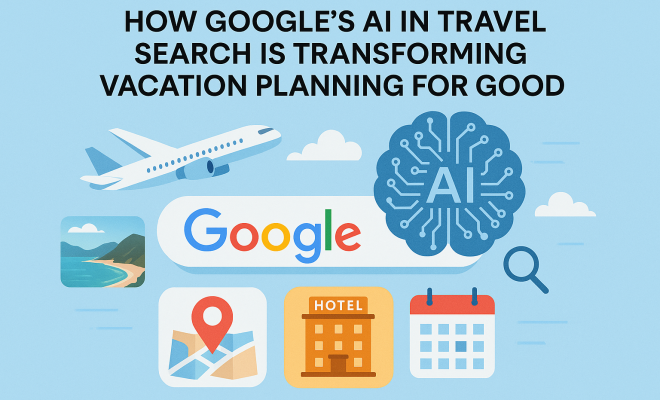
Travel is evolving, and at the heart of this transformation is a technological revolution led by Google. The integration of artificial intelligence (AI) in travel search is not just a trend; it’s reshaping how travelers discover destinations, activities, and experiences. With users increasingly seeking specific information—like the best family-friendly activities in a given city—Google’s AI is streamlining the process in ways that are both exciting and challenging for the travel industry. Let’s explore how this shift is impacting travel planning and whether the industry is prepared for these changes.
1. The New Landscape of Travel Search
In the past, travel planning often resembled a treasure hunt. Travelers would sift through endless pages of results, looking for the best destinations, hotels, and activities. However, with the rise of AI in travel search, this process is becoming more streamlined and personalized. Instead of generic recommendations, users can now pose highly specific questions, such as “What are the top attractions for families in Paris?” or “What are the must-try local foods in Bangkok?”
Google’s AI algorithms are designed to understand these nuances better than ever. By analyzing vast amounts of data—including user behavior, preferences, and geographical trends—Google can deliver tailored results that resonate with individual needs. This shift means that users are no longer just browsing for ideas; they are receiving personalized recommendations tailored to their unique travel desires.
2. Understanding User Intent
One of the most significant changes brought about by AI in travel search is the increased focus on user intent. Rather than merely looking for a vacation spot, travelers are now expressing specific needs and desires. This shift has prompted Google to refine its algorithms in a way that prioritizes intent-driven search results.
For example, if a traveler types “best hiking trails near Denver,” the search results will prioritize content that directly addresses this query. This is a game-changer because it allows travelers to find relevant information quickly and reduces the noise created by unrelated search results. As a result, users are more likely to engage with the content that appears, leading to higher click-through rates and potentially increased bookings for businesses that cater to these specific requests.
3. The Impact on Traditional Travel Sites
The rise of AI-driven search capabilities raises questions about the future of traditional travel sites. As Google enhances its ability to answer complex queries, the visibility of established travel platforms may diminish. This shift has left many in the industry anxious about how they can compete in a landscape increasingly dominated by Google’s AI.
Travel companies that once relied heavily on organic search traffic might need to rethink their strategies. With Google now acting as the primary gatekeeper for travel information, businesses must optimize their content for AI-driven searches. This includes focusing on long-tail keywords that reflect user intent and creating high-quality content that answers specific questions travelers might have.
4. AI: A Double-Edged Sword
While the capabilities of AI in travel search offer incredible opportunities for personalization, they also pose significant challenges. On one hand, AI can make travel planning easier and more efficient by providing tailored recommendations. On the other hand, there are concerns about the reliability of the information and the potential for misinformation.
As travelers become increasingly reliant on AI-generated suggestions, it’s crucial to consider the sources of that information. Are they trustworthy? Are they updated regularly? Misleading or outdated information can create frustrating experiences for travelers, leading to a sense of distrust in the very tools designed to assist them. The travel industry must work diligently to ensure that the information fed into AI systems is accurate and reliable.
5. The Role of Content Quality
In a world where AI in travel search is becoming the norm, the quality of content is more critical than ever. Businesses must produce high-quality, relevant content that aligns with user intent. This means creating in-depth guides, engaging blogs, and practical resources that answer common travel questions. (See: AI transforming travel industry.)
For instance, instead of merely listing hotels in a city, companies should provide comprehensive insights about family-friendly accommodations, including amenities, activities, and nearby attractions. Such content not only improves visibility in AI-driven searches but also builds trust and authority with potential travelers. The more helpful and informative the content, the more likely it is to be favored by Google’s AI.
6. Embracing AI for Enhanced Customer Experience
The travel industry is at a crossroads where embracing AI can significantly enhance customer experience. AI technologies can be leveraged for chatbots, personalized travel advice, and even predictive analytics to forecast travel trends. This means that companies can better cater to the needs of their customers by anticipating what they want before they even ask.
Imagine planning a trip where your digital assistant suggests activities based on previous vacations or preferences you’ve expressed. This kind of personalized interaction can elevate the travel experience from mundane to memorable. Businesses that harness AI effectively will likely see higher customer satisfaction and loyalty, setting them apart in a competitive landscape.
7. Balancing Automation with Human Touch
As AI continues to take center stage in travel search, finding the right balance between automation and human interaction remains crucial. While AI can handle many inquiries and tasks efficiently, travelers often crave a personal touch, especially when it comes to significant decisions like booking a vacation.
Travel advisors and agencies need to adapt by integrating AI tools that enhance their services without replacing the human element. For example, AI can be used to handle routine queries and provide data-driven insights, freeing up agents to focus on providing personalized advice and addressing complex concerns. This hybrid approach allows businesses to maintain a competitive edge while ensuring that clients feel valued and understood.
8. The Future of Travel Planning
The evolution of AI in travel search is just beginning. As technology advances, we can expect even more sophisticated tools that will redefine how we plan our trips. Think of voice-activated searches, augmented reality travel guides, and even AI-driven itineraries that adapt as users provide feedback.
In this fast-paced digital landscape, the key to thriving will be adaptability. Businesses that remain open to changing technologies and invest in understanding AI’s potential will be better positioned to meet the evolving demands of travelers. Whether it simplifies the search for the perfect vacation or complicates traditional search methods, the influence of AI is undeniable and will shape the future of travel planning.
9. The Economic Impact of AI in Travel Search
The integration of AI in travel search isn’t just a technological shift; it has far-reaching economic implications. According to a recent report by Phocuswright, the travel industry is projected to grow to $11 trillion by 2025, with a significant portion of that growth fueled by advancements in technology, including AI. As companies invest in AI tools to enhance travel search, there’s an expectation of increased operational efficiency and revenue generation.
Additionally, AI can help reduce costs for travel companies by automating processes that were traditionally labor-intensive. For instance, customer service chatbots can handle thousands of inquiries simultaneously, drastically cutting down response times and freeing human agents to tackle more complex issues. This not only improves customer satisfaction but also potentially increases sales as inquiries are resolved faster and more efficiently.
Moreover, AI-driven insights can enable businesses to tailor their marketing strategies more effectively. By understanding traveler preferences and behaviors, companies can create targeted campaigns that resonate with specific audiences, thus maximizing marketing ROI.
10. Case Studies: Success Stories of AI in Travel Search
Several companies are leading the way in integrating AI into their travel search processes, setting a benchmark for others in the industry. For example, Expedia has implemented AI technologies to provide users with personalized travel recommendations based on their search history and preferences. By analyzing previous bookings and user interactions, Expedia can suggest trips and accommodations that align closely with individual traveler profiles.
Another notable example is Kayak, which uses AI to predict flight prices based on historical data and seasonal trends. Users can receive alerts about price drops or optimal times to book their flights, significantly enhancing the travel planning experience. These success stories illustrate how leveraging AI not only improves user experience but also drives business growth through increased engagement and conversions. (See: Google's AI in travel search.)
11. Challenges Ahead: Navigating AI Ethics
While the benefits of AI in travel search are evident, there are also ethical considerations that companies must navigate. Issues related to data privacy, algorithmic bias, and transparency are increasingly coming under scrutiny. As AI systems rely heavily on user data to provide personalized experiences, ensuring that this data is handled responsibly is crucial.
For instance, travelers are often unaware of how their information is being used. To build trust, companies must be transparent about their data collection practices and ensure users give informed consent. Addressing these ethical concerns proactively can help mitigate potential backlash and foster a more positive relationship between consumers and technology.
12. Frequently Asked Questions about AI in Travel Search
What is AI in travel search?
AI in travel search refers to the use of artificial intelligence technologies and algorithms to enhance the travel planning process by providing users with personalized recommendations, relevant information, and efficient search results tailored to their specific queries.
How does AI improve the travel search experience?
AI improves travel search by analyzing user data and behavior to deliver tailored recommendations, streamline search results, and reduce the time taken to find relevant travel information. It can also predict trends and preferences, making for a more efficient planning process.
Are there any risks associated with using AI in travel search?
Yes, there are risks including data privacy concerns, the potential for misinformation, and algorithmic bias that could lead to unfair practices. It’s essential for companies to address these issues to maintain user trust and provide accurate information.
How can travelers benefit from AI in travel search?
Travelers benefit from AI through personalized recommendations, quicker access to relevant information, and tools that can help them make informed decisions based on data-driven insights about destinations, accommodations, and activities.
What does the future hold for AI in travel search?
The future of AI in travel search looks promising, with advancements expected to lead to even more personalized experiences. Innovations may include voice search, AR travel planning tools, and dynamic itineraries that adapt in real-time based on user feedback and changing preferences.
13. AI Tools and Technologies Revolutionizing Travel Search
To fully grasp the impact of AI in travel search, it’s important to look at specific tools and technologies that are revolutionizing the industry. Natural Language Processing (NLP) is one such advancement. NLP allows machines to understand and interpret human language in a way that feels natural. This technology is crucial for chatbots and virtual travel assistants, making interactions more conversational and intuitive.
For example, platforms like Google Assistant or Apple’s Siri can now help travelers with queries ranging from booking flights to finding local attractions. These tools rely on AI to process and understand user inquiries quickly, providing answers that are contextually relevant and useful.
14. Statistics Highlighting AI’s Influence on Travel Search
The influence of AI in travel search is not just anecdotal; numerous studies and statistics underline this trend. Research from Amadeus indicates that 83% of travelers are willing to share personal data if it leads to a more personalized travel experience. Furthermore, a study by Deloitte found that companies using AI in travel-related customer service are seeing improvements of up to 25% in customer satisfaction ratings. (See: Impact of AI on travel planning.)
Additionally, a report by McKinsey suggests that AI could save the travel industry up to $100 billion annually by optimizing operations and reducing costs. These statistics paint a clear picture of AI’s growing relevance in travel search and the industry’s readiness to embrace this change.
15. Comparing AI in Travel Search: Case Studies from Different Regions
The implementation of AI in travel search varies significantly around the globe, with different regions adopting distinct approaches based on local consumer behavior and technological readiness. In Asia, for instance, companies like Ctrip (now Trip.com) have made significant inroads by integrating AI to offer real-time travel booking capabilities and personalized recommendations. Their platform is designed to cater to the tech-savvy population that demands instant results.
In Europe, the focus is often on sustainability and eco-friendly travel, leading companies like Skyscanner to leverage AI for promoting green travel options. They provide users with not just the most economical flights but also the most environmentally friendly choices available, aligning travel planning with growing consumer demand for sustainable practices.
Meanwhile, in North America, platforms like Airbnb are harnessing AI to enhance user experience by suggesting accommodations based on previous stays and preferences. This regional approach highlights how cultural differences and market demands shape the deployment of AI technologies in travel search.
16. The Role of Social Media in AI-Powered Travel Search
Social media platforms are increasingly playing a pivotal role in shaping travel search. With AI algorithms analyzing vast amounts of social media data, companies can understand trends and user preferences better than ever. For example, Instagram has become a powerful tool for travel inspiration, with many users discovering destinations through visually compelling posts.
Travel companies are now integrating social media insights into their AI systems to create targeted marketing campaigns. This not only increases visibility but also allows for real-time engagement with potential travelers. By monitoring social media trends, businesses can adjust their offerings to align with what users are currently interested in, creating a more dynamic and responsive travel search environment.
As we move forward, it’s essential for travelers and industry players alike to stay informed about these changes. Will AI in travel search ultimately make planning easier or will it complicate things further? The answer may lie in the balance between leveraging technology and maintaining the human touch that makes travel experiences truly unforgettable.
“`
Trending Now
Frequently Asked Questions
How is AI changing travel search?
AI is transforming travel search by personalizing results based on user intent and specific queries. Instead of generic suggestions, travelers can now receive tailored recommendations for destinations, activities, and experiences that align with their unique preferences.
What benefits does AI provide in vacation planning?
AI streamlines vacation planning by analyzing user behavior and preferences to deliver personalized recommendations. This allows travelers to find the best options quickly, such as family-friendly activities or local cuisine, enhancing their overall planning experience.
How does Google’s AI understand user intent?
Google's AI understands user intent by analyzing vast amounts of data, including search queries and geographical trends. This enables it to prioritize results that match specific needs, ensuring travelers receive relevant information tailored to their inquiries.
What types of questions can travelers ask AI in search?
Travelers can ask highly specific questions to AI in search, such as 'What are the top attractions for families in Paris?' or 'What are the best local foods to try in Bangkok?' This specificity helps them find personalized recommendations quickly.
Is the travel industry ready for AI integration?
The travel industry is adapting to AI integration, but challenges remain. As AI continues to evolve, businesses must refine their strategies to meet the increasing demand for personalized travel experiences, ensuring they can keep pace with changing consumer expectations.
What’s your take on this? Share your thoughts in the comments below — we read every one.