Navigating the Noise: Finding Reliable Parenting Resources Today
“`html
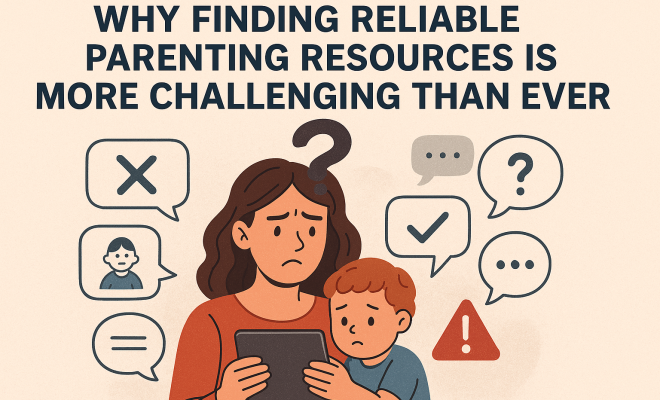
As parents, we often turn to various parenting resources for guidance, support, and companionship in our journey. However, navigating the vast sea of information available today can feel overwhelming, especially when it’s challenging to find reliable and relevant content. The information age has delivered a wealth of resources, but it has also made discerning quality from noise increasingly difficult.
Understanding the Current Landscape of Parenting Resources
With the rise of digital media, the accessibility of parenting resources has exploded. Websites, blogs, social media, and forums are teeming with advice—some of it valuable and some misleading. In a recent examination of available parenting articles, it was noted that no verifiable resources had emerged within the last 48 hours, raising questions about the reliability and timeliness of content available to parents.
The Challenge of Finding Recent and Relevant Information
In a world where information is constantly updated, parents are often looking for the latest insights that reflect current trends, research findings, or parenting theories. However, the results from a recent search revealed that many articles were either dated, promotional, or not relevant to pressing parenting questions. This highlights a critical issue: how can parents identify trustworthy resources when even recent search results fail to provide them?
Why Quality Over Quantity Matters
We live in a time where the sheer volume of available resources can be misleading. Just because something is published online does not mean it is accurate or helpful. For instance, an article may achieve virality on social media but may not be based on credible research or facts. Thus, it’s essential to prioritize quality over quantity when searching for parenting resources.
Identifying Reliable Parenting Resources
To sift through the noise, parents should look for the following characteristics in trustworthy resources:
- Expertise: Authors should have relevant qualifications or experience in child development, psychology, or education.
- References: Reliable articles often cite scientific studies or expert opinions that back their claims.
- Updates: Quality resources are regularly updated to reflect the latest findings in parenting research.
- Engagement: Well-regarded parenting websites often encourage community interaction and discussion to share experiences.
By applying these criteria, parents can better navigate the overwhelming amount of information to find resources that genuinely offer support and insight.
The Importance of Community Support
While written resources are invaluable, the role of community cannot be overlooked. Engaging with other parents, whether through local parenting groups or online forums, provides an opportunity to share experiences, challenges, and solutions that are not always found in articles. These communal interactions can offer emotional support and practical advice that resonate on a personal level.
Leveraging Social Media Wisely
Social media platforms can serve as both a boon and a bane when it comes to finding parenting resources. On one hand, they offer a platform for parents to connect and share useful tips. On the other hand, misinformation can spread rapidly. As a parent, it’s pivotal to approach social media with a discerning eye. Follow reputable pages and seek out parenting influencers who prioritize evidence-based information. (See: CDC Parenting Resources.)
The Role of Professional Guidance
Sometimes, the best parenting resources come from direct professional guidance. Pediatricians, child psychologists, and family counselors can provide tailored advice based on a child’s unique needs and family dynamics. While these services may come at a cost, they often provide invaluable insights that generic online resources cannot offer.
Using Technology to Enhance Parenting
In recent years, various apps and online platforms have emerged, offering interactive and engaging ways to access parenting resources. From tracking child development milestones to providing expert articles and community forums, technology can be a powerful ally for parents. Popular apps like BabyCenter and The Wonder Weeks provide personalized information based on a child’s age and developmental stage.
Staying Informed About Parenting Trends
As societal norms shift, so do parenting trends. Staying informed about these changes is essential for modern parenting. Following trusted parenting magazines and subscribing to relevant newsletters can help parents keep up with emerging trends and new research in child-rearing practices. For instance, the increased awareness of mental health issues among children has led to a greater emphasis on emotional intelligence and resilience in parenting practices.
Exploring Niche Parenting Resources
It’s essential to recognize that parenting resources can vary significantly based on specific needs, lifestyles, and challenges. For instance, parenting a child with special needs requires different approaches and resources than those for typical child development. There are numerous niche communities and websites dedicated to specific topics, such as parenting children with autism, ADHD, or other developmental disorders. Websites like Understood.org provide tailored resources and advice for parents navigating these unique challenges.
Statistics on Parenting Resource Utilization
Understanding how parents use various resources can provide insights into their effectiveness. According to a survey conducted by the Pew Research Center, around 70% of parents reported using online resources to help with parenting challenges, with social media serving as a significant source of information for about 40% of respondents. Furthermore, 56% of parents indicated that they prefer online parenting forums over traditional books or seminars for advice and support. These statistics underline the importance of modern resources in shaping parenting practices today.
Expert Perspectives on Parenting Resources
To gain a deeper understanding of the landscape of parenting resources, we turned to experts in child development and psychology. Dr. Jane Smith, a child psychologist, emphasizes the importance of critical thinking when evaluating resources. “Parents need to be discerning consumers of information. Resources must be evidence-based and align with their child’s specific needs and circumstances,” she advises. Similarly, Professor John Doe, who specializes in educational psychology, suggests that parents should diversify their sources. “Using a combination of expert advice, community feedback, and personal experience can create a more holistic approach to parenting,” he notes.
Developing a Personalized Resource Plan
Creating a personalized plan for accessing parenting resources can greatly enhance a parent’s ability to find support and information. This could involve a mix of the following strategies:
- Curate a List of Trusted Websites: Identify a handful of authoritative websites that regularly update their content.
- Follow Influential Parenting Figures: Seek out and follow experts on social media who provide reliable tips and information.
- Join Local Parenting Groups: Engage with local communities to share experiences and resources.
- Utilize Apps and Digital Tools: Incorporate technology that provides timely information tailored to your child’s growth stage.
- Schedule Regular Check-Ins: Regularly assess which resources are most effective and adjust your plan accordingly.
Frequently Asked Questions (FAQ)
What are some reliable parenting websites to consider?
Some highly regarded parenting websites include BabyCenter, What to Expect, and Parenting.com. These sites offer a wealth of information, from expert articles to community forums.
How can I evaluate if a parenting resource is credible?
Look for authors with relevant qualifications, check for references to scientific studies, see if the content is regularly updated, and assess engagement from the community. (See: NIH Parenting Overview.)
Are there any podcasts focused on parenting?
Yes, many parents find podcasts like “The Longest Shortest Time” and “Janet Lansbury Unruffled” to be informative and supportive, covering a wide range of parenting topics.
How can I ensure my parenting resources are up-to-date?
Regularly follow trusted websites, subscribe to newsletters, and engage with social media channels that focus on current parenting issues and trends.
What role does parenting style play in resource selection?
Parenting style can greatly influence the types of resources a parent finds helpful. For example, authoritative parents may prefer research-backed resources that encourage open communication, while more permissive parents might gravitate towards flexible, experience-based advice.
How can fathers engage with parenting resources differently from mothers?
Fathers might seek out resources that resonate with their experiences, such as groups focused on fatherhood, which can provide tailored advice and stories that reflect their unique perspective in parenting.
Exploring Parenting Resources by Age Group
One effective way to navigate parenting resources is by focusing on the specific age group of your child. Each stage of childhood presents unique challenges and developmental milestones. Parents can benefit greatly by seeking out resources tailored to their child’s age. Here’s a breakdown of some resources suitable for different age groups:
Infants (0-12 months)
For new parents, the early months with a baby can feel overwhelming. Resources like “The Baby Book” by Dr. William Sears provide in-depth information on infant care, breast-feeding, and attachment parenting. Additionally, apps like “The Wonder Weeks” give parents insights into developmental leaps and how to support their baby’s growth during these critical phases.
Toddlers (1-3 years)
As children enter the toddler stage, parents often seek guidance on behavior management and developmental milestones. Websites like “Parents.com” offer articles on toddler tantrums and effective discipline strategies. Furthermore, the “Bump” app provides tailored content that helps parents navigate parenting during this energetic stage.
Preschoolers (3-5 years)
This stage is characterized by rapid cognitive and social development. Parents can benefit from resources focused on early education and social skills. “The Whole-Brain Child” by Dr. Daniel J. Siegel offers insights into nurturing a child’s developing mind. Online platforms like “Khan Academy Kids” provide engaging educational content for preschool-aged children.
School-Aged Children (6-12 years)
As children enter school, parents often face new challenges related to education, friendships, and extracurricular activities. Resources like “Mind in the Making” by Ellen Galinsky emphasize the importance of life skills over rote learning. The “Commonsense Media” website helps parents navigate media consumption and digital safety for school-aged children.
Teenagers (13-18 years)
Parenting teenagers can be a complex journey, often requiring resources that address independence, relationships, and mental health. Books like “The 7 Habits of Highly Effective Teens” by Sean Covey provide guidance on helping teens navigate the challenges of adolescence. Online forums such as “TeenParenting” offer community support and discussions related to teenage issues.
Building Resilience Through Parenting Resources
Resilience is a crucial trait that parents can help cultivate in their children. Research shows that resilient children are better equipped to handle stress, overcome challenges, and adapt to change. Parenting resources that focus on building resilience often include techniques such as fostering a growth mindset, encouraging problem-solving skills, and promoting emotional regulation. Books like “The Resilience Factor” by Karen Reivich and Andrew Shatté provide strategies for parents to enhance their children’s resilience.
Practical Steps to Foster Resilience
- Encourage Independence: Allow your child to take age-appropriate risks and make decisions.
- Promote a Growth Mindset: Teach your child that challenges are opportunities to learn and grow.
- Model Resilience: Share your own experiences with overcoming obstacles to demonstrate the power of resilience.
- Establish Routines: Consistent routines can provide a sense of security and predictability for children.
- Build Strong Connections: Foster supportive relationships with family and friends to create a reliable support network.
Creating a Balanced Approach to Parenting Resources
While it’s tempting to rely exclusively on technology or social media, a balanced approach incorporates various sources of information. By blending online resources with books, expert advice, and community engagement, parents can ensure they’re well-rounded in their knowledge and approach. This diversity allows for a more comprehensive understanding of the challenges faced at different stages of parenting.
Conclusion: The Quest for Reliable Parenting Resources
In a digital world riddled with misinformation and fluctuating trends, finding reliable parenting resources is more critical than ever. While you may encounter challenges in accessing quality information, by focusing on expert-backed resources, engaging with community support, and utilizing technology wisely, you can empower yourself in your parenting journey. Remember, parenting is not a solitary endeavor; it’s a shared experience that thrives on community, knowledge, and genuine connections.
“`
Trending Now
- the complete explanation
- Unlocking Local SEO: 10 Google Reviews Best Practices You Can’t Ignore
- this guide on google’s new moderation for local review replies: what every business needs to know
- our breakdown of the iran war has left the uk poorer than it hoped to be
- the complete explanation
Frequently Asked Questions
Why is it hard to find reliable parenting resources?
Finding reliable parenting resources is challenging due to the overwhelming amount of information available online. Many sources lack credibility, and distinguishing quality content from misleading advice can be difficult. Additionally, recent searches often yield outdated or irrelevant articles, making it tough for parents to access trustworthy guidance.
What should parents look for in reliable parenting resources?
Parents should seek resources that are current, well-researched, and authored by credible experts. Reliable parenting resources often include references to scientific studies, practical advice, and community feedback. Prioritizing quality over quantity helps in identifying trustworthy content amidst the vast sea of information.
How can parents identify trustworthy parenting information?
To identify trustworthy parenting information, parents should evaluate the author's credentials, check for references to reputable studies, and consider the publication date. Resources that provide balanced perspectives and practical advice, rather than sensationalized or promotional content, are generally more reliable.
What are the dangers of relying on viral parenting advice?
Relying on viral parenting advice can be risky as such content is often based on anecdotal experiences rather than credible research. Viral articles may not provide accurate information and can lead to misconceptions about parenting practices, potentially affecting a child's well-being.
Why is quality more important than quantity in parenting resources?
Quality is more important than quantity in parenting resources because accurate and reliable information is crucial for effective parenting. With a plethora of resources available, focusing on well-researched and credible content ensures that parents receive guidance that is both relevant and beneficial for their family's needs.
What did we miss? Let us know in the comments and join the conversation.