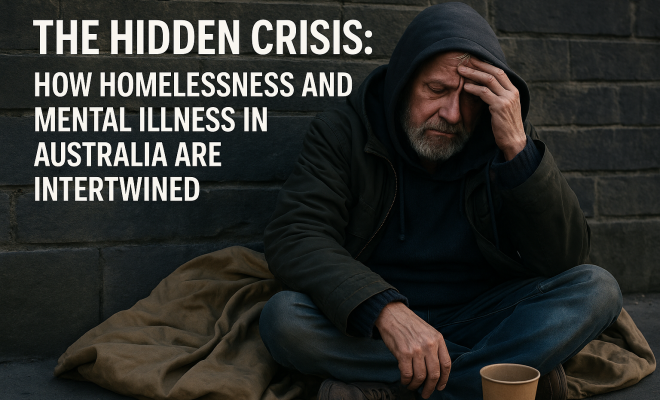
The Hidden Crisis: How Homelessness and Mental Illness in Australia Are Intertwined
“`html
Homelessness and mental illness in Australia represent a deeply troubling intersection that often goes unseen amid broader societal issues. The systematic review conducted on this topic reveals shocking statistics and heart-wrenching realities for those caught in this dual struggle. As we explore the pervasive nature of mental illness among the homeless population, the urgent need for effective intervention and systemic reform becomes paramount.
The Alarming Reality of Concurrent Conditions
People experiencing both homelessness and mental illness often confront daunting challenges that exacerbate their situations. They are not just facing a lack of stable housing; they contend with severe psychiatric conditions, including psychotic disorders, mood disorders, and the aftermath of trauma. Notably, the review highlights the prevalence of co-occurring substance use disorders, which further complicates their recovery and reintegration into society.
This combination of factors places individuals in a precarious position. It’s not merely homelessness that they battle; it’s a confluence of mental health issues that makes escaping the cycle of poverty and instability significantly more difficult. For many, the system fails to provide adequate support, leaving them to navigate these treacherous waters alone.
Understanding the Psychiatric Morbidity Among the Homeless
The systematic review reveals staggering rates of psychiatric morbidity among homeless individuals. A significant proportion experiences severe mental health conditions, with one study indicating that nearly 80% of homeless individuals may exhibit signs of mental illness. These illnesses can manifest in various forms — from schizophrenia to bipolar disorder, each presenting unique challenges in treatment and management.
Moreover, the trauma associated with homelessness, such as violence, neglect, and the constant stress of survival, can contribute to the development of mood disorders and exacerbate existing mental health conditions. The cycle of trauma and mental illness creates a complex web that is difficult to untangle without comprehensive intervention.
The Disturbing Link Between Homelessness and Suicide
One of the most alarming findings in the review is the elevated suicide risk among the homeless population. Research indicates that homeless individuals are about four times more likely to die by suicide than their housed counterparts. This staggering statistic underscores the urgent need for mental health support tailored to this vulnerable group.
The reasons behind this heightened risk are varied and multifaceted. Feelings of hopelessness, isolation, and despair permeate the lives of those experiencing homelessness. Many lack access to mental health resources, and those who do often face stigma and discrimination, which can deter them from seeking help. The result is a community deeply at risk, crying out for intervention that goes beyond temporary solutions.
Social Failure and Its Consequences
Addressing homelessness and mental illness in Australia demands a closer examination of societal structures that contribute to these crises. The review highlights that many individuals facing these concurrent issues often fall through the cracks of the service system. Traditional support systems may focus on housing alone, neglecting the intricate mental health needs that accompany homelessness.
This social failure is not just a statistic; it’s a human tragedy. As policymakers grapple with these issues, there’s an urgent need for a paradigm shift. Solutions must encompass not only the provision of housing but also the integration of mental health services that are accessible, compassionate, and tailored to the unique needs of this population.
Effective Interventions: The Path Forward
What can be done to address the intertwined crises of homelessness and mental illness in Australia? The systematic review suggests several effective interventions that can help tackle these challenges head-on. One notable approach is the implementation of Housing First programs. These initiatives provide individuals with stable housing without preconditions, allowing them to focus on recovery and rehabilitation without the immediate stress of survival.
In conjunction with Housing First models, mental health services must be integrated into housing programs. This approach should include access to counseling, psychiatric care, and substance use treatment, tailored to the needs of homeless individuals. By fostering an environment of support and understanding, we can help break the cycle of homelessness and mental illness. (See: Mental health and substance use.)
The Role of Community Support
Community involvement plays a crucial role in addressing homelessness and mental illness in Australia. Local organizations, nonprofits, and volunteers can make a significant impact by providing resources, support, and advocacy for those in need. Initiatives that focus on peer support can empower individuals to share their experiences and foster connections that combat isolation.
Moreover, community awareness programs can help dismantle the stigma surrounding mental health and homelessness. By educating the public and encouraging empathy, we can create a more inclusive society where individuals feel safe seeking help without fear of judgment.
Government Responsibility and Policy Change
For meaningful change to occur, government accountability is crucial. Policymakers must prioritize mental health services and housing initiatives that address the unique challenges faced by homeless individuals. Funding for mental health care, integrated services, and supportive housing must be expanded to ensure that these vulnerable populations receive the comprehensive care they need.
Additionally, data collection and research on homelessness and mental illness must be a priority. Understanding the specific needs of this population can inform effective policies and interventions, ultimately leading to better outcomes. Collaborative efforts between government, health services, and community organizations can foster a holistic approach to tackling this crisis.
Challenges in Implementation
While the path forward is clear in theory, practical implementation remains fraught with challenges. Limited resources, bureaucratic hurdles, and societal stigma can impede progress. Stakeholders must address these barriers head-on to create a system that genuinely supports individuals grappling with homelessness and mental illness.
In particular, the availability of mental health professionals who understand the complexities of homelessness is crucial. Training initiatives that educate professionals about the unique needs of this population can help bridge the gap between mental health services and supportive housing. Without proper training, the very systems meant to help can inadvertently perpetuate cycles of suffering.
Building a Brighter Future
As we reflect on the insights from the systematic review, it’s clear that addressing homelessness and mental illness in Australia requires a concerted effort from all sectors of society. The heartbreaking realities faced by so many individuals call for urgent action and systemic change. By embracing innovative solutions, fostering community support, and holding policymakers accountable, we can work towards a future where every individual has a safe place to call home and the mental health support they deserve.
The journey ahead may be long and challenging, but by focusing our collective efforts on these pressing issues, we can begin to dismantle the barriers that keep people trapped in the cycle of homelessness and mental illness. Together, we can create a society that prioritizes compassion, understanding, and access to essential services for all.
Statistics on Homelessness and Mental Illness
Statistics regarding homelessness and mental illness in Australia paint a stark picture. According to the Australian Bureau of Statistics, about 116,000 people were homeless on the night of the last census. Among those, a significant number—approximately 20%—reported experiencing mental health issues. This is a concerning statistic, as it indicates that mental illness is a prevalent issue within the homeless community.
Expert Perspectives: Voices from the Field
Experts in mental health and social services consistently highlight the need for a multi-faceted approach to tackle the intertwined crises of homelessness and mental illness. Dr. Kate McHugh, a leading psychologist in the field, emphasizes that “homelessness is not just about a lack of a physical space to live. It’s often an indication of deeper issues that need to be addressed, particularly mental health and addiction.” Such comments underline the necessity for comprehensive care models that recognize the complex realities of homelessness.
Comparative Analysis: Australia and Other Countries
When looking at homelessness and mental illness globally, it’s worth examining how Australia compares to other countries. For instance, countries like Finland have achieved remarkable progress by implementing a Housing First strategy alongside extensive mental health services. Finland has seen a significant reduction in homelessness over the past decade, demonstrating that with the right approach, it is possible to change the narrative surrounding homelessness and mental illness.
Conversely, in the United States, homelessness rates have surged, partly due to a lack of affordable housing and inadequate mental health services. By examining these international examples, Australia can draw valuable lessons about effective strategies and potential pitfalls in addressing these critical issues.
Frequently Asked Questions
What is the relationship between homelessness and mental illness?
The relationship is complex; many individuals experiencing homelessness also suffer from mental health issues, which can exacerbate their circumstances. Conversely, the stress and trauma of homelessness can also lead to or worsen mental health problems. (See: Prevalence of mental illness in homeless.)
How can individuals help those experiencing homelessness and mental illness?
Individuals can contribute by volunteering with local organizations, donating to shelters, or advocating for policies that support mental health care and affordable housing initiatives. Supporting programs that promote public awareness and reduce stigma is also essential.
What government policies are currently in place for homelessness and mental illness in Australia?
Various policies and initiatives exist, including the National Housing and Homelessness Agreement (NHHA) and mental health services funded through Medicare. However, experts argue that more comprehensive and integrated approaches are needed to effectively address these interconnected issues.
Are there successful programs in Australia?
Yes, programs like the “Commonwealth Rental Assistance” and “10-Year Mental Health Plan” have shown promise. Housing First initiatives, which provide stable housing first, along with tailored mental health support, have also shown positive outcomes in various pilot programs.
What can be done to reduce stigma surrounding mental illness and homelessness?
Reducing stigma requires ongoing education and awareness campaigns that highlight the humanity of individuals experiencing homelessness and mental health challenges. Encouraging open discussions and sharing personal stories can also help foster understanding and compassion.
The Future of Homelessness and Mental Health Policy
As Australia moves forward, the focus must remain on creating sustainable solutions that not only address immediate needs but also work towards long-term recovery and stability for those affected by homelessness and mental illness. Continued advocacy for increased funding, better training for service providers, and comprehensive policy reforms is vital.
Engaging with those who have lived experience can also inform more effective policies and create systems that are responsive to the real needs of the community. By prioritizing these critical areas, Australia can pave the way for a more inclusive society where homelessness and mental illness are no longer seen as insurmountable challenges, but as issues that can be effectively addressed with compassion and strategic planning.
Understanding the Scope of Mental Health Issues
To further understand the intersection of homelessness and mental illness, it’s important to unpack the types of mental health issues prevalent in this demographic. Research indicates that mood disorders, anxiety disorders, and psychotic disorders are significantly more common among the homeless than the general population. For example, a study by the Australian Institute of Health and Welfare found that around 40% of homeless people reported having a mental health condition.
This alarming statistic reveals that mental illness is not merely a side effect of homelessness but often a precursor or a significant contributing factor. Many people may find themselves homeless due to untreated mental health issues, which can lead to job loss, family breakdown, and financial instability.
The Impact of Trauma on Mental Health
The experience of homelessness itself is often traumatic. Individuals living without stable shelter face a range of dangers, including violence, theft, and harassment. This ongoing stress can result in post-traumatic stress disorder (PTSD), serious depression, and other anxiety disorders. A report by the Australian Housing and Urban Research Institute indicates that many homeless individuals have histories of trauma before becoming homeless, which can severely complicate their mental health treatment.
Addressing trauma is essential in any intervention aimed at treating mental illness within this population. Trauma-informed care—a treatment framework that recognizes the impact of trauma on individuals—can significantly improve outcomes for those experiencing homelessness and mental health issues.
The Role of Employment in Recovery
Employment plays a crucial role in recovery from both homelessness and mental illness. Having a job not only provides financial stability but can also improve self-esteem and social connections. However, finding and maintaining employment can be particularly challenging for those dealing with mental health issues. Many employers may lack understanding or may not provide the accommodations needed for someone with a mental illness.
Programs that focus on job readiness, vocational training, and supportive employment can be vital. For example, initiatives that partner with local businesses to create job opportunities for homeless individuals can help instigate change. Such programs provide the necessary support and training, allowing individuals to not only secure jobs but also to thrive in their employment.
The Importance of Comprehensive Health Services
To effectively address homelessness and mental health, there needs to be a comprehensive approach to health services. This includes not only mental health care but also physical health care, substance abuse treatment, and social services. Often, homeless individuals have unmet physical health needs, which can complicate their mental health treatment and overall recovery.
Integrated health services allow for a more holistic approach to care. Providing medical and mental health care in the same setting can reduce barriers to access and create a supportive environment that encourages individuals to seek help. This model has been successful in various locations across Australia and can be a blueprint for future initiatives.
Community-Based Solutions
Community engagement is essential in combating homelessness and mental illness. Programs that involve local communities in providing support can foster a sense of belonging and reduce isolation. Initiatives like community gardens or art programs have shown promise in developing social ties among participants, helping them rebuild their lives.
By emphasizing community-based solutions, we can leverage local resources and talents to create supportive networks for those in need. Additionally, community-led efforts can lead to innovative approaches tailored to the specific challenges faced by homeless individuals within that community.
Policy Recommendations for the Future
As discussions continue around homelessness and mental illness in Australia, it’s crucial to make concrete policy recommendations. First, there should be an emphasis on affordable housing. Without stable housing, other efforts to address mental health will likely fall short. Providing a safe and stable environment allows individuals to focus on recovery and reintegrating into society.
Secondly, a national strategy for mental health care should prioritize homeless individuals. This could include funding for specialized training for mental health professionals in homelessness and trauma, ensuring they understand the unique challenges faced by their clients.
Lastly, establishing a framework for ongoing evaluation of programs aimed at addressing homelessness and mental illness will be essential. Continuous feedback and data collection can help refine these initiatives, ensuring they effectively meet the needs of those they aim to serve.
“`
Trending Now
Frequently Asked Questions
What is the link between homelessness and mental illness in Australia?
Homelessness and mental illness in Australia are deeply intertwined, with a significant percentage of homeless individuals experiencing severe psychiatric conditions. Factors such as trauma, lack of stable housing, and co-occurring substance use disorders complicate their situations, making recovery and reintegration into society more challenging.
How prevalent is mental illness among the homeless population in Australia?
Research indicates that nearly 80% of homeless individuals in Australia exhibit signs of mental illness, including severe disorders like schizophrenia and bipolar disorder. This high prevalence underscores the urgent need for targeted mental health interventions within this vulnerable population.
What challenges do homeless individuals with mental illness face?
Individuals experiencing both homelessness and mental illness face numerous challenges, including severe psychiatric conditions, a lack of stable housing, and the trauma associated with their living conditions. These factors create a complex cycle of poverty and instability that is difficult to escape.
How can society help address homelessness and mental illness?
Addressing homelessness and mental illness requires systemic reform and effective interventions, including increased access to mental health services, supportive housing initiatives, and community programs that provide comprehensive care tailored to the needs of this population.
What role does trauma play in mental health for the homeless?
Trauma significantly impacts the mental health of homeless individuals, contributing to the development of mood disorders and exacerbating existing psychiatric conditions. Experiences of violence, neglect, and the stress of survival can lead to severe psychological distress, complicating recovery efforts.
What’s your take on this? Share your thoughts in the comments below — we read every one.