Is the Coronary Artery Calcium Test the Key to Understanding Your Heart Health?
“`html
The importance of heart health cannot be overstated, especially in a world where stress, poor diets, and sedentary lifestyles are rampant. One of the tools that have surfaced in modern medicine for assessing heart health is the coronary artery calcium test (CAC test). This non-invasive imaging procedure has garnered attention for its ability to detect early plaque buildup in arteries, giving both patients and doctors insight into potential cardiovascular risks. But how does it work, and is it right for you?
Understanding the Coronary Artery Calcium Test
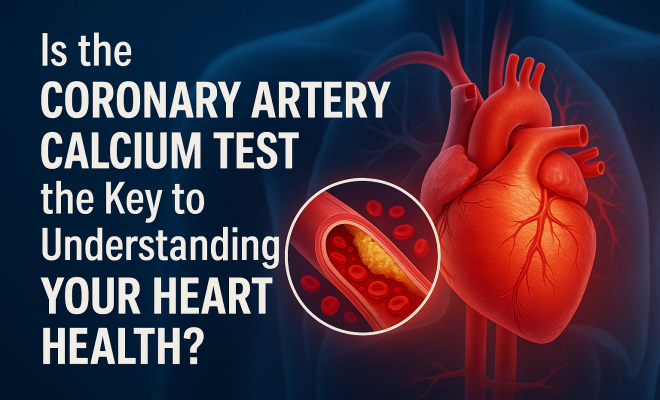
The coronary artery calcium test is a specialized heart imaging test that utilizes a CT scan to visualize calcium deposits in the coronary arteries. These deposits are indicative of plaque buildup, which can lead to heart disease if left unchecked. The idea is fairly straightforward: by assessing the amount of calcium in your arteries, doctors can gauge your risk of heart attack or coronary artery disease.
During the test, you’ll lie on a table that moves through a CT machine. While the procedure is quick, usually taking less than 10 minutes, the results can be life-changing. Doctors use a scoring system to quantify the amount of calcium found. A higher score indicates a greater risk for heart problems, while a score of zero typically suggests a lower risk.
Who Should Consider the CAC Test?
Not everyone is a candidate for the coronary artery calcium test. According to the American Heart Association, it’s recommended primarily for adults who are at borderline or intermediate risk for heart disease. Specifically, men aged 40 and older and women aged 45 and older may benefit from this screening.
Individuals with low risk generally may not need the test unless they have a strong family history of premature coronary disease. It’s essential to consult with your healthcare provider to discuss your personal risk factors, lifestyle, and family history before deciding whether to undergo the test.
How the Test Works: Step-by-Step
For those considering the coronary artery calcium test, understanding the procedure can alleviate some anxiety. Here’s what you can expect:
- Preparation: There’s no special preparation required. However, you might be advised to avoid caffeine or smoking for a few hours before the test.
- During the Test: You’ll be asked to lie on a table that slides into a CT scanner. It’s crucial to remain still during the scan to ensure clear images. You may be asked to hold your breath for a few seconds while the machine takes pictures.
- Duration: The entire process usually lasts less than 10 minutes, making it a quick and efficient test.
- Results: A radiologist will interpret the images and provide your doctor with a report outlining your calcium score.
This simplicity makes the coronary artery calcium test appealing, especially for those anxious about more invasive procedures.
Interpreting Your Calcium Score
One of the most significant aspects of the coronary artery calcium test is the score you receive after the test. Here’s how to interpret those numbers:
- 0: No calcium detected. This often means a low risk for heart disease.
- 1-10: Minimal calcium. There’s a slight risk, but it may not necessitate immediate action.
- 11-100: Moderate calcium buildup. This suggests a higher risk of heart issues, and your doctor may recommend lifestyle changes or further testing.
- 101-400: Significant calcium deposits. This indicates a higher risk for heart disease, and aggressive treatment options would likely be discussed.
- Over 400: Extensive calcium buildup. This score suggests a very high risk for coronary artery disease and warrants immediate medical attention.
Your calcium score provides invaluable information about your heart health and can help guide treatment decisions. However, it’s essential to consider this score alongside other risk factors, such as cholesterol levels, blood pressure, and lifestyle choices.
The Benefits of Early Detection
One of the most compelling reasons to consider the coronary artery calcium test is its potential for early detection. Heart disease is often dubbed a “silent killer” because many people don’t experience symptoms until significant damage has occurred. By identifying plaque buildup early, you and your healthcare provider can take proactive steps to mitigate risks. (See: Research on coronary artery calcium testing.)
Early detection can lead to lifestyle changes — such as improved diet, increased physical activity, and smoking cessation — and medical interventions, including cholesterol-lowering medications. The earlier these actions are taken, the better the outcome for your cardiovascular health.
Addressing the Controversy: Fear vs. Reassurance
While the coronary artery calcium test has its advantages, it’s not without controversy. Some critics argue that the test can lead to unnecessary anxiety or over-treatment, especially for those with low risk. After all, receiving a high calcium score can be alarming, even if it doesn’t guarantee an impending heart attack.
On the flip side, proponents argue that the test can serve as a powerful tool to identify individuals who might benefit from preventive measures. It can also help to reassure those who might fear they are at risk but have no reason to believe so. The dichotomy between reassurance and fear is what fuels debate among healthcare professionals and patients alike.
Cost and Accessibility
Another factor to consider is the cost of the coronary artery calcium test. Prices can vary significantly depending on your location and insurance coverage. On average, out-of-pocket costs could range anywhere from $100 to $400. Unfortunately, many insurance plans do not cover this test, making it a financial consideration for many individuals.
Before scheduling the test, it’s wise to check with your insurance provider and discuss costs with your healthcare team. If you’re concerned about affordability, there may be community health resources or programs that can assist with access.
Alternative Tests: What Are Your Options?
If you’re unsure about the coronary artery calcium test, there are alternative tests available that can assess heart health. These include:
- Traditional Stress Tests: Involves exercising on a treadmill while monitoring heart performance.
- Blood Tests: Can measure cholesterol levels and other risk factors.
- Echocardiography: An ultrasound of the heart that can reveal structural issues or abnormal blood flow.
- Coronary Angiography: A more invasive procedure that visually checks for blockages in the coronary arteries.
Each of these tests comes with its own set of risks and benefits. It’s important to have a detailed discussion with your healthcare provider about which test is most suitable for your specific circumstances.
Empowering Yourself with Knowledge
The journey toward better heart health isn’t just about tests; it’s about empowering yourself with knowledge. Understanding your risk factors, learning about your family history, and adopting a healthy lifestyle are crucial steps. The coronary artery calcium test can be a significant part of that journey, offering insights that allow you to make informed decisions about your health.
Consider engaging with your healthcare provider to establish a comprehensive heart health plan. This plan should include regular check-ups, lifestyle modifications, and possibly the coronary artery calcium test if you fit the criteria for screening. Your heart is your lifeline, and taking proactive steps can lead to a longer, healthier life.
The Future of Heart Health Testing
As technology advances, the field of cardiovascular health is evolving. New methods of testing and more personalized approaches to heart health are on the horizon. Research is continuously being conducted to enhance the precision of tests like the coronary artery calcium test and to explore additional markers that may predict heart disease risks. (See: CDC on coronary artery disease.)
Staying informed about these developments can empower you to make the best decisions regarding your heart health. Remember, every small step can contribute to a significant impact on your overall well-being.
Frequently Asked Questions about the Coronary Artery Calcium Test
What is the primary purpose of the coronary artery calcium test?
The primary purpose of the coronary artery calcium test is to assess the presence of calcium deposits in the coronary arteries, which can help predict the risk of heart disease and heart attacks. By measuring the amount of calcium, doctors can better understand your cardiovascular health and develop a personalized prevention strategy.
How does the CAC test compare with other heart disease tests?
The coronary artery calcium test is non-invasive and specifically focuses on detecting calcium deposits, making it distinct from traditional stress tests that monitor how well your heart performs under exertion. Blood tests reveal cholesterol and other risk factors, while echocardiograms assess heart structure and function. Each type of test provides different insights, and the best approach usually involves a combination of tests based on individual risk factors.
What if my calcium score is high? What should I do next?
If your calcium score is high, it’s important to follow up with your healthcare provider to understand the implications. They may recommend lifestyle changes such as diet and exercise adjustments, medications to lower cholesterol or blood pressure, or further testing to evaluate your heart’s condition. The key is to view your score as a tool for proactive health management rather than a definitive diagnosis.
Is there any radiation exposure from the test?
Yes, the coronary artery calcium test does involve some radiation exposure due to the use of a CT scan. However, the amount of radiation is relatively low, comparable to that of a standard chest X-ray. The benefits of identifying potential heart disease often outweigh the risks of radiation exposure, but it’s always a good idea to discuss any concerns with your physician.
How often should I get the coronary artery calcium test?
The frequency of the coronary artery calcium test depends on individual risk factors and your initial calcium score. Some individuals might be advised to retest every 5 to 10 years, especially if they have elevated scores or if they have risk factors that might change over time. Always consult with your healthcare provider to establish a personalized testing schedule.
Can lifestyle changes reduce calcium buildup in the arteries?
While you can’t completely remove existing calcium deposits, lifestyle changes can significantly impact your overall cardiovascular health. Adopting a heart-healthy diet, engaging in regular physical activity, managing stress, and avoiding tobacco can help prevent further plaque buildup, lower your overall risk of heart disease, and promote better heart health.
Personal Stories: Real-Life Impacts of the Coronary Artery Calcium Test
Hearing from individuals who have undergone the coronary artery calcium test can provide valuable insights into its impact. Many patients report feeling empowered after receiving their scores because it allowed them to take action. For instance, one middle-aged man, diagnosed with an elevated calcium score, made significant lifestyle changes, including adopting a Mediterranean diet and committing to daily exercise. After a year, follow-up tests showed improvements in his heart health and a reduction in his calcium score.
Another woman, initially hesitant about the test, found reassurance in a zero score, which encouraged her to maintain a healthy lifestyle and stay vigilant about her health. These stories highlight how the test can lead to transformation and engagement in one’s heart health journey.
The Role of Genetic Testing in Heart Disease
While the coronary artery calcium test provides crucial information about physical changes in the heart, the role of genetic testing is becoming increasingly recognized in the assessment of heart disease risk. Genetic markers can indicate predispositions to various heart conditions, allowing for a more comprehensive understanding of individual risk factors. When combined with results from the CAC test, genetic testing can offer a more tailored approach to prevention and treatment.
Keeping Up with Research and Innovations
As healthcare continues to advance, so too does the research surrounding cardiovascular testing like the coronary artery calcium test. Studies are in progress to determine the long-term benefits of early calcium detection. For example, ongoing research aims to link calcium scores with outcomes in diverse populations, focusing on how different demographics respond to preventive measures.
Innovations such as AI-driven imaging technology are also on the rise, which can enhance accuracy and reduce the time required for producing results. These advancements could make the test even more accessible while improving its predictive capability regarding heart disease.
Common Misconceptions About the Coronary Artery Calcium Test
Despite the growing recognition of the coronary artery calcium test, several misconceptions persist. One common myth is that only individuals with a family history of heart disease need to undergo testing. In reality, many factors contribute to heart disease risk, including lifestyle and age, making this test relevant for a broader demographic.
Another misconception is that a high calcium score always leads to immediate health issues. While a high score indicates increased risk, it’s not a death sentence. With proper management and lifestyle changes, many people with high scores lead healthy, active lives.
The Psychological Aspect of Heart Health Testing
It’s essential to recognize the psychological implications that come with receiving your calcium score. The anxiety that can stem from a test result often requires addressing. Mental health professionals recommend open communication with healthcare providers to discuss fears and feelings related to the results. Joining support groups can also be beneficial, as they provide spaces for individuals to share experiences and coping strategies.
Conclusion: Making Informed Choices for Heart Health
Your heart health is a vital aspect of your overall well-being. The coronary artery calcium test can play a significant role in identifying risk early, leading to proactive measures that promote better health outcomes. It’s essential to stay informed, communicate openly with healthcare providers, and advocate for your health. Remember, knowledge is power, and taking steps today can lead to a healthier tomorrow.
“`
Trending Now
Frequently Asked Questions
What is a coronary artery calcium test?
A coronary artery calcium test (CAC test) is a non-invasive imaging procedure that uses a CT scan to detect calcium deposits in the coronary arteries. These deposits indicate plaque buildup, which can increase the risk of heart disease. The test helps doctors assess an individual's cardiovascular risk by quantifying the amount of calcium present.
Who should get a coronary artery calcium test?
The coronary artery calcium test is primarily recommended for adults at borderline or intermediate risk for heart disease, particularly men aged 40 and older and women aged 45 and older. Those with low risk generally do not need the test unless they have a strong family history of premature coronary disease.
How does the coronary artery calcium test work?
During the coronary artery calcium test, a patient lies on a table that moves through a CT machine. The procedure typically takes less than 10 minutes. It uses advanced imaging to visualize calcium deposits in the coronary arteries, which are scored to assess the patient's risk of heart attack or coronary artery disease.
What do the results of a coronary artery calcium test mean?
Results from a coronary artery calcium test are given as a score indicating the amount of calcium found in the arteries. A higher score suggests a greater risk of heart problems, while a score of zero usually indicates a lower risk. This information helps guide further cardiovascular health decisions.
Is the coronary artery calcium test necessary for everyone?
No, the coronary artery calcium test is not necessary for everyone. It's primarily intended for individuals at borderline or intermediate risk for heart disease. Low-risk individuals typically do not require the test unless there is a significant family history of coronary disease. Consulting with a healthcare provider is essential to determine individual needs.
What’s your take on this? Share your thoughts in the comments below — we read every one.